
Storing your footwear collection inside a wardrobe alongside hanging clothes and fabric storage bags requires a careful balance of space, accessibility, and climate control. In tropical environments where high humidity can quickly lead to mold, finding the right lagayan nang sapatos (shoe storage) that integrates seamlessly with your existing closet setup is essential. By coordinating rigid organizers with soft storage bags and maximizing the vertical space beneath your hangers, you can create a clean, organized, and odor-free wardrobe system.
Assessing Your Wardrobe Space for Shoe Integration
Before purchasing any new organizers, take precise measurements of your wardrobe’s interior. Start by measuring the floor clearance, which is the height from the closet floor to the bottom of your lowest-hanging garments. This vertical drop determines whether you can fit a multi-tiered rack or only a single row of low-profile boxes.
Next, measure the depth of your shelves. Standard wardrobe shelves typically range from 35 to 60 centimeters deep, which directly impacts how your shoes will sit—either straight-on or angled. Don’t forget to account for the clearance needed for sliding doors or hinges, as organizers that sit too close to the front edge can block doors from closing fully.
Products mentioned in this guide
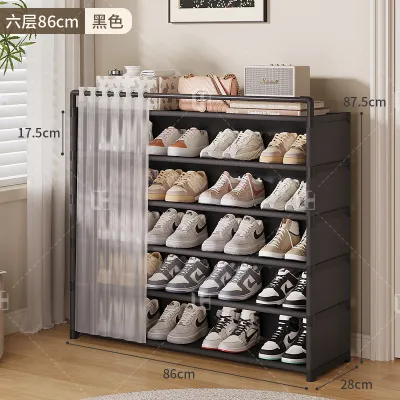
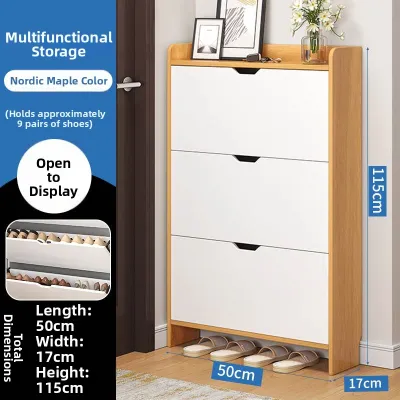
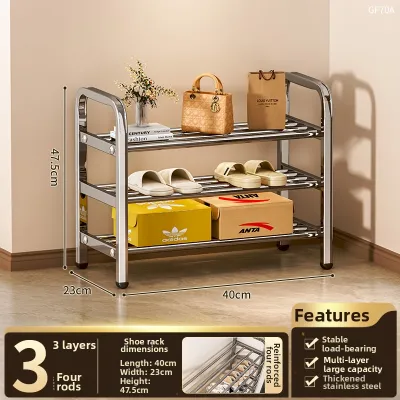
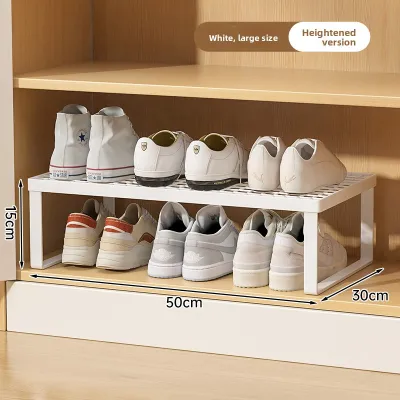
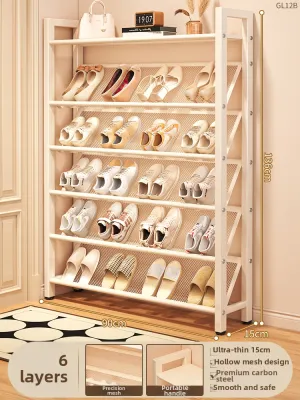
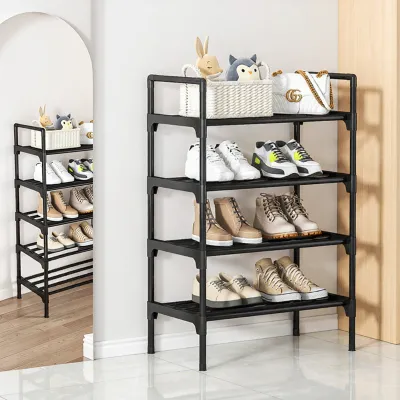
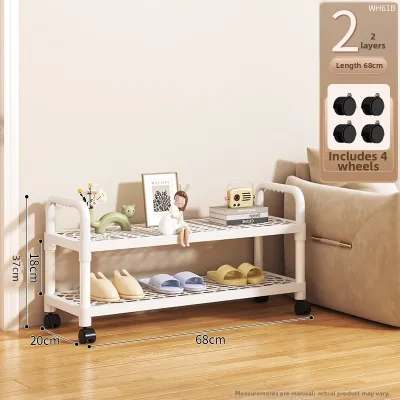
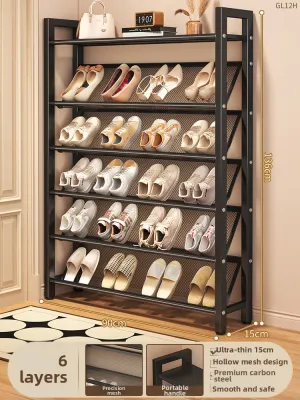
Prices are valid at publication and may change. Please refer to the product page for the latest price.
Look for underutilized dead spaces within the wardrobe layout. The corners of deep shelves, the narrow gaps beside hanging clothes, and the empty zones directly above soft fabric storage bags are prime spots for modular organizers. Utilizing these pockets allows you to expand your storage capacity without crowding your daily-wear garments.
Finally, evaluate the structural integrity of your wardrobe shelves. Solid wood and thick plywood shelves can support heavier, stacked setups, whereas thin particleboard or tension-mounted shelves may sag under the weight of multiple filled shoe boxes. Always check the manufacturer’s specifications for weight limits before planning a tall stack of heavy footwear.
Shoe Storage Solutions That Pair with Hanging Clothes
Integrating shoe storage directly beneath hanging garments is one of the most efficient ways to utilize vertical space. For the area under shorter hanging items like folded trousers, shirts, and jackets, stackable clear plastic shoe boxes are highly effective. These modular containers allow you to see your footwear at a glance while protecting them from dust and accidental scuffs from hanging hems.

For the floor space beneath longer garments like dresses, coats, or traditional wear, a low-profile freestanding tiered rack or adjustable tension-rod shelf works best. These open-air options keep your shoes easily accessible and allow air to circulate freely around the soles. Ensure the rack’s height leaves enough clearance so that long fabrics do not drag on the shoes, which can transfer dirt or cause wrinkling.
Drop-front shoe bins are another excellent solution for shared wardrobe spaces. Unlike traditional boxes that require you to unstack the entire pile to reach the bottom pair, drop-front designs feature a hinged front door. This allows you to retrieve your shoes quickly without disturbing the hangers or garments hanging directly above, preserving the neatness of your closet.
Coordinating Shoe Storage with Fabric Storage Bags
Fabric storage bags are excellent for seasonal clothing, extra bedding, or soft accessories, but their flexible structure requires strategic placement when paired with rigid shoe organizers. To maximize space and maintain structural stability, always follow a bottom-heavy stacking sequence. Place heavy, rigid plastic shoe boxes or wooden organizers at the base of your wardrobe or shelf, and stack the lighter, soft fabric bags on top.
Placing heavy shoe storage containers directly on top of delicate fabric storage bags must be avoided. The weight of the shoes and their rigid boxes can crush the contents of the bags, damage delicate zippers, and cause the entire stack to become unstable and tip over. Keeping the heavier items anchored at the bottom ensures a safer, more reliable storage setup.
To keep your wardrobe organized and hygienic, use physical barriers like shelf dividers or dedicated compartments to separate your shoe storage zones from your fabric bags. This prevents any residual dust or outdoor debris on the shoe boxes from coming into contact with clean linens or seasonal garments stored in adjacent fabric bags.
Practical Layout Configurations for a Unified Closet
A well-planned layout ensures that every item in your wardrobe is easy to reach and properly maintained. A bottom-heavy configuration is highly practical for standard wardrobes: utilize the closet floor for sturdy shoe racks or stacked boxes, keep the middle section dedicated to active hangers, and reserve the highest shelves for lightweight fabric storage bags containing out-of-season items.
For daily convenience, implement a zoned storage approach based on frequency of use. Place your daily-wear shoes on the lowest, most accessible shelves or racks near the wardrobe door. Occasional footwear, such as formal heels, heavy boots, or dress shoes, can be stored in sealed, clear boxes on higher shelves or tucked into the deeper corners of the wardrobe where they won’t interfere with your morning routine.
Before finalizing your layout, perform a comprehensive clearance check. Verify that wardrobe doors open and close smoothly without hitting the edges of your shoe organizers. If your wardrobe features internal drawers or pull-out trays, ensure their path of movement is completely clear of any newly installed racks or boxes to prevent scratches and mechanical jams.
Compatibility Checks and Wardrobe Maintenance
In warm, humid climates, storing shoes in an enclosed wardrobe alongside clothing presents unique challenges. Proper ventilation is critical to prevent moisture buildup, which can lead to mold growth on both leather shoes and fabric garments. Opt for shoe organizers with built-in ventilation holes, and avoid packing items too tightly together to allow continuous airflow throughout the closet.
Always check the manufacturer’s labels and product specifications for weight capacities before installing adjustable shelves, stackable bins, or hanging organizers. Overloading a hanging fabric shoe organizer can stretch the closet rod or damage the wardrobe’s mounting brackets, leading to costly structural damage over time.
Establish a regular maintenance routine to keep your shared wardrobe clean and fresh. Always wipe down and thoroughly dry the soles of your shoes before placing them back inside the wardrobe. Periodically inspect your shoe organizers for signs of wear, instability, or dust accumulation, and wipe down the interior shelves with a damp cloth to maintain a hygienic environment for your clothes.
Frequently Asked Questions (FAQ)
Can I store shoes on the top shelf of my wardrobe?
Storing shoes on the top shelf of a wardrobe is possible, but it requires careful consideration of weight distribution and safety. Heavy leather shoes or rigid, stacked plastic boxes stored overhead can pose a safety hazard if they slip while you are reaching for them. If you choose to use the top shelf for footwear, it is best to store lightweight shoes, such as sandals or canvas sneakers, in soft-sided fabric shoe bags or lightweight organizers that are easy to handle safely.
How do I prevent shoe odors from affecting my hanging clothes?
To prevent shoe odors from transferring to your hanging garments, never store dirty or damp footwear directly inside an enclosed wardrobe. Ensure all shoes are completely clean and dry before putting them away. Using enclosed shoe boxes with integrated ventilation slots helps contain odors while still allowing air to circulate, and placing natural moisture absorbers or charcoal deodorizers on the wardrobe floor can help keep the entire space smelling fresh.

Community discussion
Share your experience or ask a question. Comments are reviewed before publication.