
Integrating shoe storage into an existing closet system requires balancing available space, footwear variety, and the structural limits of your current setup. Whether you are working with standard wire shelving, custom wooden built-ins, or modular wardrobe units, selecting the right shoe organizers ensures your collection remains accessible, protected, and visually tidy. The ideal solution depends on your specific closet layout, the types of shoes you own, and how much weight your shelves or hanging rods can safely support. By evaluating your storage environment and understanding the structural limits of different organizer formats, you can create a highly functional setup that keeps your footwear in pristine condition.
Assessing Your Closet Space and Shoe Collection
Before purchasing any new organizer, you must thoroughly measure your closet’s internal dimensions. Start by measuring the net clearance height, depth, and width of your existing shelves. If you plan to place a rack on the floor, measure the distance between the floor and the lowest hanging rod or shelf, ensuring you account for the length of hanging garments. It is also critical to measure the depth of your closet; standard closets typically range from 50 to 60 centimeters deep, but some custom systems or shallow wardrobes may offer much less clearance. Protruding door hinges, sliding door tracks, and baseboards can also reduce your usable width, so always measure the narrowest point of entry.
Next, categorize your footwear collection by type and height. Flats, sandals, and slippers require very little vertical clearance, often fitting comfortably in spaces just 10 to 12 centimeters high. Standard sneakers and low-top leather shoes generally need 15 to 18 centimeters of height, while high-top sneakers, heels, and ankle boots require 20 centimeters or more. Tall boots demand dedicated vertical space or specialized storage methods, such as hanging clips or horizontal boot organizers. Grouping your shoes by height allows you to calculate exactly how many tall, medium, and short storage slots you need, preventing wasted vertical space.
Products mentioned in this guide
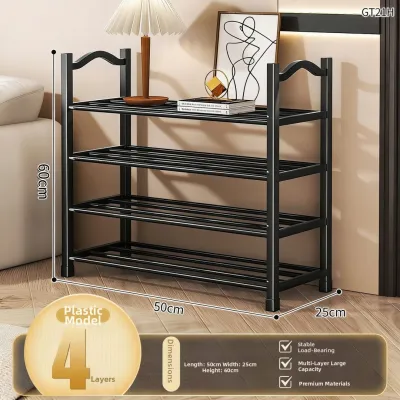
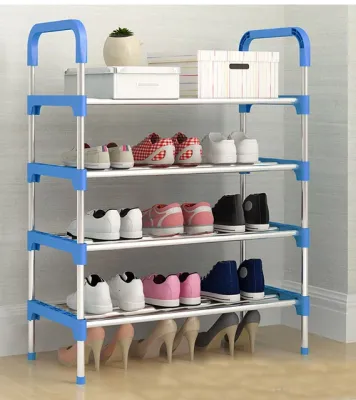
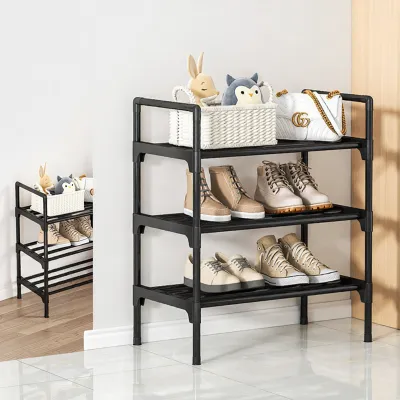
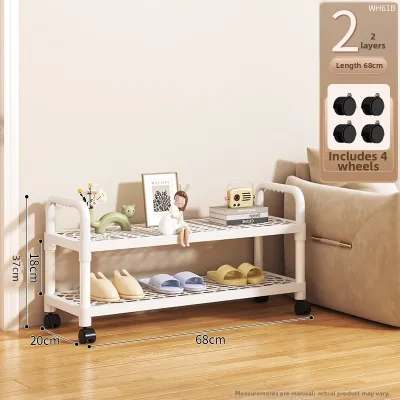
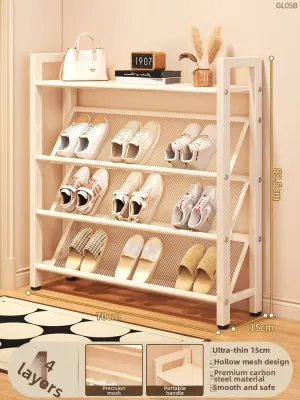
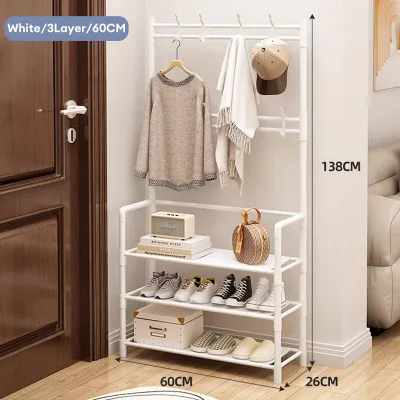
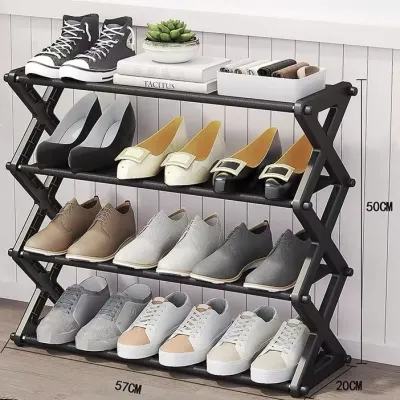
Prices are valid at publication and may change. Please refer to the product page for the latest price.
Finally, look for underutilized zones within your current closet configuration. The space beneath hanging clothes is often left empty, making it an ideal spot for a low-profile floor rack. Dead corners in L-shaped walk-in closets can accommodate corner shelving units or stackable bins. The back of your closet door is another high-value area that can host slim, vertical organizers without consuming any shelf or floor space. Identifying these hidden pockets of storage allows you to maximize your closet’s capacity without making the space feel cramped or disorganized.
Types of In-Closet Shoe Organizers
The form factor of your chosen shoe organizer dictates where it can be placed and how it interacts with your existing closet structure. Different formats utilize shelves, hanging rods, or floor space in distinct ways, each offering unique trade-offs in terms of flexibility, capacity, and structural support. Understanding these formats helps you select a system that complements, rather than conflicts with, your current wardrobe setup.

Stackable Shelf Inserts and Freestanding Racks
Stackable shelf inserts and freestanding racks are highly versatile options for utilizing vertical space on existing closet shelves or the closet floor. These organizers are particularly useful if you have tall, fixed shelves with a lot of wasted overhead space. By placing a low-profile, two-tier insert on a shelf, you can effectively double your storage capacity for flats, sandals, or low-profile sneakers.
When choosing these inserts, consider the trade-offs between adjustable modular designs and fixed-tier racks. Modular, stackable plastic or metal bins allow you to customize the height and width of your storage as your collection changes. However, they may require careful alignment and secure interlocking mechanisms to prevent tipping. Fixed-tier racks, often made of wood, metal wire, or heavy-duty plastic, offer greater structural stability but lack the flexibility to accommodate taller footwear if your storage needs shift.
Before buying, verify the material strength and weight capacity of the rack, especially if you plan to store heavier footwear like thick-soled sneakers, work boots, or heavy leather shoes. Check the manufacturer’s specifications for load limits and inspect the joints or connectors for sturdiness. If you are placing a freestanding rack on an upper shelf, ensure the shelf itself is rated to support the combined weight of both the rack and your shoes. Look for models with non-slip feet or anchoring options to prevent the rack from sliding when you retrieve your shoes.
Hanging Shoe Organizers and Over-Door Racks
Hanging shoe organizers and over-door racks are excellent vertical solutions that maximize unused space on closet rods or the interior of closet doors. Hanging organizers typically feature a series of fabric or plastic cubbies that suspend from a heavy-duty hook-and-loop strap or metal hooks attached directly to your closet rod. This format is highly accessible and keeps your shoes at eye level, making it easy to select your footwear during your daily routine.
However, before installing a hanging organizer, you must check the weight limit of your closet hanging rod. Standard wooden or metal rods can sag or pull away from their wall mounts if overloaded with heavy items. Additionally, if you choose an over-door rack, measure the clearance gap between the top of the door and the frame, as well as the space around the hinges. Over-door hooks that are too thick can prevent the door from closing properly or scratch the paint on your door frame.
These vertical solutions are best suited for lightweight footwear, such as sandals, slippers, canvas shoes, and lightweight flats. Storing heavy leather shoes or boots in fabric pockets can cause the material to stretch, sag, or tear over time. For enclosed closets, look for hanging organizers made from breathable fabrics like non-woven polypropylene or canvas. These materials allow air to circulate around your shoes, reducing the risk of dust accumulation while preventing moisture from becoming trapped inside the pockets.
Pull-Out Drawers and Sliding Bins
Pull-out drawers and sliding bins represent a premium, highly integrated storage format that can be mounted under existing shelves or placed directly on the closet floor. These systems utilize sliding tracks or rollers, allowing you to pull the shoe storage compartment toward you for easy access, even in deep or dark closets. This format is particularly beneficial for deep closet systems where shoes stored at the back would otherwise be difficult to reach.
Installing pull-out systems requires careful attention to track installation and clearance requirements. You must ensure there is sufficient clearance on either side of the drawer for the tracks to slide smoothly without rubbing against the closet frame or doors. If your closet has hinged doors, verify that the doors can open wide enough to allow the drawers to extend fully. Some systems require drilling into your existing wooden shelves or floor panels, so check if your closet material can support screws without splitting or stripping.
The primary advantage of pull-out drawers and sliding bins is their superior protection against dust and light, making them ideal for storing delicate, expensive, or seasonal footwear. Enclosed drawers shield your shoes from ambient dust and accidental scuffs. However, because these systems are often heavier than simple racks or hanging organizers, you must verify that your closet’s structural support can handle the weight of the sliding hardware and the shoes combined. Ensure the tracks feature smooth ball-bearing glides and safety stops to prevent the drawer from pulling completely out of the track.
Key Selection Criteria for Closet Integration
When shopping for a shoe organizer from furniture stores or online marketplaces, matching the product’s specifications to your closet’s physical environment is crucial for a successful integration. The first and most important criterion is dimensional tolerance. Do not rely on visual estimates; compare the organizer’s exact length, width, and depth against the internal net space of your closet. Remember to account for hidden obstacles such as baseboards, door hinges, light fixtures, or sliding door tracks that might obstruct the organizer or prevent doors from closing.
In humid tropical climates like the Philippines, ventilation and moisture resistance are critical factors to consider. Enclosed, unventilated closets can trap humidity, leading to mold growth, musty odors, and the rapid deterioration of leather, suede, and synthetic materials. When selecting shoe organizers, prioritize breathable materials, slatted shelves, or open-wire designs that promote continuous airflow. If you prefer enclosed plastic shoe boxes, look for models with built-in ventilation holes or mesh panels to prevent stagnant air from damaging your footwear.
Additionally, evaluate the assembly and mounting requirements of the organizer. Determine whether the solution is completely freestanding, relies on adhesive strips, or requires mechanical drilling. If you rent your home or have a high-end custom closet system, you may want to avoid drilling that could void warranties or damage expensive wood veneers. In such cases, freestanding racks with adjustable leveling feet or tension-based organizers are excellent alternatives. If drilling is required, ensure you have the correct tools and wall anchors suitable for your closet’s material, whether it is solid wood, medium-density fiberboard (MDF), or drywall.
Installation and Maintenance Best Practices
Proper installation and ongoing maintenance are essential to ensure your shoe storage system remains safe, stable, and clean over time. Before placing any freestanding rack or stackable insert inside your closet, thoroughly clean the shelves or floor area. Wipe away dust and debris, and allow the surfaces to dry completely. Applying high-quality, anti-slip shelf liners under freestanding racks can prevent them from shifting or sliding when you remove or replace your shoes, protecting both the organizer and your closet shelves from scratches.
Routine maintenance is key to preserving both your footwear and your storage system. Periodically dust your shoe racks and wipe down plastic bins with a damp cloth. To maintain a fresh environment, establish a habit of rotating your seasonal footwear, moving rarely worn shoes to higher or less accessible shelves and keeping daily-wear pairs within easy reach. Ensure that air can circulate freely between your shoes; avoid packing them too tightly together on a single shelf, as this can trap moisture and lead to unpleasant odors.
Finally, regularly inspect your closet system for signs of overloading. Over time, the weight of multiple pairs of shoes can cause wooden shelves to sag, wire racks to bend, or hanging rods to pull away from their brackets. If you notice any bowing, warping, or loose screws, immediately reduce the load on that section. Redistribute heavier footwear to the closet floor or onto sturdier, lower shelves, and reserve upper shelves or hanging organizers for lightweight items.
Frequently Asked Questions (FAQ)
Can I store heavy boots in hanging closet organizers?
Hanging fabric or plastic pocket organizers are specifically designed and optimized for lightweight footwear, such as flats, sandals, slippers, and canvas sneakers. They are generally not suitable for heavy boots, work shoes, or thick leather footwear. The concentrated weight of heavy boots can easily cause the fabric pockets to stretch, sag, or tear at the seams. Furthermore, hanging multiple pairs of heavy boots in a single organizer puts significant downward stress on your closet’s hanging rod, increasing the risk of the rod bending, sagging, or pulling loose from its wall mounts. For tall or heavy boots, it is much safer to use rigid floor racks, dedicated boot shapers that keep them upright on the closet floor, or heavy-duty pull-out bins designed to handle higher weight capacities.
How do I prevent shoes from smelling inside a closed closet?
Preventing odors in a closed closet requires active moisture management and proper hygiene habits. Never place recently worn, damp, or sweaty shoes directly into an enclosed closet or airtight container. Allow your shoes to air out in a well-ventilated space outside the closet for at least a few hours after wearing them. To control humidity and neutralize odors inside the closet, place moisture-absorbing products such as silica gel packets, activated charcoal bags, or natural cedar blocks on your shoe shelves. Avoid storing shoes in completely sealed, airtight plastic bins, as these trap residual moisture and create an ideal environment for mold, mildew, and bacteria to grow. Instead, opt for breathable storage boxes, open-wire racks, or organizers with built-in ventilation slots to ensure continuous airflow.

Community discussion
Share your experience or ask a question. Comments are reviewed before publication.