
Deciding whether to replace a worn office chair back cover or invest in a brand-new ergonomic chair comes down to a balance of structural health, comfort, and cost. If your current chair has a sturdy base, a functional gas lift, and comfortable cushioning, simply replacing the cover is a highly economical way to refresh your workspace. However, if the chair’s frame is compromised, or if you are experiencing persistent physical discomfort, upgrading to a new ergonomic chair in the ₱3,000 to ₱15,000 range is the more sensible long-term investment.
Assessing Your Current Chair's Structural Integrity
Before spending money on a new office chair back cover, you must evaluate the physical state of the chair’s core components. The most critical part to inspect is the gas lift cylinder. Sit on the chair and adjust the height; if the seat slowly sinks on its own throughout the day, or if you notice significant wobbling when you shift your weight, the gas lift is failing. Listen closely for unusual squeaks, grinding noises, or metallic clicks when you tilt backward, as these sounds often point to worn-out tension springs or cracked housing within the tilt mechanism.
Next, turn your attention to the wheelbase and casters. Inspect the plastic or metal spokes of the base for hairline cracks, especially around the socket where the wheels insert. A cracked wheelbase can fail suddenly, posing a safety risk. Ensure all casters roll smoothly without dragging or sticking, which can scratch your flooring and strain your legs during movement.
Products mentioned in this guide
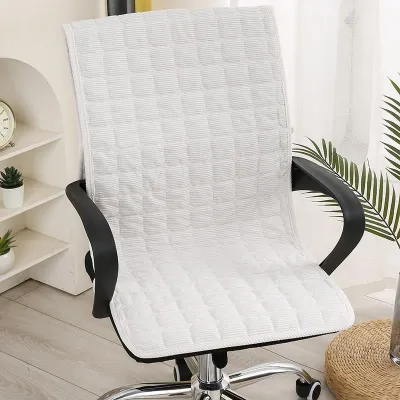
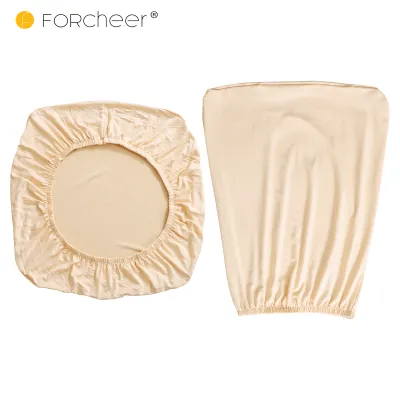
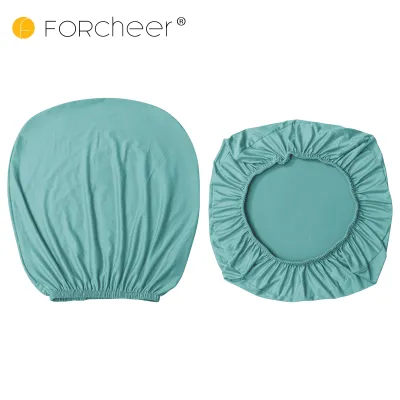
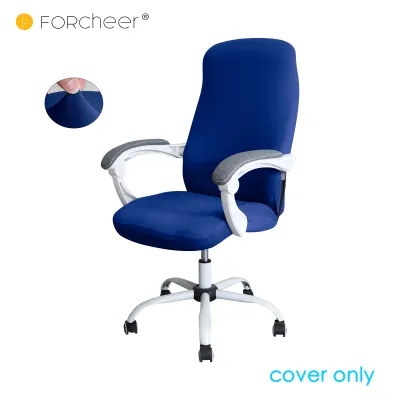
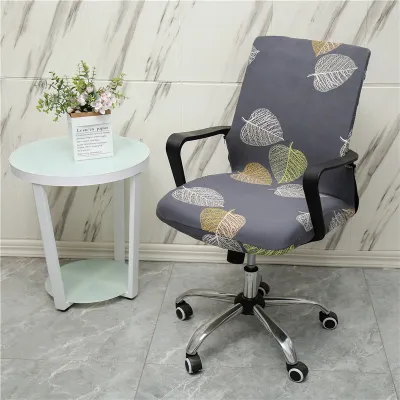
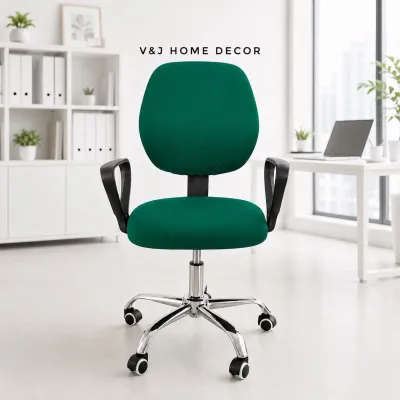
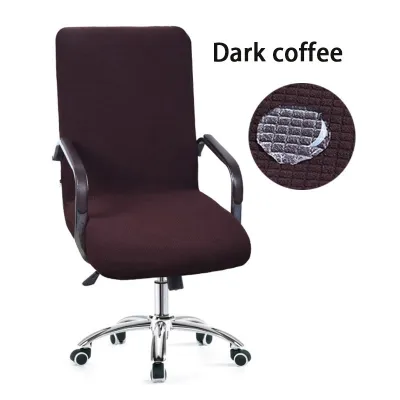
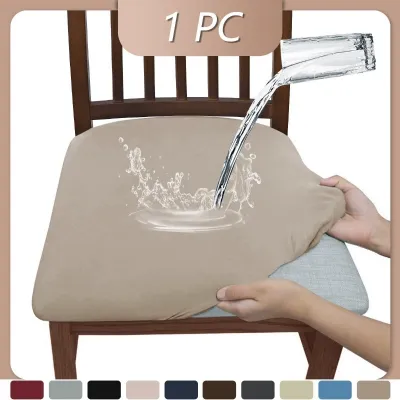
Prices are valid at publication and may change. Please refer to the product page for the latest price.
You must also examine the backrest frame itself. If your chair has a plastic frame, look for stress marks—which often appear as white, discolored lines in the dark plastic—or visible cracks along the support columns. For metal frames, check the weld points and screw threads to ensure nothing is bent or stripped.
Finally, calculate the financial practicality of a repair. Look up the cost of an official replacement back cover from your chair’s manufacturer. If the replacement cover costs more than half of what you originally paid for the chair, and the base already shows signs of wear, investing in a repair is rarely cost-effective. On the other hand, if the base is pristine and a replacement cover is inexpensive, a quick swap is highly logical.
When Replacing the Office Chair Back Cover is the Right Choice
Replacing the office chair back cover is an excellent, sustainable solution when the damage to your seating is purely cosmetic. In tropical climates, high humidity and sweat often accelerate the degradation of faux leather, causing it to peel, flake, and leave unsightly debris on your floor. If the underlying foam remains firm and supportive, and the frame is completely intact, replacing the cover or installing a fitted slipcover will instantly restore the chair’s appearance without unnecessary waste.

Frayed mesh and stained fabric are also prime candidates for a cover replacement. Mesh can lose its tension over years of use, or get snagged by clothing fasteners, resulting in a saggy backrest that no longer supports your spine. If your chair model features a modular design, you can often order an official replacement backrest assembly or fabric cover directly from the manufacturer’s service center.
Before purchasing, verify the compatibility of the replacement part. Official parts are designed to slide or clip directly onto your specific model’s frame, preserving the original tension and lumbar alignment. If official parts are unavailable, a universal fabric slipcover can serve as a budget-friendly, washable alternative to protect the remaining material.
However, you must recognize the limits of a simple cover. A new back cover cannot restore a bottom seat cushion that has bottomed out, nor can it fix loose, rattling armrests or a lumbar support dial that no longer adjusts. If the structural ergonomics of the chair have degraded, a cosmetic cover will only mask a deeper problem that continues to affect your physical comfort.
Signs It Is Time to Upgrade to a New Ergonomic Chair
While a new office chair back cover can resolve aesthetic issues, it cannot fix a chair that is fundamentally unsuited to your body. The most telling sign that you need an upgrade is persistent physical discomfort. If you regularly finish your workday with lower back stiffness, shoulder tension, or neck strain, your current chair is likely failing to support your posture. Even with a pristine cover, a chair with poor ergonomic geometry will continue to strain your musculoskeletal system.
Take a close look at the seat pan’s foam cushion. Over years of daily use, polyurethane foam loses its resilience and undergoes permanent compression, a state often referred to as “bottoming out.” When this happens, you are essentially sitting directly on the hard wood or plastic seat platform, which restricts blood flow and puts excessive pressure on your tailbone. No backrest cover can compensate for a dead seat cushion.
Observe the alignment of the backrest when you are not sitting in it. If the backrest leans slightly to one side, or if the built-in lumbar curve no longer aligns with the natural inward curve of your lower spine, the internal support structure has warped. Sitting in an asymmetrical chair forces your muscles to work harder to keep you upright, leading to chronic fatigue and poor posture.
Additionally, consider your daily working duration and your chair’s adjustability. If your current chair only allows you to adjust the seat height, it is inadequate for long hours of computer work. Modern ergonomic standards require adjustable seat depth, multi-directional armrests, and dynamic lumbar support to accommodate different tasks and body proportions. If your chair lacks these features, upgrading is a necessity for your long-term well-being.
Navigating the ₱3,000 to ₱15,000 Ergonomic Chair Market
If you decide to upgrade, the local market offers a wide variety of ergonomic chairs within the ₱3,000 to ₱15,000 price range. Understanding what features to expect at different price points within this bracket will help you make an informed decision and avoid overpaying.
In the ₱3,000 to ₱6,000 entry-level range, chairs typically feature nylon bases, fixed or basic height-adjustable armrests, and simple tilt-lock mechanisms. The lumbar support in this tier is usually a fixed plastic band or a height-adjustable pad. While basic, these chairs offer a significant ergonomic upgrade over standard dining chairs or worn-out office seats, provided you verify the build quality. Look for models with high-density molded foam rather than cheap cut foam, as molded foam retains its shape much longer.
Moving up to the ₱7,000 to ₱15,000 mid-range tier, you will find substantially better materials and advanced adjustability. Chairs in this segment often feature aluminum alloy wheelbases, 3D or 4D adjustable armrests (which move up, down, forward, backward, and angle inward), and synchronized tilt mechanisms that keep your feet flat on the floor while you recline. You can also expect adjustable seat depth, which is crucial for taller users to ensure proper thigh support without cutting off circulation behind the knees.
When shopping in this budget range, always verify the manufacturer’s specifications rather than relying on marketing terms. Check the maximum weight capacity, ensuring it offers a safe margin above your actual weight. Look for certifications like BIFMA, which indicate the chair has undergone standardized durability testing. Additionally, review the warranty terms; reputable brands in this price bracket should offer at least a one-to-three-year warranty on core components like the gas lift and tilt mechanism.
Given the tropical climate, prioritize breathable materials. A full-mesh backrest or a mesh-and-fabric hybrid is highly recommended to promote airflow and prevent heat buildup during hot afternoons. Avoid cheap synthetic leather in this price range, as it tends to trap heat and peel rapidly under humid conditions. Focus your budget on structural ergonomics and adjustability rather than flashy gaming aesthetics or unnecessary built-in footrests.
Frequently Asked Questions (FAQ)
Can I use a universal slipcover instead of an official replacement back cover?
Yes, you can use a universal slipcover as a temporary, low-cost solution to cover peeling or stained material. However, universal covers are made of stretchy fabric designed to fit a wide range of shapes, meaning they often slip, bunch up, or sag during daily use. More importantly, a loose slipcover does not provide any structural tension or support. If your chair relies on a tight mesh backrest to maintain its ergonomic shape, a universal cover will not restore that lost tension and should only be used for cosmetic purposes until you can secure an official replacement or upgrade your chair.
How do I safely dispose of or recycle my old office chair?
When a chair is beyond repair, avoid throwing it directly into regular household trash. Start by checking your local municipal guidelines for bulky waste collection, as many barangays or cities have specific schedules for picking up large furniture items. If possible, disassemble the chair to separate the metal base, plastic frame, and fabric components, as local scrap yards and recycling centers are more likely to accept sorted materials. If the chair is still structurally sound but no longer fits your ergonomic needs, consider donating it to a local school, community center, or non-profit organization where it can still be put to good use.

Community discussion
Share your experience or ask a question. Comments are reviewed before publication.