
Fitting a guest bed into a compact condominium in the Philippines requires careful spatial planning. When floor space is limited, a standard single foldable bed is often the most practical choice. Typically, a foldable bed single size measures between 75 to 90 centimeters in width and 190 centimeters in length when fully unfolded. However, simply knowing these basic dimensions is not enough to guarantee that you can open your wardrobe doors, pull out your drawers, or walk freely around the room.
To find the perfect fit, you must calculate the combined footprint of the bed and the “clearance envelope” required by your storage furniture. This guide will help you measure your space, understand different foldable bed designs, and map out a layout that keeps your wardrobe fully accessible whether the bed is open or folded away.
Assessing Your Bedroom and Wardrobe Clearance Needs
Before browsing online marketplaces or visiting local furniture showrooms, you need an accurate map of your bedroom’s physical boundaries. Condo units in major metropolitan areas like Metro Manila often feature irregular layouts, structural columns, or built-in elements that restrict usable floor space. Grab a steel measuring tape and record the wall-to-wall dimensions of the room, paying close attention to baseboards, which can shave off precious centimeters from your final calculations.
Products mentioned in this guide
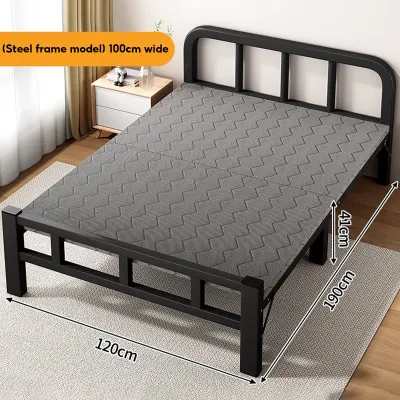
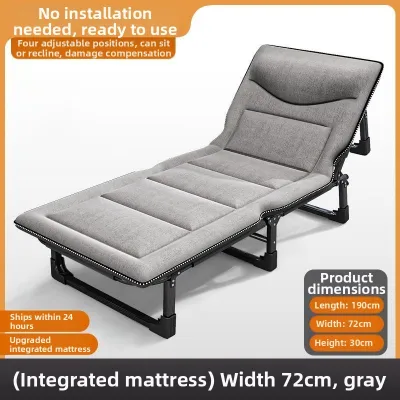
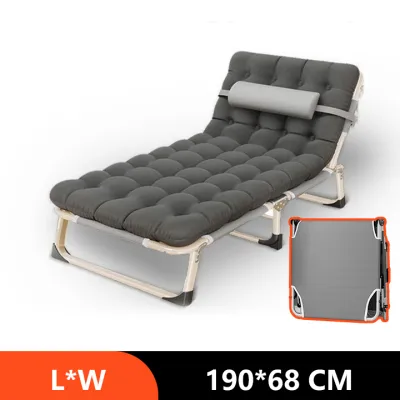
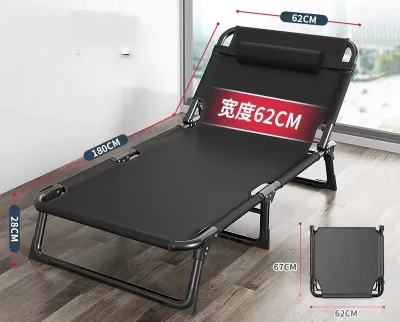

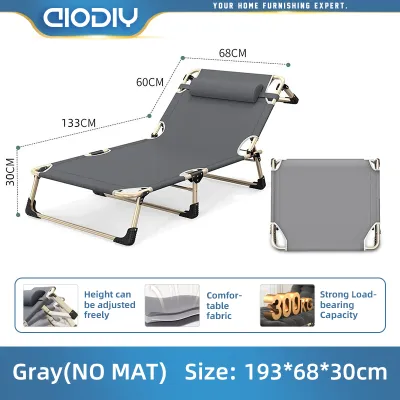
Prices are valid at publication and may change. Please refer to the product page for the latest price.
Identify all fixed obstacles that cannot be moved. These include structural pillars protruding from walls, low-hanging window air conditioning units, wall-mounted outlets, and built-in shelving units. If your condo has a floor-mounted drainage pipe or a specific corner designated for emergency access, note these zones as strictly off-limits for furniture placement.
Next, analyze your wardrobe’s door mechanism, as this dictates the exact amount of clearance space you must preserve. Hinged wardrobe doors require a swing clearance equal to the width of the door panel itself, plus an additional 45 to 60 centimeters of standing room so you can access your clothes without feeling pinned against the bed. For example, if your wardrobe has a 50-centimeter swing door, you need at least 95 to 110 centimeters of clear space in front of the wardrobe face.
Sliding wardrobe doors are highly beneficial for tight spaces because they eliminate the swing arc entirely. However, they do not eliminate the need for human clearance. You still require approximately 50 to 60 centimeters of standing space to slide the doors comfortably and reach inside. Additionally, ensure the floor tracks of sliding doors remain completely unobstructed; a heavy bed frame resting on or near the tracks can warp the metal and prevent the doors from gliding.
Do not overlook your wardrobe drawers and lower compartments. Measure the maximum extension depth of all drawers by pulling them out completely. To comfortably access these lower sections, you need the drawer’s fully extended depth plus an additional 50 centimeters of space to allow you to stand, bend, or kneel. If you must crouch to reach a bottom drawer, a bed placed too close will force you into an awkward, cramped posture.
Finally, trace the primary walking path from the bed area to the room exit, the bathroom, or the balcony. Daily traffic flow must remain uncompromised even when the bed is fully deployed. A layout that forces you to climb over the mattress to reach the bathroom at night is not only inconvenient but also poses a significant tripping hazard in a dark room.
Understanding Single Foldable Bed Dimensions and Types
In the Philippines, the term “single” is not a single universal measurement. Standard single mattress widths can vary slightly depending on the manufacturer, typically ranging from 75 centimeters (often called a narrow single) to 90 centimeters (a standard single). The external frame, metal hinges, or protective fabric covers of a foldable bed often add 5 to 10 centimeters to the total footprint. Always verify the manufacturer’s specific folded and unfolded dimensions on the product label or spec sheet rather than relying on generic size names.

When purchasing a foldable bed, you must also consider how it will enter your home. High-rise condo living requires navigating tight service elevators, narrow corridors, and standard door frames. Before ordering, verify the finished shipping dimensions of the bed to ensure it can clear your building’s lift and doorway access points without getting stuck.
Freestanding Rollaway Folding Beds
Freestanding rollaway beds feature a metal frame, a thin mattress, and integrated casters that allow you to roll the unit into storage when not in use. When fully unfolded, these beds typically require a floor space of approximately 80 to 90 centimeters in width and 190 to 200 centimeters in length. The frame’s headboard, footboard, and wheel overhang must be factored into these measurements, as they often extend slightly beyond the mattress itself.
When folded, a rollaway bed stands upright, requiring a footprint of roughly 80 to 90 centimeters in width, 30 to 45 centimeters in depth (thickness), and 110 to 120 centimeters in height. Because of their height and weight, these beds require a dedicated storage closet or an alcove where they will not tip over. The casters and folding hinges require extra rolling clearance; you cannot slide them flush against a wall without leaving a small gap of 5 to 10 centimeters to accommodate the wheel brackets.
Additionally, check the weight capacity and stability of the frame. A high-quality rollaway bed should feature locking casters to prevent the bed from shifting on smooth condo tiles. Because the humid tropical climate of the Philippines can accelerate rust on exposed metal, look for frames with powder-coated or rust-resistant finishes, and inspect the joints regularly to ensure smooth folding operation.
Tri-Fold and Bi-Fold Floor Mattresses
Tri-fold and bi-fold floor mattresses sit directly on the floor, eliminating the weight and bulk of a metal frame. A standard single tri-fold mattress unfolded measures roughly 90 centimeters wide and 190 centimeters long, with a thickness of 5 to 10 centimeters. Because they lack a frame, they conform precisely to the floor space they occupy, making them easier to position in tight corners.
However, unfolding these mattresses requires significant clear floor space. You must have a completely clear path to flip the segments open without hitting walls or scratching the bottom of your wardrobe doors. When folded, a tri-fold mattress stacks into a compact block of approximately 90 centimeters wide, 63 centimeters deep, and 15 to 30 centimeters high. This low-profile folded state makes them highly versatile for vertical storage in a closet, sliding under a raised platform bed, or tucking behind a sofa.
Since floor mattresses sit directly on the ground, they are highly susceptible to dust and floor-level moisture. In highly humid environments, it is crucial to air out the mattress regularly and use a removable, washable cover. Check the manufacturer’s care instructions to see if the cover can be machine-washed to maintain hygiene and prevent mold growth.
Calculating the Fit: Bed Footprint vs. Wardrobe Access
To ensure your bedroom remains functional, you must overlay the bed’s physical dimensions onto your room’s layout. Creating a simple paper floor plan using grid paper—where one square represents 10 centimeters—is an excellent way to visualize the space. Draw your bedroom walls, the wardrobe, and other fixed furniture, then cut out paper templates representing your chosen foldable bed in both its folded and unfolded states.
Position the unfolded bed template on your floor plan and draw the swing arcs of your wardrobe doors and the extension zones of your drawers. If these shapes overlap, you will experience physical interference when the bed is in use. Next, place the folded bed template in its designated storage spot. Ensure that when stored, the bed does not block the wardrobe doors or protrude into the main walking path.
You must also account for human body space. A bed might technically fit next to a wardrobe with a few centimeters to spare, but if there is no room for you to stand between the bed and the open wardrobe door, the layout is impractical. Always add a minimum of 50 centimeters of “user clearance” to any active zone where you will be standing, bending, or retrieving items.
To help you evaluate different options, refer to the clearance checklist below based on typical single foldable bed types:
| Bed Type | Unfolded Footprint (Approx.) | Folded Footprint (Approx.) | Minimum Wardrobe Clearance Needed | Best Storage Location |
|---|---|---|---|---|
| Narrow Single Rollaway (75 cm) | 75 x 190 cm | 75 x 35 x 110 cm | 60 cm (sliding door) / 100 cm (swing door) | Deep closet, utility alcove, or behind a partition screen |
| Standard Single Rollaway (90 cm) | 90 x 190 cm | 90 x 40 x 110 cm | 60 cm (sliding door) / 115 cm (swing door) | Dedicated storage room, corner alcove, or spacious closet |
| Single Tri-Fold Mattress (90 cm) | 90 x 190 cm | 90 x 63 x 20 cm | 50 cm (sliding door) / 100 cm (swing door) | Under a raised bed frame, inside wardrobe, or upright in a corner |
Always cross-reference your specific room measurements with the product’s exact packaging or manufacturer specifications before finalizing your purchase.
Layout Strategies to Maximize Space and Accessibility
The way you position your foldable bed can make the difference between a cramped, frustrating bedroom and a highly efficient living space. One of the most effective strategies is to position the bed perpendicular to the wardrobe. By running the length of the bed parallel to an adjacent wall and keeping the foot of the bed facing the wardrobe, you minimize the width of the obstruction. This layout often preserves a clear corridor right in front of the wardrobe doors.
If your room has a natural alcove, a structural recess, or an unused corner, designate this area for storing the folded bed. Keeping the folded unit tucked away reclaims central floor space and maintains a clear line of sight to your storage areas. For tri-fold mattresses, you can purchase a decorative fabric cover and use the folded stack as a low stool or a footrest during the day, turning a storage challenge into a functional seating solution.
Align the bed’s headboard or side with the room’s natural traffic flow. In a typical condo layout, the main path runs from the entrance door to the window or balcony. Position your foldable bed so that when it is open, it sits to one side of this path rather than cutting directly across it. This prevents bottlenecking and ensures you can navigate the room safely in the dark.
Managing your bedding is another crucial aspect of maintaining space. Thick comforters, bulky pillows, and loose blankets can easily spill over the edges of a single bed, physically obstructing low wardrobe drawers or sliding door tracks. Opt for fitted sheets that stay secure, and store extra pillows and heavy blankets inside the wardrobe or in a dedicated storage bin when the bed is folded. This keeps the floor completely clear of fabric clutter that could jam sliding mechanisms or get caught under wheels.
Common Sizing and Placement Mistakes to Avoid
One of the most frequent mistakes condo dwellers make is forgetting to account for the frame’s extra components. A mattress might measure exactly 90 centimeters wide, but the metal hinges, folding legs, and protruding wheel casters of a rollaway frame can easily add another 10 centimeters to both the width and length. Always measure the absolute outermost points of the frame, not just the mattress fabric.
Another common error is ignoring the height of the folded bed or mattress. If you plan to store a tri-fold mattress upright in a corner or keep a rollaway bed next to your wardrobe, ensure its height does not block low-hanging shelves, wall-mounted light switches, or integrated laundry hampers. A folded bed that blocks a light switch or prevents you from opening a bottom drawer defeats the purpose of a space-saving design.
Never assume that a “single” size is universal across all brands. Importing furniture or purchasing from different manufacturers can lead to discrepancies of several centimeters, which can be critical in a tight condo layout. Always check the specific manufacturer’s folded and unfolded specifications on the product sheet before buying.
Finally, always verify the swing path of the main bedroom door and the access route to en-suite bathrooms. A foldable bed must never block a primary exit or create a barrier that prevents doors from opening fully. In the event of an emergency, a blocked doorway is a major safety hazard. Ensure your layout allows all entry and exit doors to swing open completely without hitting any part of the bed frame.
Frequently Asked Questions (FAQ)
Can I use a single rollaway bed if my wardrobe has sliding doors?
Yes, you can use a single rollaway bed with a sliding-door wardrobe, but you must still plan your space carefully. While sliding doors eliminate the need for a swing arc, they do not eliminate the need for standing space. You will still need about 50 to 60 centimeters of clear floor space in front of the wardrobe so you can stand comfortably while retrieving clothes. Additionally, ensure that the rollaway bed’s wheels or frame do not rest on or touch the bottom floor tracks, as any pressure can misalign the tracks and prevent the sliding doors from gliding smoothly.
How do I store a foldable floor mattress when not in use without blocking my closet?
If your wardrobe doors are blocked by storing the mattress upright, look for alternative storage zones. A tri-fold mattress can be stored horizontally under a raised bed frame or a platform sofa if there is a clearance of at least 20 centimeters. Alternatively, you can stand the mattress vertically behind a decorative room divider screen, place it inside a deep utility closet, or use a custom fabric cover to transform the folded stack into a temporary ottoman or side table in a corner of the room away from your closet doors.

Community discussion
Share your experience or ask a question. Comments are reviewed before publication.