
To comfortably seat 6 to 10 people at a high dining table set, you generally need a table length ranging from 180 to 240 centimeters (approximately 6 to 8 feet) for rectangular shapes, or a diameter of 150 to 180 centimeters (approximately 5 to 6 feet) for round configurations. The exact size depends on whether you are hosting the minimum of 6 or stretching to the maximum of 10, as well as the width of your high stools.
In the Philippines, where family gatherings are frequent and often extended, choosing a high dining table set (counter-height or bar-height) adds a casual, modern vibe to the dining area. However, because high stools have a different footprint and require more legroom than standard chairs, you must carefully plan your space. Balancing the physical dimensions of the tabletop with the clearance needed for taller seating ensures everyone can dine comfortably without feeling cramped.
Standard Dimensions for Seating 6 to 10 Diners
When selecting a high dining table set, understanding the physical space required per diner is the first step. Each person needs approximately 60 centimeters of lateral tabletop width to eat comfortably without bumping elbows. For a rectangular table, seating 6 people comfortably requires a minimum length of 150 to 180 centimeters. To accommodate 8 diners, the table length should scale up to 180 to 210 centimeters. If you plan to host up to 10 people, you will need a table length of at least 240 to 270 centimeters to ensure everyone has adequate personal space.
Products mentioned in this guide
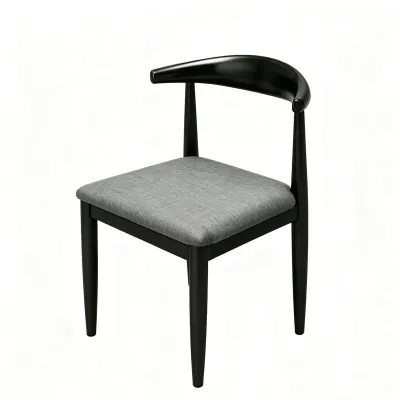
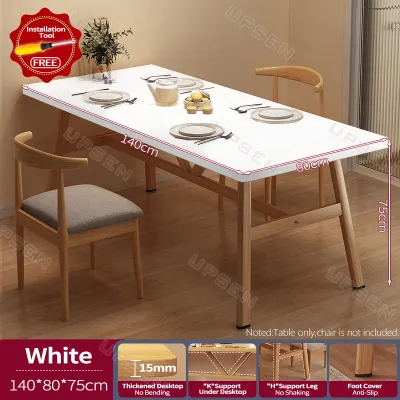
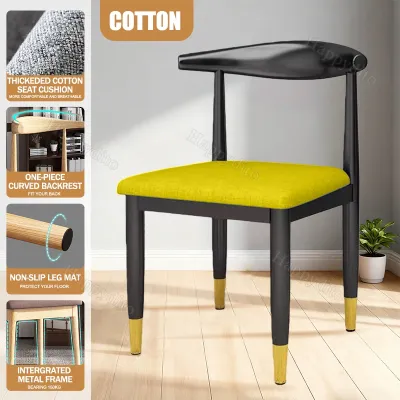
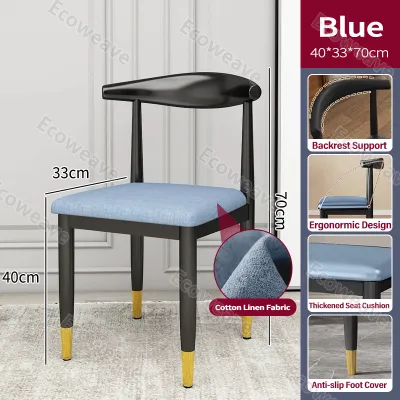
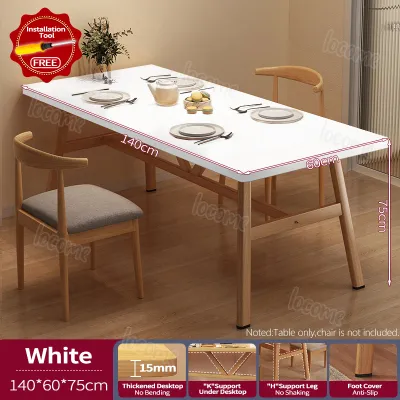
Prices are valid at publication and may change. Please refer to the product page for the latest price.
Round and oval tables offer a different dynamic but require careful calculation. A round high dining table with a diameter of 150 centimeters can comfortably seat 6 to 8 people, depending on the stool width. To accommodate 10 diners at a round table, you will need a diameter of at least 180 centimeters. Keep in mind that very large round tables can make it difficult for guests to reach dishes in the center, which is a key consideration for shared, family-style meals.
Table width is just as important as length. A standard width of 90 to 100 centimeters is recommended for high dining tables. This depth provides enough space for place settings on both sides of the table while leaving room in the center for serving platters, decorative centerpieces, and shared dishes. If the table is too narrow, diners opposite each other may find their glassware and plates clashing.
The design of the table base also heavily influences the actual seating capacity. Pedestal bases or trestle designs are highly efficient because they eliminate corner legs, allowing you to slide stools freely along the entire perimeter of the table. If you choose a traditional four-legged high dining table set, measure the distance between the legs rather than just the overall tabletop dimensions. Corner legs can restrict where stools can be placed, often reducing the usable seating capacity by blocking the end seats.
Evaluating Your Room and Clearance Space
A table that fits your guests but crowds your room will quickly become a source of frustration. To maintain a comfortable flow, aim for a minimum clearance of 90 centimeters between the edge of the table and the nearest wall, buffet cabinet, or doorway. A clearance of 120 centimeters is even better, as it allows other family members to walk behind seated guests without forcing them to tuck in their stools.

High dining chairs and bar stools require more rear clearance than standard dining chairs. Because these stools are taller, diners must slide them further back to mount or dismount comfortably. Additionally, many high stools feature flared legs or wider bases to ensure stability and prevent tipping, which increases their physical footprint. Failing to account for this extra rear clearance can result in stools constantly scuffing your walls or blocking major walkways.
In tropical climates like the Philippines, maintaining open space around your dining set also aids in air circulation. Whether you rely on natural ventilation, ceiling fans, or air conditioning, a cramped dining area can quickly feel warm and stuffy when fully occupied by 10 people. Ensuring generous clearance around the table helps keep the dining environment cool and pleasant during long family meals.
Before finalizing your purchase, map out the delivery route from your entrance to the dining room. High dining tables, especially those designed for 8 to 10 people, often feature large, heavy tabletops that cannot be easily maneuvered through tight spaces. Measure the height and width of your doorways, hallways, stairwells, and elevator cabins. Verify with the manufacturer or retailer whether the table legs or base can be detached for easier transport and on-site assembly.
Choosing the Right Shape and Configuration
The shape of your high dining table set should complement the proportions of your dining room. Rectangular tables are highly efficient for long, narrow spaces and can be pushed against a wall to save space when you are not hosting a large group. Round and oval tables are excellent for square rooms or open-concept living areas, as their curved edges soften the room’s lines and encourage a more social, conversational atmosphere where everyone can see each other.
If you only host large gatherings of 10 people occasionally, an extendable high dining table set is a highly practical solution. These tables allow you to maintain a compact footprint for daily family use—typically sized for 6 people—and expand the tabletop using built-in leaves when guests arrive. This flexibility prevents your dining room from feeling permanently overcrowded by a massive piece of furniture.
When evaluating extendable high dining tables, pay close attention to the stability and quality of the extension mechanisms. Because high dining tables have a higher center of gravity than standard tables, any structural weakness is magnified when the table is fully extended. Check the manufacturer’s specifications regarding the leaf storage system (such as butterfly leaves or drop leaves) and ensure the locking hardware is robust. The table should remain stable and level, even when the extension is fully loaded with heavy serving dishes.
In humid environments, wood can naturally expand and contract. If you are choosing a wooden extendable table, verify that the extension glides and alignment pins are made of durable, rust-resistant materials. High-quality hardware ensures that the table remains easy to open and close over years of use, preventing the leaves from jamming or warping due to seasonal humidity changes.
Final Verification Checklist Before Purchase
To ensure your new high dining table set meets all your expectations, run through this practical checklist before placing your order:
- Verify Exact Dimensions: Compare the manufacturer's specified tabletop length, width, and leg spacing against your physical floor plan measurements. Do not rely on generic seating estimates.
- Check Height Compatibility: Ensure your stools match the table height. For a counter-height table (90 cm high), select stools with a seat height of 60 to 65 cm. For a bar-height table (100 to 105 cm high), select stools with a seat height of 75 to 80 cm. This maintains a comfortable 25 to 30 cm gap for legroom.
- Inspect for Structural Obstructions: Check the product photos and diagrams for low stretchers, crossbars, or thick aprons under the tabletop. Ensure these structural elements do not interfere with your ability to tuck the stools completely under the table when not in use.
- Assess Floor Load and Stability: Confirm that the table base is heavy and stable enough to support the extended tabletop without wobbling, especially on tiled or wooden floors.
- Confirm Assembly Requirements: Check if the table requires professional assembly or specialized tools, and verify that all hardware and instructions are included in the package.
Frequently Asked Questions (FAQ)
Can I use standard dining chairs with a high dining table?
No, standard dining chairs are not compatible with high dining tables due to the significant height mismatch. Standard dining chairs typically have a seat height of 45 centimeters, which is designed for standard 75-centimeter-high tables. If you pair them with a counter-height table (90 centimeters) or a bar-height table (105 centimeters), diners will sit too low to reach their plates comfortably. Always check the manufacturer’s specifications to ensure your seating matches the exact height category of your high dining table set.
How do I safely clean and maintain the finish of a high dining table?
To protect the finish of your high dining table, always consult the manufacturer’s specific care label and product instructions before applying any cleaning agents. For general maintenance, wipe the surface regularly with a soft, damp microfiber cloth and a mild, non-abrasive soap solution to remove food residue and spills immediately. Avoid using harsh chemical cleaners, bleach, or abrasive scrubbing pads, which can strip the protective topcoat. In humid climates, keeping the table dry and wiping away standing moisture promptly helps prevent warping and joint damage.

Community discussion
Share your experience or ask a question. Comments are reviewed before publication.