
Finding the right bed frame and mattress set for a compact condominium bedroom is a balancing act between personal sleeping comfort and daily physical mobility. In many modern Philippine condos, bedroom footprints are highly optimized, meaning a single oversized piece of furniture can quickly make the entire space feel cramped and difficult to navigate. To prevent overcrowding, the ideal setup must leave enough open floor area for comfortable movement while accommodating your preferred sleeping style.
The key to achieving this balance lies in understanding how standard mattress sizes translate to actual bed frame dimensions, and how those dimensions interact with your room’s unique layout. By prioritizing precise measurements, calculating essential walking clearances, and selecting space-saving frame designs, you can create a restful sanctuary that feels open, organized, and highly functional.
Measuring Your Condo Bedroom for a Bed Set
Before browsing online marketplaces or visiting local furniture showrooms, you must conduct a thorough physical assessment of your bedroom. Start by measuring the total length and width of the floor space using a reliable steel tape measure. Do not rely solely on the floor plans provided by your developer, as actual finished wall-to-wall dimensions can vary slightly due to plastering, baseboards, or structural columns.
Products mentioned in this guide


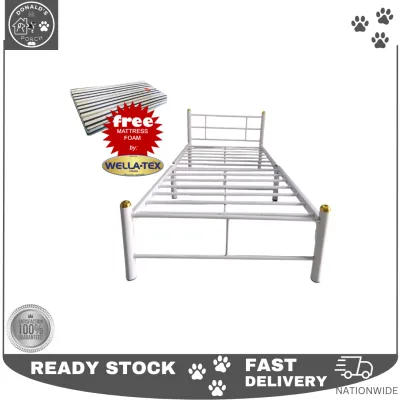

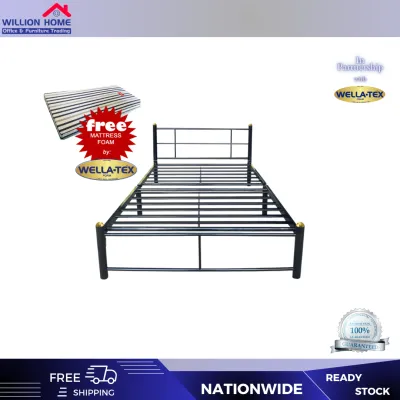

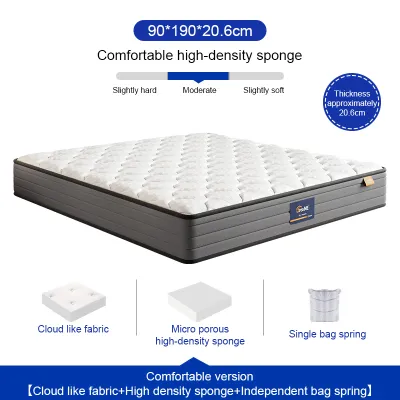

Prices are valid at publication and may change. Please refer to the product page for the latest price.
As you map out the room, pay close attention to the swing paths of all doors. This includes the main bedroom entry door, built-in closet doors, and even bathroom doors if you have an en-suite layout. A bed frame that blocks a door from opening fully is not only inconvenient but also a safety hazard. Additionally, note the location of low-hanging windows, electrical outlets, light switches, and wall-mounted air conditioning units. You will want to ensure your headboard does not block access to these essential features or disrupt the airflow from your cooling system.
Next, calculate the required walking clearance around the bed. For a comfortable and safe pathway, aim for a minimum of 60 to 75 centimeters of open space on all active sides of the bed. This clearance allows you to walk naturally without turning sideways, makes changing the bed sheets much easier, and provides enough room to open wardrobe drawers or cabinet doors fully. If space is exceptionally tight, you may have to compromise by pushing one side of the bed against a wall, but keeping at least one wide pathway open is crucial for maintaining an airy feel.
Finally, remember to account for the bed frame’s actual footprint. Many buyers make the mistake of assuming a bed frame takes up the exact same space as the mattress. In reality, the frame’s outer dimensions—often referred to as the finished dimensions—can extend significantly beyond the mattress. Wooden frames, upholstered panels, and sleigh-style designs can add anywhere from 5 to 20 centimeters to both the width and length of the bed. Always verify these outer measurements against your calculated floor clearance before making a purchase.
Comparing Standard Bed Frame and Mattress Set Dimensions
Selecting the right size of a bed frame and mattress set requires a realistic look at standard dimensions and how they fit into typical condo layouts.

Single and Twin sizes (typically measuring 36 by 75 inches, or approximately 91 by 190 centimeters) are the most space-efficient options for solo sleepers, studio apartments, or secondary bedrooms. A Twin XL, which adds about 5 inches (13 centimeters) of length, is excellent for taller individuals. These compact sizes maximize open floor area, leaving plenty of room for a study desk, a wardrobe, or a vanity. If your bedroom is narrow or serves multiple purposes, a single or twin set is often the most practical choice to prevent a claustrophobic atmosphere.
A Full or Double bed frame and mattress set (typically 54 by 75 inches, or 137 by 190 centimeters) serves as a highly versatile middle-ground. It offers a generous amount of sleeping space for solo sleepers who like to stretch out, and it can comfortably accommodate couples who do not mind sleeping close together. In a small condo bedroom, a double bed often strikes the perfect balance, providing a cozy sleeping surface while still leaving enough perimeter space for standard walking pathways and basic bedroom furniture.
A Queen set (typically 60 by 75 inches, or 152 by 190 centimeters) is the standard choice for couples, but it requires strict clearance planning in a compact condo. Before choosing a queen bed, you must verify that your room can accommodate its width without blocking closets or entryways. In many modern condo master bedrooms, a queen set is the absolute maximum viable size. To make it work without overcrowding, you may need to opt for a minimalist frame design, utilize sliding closet doors, or eliminate bulky bedside tables entirely.
King-sized beds and larger variations (typically 72 by 78 inches, or 183 by 198 centimeters) are generally incompatible with small condo bedrooms. Unless your floor plan features an exceptionally wide layout with unobstructed walls, a king bed will likely swallow the entire room. It can block essential pathways, cover power outlets, and make it impossible to place any other furniture in the space. For small condo living, it is usually best to avoid king-sized sets to preserve your daily comfort and mobility.
Space-Saving Bed Frame Features to Consider
When floor space is limited, the design of your bed frame becomes just as important as its physical dimensions. Choosing a frame with built-in space-saving features can dramatically improve the functionality of your bedroom without requiring you to downsize your mattress.
One of the most effective options is a bed frame with integrated storage. These designs typically feature built-in drawers on the sides or foot of the bed, or a hydraulic lift mechanism that allows you to lift the entire mattress platform to reveal a spacious storage compartment underneath. This under-bed space is perfect for storing extra bed sheets, seasonal clothing, luggage, or household items. By utilizing this otherwise wasted area, you can reduce or even eliminate the need for a standalone chest of drawers or a bulky wardrobe, freeing up valuable floor space and reducing visual clutter.
Low-profile or platform bed frames are another excellent choice for small rooms. By keeping the mattress closer to the floor, these designs increase the vertical distance between the bed and the ceiling. This extra overhead space creates an illusion of a larger, more open room volume, making a compact bedroom feel less restrictive. Platform beds also eliminate the need for a bulky box spring, keeping the overall profile clean and minimalist.
You might also consider frames with integrated headboard shelves or built-in reading lights. These smart designs allow you to skip traditional bedside tables entirely, saving up to 30 to 50 centimeters of width on either side of the bed. This saved space can be the deciding factor in whether a larger mattress size, like a double or queen, can comfortably fit into your room layout.
In the warm and humid climate of the Philippines, it is important to check the material and construction of your storage bed frame. Look for frames made with moisture-resistant finishes or those that feature ventilation slots in the storage compartments. Proper airflow helps prevent moisture buildup, protecting both your stored items and your mattress from mold or mildew.
Common Sizing and Layout Mistakes to Avoid
To ensure your bedroom remains a comfortable and functional space, avoid these common pitfalls when selecting and positioning your bed frame and mattress set.
A frequent mistake is assuming that the outer dimensions of a bed frame are identical to the mattress size. Many buyers purchase a queen mattress and a matching frame, only to find that the frame’s decorative wooden borders or thick upholstered headboard add just enough extra length to block the bedroom door from opening. Always check the manufacturer’s detailed specifications for the finished outer dimensions of the frame before finalizing your purchase.
Another common error is obstructing essential room features. Placing a bed frame directly over electrical outlets, light switches, or telephone jacks can make them unusable or create safety hazards with bent power cords. Similarly, ensure the headboard does not block the airflow of your wall-mounted air conditioner or prevent you from opening and cleaning your windows. Proper ventilation is crucial for maintaining a comfortable indoor climate, especially during the hot and humid months.
Avoid choosing heavily ornamented, bulky, or dark-colored bed frames. Sleigh beds, wide poster beds, and thick, dark upholstered frames tend to dominate a room visually, making the space feel significantly smaller than it actually is. Instead, opt for clean lines, light-colored woods, or slim metal frames that allow light to pass through and maintain a sense of openness.
Finally, do not overlook the logistics of delivery and assembly. Condo living often involves navigating narrow hallways, tight stairwells, and small service elevators. Before ordering a large, solid, or pre-assembled bed frame, measure your condo building’s elevator doors and entryway clearances. Choosing a flat-packed frame that can be easily transported and assembled directly inside your bedroom will save you from the frustration of a delivery that cannot reach your front door.
Frequently Asked Questions (FAQ)
Can I use a queen bed frame and mattress set in a very small condo bedroom?
Yes, you can use a queen set, but it requires careful layout planning and a minimalist frame design. To prevent overcrowding, ensure you have at least 60 centimeters of walking clearance on the sides of the bed you need to access. You may need to push one side of the bed directly against a wall, replace swinging closet doors with space-saving sliding doors, and choose a slim platform frame without a bulky headboard to maximize every available centimeter.
Does a bed frame with built-in storage make a small room feel more crowded?
While a storage bed frame has a solid base that can look visually heavier than an open-legged frame, it actually helps reduce overall room crowding. By utilizing the space directly under your mattress for storage, you can eliminate other bulky furniture pieces like dressers or extra cabinets. This trade-off results in more open floor space and less visual clutter throughout the rest of the bedroom, making the room feel larger and more organized.

Community discussion
Share your experience or ask a question. Comments are reviewed before publication.