
Finding a practical small table for a compact kitchen in the Philippines requires a careful balance of spatial planning, functional design, and material resilience. In many local homes—ranging from high-rise studio condominiums in metropolitan areas to cozy townhouse kitchens—floor space is at a premium. The challenge is not merely about choosing the smallest piece of furniture available; it involves selecting a style that accommodates daily meal preparation and dining while preserving comfortable movement throughout the room. By understanding how different table configurations interact with your kitchen’s layout and verifying how materials withstand tropical humidity, you can make an informed purchase that enhances your home’s efficiency.
Assessing Your Kitchen Space and Traffic Flow
To ensure a comfortable dining experience, measure the exact footprint of the designated dining area before browsing options. A common mistake is measuring only the table’s physical dimensions without accounting for the space required to pull out chairs and sit down. As a general rule, allocate at least 60 to 90 centimeters of clearance on all sides of the table where seating is planned. This clearance allows individuals to sit comfortably and slide their chairs back without striking walls, cabinets, or appliances.
Walkway widths are equally critical for maintaining a safe and functional kitchen. In a busy cooking area, pathways should ideally remain at least 90 centimeters wide to allow safe passage, especially when carrying hot dishes or groceries. If your kitchen is a high-traffic zone, you may need to opt for a narrower table or a folding design that can be tucked away when not in use.
Products mentioned in this guide
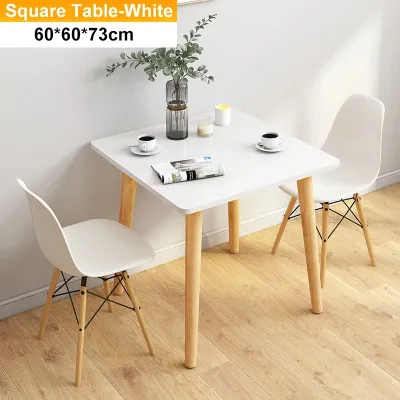
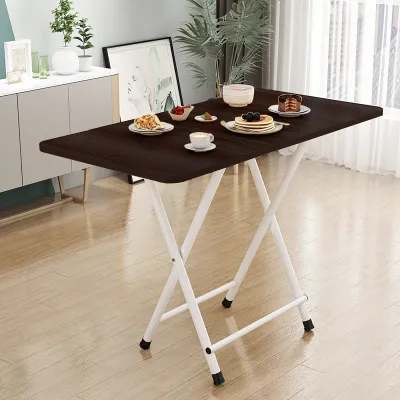
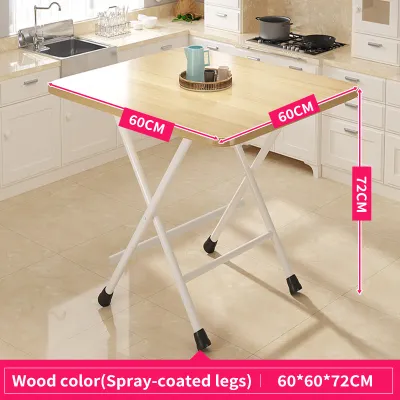
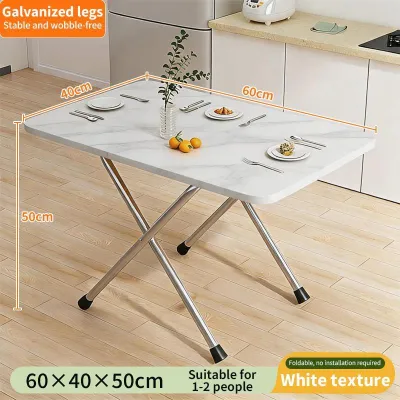
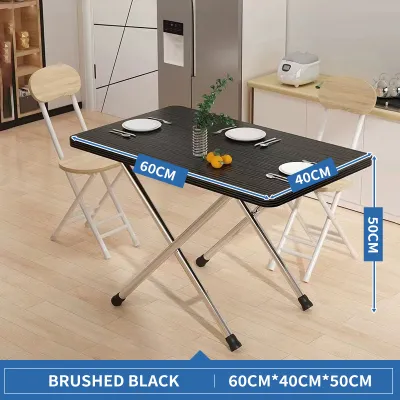
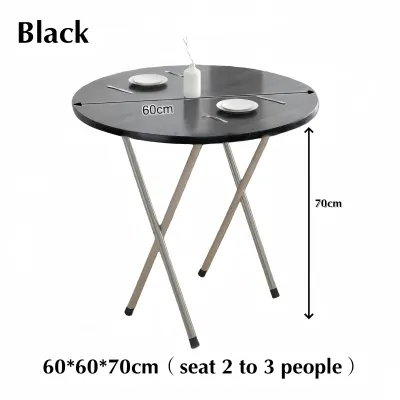
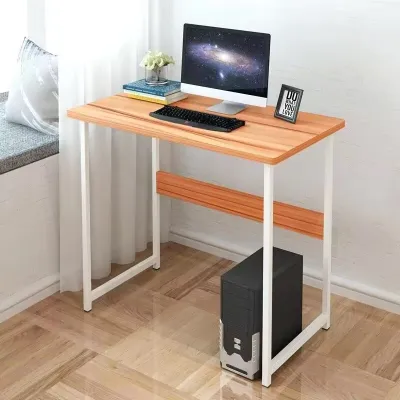
Prices are valid at publication and may change. Please refer to the product page for the latest price.
Defining the table’s primary role helps narrow down your choices. Will it serve strictly as a two-person dining spot, or must it double as an extra food preparation surface? If it is a multi-purpose station, height and surface durability become primary considerations.
Finally, map out the physical environment of your kitchen. Check the swing paths of nearby doors, refrigerator doors, oven doors, and lower cabinet drawers. Ensure that when these doors are fully open, they do not collide with the table or seating. Additionally, consider ventilation clearances; in Philippine kitchens, proximity to cooking stoves, LPG tanks, or wall-mounted fans must be evaluated to prevent heat damage or safety hazards.
Space-Saving Table Styles for Compact Layouts
The structural design of a table determines how much physical and visual space it occupies. Different base configurations—such as four-legged frames, trestles, or central pedestals—interact uniquely with compact layouts. Matching the table’s mechanism and shape to your specific kitchen layout (whether it is a narrow galley, an L-shaped corner, or a single-wall setup) is key to maintaining an open, functional room.

Drop-Leaf and Folding Tables
Drop-leaf and folding tables offer practical versatility for compact spaces because they can adapt to changing daily needs. These tables feature hinged sections (leaves) that can be raised and locked into place for dining, then folded down flat against the table frame when the meal is over. This flexibility allows you to reclaim valuable floor space during non-dining hours.
When evaluating a drop-leaf table, pay close attention to the hinge mechanisms and locking features. Look for robust metal hinges and secure support brackets, such as wooden pull-out slides or metal gateleg supports. The locking mechanism must engage firmly to prevent the leaf from collapsing unexpectedly under weight.
Assess the table’s storage footprint when fully collapsed. Some folding tables fold down to a width of just a few centimeters, allowing them to be tucked into a closet or placed flat against a wall. Others retain a small central console that can serve as a narrow shelf even when the leaves are down.
Verify the manufacturer’s specified weight capacity for the extended leaves. Because these sections rely on cantilevered supports rather than direct vertical legs, they generally support less weight than the center of the table. Ensure the rated capacity is sufficient for heavy serving dishes, laptops, or food preparation equipment.
Wall-Mounted and Floating Tables
Wall-mounted or floating tables are anchored directly to a vertical surface, eliminating the need for floor legs entirely. This design maximizes legroom and leaves the floor underneath completely clear, making the kitchen feel larger and easier to sweep or mop.
Successful installation depends heavily on the structural integrity of your wall. In the Philippines, kitchen walls are commonly constructed from concrete, hollow blocks, or drywall with timber or metal studs. For concrete or masonry walls, you must use appropriate masonry wall plugs and heavy-duty screws. For drywall, the mounting brackets must be anchored directly into the wall studs; mounting solely into plasterboard or drywall sheets will not support the weight of the table and its contents.
Evaluate the durability of the folding brackets. Look for heavy-duty steel or stainless steel folding brackets with a reliable locking latch. The brackets should operate smoothly, allowing you to fold the table flat against the wall with minimal effort.
Before mounting, check that the folded table will not interfere with baseboards, electrical outlets, or lower cabinet doors. Ensure the height is comfortable for your chosen seating—whether standard dining chairs or bar stools—and that the table does not block natural light or ventilation pathways when folded upward or downward.
Bistro and Pedestal Tables
Bistro and pedestal tables are characterized by a small, often round or square tabletop supported by a single central column. This design is highly suited for tight corners, alcoves, or small two-person dining nooks because the absence of corner legs makes it easier to slide chairs in and out.
The primary consideration for any pedestal table is base stability. Because the entire structure relies on a single central support, a narrow or lightweight base can make the table prone to tipping if someone leans heavily on the edge. Look for tables with a heavy, wide base—often made of cast iron, solid steel, or weighted wood—that extends outward to distribute the weight safely.
Assess the under-table clearance. While pedestal tables offer excellent legroom because there are no corner legs to bump into, the central column itself can sometimes restrict how far chairs can be pushed underneath. Measure the diameter of the base to ensure it does not prevent your chairs from tucking in fully when not in use.
Additionally, check the base design for compatibility with your flooring. If your kitchen floor has uneven tiles, grout lines, or thick floor mats, look for pedestal bases equipped with adjustable leveling feet. These small screw-in glides allow you to stabilize the table on uneven surfaces, preventing annoying wobbles during meals.
Evaluating Materials and Durability for Local Conditions
The tropical climate of the Philippines—characterized by high relative humidity, elevated temperatures, and seasonal moisture fluctuations—presents unique challenges for kitchen furniture. Kitchens are already high-moisture environments due to cooking steam, dishwashing, and frequent spills, making material selection critical for long-term durability.
Rather than relying solely on generic material names like “wood” or “engineered wood,” check the manufacturer’s specifications for protective finishes and moisture-resistant treatments. For solid wood tables, look for surfaces sealed with polyurethane, marine-grade varnish, or water-resistant oils. If choosing engineered wood, such as medium-density fiberboard (MDF) or particleboard, ensure it is specified as moisture-resistant (often labeled as MR MDF) and that all edges are completely sealed with high-quality edge banding to prevent water from penetrating and causing the material to swell or delaminate.
Inspect the construction of the joints and the quality of the hardware. In humid conditions, standard steel screws and hinges can rust quickly, compromising the structural integrity of the table. Look for hardware made of stainless steel, brass, or powder-coated metals that resist corrosion. Check that joints are reinforced with corner blocks or dowels rather than simple glue and staples, which can weaken when exposed to moisture over time.
Review the manufacturer’s care instructions to ensure they align with your daily kitchen routine. A kitchen table must withstand regular cleaning with mild detergents and damp cloths. Avoid materials that require highly specialized maintenance or are easily damaged by heat. If you plan to place hot pots or rice cookers on the table, verify that the surface finish can handle moderate heat, or plan to use heat-resistant trivets and placemats to protect the surface from discoloration or bubbling.
Verifying Dimensions and Logistics Before Buying
Before finalizing your purchase, double-check all physical dimensions and logistical requirements to avoid costly mistakes. Cross-reference the manufacturer’s listed product dimensions—including height, width, and fully extended length—with your measured kitchen space. Use painter’s tape or newspaper templates on the floor to visualize the table’s actual footprint and ensure that chair clearance and walkways remain unobstructed.
Consider the delivery process, particularly if you live in a multi-story condominium, apartment complex, or a home with narrow access points. Measure the width and height of your doorways, hallways, elevator doors, and stairwells to ensure the packaged table can be transported safely to your unit. Some tables are delivered fully assembled, while others require flat-pack assembly. If assembly is required, check if the necessary tools are included or if you will need basic household tools like a screwdriver or hex key.
When comparing prices in Philippine Pesos (₱), look beyond the base price of the table. Factor in potential shipping fees, especially for heavy or bulky furniture items delivered to provincial areas. Verify the seller’s warranty coverage against manufacturing defects and review their return policy for items damaged during transit. A clear return policy is essential when purchasing furniture online, as it protects you if the product arrives with structural damage or missing hardware.
Frequently Asked Questions (FAQ)
Can a small kitchen table double as a prep island?
Yes, a small kitchen table can serve as a preparation island, provided it meets specific height and material requirements. Standard dining tables typically stand at 75 centimeters high, which may cause back strain during prolonged chopping or mixing tasks. For ergonomic food preparation, a counter-height table (around 90 centimeters) is more suitable. Additionally, ensure the tabletop material is hygienic, non-porous, and easy to sanitize. Materials like sealed solid wood, stainless steel, or high-pressure laminates are ideal, as they resist moisture and food stains. Always use a cutting board to protect the surface from knife marks, and verify that the table’s base is stable enough to remain stationary during active food prep.
How do I protect a wooden table from kitchen humidity?
Protecting a wooden table in a humid kitchen environment requires consistent maintenance and preventative care. Start by verifying that the wood is sealed with a moisture-resistant finish, such as polyurethane or a specialized wood wax, and reapply the finish according to the manufacturer’s recommended schedule. Keep the table away from direct steam sources, such as rice cookers, kettles, or stoves, as concentrated moisture can cause the wood to warp or the finish to cloud. Wipe up spills immediately with a dry or slightly damp microfiber cloth; avoid leaving standing water on the surface. When cleaning, use mild, pH-neutral soap and avoid harsh chemical cleaners that can strip away the protective sealant.

Community discussion
Share your experience or ask a question. Comments are reviewed before publication.