
Choosing between SMGC and other no-drill storage brands for your Philippine condo comes down to matching the adhesive technology with your specific wall surfaces, expected weight loads, and budget. Because no independent laboratory tests exist to declare a single universal winner, your decision should rely on verifying manufacturer specifications and understanding how tropical humidity affects different mounting systems.
Condo living often requires maximizing vertical space without violating strict lease agreements or damaging delicate walls. No-drill storage solutions offer an appealing alternative to traditional drilling, but their performance is highly dependent on environmental factors and installation techniques. By carefully evaluating the technical specifications of SMGC and its competitors, you can select a system that keeps your items secure without risking your security deposit.
Understanding No-Drill Adhesion in Condo Environments
Condo walls in the Philippines typically feature painted concrete, drywall, smooth ceramic tiles, or glass. Each surface interacts differently with adhesive backings. Smooth, non-porous surfaces like glass and glazed tiles provide the strongest bond for suction cups and acrylic tapes, while painted masonry or drywall presents a higher risk of paint peeling under load.
Products mentioned in this guide
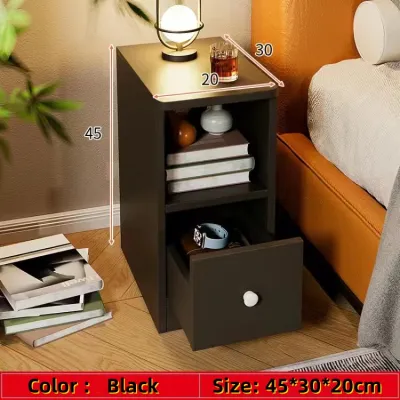
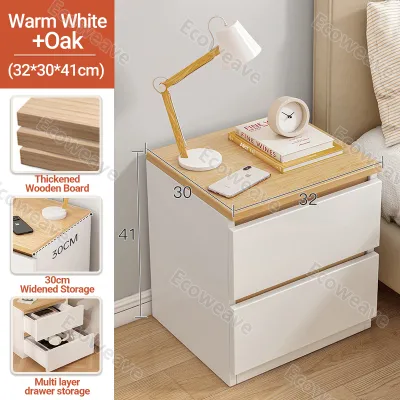
Prices are valid at publication and may change. Please refer to the product page for the latest price.
Temporary adhesive hooks generally use rubber-based adhesives that are easy to remove but sensitive to heat. Heavy-duty mounting tapes often utilize acrylic foam cores that conform to minor surface irregularities and offer higher shear strength, though they are more difficult to remove cleanly. Suction-based alternatives rely on airtight seals, making them highly reusable but completely ineffective on textured or porous surfaces.
The tropical climate in the Philippines introduces high relative humidity and temperature fluctuations, especially in non-airconditioned spaces or bathrooms. Moisture can seep behind adhesive pads over time, softening the bonding agent and reducing its overall lifespan. Selecting moisture-resistant adhesive formulations is crucial for maintaining a reliable hold in these environments.
Furthermore, the condensation that builds up during hot, humid days can create a micro-barrier of water between the adhesive and the wall. This is particularly common in high-rise condos where ventilation may be limited to a single exhaust fan. Understanding these environmental challenges helps you set realistic expectations for any adhesive product, regardless of the brand name on the packaging.
Comparing SMGC and Competing Brands: Key Specifications to Check
When evaluating SMGC against other brands, look closely at the manufacturer’s stated weight capacity. These ratings are typically determined under ideal laboratory conditions on clean, polished glass. For daily use in a condo, it is safest to calculate a working load limit of about half the advertised capacity to account for dynamic forces, such as pulling on a towel or placing a bottle down heavily.

Compare the total surface area of the adhesive base plate. A larger base plate distributes weight across a wider section of the wall, reducing the stress on any single point of the adhesive. If SMGC offers a wider mounting bracket than a competitor for a similar shelf size, the wider bracket will generally provide a more stable hold on vertical surfaces.
Examine the structural materials of the storage unit itself. Bathrooms and kitchens require rust-resistant materials like space aluminum, high-grade ABS plastic, or treated stainless steel. Check the product specifications to ensure the metal components are rated for high-moisture areas, as rust can compromise both the aesthetic and the structural integrity of the shelf.
Pay close attention to the joint construction of the shelves. Welded joints on wire baskets should be smooth and free of gaps, as poorly finished welds can trap moisture and accelerate corrosion. For plastic components, look for thick-walled ABS that resists warping under the weight of heavy shampoo bottles or kitchen jars.
Additionally, check the design of the mounting bracket interface. Some brands use a slide-and-lock mechanism that allows you to easily slide the shelf off the adhesive pad for cleaning. This feature is highly practical, as it prevents you from pulling on the adhesive pad itself when wiping down the shelves, thereby preserving the integrity of the bond.
Evaluating True Value: Price per Unit and Longevity
To determine the true value of SMGC products compared to alternatives, calculate the cost per usable storage unit rather than comparing package prices. A multi-pack that costs more upfront may offer a lower price per hook or shelf in ₱, making it more economical if you have multiple areas to organize.
Consider the long-term availability of replacement adhesive pads. Many no-drill storage systems must be discarded or mounted with third-party tapes if the original adhesive fails or if you decide to relocate the shelf. Check online marketplaces to verify if the brand sells official replacement adhesive sheets separately, as this significantly extends the product’s lifespan.
Review the seller’s return policies and guarantees regarding adhesive performance. Brands that offer clear customer support channels or replacement guarantees for adhesive failure within a specific window provide better protection for your investment, especially when dealing with the unpredictable humidity of local condo bathrooms.
Factor in the potential cost of wall repairs when calculating overall value. A cheap, unbranded adhesive hook that fails and tears away a chunk of painted drywall can end up costing far more in repair materials or lost rental deposits than a slightly more expensive, reputable system designed for clean removal. Investing in a brand with clear removal guidelines is a form of financial protection.
Installation and Surface Compatibility Checklist
Successful installation begins with meticulous surface preparation. Clean the target area thoroughly with isopropyl alcohol to remove grease, soap scum, and dust, then allow it to dry completely. Avoid using household glass cleaners, as they often leave behind a thin residue that prevents the adhesive from bonding fully.
Observe the required curing time before placing any weight on the newly installed shelf. Most high-performance acrylic adhesives require at least 24 to 72 hours to cure and reach maximum bond strength. Loading the shelf prematurely is the most common cause of sudden adhesive failure.
Know when to avoid no-drill adhesives entirely. If your condo walls feature textured plaster, delicate wallpaper, or freshly applied paint, adhesive pads are highly likely to fail or cause significant surface damage. In these scenarios, consult your property management guidelines regarding minor drilling or opt for freestanding storage solutions instead.
When applying the adhesive pad, start from the center and press firmly outward to the edges. This technique forces out any trapped air bubbles, which can create weak spots in the bond. For suction-based systems, ensure the mounting surface is completely non-porous and free of microscopic scratches that could allow air to slowly leak into the vacuum chamber.
Decision Framework: Which No-Drill Solution Fits Your Space?
Choose SMGC if their specific product dimensions, modular configurations, or aesthetic designs align perfectly with your condo’s layout. When space is limited, finding a shelf that fits exactly into a narrow niche or corner is often more valuable than minor differences in adhesive chemistry.
Opt for competing brands if they provide readily available, brand-specific replacement pads on local ecommerce platforms, or if they offer specialized mounting hardware tailored to your specific wall type. Having easy access to spare parts ensures you can reuse the storage units if you rearrange your space.
If you are renting your condo, prioritize brands that provide explicit, step-by-step removal instructions and have a track record of leaving zero residue. Protecting your security deposit requires a mounting system that can be safely detached without tearing away the underlying paint or plaster.
For high-humidity zones like the inside of a shower enclosure, prioritize brands that utilize thick, waterproof acrylic adhesive pads over those using standard double-sided foam tape. If you are organizing a dry pantry, a simpler, more cost-effective rubber-based adhesive hook may be entirely sufficient, allowing you to allocate your budget to more demanding areas of the home.
Frequently Asked Questions (FAQ)
How do I remove adhesive storage without peeling condo paint?
To remove adhesive pads safely, use a handheld hair dryer to apply direct heat to the bracket for several minutes. The heat softens the adhesive backing, allowing you to gently pry the bracket away from the wall using a plastic putty knife or dental floss. Clean any remaining sticky residue with a mild adhesive remover or rubbing alcohol.
Can no-drill shelves hold heavy appliances like microwaves?
No-drill adhesive shelves are generally not designed to support heavy, high-value, or vibrating appliances like microwave ovens. The constant vibration from operation, combined with the heat generated by the appliance, can rapidly degrade the adhesive bond, posing a severe safety hazard and risking damage to your kitchen equipment.

Community discussion
Share your experience or ask a question. Comments are reviewed before publication.