
Setting up an efficient home office in a compact space, such as a condominium in Metro Manila or a shared bedroom study corner, requires smart vertical storage. Solid wood hanging shelves offer a durable, space-saving solution that frees up valuable desk space while adding natural warmth to your workspace. However, choosing the wrong shelf can lead to sagging brackets, damaged walls, or warped wood due to local climate conditions.
To find the ideal shelving system, you must evaluate your wall construction, verify wood finishes, and measure exact dimensions before making a purchase. Since compact workspaces leave little room for error, selecting the right floating or suspended shelves depends on verifying manufacturer weight ratings and matching them to your specific installation environment. This guide outlines the essential checks and conditions to help you choose and install shelves that maximize your study area safely and stylishly.
Assessing Your Workspace: Dimensions and Clearance
Before browsing online marketplaces or local furniture shops, you must take precise measurements of your designated wall area. Using a steel measuring tape, record the exact width of the wall space directly above your desk. If your desk is 100 centimeters wide, selecting shelves that measure between 80 and 90 centimeters will keep the workspace visually balanced while preventing the shelves from protruding past the desk edges.
Products mentioned in this guide
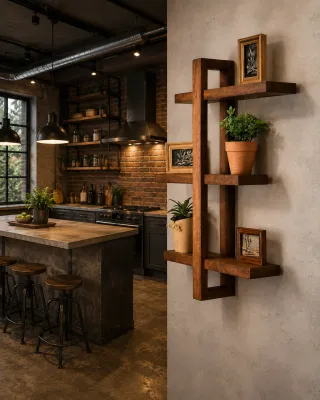
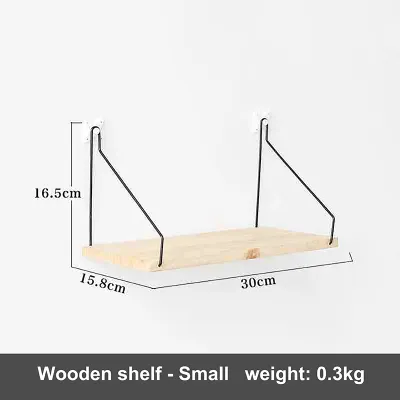
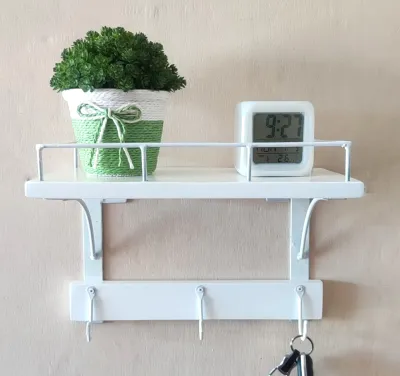
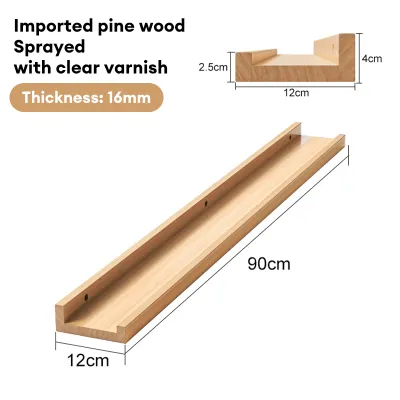
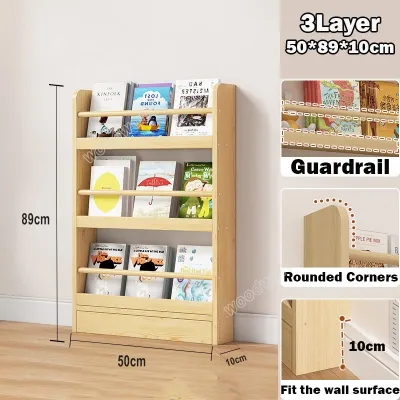
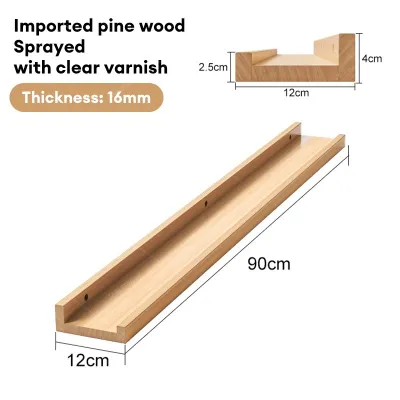
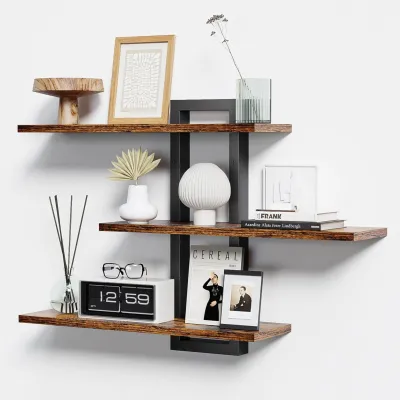
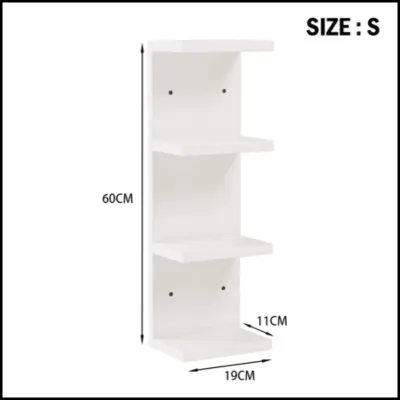
Prices are valid at publication and may change. Please refer to the product page for the latest price.
Shelf depth is equally critical for maintaining an unobstructed workflow. For a small home office, a shelf depth of 15 to 20 centimeters is generally ideal for holding standard books, notebooks, and small desk organizers. Avoid shelves deeper than 25 centimeters unless your desk is exceptionally deep; otherwise, the overhanging wood can make you feel cramped and restrict your line of sight to your monitor.
Vertical clearance requires careful calculation to prevent painful head bumps when you stand up or lean forward. Measure the distance from your desktop to your eye level while seated. The lowest hanging shelf should be installed at least 50 to 60 centimeters above the desk surface, ensuring it sits well above your computer monitor and any desktop task lights. This clearance also leaves enough room for your hands to move freely while typing or writing.
Finally, map out the swing paths of nearby doors, wardrobe panels, and window frames. In tight rooms, a shelf placed too close to a corner can block a door from opening fully or prevent window curtains from sliding smoothly. If your workspace features a split-type air conditioning unit, ensure the shelves are mounted far enough below or away from the unit to avoid blocking the downward airflow or complicating routine filter cleaning.
Evaluating Wood Materials and Surface Finishes
When shopping for solid wood hanging shelves, you will encounter various wood species, each with distinct density, weight, and grain patterns. Common local options include mahogany and acacia, which are dense hardwoods known for their durability and natural resistance to wear. Imported options like pine or rubberwood are also widely available; pine is lightweight and budget-friendly but softer and more prone to denting, while rubberwood offers a moderate density suitable for light office storage.

Beyond the wood species, you must check the construction method specified by the manufacturer. Shelves made from single, solid slabs of wood offer a premium, seamless look but are more reactive to environmental changes. Finger-jointed panels, which are constructed by interlocking and gluing smaller blocks of solid wood together, provide excellent structural stability and are less likely to bow or split over time, making them a highly practical choice for budget-conscious home offices.
Because the tropical climate of the Philippines brings high relative humidity, raw or untreated wood is highly susceptible to moisture absorption, which leads to warping, mold growth, and wood rot. Always review the product specifications to confirm that the wood has been treated with a protective sealant. Look for factory-applied finishes such as polyurethane, lacquer, or water-resistant wood oils that lock out moisture and make the surface easy to wipe clean with a dry microfiber cloth.
Avoid purchasing unfinished or raw wood shelves unless you plan to apply a high-quality wood sealer yourself before installation. Regular maintenance is also necessary to preserve the wood’s integrity over the years. Plan to inspect the finish annually, checking for dry patches or signs of moisture penetration, and avoid using harsh chemical cleaners or dripping wet cloths, which can degrade the protective topcoat and damage the underlying timber.
Wall Compatibility and Installation Safety Checks
The safety and load capacity of your hanging shelves depend heavily on the wall material they are mounted against. Residential walls in the Philippines typically fall into two categories: solid concrete or concrete hollow blocks (CHB) finished with plaster, and lightweight drywall or gypsum board partitions, which are common in newer high-rise condominiums. You must identify your wall type before purchasing hardware, as mounting methods differ drastically between them.
Solid concrete and concrete hollow block walls offer the highest load-bearing capacity but require specialized tools for installation. To mount shelves on concrete, you will need a hammer drill, masonry drill bits, and plastic wall plugs (commonly referred to as tox plugs) or metal expansion shields. The included screws must grip these plugs tightly inside the concrete to prevent the shelf brackets from pulling loose under the weight of your office supplies.
Drywall partitions require a completely different approach because they cannot support heavy loads on their own. If you are mounting shelves on drywall, you must locate the wooden or metal studs behind the gypsum board using a stud finder and screw the brackets directly into those studs. If stud placement does not align with your desired shelf position, you must use specialized heavy-duty drywall anchors, such as metal toggle bolts, rather than standard plastic plugs, which will easily tear through the soft gypsum under load.
Never attempt to guess your wall type or use incorrect hardware, as this can result in sudden structural failure, damaging your equipment and your walls. If you live in a rented apartment or condominium, consult your building administration or lease agreement regarding drilling restrictions. If you lack the necessary tools, such as a hammer drill or a level, or if you feel unsure about your wall’s structural integrity, it is best to hire a professional handyman to complete the installation safely.
Weight Capacity and Load Distribution Strategies
Every hanging shelf has a maximum weight limit determined by the manufacturer, which assumes the shelf is correctly installed using the recommended hardware. You must locate this weight rating in the product description and treat it as an absolute safety limit. For instance, a typical floating shelf with internal support rods might be rated for 5 to 10 kilograms, while a shelf supported by heavy-duty external L-brackets might support up to 20 kilograms or more.
To ensure long-term stability, you must practice smart load distribution rather than concentrating all weight in one spot. Place your heaviest items, such as thick reference textbooks, binders, or small desktop printers, directly over the bracket locations or closest to the wall. The center of the shelf span should be reserved for lighter items like stationery holders, small potted plants, or decorative frames, which minimizes the bending stress on the wood.
Be realistic about what you plan to store on your hanging shelves. While solid wood is strong, the mounting system is the actual bottleneck; heavy office equipment like laser printers, paper shredders, or large stacks of document archives are better suited for floor-standing cabinets or desk drawers. Keeping your hanging shelves reserved for active study materials and light office accessories reduces the risk of bracket fatigue and wall damage.
Regularly inspect your shelving setup for early warning signs of structural stress. Stand to the side of your desk and look along the length of the shelf to check for any visible bowing or sagging in the center of the wood. Examine the point where the bracket meets the wall; if you notice hairline cracks in the plaster, a widening gap between the shelf backing and the wall surface, or loose screws, unload the shelf immediately and reinforce the mounting hardware.
Frequently Asked Questions (FAQ)
Can solid wood hanging shelves support heavy textbooks and office equipment?
Whether a solid wood hanging shelf can support heavy textbooks and office equipment depends entirely on the manufacturer’s tested weight rating, the bracket design, and the quality of the wall installation. While the solid wood itself is highly durable and resistant to bending, the overall weight capacity is limited by how securely the brackets are anchored to your wall. Always check the product specifications for the maximum load limit and avoid placing heavy machinery like printers on floating shelves unless the manufacturer explicitly states they are rated for such loads.
How do I prevent solid wood shelves from warping in humid climates?
To prevent solid wood shelves from warping in humid tropical climates, you must ensure the wood is fully sealed with a moisture-resistant finish, such as polyurethane, varnish, or protective lacquer. When purchasing, check the product label to confirm a sealant has been applied, or apply one yourself before mounting the shelf. Additionally, maintain good air circulation in your home office by using fans, air conditioning, or dehumidifiers, and avoid mounting shelves on damp exterior-facing walls or in direct path of intense afternoon sunlight.
Are floating shelves safe for rented apartments with drywall?
Floating shelves can be installed on drywall in rented apartments, but they require specialized mounting hardware and generally support much less weight than they would on concrete walls. You must use heavy-duty toggle bolts or anchor the brackets directly into the wall studs behind the drywall to prevent the shelf from pulling out. Because drilling large holes for toggle bolts can damage rental walls, always consult your landlord or review your lease agreement first, and consider low-impact freestanding organizers if structural drilling is restricted.

Community discussion
Share your experience or ask a question. Comments are reviewed before publication.