
Quick Answer: Which Shelf Board Material Fits Your Study Room?
When designing a functional and organized study room, choosing the ideal board for shelves is a foundational decision. The right material ensures your books, files, and decorative items remain securely supported while complementing your interior design. The choice between solid wood, medium-density fiberboard (MDF), and metal depends on your budget, aesthetic preferences, and the specific environmental conditions of your home.
Solid wood offers premium, natural aesthetics and reliable structural strength, making it ideal for heavy book collections and classic study spaces. MDF provides a budget-friendly, highly customizable alternative with a smooth surface that is perfect for painted or laminated finishes, though it requires extra support over long spans. Metal delivers maximum load-bearing capacity and exceptional resistance to sagging, which suits modern, industrial designs and heavy-duty storage needs.
In the tropical climate of the Philippines, high humidity and temperature fluctuations play a major role in material longevity. Unsealed wood can warp, unprotected MDF can swell, and untreated metal can rust. Therefore, your final decision must balance these environmental factors with your storage load requirements and budget constraints, rather than looking for a single, universal winner.
Products mentioned in this guide
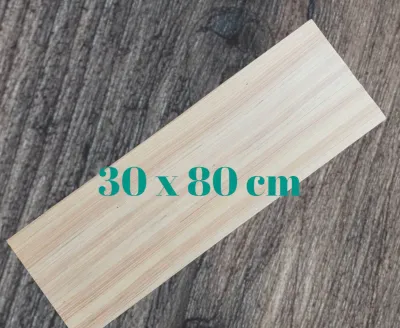
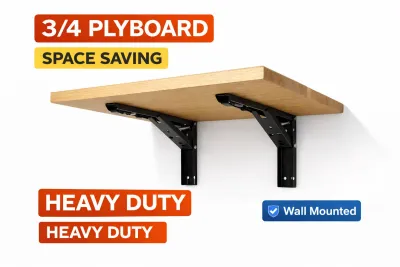
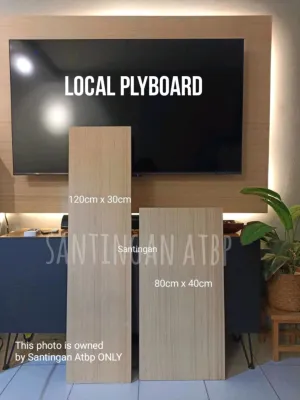

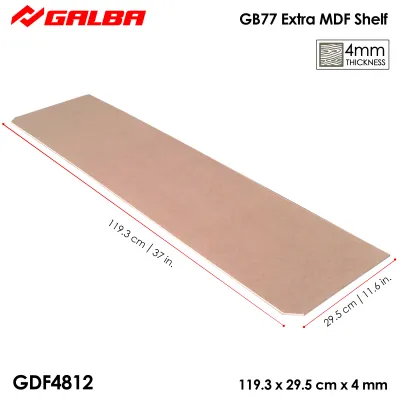
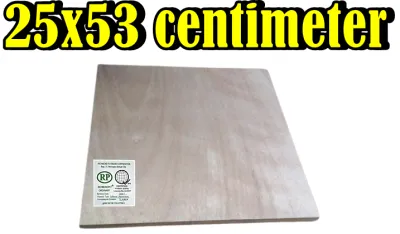
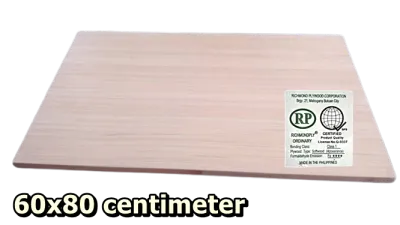

Prices are valid at publication and may change. Please refer to the product page for the latest price.
Solid Wood: Premium Aesthetics and Reliable Strength
Solid wood remains a highly sought-after material for study room shelving due to its organic beauty and structural integrity. Each piece of solid wood features unique grain patterns, textures, and color variations that add warmth and character to a home office. Beyond its visual appeal, solid wood is naturally resilient, capable of supporting heavy textbooks, binders, and collectibles without bending or sagging over time, provided the shelf spans are engineered correctly.

However, solid wood is a living material that reacts to its surrounding environment. In regions with high relative humidity, wood fibers naturally absorb moisture from the air, causing the boards to expand. Conversely, during dry spells or in air-conditioned rooms, the wood releases moisture and contracts. This continuous cycle of expansion and contraction can lead to warping, cupping, or splitting if the material is not properly prepared and maintained.
To mitigate these risks, you must look beyond the generic label of “solid wood” and verify the specific characteristics of the product. Ask the manufacturer or retailer if the wood has been thoroughly kiln-dried, a process that stabilizes the moisture content before fabrication. Furthermore, inspect the quality of the protective finish. A high-quality sealant, such as a polyurethane, lacquer, or specialized wood oil, is essential to create a barrier against ambient humidity.
Maintaining solid wood shelf boards is relatively straightforward but requires consistency. For routine care, dust the surfaces regularly with a dry, soft microfiber cloth to prevent grit from scratching the finish. Avoid using harsh chemical cleaners, abrasive pads, or excessive water, which can strip the protective sealant and damage the wood underneath. If you wish to use wood polishes or conditioners, always consult the manufacturer’s care instructions first to ensure compatibility with the existing finish.
MDF: Budget-Friendly Versatility and Smooth Finishes
Medium-Density Fiberboard (MDF) is an engineered wood product made by breaking down hardwood or softwood residuals into fine wood fibers, combining them with wax and a resin binder, and forming them into panels under high temperature and pressure. This manufacturing process results in a highly dense, uniform board with no natural knots, grain patterns, or voids. Because of this consistency, MDF is highly valued for its smooth surface, which serves as an excellent substrate for paint, wood veneers, or decorative plastic laminates.
From a budget perspective, MDF is highly accessible, often costing significantly less than solid wood. It allows homeowners to achieve a sleek, modern, or custom-colored look without a premium price tag. However, MDF has distinct structural limitations when compared to solid wood or metal. It has lower tensile strength, meaning that under heavy, continuous loads—such as rows of dense reference books—MDF is prone to a phenomenon known as “creep,” where the board gradually sags over time. To prevent this, MDF shelves require shorter unsupported spans, thicker profiles, or robust structural support brackets.
Moisture sensitivity is another critical consideration for MDF. While the face of a laminated or painted MDF board is relatively resistant to moisture, the exposed edges are highly vulnerable. If humid air or liquid water penetrates the edges, the wood fibers will absorb the moisture and swell. Once MDF swells, it loses its structural integrity and cannot easily be restored to its original shape.
When shopping for MDF shelf boards, closely examine the quality of the edge banding. High-quality PVC or ABS edge banding that is seamlessly applied to all exposed sides provides a vital barrier against tropical humidity. For maintenance, never wash MDF shelves with wet cloths or expose them to standing water. Instead, clean them using a slightly damp, well-wrung microfiber cloth, and immediately dry the surface with a separate dry towel to prevent moisture from seeping into any joints.
Metal: Heavy-Duty Capacity and Modern Durability
Metal shelf boards, typically constructed from steel or aluminum, represent the pinnacle of load-bearing performance and structural durability. Unlike wood-based materials, metal does not warp, crack, or sag under heavy loads, making it the premier choice for storing extensive libraries, heavy filing boxes, or desktop equipment. Additionally, metal is completely immune to wood-boring pests, such as termites (anay), which can be a persistent threat to wooden furniture in tropical environments.
From an aesthetic standpoint, metal shelves contribute to a clean, minimalist, or industrial design language. They can make a study room feel open and airy, especially when paired with slim vertical supports. However, metal shelves do carry some practical trade-offs. Hard objects placed on metal surfaces can create noticeable noise, and the boards can be susceptible to surface scratches if sharp items are dragged across them. Additionally, high-quality, heavy-duty metal shelving systems can carry a higher initial price point than MDF.
In humid climates, the primary threat to metal shelf boards is corrosion. Untreated steel will rust when exposed to moisture and oxygen over time. To prevent this, you must verify the type of protective coating applied to the metal. Powder-coated finishes are highly recommended, as they involve baking a dry powder onto the metal surface to create a thick, durable, and scratch-resistant barrier. Galvanized steel is another rust-resistant option, though it typically has a more industrial, utilitarian appearance.
Because metal shelves and the items they carry can be exceptionally heavy, proper installation is paramount. Before purchasing, verify that your study room walls can support the weight of the shelving system. Standard drywall or plasterboard walls require specialized heavy-duty hollow-wall anchors, or the brackets must be screwed directly into the wooden or metal wall studs. If you are mounting shelves onto concrete or solid masonry walls—which are highly common in Philippine homes—you must use appropriate masonry drill bits and expansion anchors (tox) to ensure a secure, stable installation that prevents tip-over hazards.
Material Comparison: Choosing the Best Board for Shelves in Your Study
To make an informed decision, it is helpful to compare these three materials side-by-side across the core dimensions that matter most for a study room setup. The table below outlines how solid wood, MDF, and metal perform relative to one another.
| Comparison Dimension | Solid Wood | MDF (Medium-Density Fiberboard) | Metal (Steel / Aluminum) |
|---|---|---|---|
| Relative Cost | Premium (₱₱₱) | Budget-Friendly (₱) | Mid to Premium (₱₱ – ₱₱₱) |
| Load Capacity Potential | High | Moderate (Requires shorter spans) | Very High |
| Humidity Tolerance | Moderate (Requires proper sealants) | Low to Moderate (Requires edge banding) | High (Requires powder coating) |
| Aesthetic Options | Classic, warm, natural grain | Versatile, smooth, painted/laminated | Modern, minimalist, industrial |
| Maintenance Needs | Moderate (Dusting, periodic polishing) | Low (Dry dusting, avoid wet cleaning) | Low (Wipe clean, scratch prevention) |
Note: Always verify the manufacturer’s specific weight limits and span recommendations for your chosen board for shelves, as actual load capacities vary based on board thickness, bracket spacing, and installation methods.
The Impact of Tropical Climates on Shelf Longevity
In the Philippines, the combination of high ambient temperatures and elevated relative humidity levels creates a challenging environment for furniture. Wood-based materials like solid wood and MDF are hygroscopic, meaning they constantly exchange moisture with the surrounding air. In a non-air-conditioned room, or a space that experiences dramatic temperature swings when an air conditioner is turned on and off, this moisture exchange is accelerated.
To maximize the lifespan of your shelving boards, ensure your study room has adequate ventilation. If you use solid wood, check that the underside and back edges of the boards are sealed just as well as the visible top surfaces; unsealed areas will absorb moisture unevenly, leading to rapid warping. For MDF, prioritize moisture-resistant (MR) grades if they are available, and ensure no raw fiberboard is left exposed to the air. For metal, inspect the powder coating for chips or scratches, and touch them up promptly to prevent rust from spreading beneath the paint layer.
Final Decision Guide: Matching Material to Your Needs
Selecting the right board for shelves ultimately comes down to aligning your storage needs, room conditions, and design preferences with the strengths of each material.
- Choose Solid Wood if: You want a premium, timeless aesthetic with natural wood grain, have a flexible budget, and are willing to perform basic routine maintenance to preserve the protective finish. It is ideal for displaying curated book collections, family heirlooms, and creating a warm, traditional study atmosphere.
- Choose MDF if: You are working within a strict budget, want a specific custom color or seamless painted look to match your study room decor, and plan to store moderate loads. Ensure you use shorter shelf spans or add center support brackets to prevent sagging over time.
- Choose Metal if: You need to store exceptionally heavy items like thick reference manuals, printers, or filing boxes, prefer a modern or industrial design, and want a low-maintenance material with zero risk of warping or insect damage.
Critical Pre-Purchase Checks
Before placing an order for your shelf boards, perform these practical checks to ensure a smooth delivery and installation process:
- Measure Available Space: Accurately measure the width, depth, and height of the wall area where the shelves will be installed. Ensure the shelves will not obstruct light switches, electrical outlets, or window openings.
- Verify Access Paths: Check the dimensions of your doorways, narrow hallways, stairwells, and elevator doors (especially if living in a high-rise condominium) to guarantee that long solid wood boards or pre-assembled metal shelving units can be safely transported into your home.
- Assess Wall Load Capacity: Determine whether your wall is made of concrete, brick, or drywall. Purchase the correct mounting hardware and wall anchors designed specifically for your wall type, and verify that the brackets you choose are rated to support both the weight of the boards and your intended storage items.
Frequently Asked Questions (FAQ)
Can I mix different shelf board materials in the same study room?
Yes, mixing different shelf board materials is a highly effective way to create visual interest and balance functionality in a study room. A popular design approach is combining a metal structural frame with solid wood or high-quality laminated MDF shelf boards. This hybrid style delivers the superior load-bearing capacity and stability of a metal support system while retaining the warmth and organic texture of wood surfaces. When mixing materials, ensure that the mounting hardware, brackets, and fastening screws are fully compatible with both the frame and the shelf boards to maintain structural safety.
How do I prevent MDF shelves from sagging under heavy books?
To prevent MDF shelf boards from sagging under the weight of books, you must reduce the unsupported span of the shelf. For standard 18mm-thick MDF, keep the distance between support brackets to 60 centimeters or less. If you must use longer shelves, you can increase the board thickness to 25mm, install a solid wood or metal support cleat along the back edge of the board, or add a vertical center support divider. Always distribute the weight of your books evenly across the shelf, placing the heaviest items closest to the brackets, and strictly adhere to the manufacturer’s maximum load specifications.

Community discussion
Share your experience or ask a question. Comments are reviewed before publication.