
Selecting a solid wood round coffee table for a compact living room in the Philippines requires a careful balance of physical proportions, material durability, and everyday functionality. In smaller homes, such as urban condominiums in Metro Manila or cozy townhouse developments, every square inch of floor space must be utilized efficiently. A round table naturally softens the sharp angles of a room and eliminates sharp corners that can cause painful bumps in tight quarters. However, finding the right piece involves looking beyond aesthetic appeal to evaluate actual dimensions, wood species, and structural features that suit a tropical climate. By taking a systematic approach to measuring your space and verifying product specifications, you can find a durable, beautiful centerpiece that enhances your home’s flow.
Key Dimensions and Space Planning for Compact Rooms
To ensure your living room remains comfortable and easy to navigate, you must measure the distance between the edge of your sofa and the perimeter of the coffee table. Ideally, this clearance should be between 35 and 45 centimeters. This range provides sufficient legroom for sitting and standing while keeping the tabletop within easy reach for drinks, books, or remote controls. If the space is narrower than 30 centimeters, moving around the sofa becomes awkward and restrictive, especially when carrying items. For L-shaped sectionals, a round table is particularly beneficial because it fits neatly into the corner nook without blocking the pathways along either seating section.
Beyond the immediate seating area, you must calculate the remaining walkway space around the table to guarantee safe, unobstructed passage through the room. A major thoroughfare in a living room requires a minimum clearance of 60 to 75 centimeters. In tight layouts, a round table is highly advantageous because its curved edges allow you to slip past at an angle, unlike square or rectangular tables that demand a straight path. Use painter’s tape on your floor to map out these clearances before committing to a specific table diameter. This physical template helps you visualize how much floor area remains open and ensures that cabinet doors or television consoles can still open fully.
Products mentioned in this guide
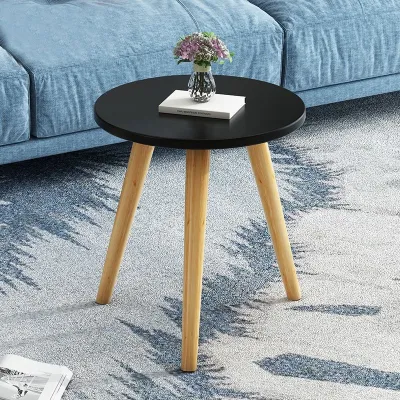
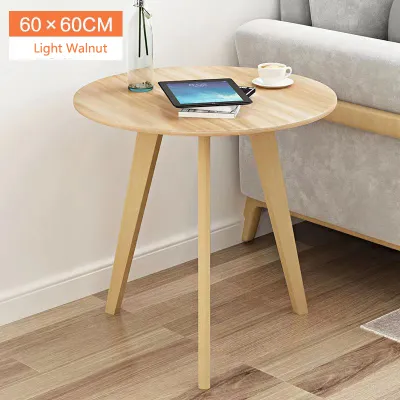
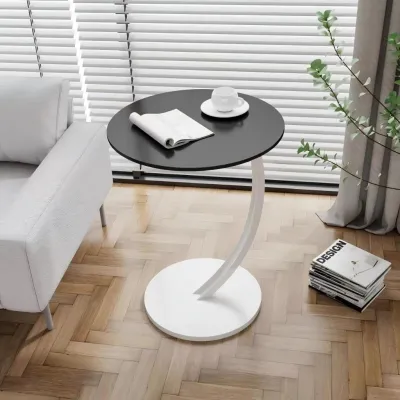
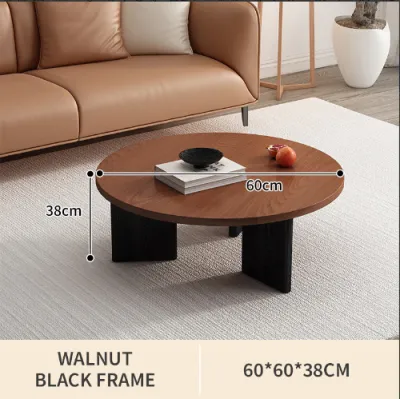
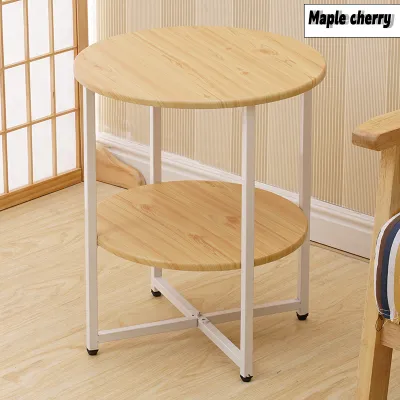
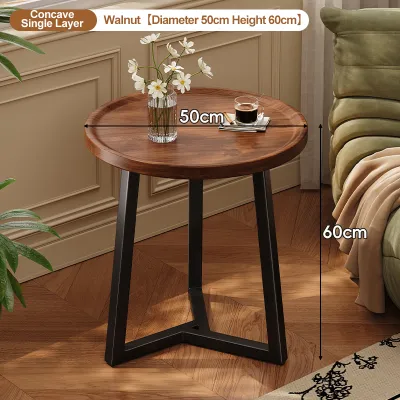
Prices are valid at publication and may change. Please refer to the product page for the latest price.
Visual weight is another critical factor that influences how open or cramped your compact living room feels. A solid wood table with a chunky pedestal base or dark, heavy wood tones can visually dominate a small room, making it feel smaller than it actually is. Conversely, a table with slender, tapered legs, an open wireframe base, or a lighter wood finish allows light and air to pass through, creating an illusion of spaciousness. When selecting a table, consider how the base design and wood tone interact with your existing sofa and flooring to maintain a balanced, airy atmosphere. A tripod leg design, for instance, offers excellent stability while keeping the floor area visually uncluttered.
Evaluating Solid Wood Types and Finishes for Daily Use
When shopping for a solid wood round table, it is essential to read product labels and descriptions carefully to distinguish between solid hardwood, solid softwood, and engineered wood with thick veneers. Hardwoods like mahogany, acacia, and tanguile are highly durable and resistant to dents, making them excellent choices for high-traffic living areas. Softwoods like pine are lighter and easier to move but are more prone to scratches and dings. Be cautious of listings labeled “wood look” or “wood finish,” which often indicate medium-density fiberboard (MDF) or particleboard covered with a thin laminate rather than genuine solid wood. Genuine solid wood will have unique grain patterns that run continuously across the edges.

The tropical climate of the Philippines, characterized by high humidity and sudden temperature shifts, demands a robust protective finish. Check the manufacturer’s care instructions to understand the actual limits of the surface finish regarding heat, moisture, and scratch resistance. Polyurethane and lacquer finishes provide a strong, water-resistant barrier that protects the wood from condensation rings caused by cold drinks. Unfinished or oil-rubbed surfaces, while beautiful and natural, offer less protection against spills and may warp or stain if moisture is left unattended. It is also wise to verify if the wood has been kiln-dried, as this process removes excess moisture and minimizes the risk of warping or splitting in humid conditions.
You must also verify if the table requires periodic maintenance, such as specific oiling or waxing routines, based on the provided user manual. Some solid wood tables require an application of furniture wax or mineral oil every six to twelve months to prevent the wood from drying out and cracking in air-conditioned rooms. Understanding these maintenance requirements beforehand ensures you choose a table that fits your lifestyle and willingness to perform regular upkeep. Always follow the manufacturer’s specific guidelines to avoid stripping the protective topcoat. If you prefer a low-maintenance option, look for tables with a pre-sealed, moisture-resistant polyurethane coating that only requires simple dusting.
Functional Features for Small Space Versatility
Nesting tables are an exceptionally versatile option for compact living rooms, offering expandable surface area without permanently occupying valuable floor space. When evaluating nesting sets, check how the smaller satellite tables tuck away beneath the main table. They should slide smoothly without scraping the legs or the underside of the primary tabletop. Ensure that the heights of the secondary tables align seamlessly with your seating so they can be easily pulled out as individual side tables when hosting guests. This design is perfect for multi-functional spaces where you need extra surface area for entertaining but want to reclaim floor space for daily activities.
Built-in lower shelves provide valuable storage for books, magazines, and remote controls, keeping the main tabletop clutter-free. However, you must inspect these shelves for structural stability and ensure they do not obstruct foot placement or floor cleaning. A shelf that sits too low to the ground can make it difficult to sweep or vacuum underneath, leading to dust accumulation. Additionally, make sure the shelf placement allows enough clearance for your feet when you sit close to the table, preventing uncomfortable toe-stubbing. Look for slatted or open-wire lower shelves, which accumulate less dust and maintain a lighter visual profile than solid wood shelves.
Lift-top or extendable mechanisms can transform a standard coffee table into a temporary workspace or dining area. When reviewing these models, check the hardware quality and weight limits specified by the manufacturer. High-quality steel hinges and hydraulic lifts ensure smooth operation and prevent the tabletop from slamming down. Because solid wood is heavy, a lift-top mechanism must be balanced by a sturdy, weighted base to prevent the table from tipping forward when the top is fully extended and loaded with a laptop or plates. Always verify the maximum weight capacity of the extended top to ensure it can safely support your daily activities.
How to Build and Verify Your Shortlist
To build a reliable shortlist, filter online listings on e-commerce platforms by exact diameter and height specifications rather than relying on subjective tags like “compact,” “small,” or “space-saving.” A table described as “small” might still be too large for a narrow condominium living room. Measure your available space precisely and set strict search filters to display only tables that fall within your target dimensions, typically between 50 and 70 centimeters in diameter for very tight spaces. Pay close attention to the height as well; the tabletop should sit level with or slightly lower than your sofa cushions for optimal comfort.
Before finalizing your purchase, cross-reference the packaged dimensions and weight with your building’s elevator, stairwell, and door frame clearances. Many solid wood tables are delivered fully assembled or in large, heavy boxes that can be difficult to maneuver through narrow condominium corridors or tight stairwells. Ensuring that the package can safely pass through all entryways prevents delivery delays, potential damage to your walls, or the frustration of having to return an item that physically cannot enter your home. If you live in a high-rise building, check with your property management regarding delivery guidelines and elevator size restrictions.
Compare prices in ₱ across different online furniture stores while factoring in shipping fees, which can be substantial for heavy solid wood items. Review the seller’s assembly requirements to determine if you will need basic tools or professional assistance to attach the legs. Additionally, read the return policies carefully, paying close attention to who covers the return shipping costs for heavy furniture if the item arrives damaged or does not match the online description. Checking customer reviews for real-life photos of the wood grain can also help you verify the quality and color accuracy before making your final decision.
Frequently Asked Questions (FAQ)
How do I protect a solid wood table from humidity and spills?
To protect your solid wood table from the high humidity and frequent spills common in Filipino households, make it a habit to wipe up any liquids immediately using a soft, dry microfiber cloth. Avoid letting water or condensation from cold glasses sit on the surface, as this can penetrate the finish and cause unsightly white rings or wood warping. Always use coasters for hot or cold beverages, and place heat-resistant mats under hot dishes. For routine cleaning, consult the specific product’s care manual for approved cleaning agents, and avoid harsh chemical sprays or abrasive scrubbers that can degrade the protective topcoat over time. Keeping your indoor humidity relatively stable with air conditioning or dehumidifiers also helps preserve the wood’s structural integrity.
Can a round coffee table double as a dining table in a small space?
While a round coffee table can occasionally serve as a casual dining surface, using it as a primary dining table presents significant ergonomic challenges due to standard height differences. A typical coffee table stands between 40 and 50 centimeters high, which is designed for low seating, whereas a standard dining table is much taller, ranging from 75 to 80 centimeters. Eating at a low coffee table requires bending forward, which can cause physical discomfort over time. If you plan to use a round table for dual purposes, consider a lift-top model that raises the surface to a comfortable dining height. Before purchasing, check the manufacturer’s specified weight capacity and leg stability to ensure the extended tabletop can safely support the weight of tableware and food without tipping.

Community discussion
Share your experience or ask a question. Comments are reviewed before publication.