
To maximize shoe cabinet storage in a small Philippine condo bedroom, you must prioritize vertical space, shallow depths, and multi-functional designs that do not obstruct the limited floor area. Standard bulky cabinets quickly crowd narrow walkways, so the most effective solutions rely on slim tilting cabinets, under-bed rolling units, or dual-purpose storage benches. By carefully measuring your room’s clearance and matching the cabinet’s internal configuration to your specific footwear collection, you can maintain an organized, clutter-free bedroom while protecting your shoes from tropical humidity.
Assessing Your Condo Bedroom Space Before Buying
Before purchasing any storage unit, you must accurately measure your bedroom’s physical constraints to avoid buying furniture that restricts movement. Start by measuring the available floor footprint and the wall height where you plan to position the cabinet. Do not rely on visual estimates; even a discrepancy of a few centimeters can prevent a bedroom door or wardrobe drawer from opening fully.
Next, evaluate the clearance required for all door swings and walkways within the room. Measure the swing radius of your bedroom door, wardrobe doors, and the cabinet doors themselves to prevent physical collisions. It is critical to ensure that the cabinet does not block emergency exit paths, obscure natural light from windows, or obstruct the airflow from your air conditioning unit.
Products mentioned in this guide
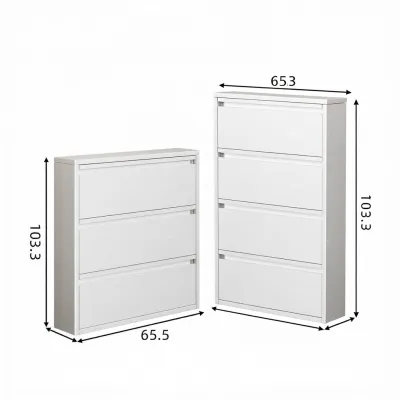
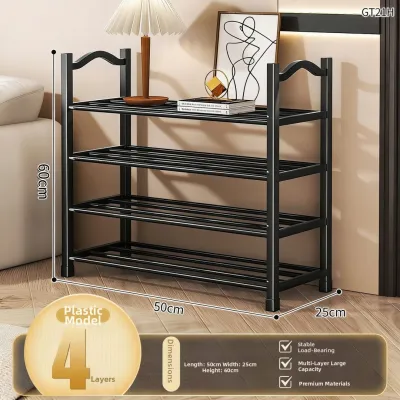
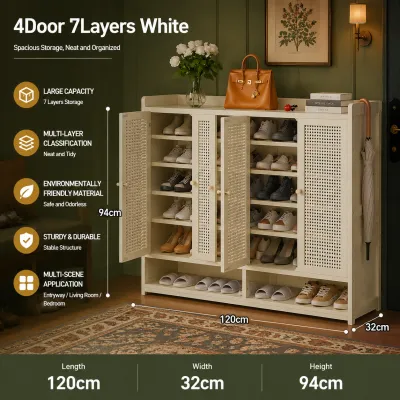
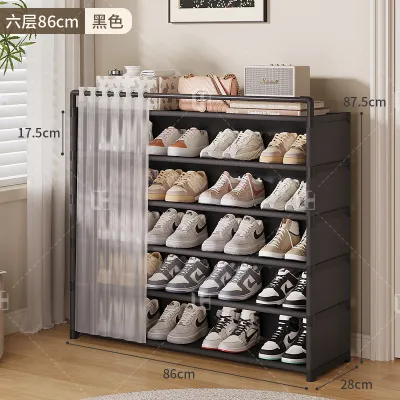
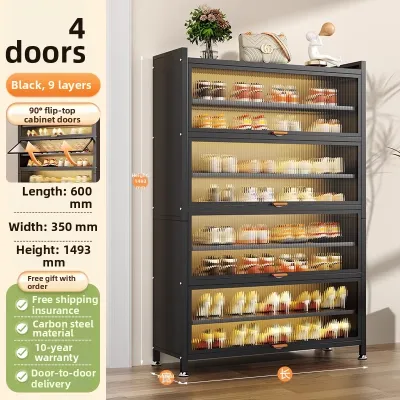
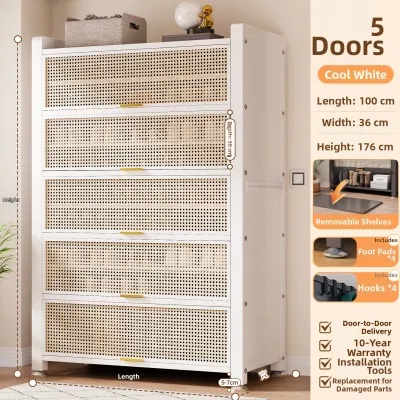
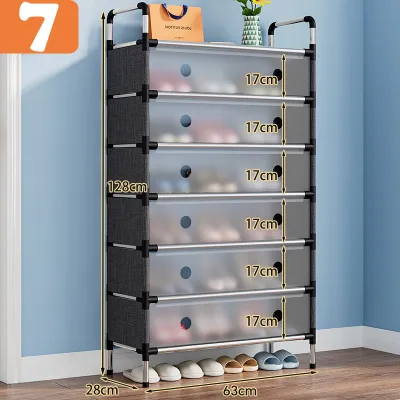
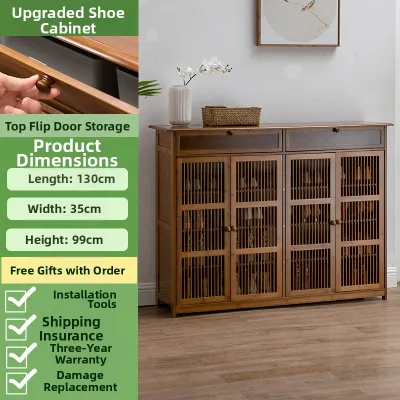
Prices are valid at publication and may change. Please refer to the product page for the latest price.
Finally, consider the structural characteristics of your bedroom walls and floor. Before planning a wall-mounted installation, check whether your walls are made of concrete, hollow blocks, or drywall, as this determines the type of anchors and tools required. Concrete walls, which are standard in many Philippine condominiums, require a masonry drill bit and heavy-duty wall plugs to ensure a secure hold. Additionally, verify that the packaged cabinet dimensions can easily pass through your condo building’s service elevator, narrow hallways, and bedroom doorway during delivery.
Space-Efficient Shoe Cabinet Types for Small Rooms
When floor space is limited, standard shoe racks are rarely sufficient. Maximizing your bedroom’s layout requires choosing specialized storage designs that utilize vertical wall space, hidden areas, or dual-purpose furniture. When selecting materials like engineered wood, plastic, or metal, check the manufacturer’s care instructions and finish quality to ensure they can withstand daily wear and local humidity.

Slim Profile and Tilting Shoe Cabinets
Many slim tilting cabinets feature a shallow depth of approximately 15 to 24 centimeters, making them ideal for narrow walkways or the space directly behind a bedroom door. Instead of storing shoes flat on horizontal shelves, these units hold shoes vertically inside compartments that tilt outward when opened. This design dramatically reduces the cabinet’s footprint while keeping your footwear completely enclosed and out of sight.
Before choosing a tilting cabinet, measure the clearance in front of the unit to ensure the drawers can tilt open fully without hitting your bed frame or other furniture. Keep in mind that these shallow compartments have physical limitations regarding shoe types. Bulky sneakers, high-top shoes, and high heels may not fit easily unless the cabinet features adjustable or removable internal dividers. Because these units are tall and exceptionally narrow, they have a high center of gravity and require mandatory wall anchoring to prevent tipping.
Under-Bed and Multi-Functional Storage Units
Utilizing the dead space beneath your bed frame is an excellent way to store shoes without consuming any usable floor area. Under-bed storage options include rolling wooden drawers, plastic bins, or zippered fabric organizers. Before purchasing these units, measure the vertical clearance height from the floor to the bottom of your bed frame to ensure they can slide in and out smoothly without scratching your flooring.
Multi-functional furniture offers another practical way to save space in a compact condo bedroom. A storage bench placed at the foot of the bed provides a convenient seat for putting on shoes while hiding several pairs of footwear inside. Alternatively, a full-length mirror with hidden shelving behind it serves two essential bedroom functions within a single footprint. Because under-bed areas and enclosed benches have limited natural airflow, you must check them regularly to prevent dust accumulation and musty odors.
Matching Cabinet Capacity to Your Shoe Collection
To find the right cabinet, you must calculate your required internal capacity based on your actual footwear rather than relying on generic manufacturer capacity estimates. Begin by conducting a thorough inventory of your shoes and categorizing them by type, such as flat sandals, running shoes, formal leather shoes, and boots. Different styles require different vertical clearances, and mixing them on fixed shelves often results in wasted vertical space.
To determine how many pairs will fit on a single shelf, measure the width of your widest pair of shoes. Divide the total width of the cabinet’s shelf by this measurement to find the realistic capacity per level. Forcing too many pairs onto a single shelf can squeeze and warp shoe materials, leading to permanent damage. If your collection includes a mix of flat shoes and taller footwear, look for cabinets with adjustable or removable shelves that allow you to customize the interior height.
In a small condo bedroom, a seasonal or usage-based rotation strategy is highly effective. Keep your daily-wear shoes, such as work shoes and casual sandals, in your bedroom cabinet for quick access. Store off-season footwear, formal shoes, or specialized sports gear in secondary storage areas, such as high closet shelves or under-bed boxes, to keep your primary bedroom cabinet organized and uncluttered.
Installation, Safety, and Ventilation Checks
Proper installation and ongoing maintenance are essential to ensure your shoe cabinet remains safe and functional. For any tall or narrow freestanding cabinet, installing an anti-tip kit is a critical safety step. Secure the anchoring straps or brackets directly into a wall stud or concrete wall to prevent the unit from tipping over, which is especially important in households with children or pets.
Always check the manufacturer’s specified weight limits for individual shelves and the overall cabinet structure. Overloading shelves with heavy boots or multiple pairs of heavy shoes can cause structural sagging, joint failure, or cabinet collapse. When assembling the unit, follow the manufacturer’s instructions carefully, ensuring all joints, screws, and cam locks are fully tightened and checked periodically for stability.
Because the tropical climate in the Philippines brings high relative humidity, enclosed spaces can trap moisture, leading to mold growth on leather and canvas shoes. To protect your footwear, leave a small gap of two to three centimeters between the back of the cabinet and the wall to facilitate air circulation. Placing reusable silica gel packs, activated charcoal bags, or calcium chloride moisture absorbers inside the cabinet compartments will help control humidity levels and keep your shoes dry and mold-free.
Frequently Asked Questions (FAQ)
Can I place a shoe cabinet near the bedroom window?
Placing a shoe cabinet directly next to or under a bedroom window is not recommended due to the risks of direct sunlight and temperature fluctuations. Prolonged exposure to ultraviolet (UV) rays can fade fabric colors, dry out and crack leather, and degrade synthetic adhesives, causing shoe soles to separate. If you must place the cabinet near a window, use heavy curtains or UV-blocking window films, and choose a cabinet with solid, opaque doors rather than open shelving to shield your footwear from direct sunlight.
How do I prevent odors in an enclosed bedroom shoe cabinet?
To prevent odors from building up in an enclosed cabinet, always allow your shoes to air out and dry completely before storing them, especially after walking in the rain or exercising. You can place natural deodorizers, such as activated charcoal sachets, baking soda containers, or dried pandan leaves, on the shelves to absorb moisture and neutralize odors. Regularly wipe down the interior shelves with a mild disinfectant, and leave the cabinet doors open for a few hours during dry days to encourage complete air circulation.

Community discussion
Share your experience or ask a question. Comments are reviewed before publication.