
Finding the right home shoe rack organizer for a small closet with limited floor space depends on balancing your available dimensions with your storage needs. There is no single best type; instead, the ideal configuration—whether over-the-door, vertical, or stackable—must fit within your compact closet without sacrificing room for hanging clothes and storage bags. This guide helps you assess your specific spatial constraints and choose the most efficient shoe rack setup for your wardrobe.
In tight wardrobe spaces, every centimeter counts. A poorly planned storage setup can lead to crushed garments, blocked doors, and accumulated moisture, which is especially problematic in humid environments. By understanding how to evaluate your closet’s layout and matching it with the right organizer design, you can maximize your storage capacity while keeping your footwear accessible and well-preserved.
Assessing Closet Space and Storage Constraints
Before purchasing any organizer, grab a tape measure to evaluate the physical boundaries of your closet. Start by measuring the floor width, depth, and total height. It is crucial to identify the active zones where your clothes hang. Measure the distance from the hanging rod to the floor, noting how much clearance remains beneath your garments.
Products mentioned in this guide
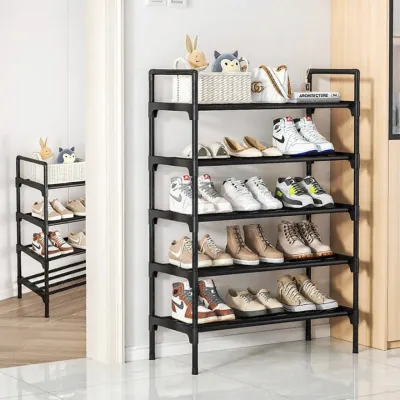
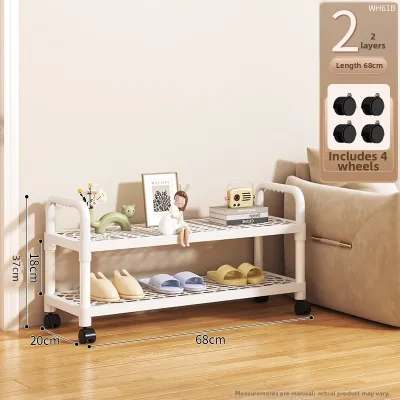
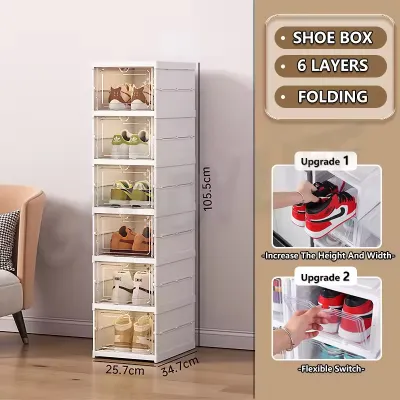
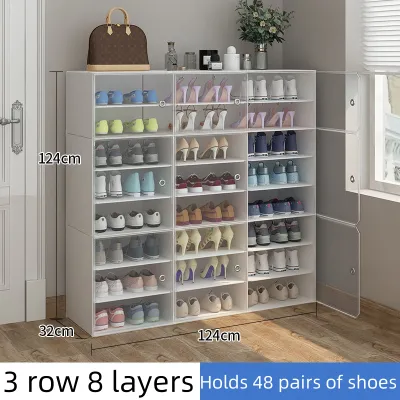
Prices are valid at publication and may change. Please refer to the product page for the latest price.
Next, categorize your hanging clothes by length. Short hanging items like shirts and folded trousers leave a generous amount of vertical space underneath, whereas long dresses, coats, or traditional garments may hang almost to the floor. Your shoe storage should occupy the space beneath the shorter items to prevent your clothes from dragging on top of your footwear.
Finally, examine the closet door mechanism. Swing doors offer valuable vertical real estate for hanging organizers, but they require sufficient clearance behind them when opened. Sliding or bi-fold doors, on the other hand, typically eliminate the possibility of over-the-door storage, forcing you to focus entirely on internal floor or wall-mounted solutions.
Comparing Space-Saving Shoe Rack Configurations
Selecting the right configuration requires matching your closet’s physical limitations with the storage logic of different rack designs. The three primary options—over-the-door, vertical tiered, and stackable modular cubbies—each solve a distinct spatial challenge.

Over-the-Door Shoe Organizers
Over-the-door shoe organizers are ideal when floor space is completely restricted and you have a standard swing door. These systems utilize the vertical plane of the door itself, keeping the closet floor entirely clear for other storage needs.
Before choosing this option, verify the clearance at the top of your door. Most over-the-door brackets require a gap of at least two to three millimeters between the door panel and the frame to close smoothly. You must also check the stability of your door hinges; adding the weight of multiple pairs of shoes can strain lightweight hinges over time, potentially causing the door to sag or misalign.
While highly convenient, these organizers have clear limitations. They are typically made of fabric, mesh, or lightweight plastics, making them unsuitable for heavy boots or bulky, oversized footwear. If the pockets are too shallow, shoes may slip out when the door is opened or closed quickly, so look for designs with deep, secure pockets.
Vertical and Tiered Shoe Racks
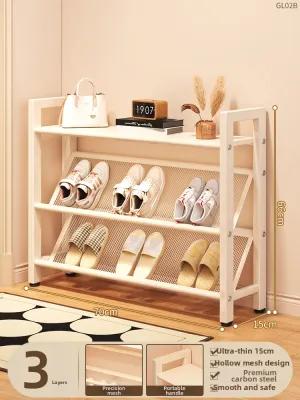
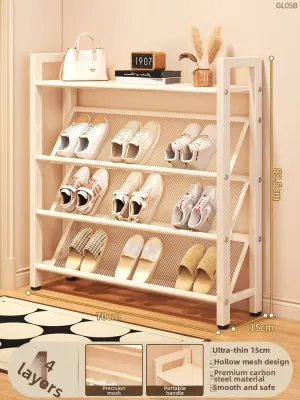
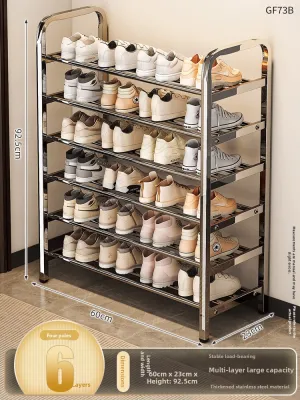
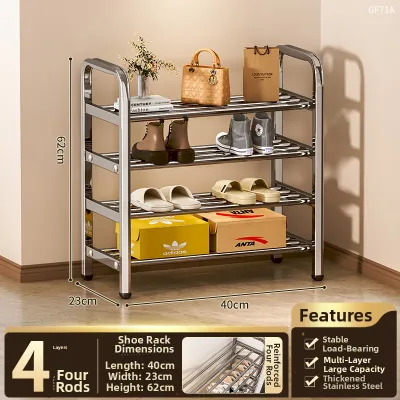
Vertical and tiered shoe racks are excellent for utilizing narrow, tall spaces, particularly the unused areas directly beneath shorter hanging garments. By stacking shoes vertically on multiple narrow shelves, you minimize the footprint while maximizing storage capacity.
When planning for a vertical rack, measure the safe distance between the top shelf of the rack and the bottom hem of your hanging clothes. You want to maintain a clear buffer zone to prevent clean garments from brushing against dirty outsoles. Ensure the rack’s frame is sturdy enough to remain stable without wobbling in a tight corner.
The main limitation of tall, narrow racks is accessibility. Reaching shoes on the lowest tiers in a dark closet can be awkward, and top-heavy designs can easily tip over if the weight is not distributed evenly. Placing heavier shoes on the bottom shelves is a simple way to improve stability.
Stackable and Modular Shoe Cubbies
Stackable and modular shoe cubbies offer the highest level of flexibility, making them perfect for closets with irregular shapes or changing storage needs. These systems consist of individual compartments that can be stacked vertically or arranged side-by-side to fit your exact space.
To ensure a proper fit, verify that the depth of each individual cubby module matches your closet depth. Standard cubbies are often 30 to 35 centimeters deep; if your closet is shallower than this, the modules will prevent the closet doors from closing. Additionally, check the locking mechanisms between the modules to ensure they remain securely connected when stacked.
The primary risk with modular systems is stacking them too high without proper support. Because they are often lightweight, a tall stack can become unstable. It is also important to note that enclosed plastic cubbies can trap moisture, so look for modular designs that feature ventilation holes or open fronts.
Essential Dimensions and Clearance Checks Before Buying
To avoid installation failures, perform a few critical clearance checks before making a purchase. First, measure the behind-the-door clearance if you plan to use an over-the-door rack. Ensure that the thickness of the loaded rack will not crush against the interior shelves or damage the adjacent wall when the door is fully opened.
Second, calculate your hanging zone safety margin. Subtract the length of your longest hanging garment from the height of the hanging rod, and then subtract an additional 10 to 15 centimeters. This remaining height is the absolute maximum limit for any floor-standing shoe rack placed underneath those clothes.
Third, assess the aisle and door swing allowance. For walk-in or reach-in closets, ensure that the shoe rack does not protrude into the walking path or block the swing radius of the closet doors. If you have to squeeze past the rack or move it out of the way to access your clothes, the layout will quickly become impractical.
Installation and Safety Considerations for Compact Closets
Safety and structural integrity should be top priorities when installing storage systems in confined spaces. For over-the-door organizers, regularly inspect the door hinges for signs of wear or sagging. If you notice the door scraping against the frame, remove some weight from the organizer and tighten the hinge screws.
For tall vertical racks or stacked modular cubbies, implementing anti-tip measures is highly recommended. Secure the top of the rack to the closet wall or the sturdy side panels of your wardrobe using small L-brackets or safety straps. This simple step prevents the rack from tipping forward when you pull out a tight-fitting pair of shoes.
Finally, consider the material and ventilation of your storage system. In humid tropical climates like the Philippines, enclosed closets are highly susceptible to moisture buildup, which can lead to mold and mildew on leather and canvas footwear. Opt for open wire shelves, slatted wood, or breathable fabrics that promote continuous airflow, and avoid storing damp shoes.
Frequently Asked Questions (FAQ)
Can I use a tension rod shoe rack inside a small closet?
Yes, tension rod shoe racks can work well, but they require sturdy, parallel vertical surfaces on both sides of the closet to create sufficient tension. Avoid installing them against thin drywall or flimsy wardrobe back panels, as the pressure can cause the panels to bow or crack. Always verify the manufacturer’s weight limits and ensure the rods have non-slip rubber end caps to prevent them from sliding down smooth surfaces.
How do I prevent shoes from smelling in a closed closet?
To prevent odors, always ensure your shoes are completely dry and clean before placing them inside the closet. Use breathable shoe rack designs, such as wire grids or slatted shelves, to maximize air circulation around your footwear. You can also place moisture-absorbing sachets, charcoal deodorizers, or small dehumidifier packs on the shelves, and make it a habit to leave the closet doors open periodically to allow fresh air to circulate.

Community discussion
Share your experience or ask a question. Comments are reviewed before publication.