
Living in a modern condominium in the Philippines often means working with compact bedroom layouts, particularly secondary bedrooms under 10 square meters. In these tight spaces, choosing the right bed design is the single most critical decision for maintaining comfort and functionality. A standard bed frame can easily overwhelm the room, leaving little space for movement, storage, or daily activities.
To maximize a bedroom of this size, you must look beyond traditional designs and focus on space-saving alternatives. Options such as hydraulic storage beds, loft frames, and convertible daybeds offer practical solutions by utilizing vertical space or serving dual purposes. The ideal choice depends on your specific lifestyle needs, whether you require extra wardrobe space, a study area, or simply more open floor area during the day.
Core Principles for Small Bedroom Bed Selection
When dealing with a bedroom under 10 square meters, every centimeter counts. Prioritize clear walkways and door clearance over maximizing mattress size. A room that prevents you from opening your wardrobe or walking comfortably around the mattress quickly becomes frustrating.
Products mentioned in this guide
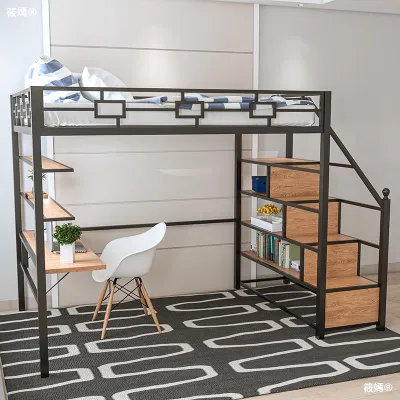
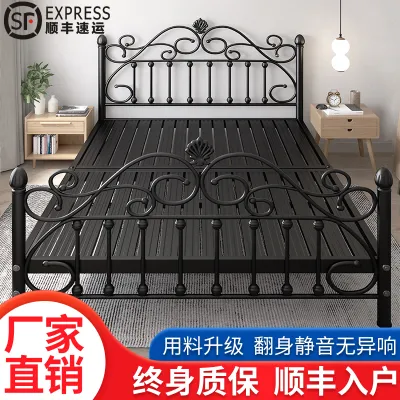
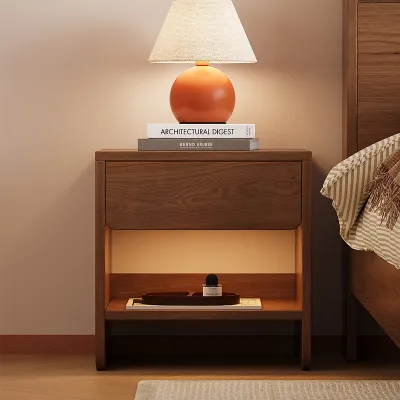
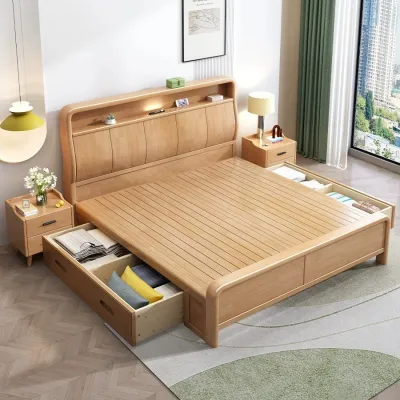
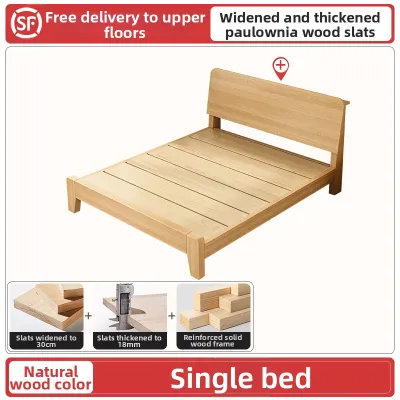
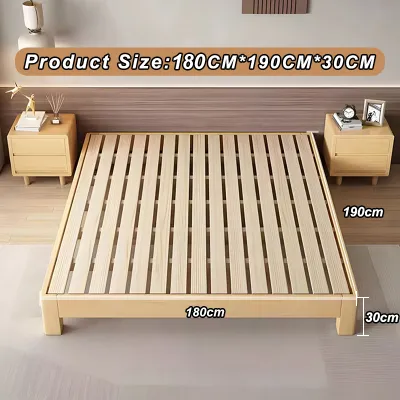

Prices are valid at publication and may change. Please refer to the product page for the latest price.
Achieving a balance between sleeping comfort and secondary functions is essential. In a compact condo, a bed must often double as a storage unit, a seating area, or a structural anchor. Before purchasing, identify your most pressing spatial challenge—such as a lack of closet space or the need for a home office—and select a bed design that addresses it.
Additionally, evaluate the room’s physical boundaries, particularly the ceiling height and structural columns. Many Philippine condominiums feature prominent concrete columns or low-hanging beams that restrict bed placement. Vertical designs like loft beds require careful measurement of overhead clearance to ensure you can sit up comfortably.
Assessing Room Dimensions and Access Constraints
Before browsing furniture catalogs or visiting showrooms, you must conduct a thorough spatial audit of your bedroom. Start by measuring the exact floor dimensions, noting the placement of permanent fixtures. Pay close attention to the location of windows, air conditioning units, light switches, and power outlets, as blocking these can create safety hazards or functional inconveniences.

Equally important is the path the furniture must take to reach your bedroom. Many condo dwellers overlook the logistical challenges of delivery day. You must verify the dimensions of the building’s service elevator, the tight turns in the stairwells, and the width of your unit’s entry and bedroom doors. A solid, non-disassembling frame may be physically impossible to bring up to a high-rise unit.
Once inside the room, map out the necessary clearance zones around the bed. You need a minimum of 60 centimeters of walking space on the active sides of the bed to move comfortably and make the bed without straining. Furthermore, calculate the swing radius of your wardrobe doors and drawers to ensure they can open fully without colliding with the bed frame.
Space-Saving Bed Frame Designs to Consider
Selecting the right bed design requires matching the frame’s mechanical features to your daily lifestyle. Different designs solve different spatial problems, meaning there is no single best option for every condo owner.
You must also consider the physical effort required to operate these space-saving designs on a daily basis. A bed that requires heavy lifting or complex folding may become a chore over time, potentially leading you to leave it permanently deployed and defeating its space-saving purpose.
Elevated and Loft Beds
Elevated and loft beds are excellent solutions for studio units or high-ceilinged bedrooms where floor space is at a premium. By raising the sleeping platform, you effectively double the usable square footage of that specific footprint.
This design is best suited for creating a dedicated functional zone underneath the mattress. You can utilize the lower level for a compact study desk, a cozy reading nook with a small armchair, or additional low-profile wardrobe storage.
However, vertical designs require strict verification of structural safety. You must check the manufacturer’s specified weight capacity and ensure the ladder or stairs are securely attached. It is also vital to measure the distance from the top of the mattress to the ceiling; a minimum clearance of 90 centimeters is generally recommended to allow an adult to sit upright comfortably.
Built-in Storage and Hydraulic Beds
If your primary challenge is a lack of closet space, built-in storage beds utilize the otherwise wasted area directly beneath your mattress. These designs keep your belongings out of sight while maintaining a clean, uncluttered bedroom aesthetic.
Hydraulic lift beds are particularly efficient because they allow you to access the entire under-bed area with minimal physical effort. The gas-lift mechanism assists in raising the mattress platform, though you must ensure there is sufficient clearance at the foot or side of the bed to stand comfortably while operating the lift.
Drawer-based storage beds offer quick access to daily items but require significant lateral floor space. You must ensure that the surrounding walkways are wide enough to allow the drawers to pull out fully. Additionally, because these compartments sit close to the floor, you should verify their internal depth and check for proper ventilation to prevent dust and moisture accumulation.
Fold-Down and Multi-Functional Beds
For rooms that must serve as a living area or home office by day and a bedroom by night, fold-down and multi-functional beds offer the ultimate flexibility. These designs allow you to reclaim almost the entire floor space when the bed is not in use.
Murphy beds, or wall beds, fold vertically or horizontally into a cabinet structure when put away. Because they exert significant leverage when being lowered or raised, they require secure anchoring to load-bearing concrete walls; they should never be mounted solely to thin drywall partitions.
Sofa beds and daybeds provide a simpler, non-permanent alternative for multi-functional spaces. While highly versatile, they often require a compromise on mattress thickness and support. If you plan to use a sofa bed daily, inspect the quality of the folding mechanism and choose a model that accommodates a supportive, high-density mattress.
Installation, Safety, and Structural Checks
Installing a space-saving bed in a condominium requires careful attention to building regulations and structural limitations. Before purchasing any wall-mounted or heavy mechanical frame, consult your condo’s property management office to understand drilling restrictions and load limits.
Wall-mounted designs, such as Murphy beds, must be anchored using heavy-duty masonry bolts into solid concrete walls or structural columns. If your bedroom walls are made of lightweight gypsum board or hollow blocks, you will need professional reinforcement to prevent the frame from pulling away from the wall during operation.
Always check the manufacturer’s stated weight limits for the entire assembly, including the frame, the support slats, and the mattress itself. Exceeding these limits can strain mechanical hinges, bend metal supports, or cause wooden slats to sag over time.
In the tropical climate of the Philippines, high humidity levels present a unique challenge for closed furniture designs. Storage beds and solid-platform frames can trap moisture, leading to mold growth on both the mattress and stored items. Ensure your bed frame features ventilation holes in the base or utilizes a slatted support system to promote continuous airflow.
Common Layout and Sizing Mistakes to Avoid
One of the most frequent mistakes in small bedroom design is choosing a mattress size based solely on personal preference rather than the room’s actual dimensions. Opting for a queen-size bed in an 8-square-meter room often leaves zero clearance, forcing you to climb over the foot of the bed just to move around.
Another common oversight is ignoring the swing radius of existing fixtures. Before finalizing your bed’s position, trace the path of the bedroom door, wardrobe doors, windows, and even the blades of a ceiling fan. A bed placed too close to a window may block natural light or prevent you from opening the window fully for ventilation.
Finally, pay attention to the visual weight of the bed frame. Heavy, dark wooden headboards and bulky footboards can make a small room feel incredibly cramped and claustrophobic. Instead, opt for low-profile headboards, open-slat designs, or frames with slim metal profiles that allow light and air to pass through, creating an illusion of openness.
Frequently Asked Questions (FAQ)
Can I use a standard queen-size bed in a bedroom under 10 square meters?
A standard queen-size mattress in the Philippines typically measures 152 centimeters wide by 190 centimeters long (60 by 75 inches). In a room under 10 square meters—such as a 3-meter by 3-meter space—a queen bed will consume more than 30 percent of the total floor area.
While physically possible to fit, doing so leaves very little room for essential clearances. You will likely struggle to place a wardrobe, open drawers, or maintain the recommended 60-centimeter walkway around the sides. If a queen bed is a strict requirement, you must offset its footprint by choosing a hydraulic lift frame to eliminate the need for a separate dresser, or position the bed against a corner, accepting that one side will be inaccessible. Otherwise, a double-size bed (137 by 190 centimeters) is often a more balanced alternative.
How do I prevent moisture and mold under a storage bed?
Preventing moisture buildup under a storage bed in a humid tropical climate requires active maintenance. Start by ensuring that any items you store—especially seasonal clothing, bed linens, or extra pillows—are completely dry before placing them inside the compartments.
Place disposable moisture-absorbing canisters or silica gel packets inside the storage areas, and replace them regularly as they fill with water. It is also beneficial to leave the storage compartment open for a few hours during dry, sunny days to allow fresh air to circulate. When purchasing a storage bed, look for models with built-in ventilation slats or pre-drilled air holes in the base to ensure continuous passive airflow beneath the mattress.

Community discussion
Share your experience or ask a question. Comments are reviewed before publication.