
Choosing the right study table foldable design for a compact condominium in the Philippines depends on how much floor space you need to reclaim when you are not working. If your absolute priority is freeing up every square inch of floor area, a wall-mounted foldable desk is the most space-saving option because it leaves a zero-floor footprint when folded. However, if you cannot drill into your walls or prefer a flexible setup that can be tucked under a bed or inside a closet, a folding leg study table or a drop-leaf console table offers practical alternatives. Each mechanism has distinct spatial trade-offs, installation requirements, and usability limits that dictate how well it fits into a tight studio or one-bedroom layout.
Assessing Your Condo's Space and Layout Constraints
Before purchasing any foldable furniture, you must measure your available space with precision. Start by mapping out the exact spot where you plan to work. Use a tape measure to record the clear floor area, wall dimensions, and nearby door or hallway clearances.
Next, identify the composition of your walls. Many modern high-rise developments use cast-in-place concrete or concrete hollow blocks for perimeter walls, while interior partitions are often made of gypsum board or light-gauge steel studs. This distinction is critical because wall-mounted desks require solid structural support.
Products mentioned in this guide
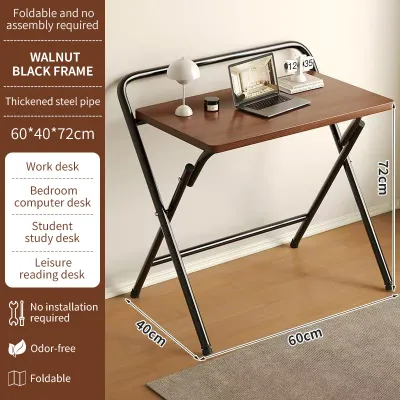
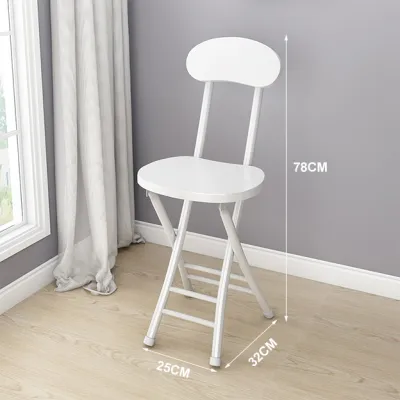
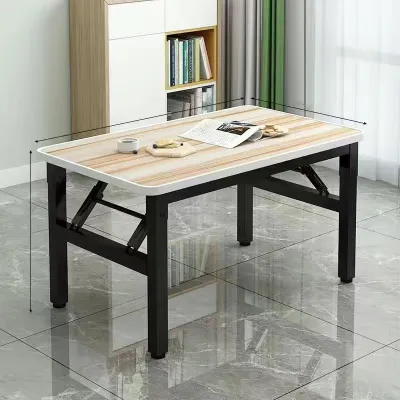
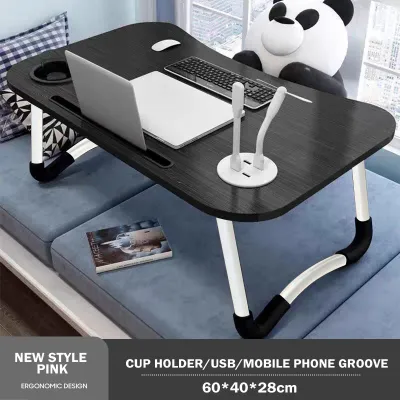
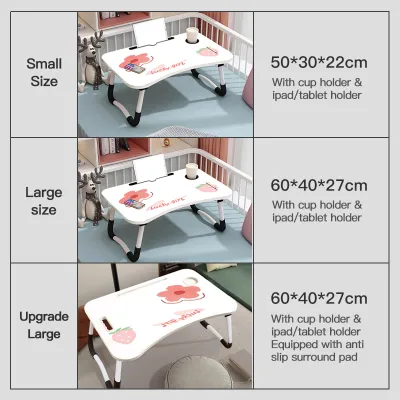
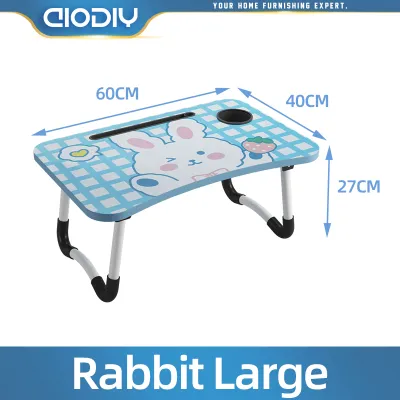
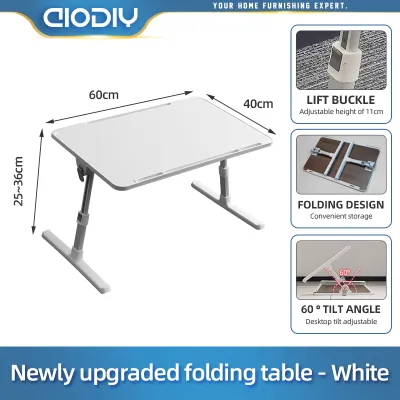

Prices are valid at publication and may change. Please refer to the product page for the latest price.
Finally, account for the hidden space that a desk requires during use. A table does not exist in isolation; you must factor in the depth of your office chair, the space needed to pull the chair out, and a comfortable walking clearance behind it. Ensure the chosen spot has easy access to electrical outlets for your laptop and charger without stretching cords across high-traffic walkways.
Comparing Foldable Mechanisms for Floor Space Maximization
To find the ideal study table foldable design, you must compare how each mechanism handles its operational footprint. This footprint includes both the active workspace when the table is fully deployed and the remaining physical presence of the unit when it is folded away.

The choice comes down to a fundamental trade-off: permanent, highly integrated wall installations versus freestanding, highly mobile furniture. While some designs disappear completely into the background, others remain partially visible but offer the flexibility of being moved from the living area to the bedroom as your daily needs change.
Wall-Mounted Foldable Desks
A wall-mounted foldable desk is the ultimate space-saver for tight condo units because it completely eliminates the need for floor legs. When folded down or slid shut, the tabletop hangs flat against the wall, leaving the floor underneath entirely clear. This allows you to use the space for other activities or keep the room looking uncluttered.
However, this design requires a permanent location and structural wall anchoring. You cannot easily rearrange your room once it is installed. Before mounting, you must check the manufacturer’s weight limits and hardware specifications. Standard plastic wall plugs may not suffice for heavy laptops or when you lean on the desk. Always verify that the mounting brackets and screws are rated for both the weight of the desk itself and the downward force applied during a typical workday.
Folding Leg Study Tables
For renters or those who prefer not to drill into condo walls, folding leg study tables offer excellent flexibility. These tables feature legs that fold flat against the underside of the tabletop, transforming a full-sized desk into a slim panel. When your workday ends, you can easily slide the folded bundle under a bed, behind a sofa, or inside a utility closet.
While highly convenient, folding leg tables still occupy physical space when stored. You must ensure you have a designated storage nook that matches the folded dimensions of the table. When shopping, check the stability of the frame and the quality of the locking mechanisms on the legs. A reliable locking system prevents the legs from buckling under pressure and ensures a wobble-free surface for typing and writing.
Drop-Leaf and Console Tables
Drop-leaf tables are designed for multi-purpose spaces where you need a piece of furniture to remain in the room but shrink in size when not in use. These tables feature hinged leaves on one or both sides that fold down, converting a wide study desk into a narrow console table or shelf that sits quietly against the wall.
Unlike wall-mounted options, a drop-leaf table’s central base or legs always occupy some floor space, even when the leaves are fully lowered. However, this design excels in dual-use scenarios. During the day, you can raise one leaf to use it as a dedicated study table. In the evening, you can raise both leaves to transform it into a dining table for two to four people.
Installation, Safety, and Clearance Checks
Installing and operating foldable furniture in a small space requires careful attention to safety and spatial clearances. If you choose a wall-mounted desk, you must verify the load-bearing capacity of your wall. Always refer to the product manual for specific anchoring instructions. For concrete walls, heavy-duty masonry expansion bolts are typically required, whereas drywall installations demand locating the wooden or metal studs and securing the brackets directly into them.
Beyond structural integrity, you must measure the swing radius of the folding parts. Ensure there is adequate clearance so that the tabletop or folding legs do not strike adjacent furniture, baseboards, or window treatments when being opened or closed.
Finally, inspect the folding joints for potential pinch points. High-quality foldable tables often feature safety hinges, soft-close dampeners, or secure locking pins that prevent the table from collapsing accidentally if bumped. Regularly check that these safety features are fully engaged before placing expensive electronics on the surface.
Common Space-Matching Mistakes to Avoid
One of the most common mistakes when buying a study table foldable model is focusing solely on the folded dimensions. Many condo owners forget to measure the fully deployed footprint, which must include the depth of the office chair and the space required for the user to sit comfortably.
Another frequent oversight is ignoring the swing radius of drop-leaves or wall-mounted brackets. A table might fit perfectly on your wall, but if its downward swing path collides with a nearby light switch, an electrical outlet, or a cabinet door, its usability is severely compromised.
Lastly, avoid overloading folding tables beyond the manufacturer’s stated weight capacity. Foldable designs rely on hinges and joints that are more vulnerable to stress than solid, fixed-leg desks. Placing heavy desktop computers, books, and printer equipment on a lightweight folding table can warp the frame, loosen the screws, or cause a sudden structural failure.
Frequently Asked Questions (FAQ)
Can I install a wall-mounted foldable desk on a hollow drywall partition?
Yes, but you must take specific structural precautions. Standard drywall panels cannot support the weight of a wall-mounted desk and the downward pressure of daily use on their own. You must locate the vertical wall studs behind the drywall using a stud finder and anchor the mounting brackets directly into them. If you are unsure of your wall’s internal structure, consult the manufacturer’s installation guide or hire a professional installer to prevent damage to your condo’s walls.
How do I clean and maintain the folding hinges and joints?
To ensure your foldable study table operates smoothly over time, perform regular maintenance on its moving parts. Dust the hinges and joints frequently to prevent dirt and debris from grinding inside the mechanism. Periodically check for loose screws or bolts and tighten them gently using the appropriate tools, following the guidelines on the product care label. If a hinge begins to squeak or feel stiff, apply a small amount of silicone-based lubricant, wiping away any excess to avoid staining the tabletop.

Community discussion
Share your experience or ask a question. Comments are reviewed before publication.