
Living in a compact condominium or apartment in the Philippines requires a strategic approach to interior layout, where every square meter of floor space must serve multiple purposes. A folding desk solves this spatial puzzle by providing a dedicated, stable work surface during office hours and completely disappearing when your shift ends. This flexibility allows a single room to transition seamlessly from a productive home office to a relaxing living area.
Choosing the right folding table for small space environments depends on a clear decision path: whether you have available, load-bearing wall space for a permanent fixture or require a mobile, freestanding unit that can be tucked away. Instead of prioritizing aesthetics alone, a successful purchase relies on precise physical measurements, structural verification of your walls, and a close inspection of the folding hardware. By focusing on these practical parameters, you can secure a setup that supports your daily workflow without cluttering your home.
Essential Space and Clearance Measurements
Before browsing online catalogs or visiting local showrooms, you must map out the exact physical footprint of your proposed workspace. Start by measuring the available floor area where the desk will stand when fully extended. Use a steel tape measure to record the width, depth, and height of the space, and mark these dimensions on your floor using masking tape to visualize the physical impact on your room.
Products mentioned in this guide
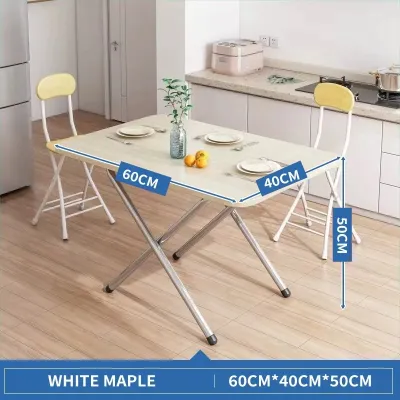
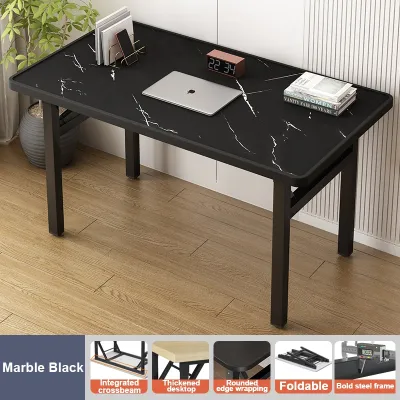
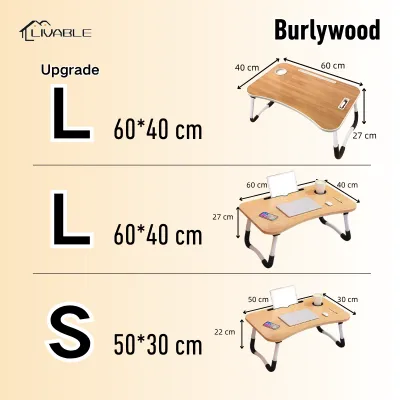
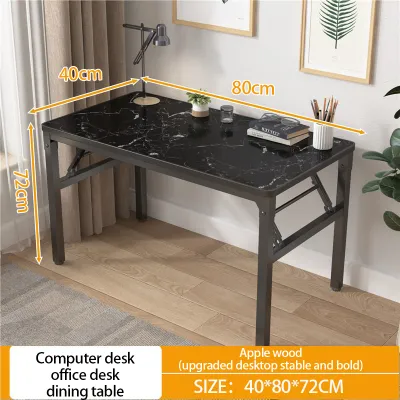
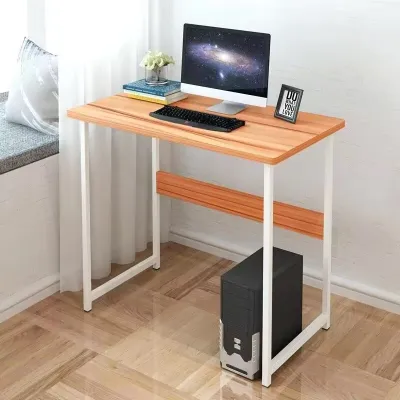
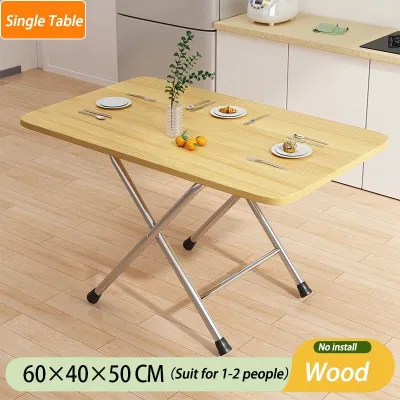
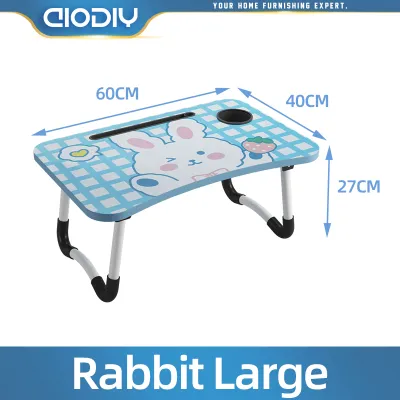
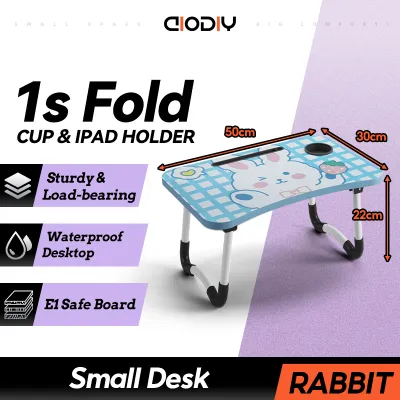
Prices are valid at publication and may change. Please refer to the product page for the latest price.
Next, calculate the clearance required for your office chair and your own body. A standard desk setup requires at least 75 to 90 centimeters of open space behind the table edge to allow you to pull out your chair, sit down comfortably, and stand up without hitting adjacent walls or furniture. If your desk is positioned in a high-traffic pathway, ensure that there is still a clear passage of at least 60 centimeters when the desk is fully open and the chair is occupied.
Do not overlook the folded state of the desk. For wall-mounted designs, measure the projection distance from the wall when folded flat to ensure it does not obstruct nearby doors or electrical outlets. For freestanding, portable tables, identify the exact storage location—such as under a bed or inside a closet—and measure the height and depth of that gap to confirm the folded unit will slide in easily.
Finally, verify the delivery path from the building entrance to your unit. In many Philippine condominium developments, service elevators, narrow corridors, and tight stairwell turns present significant obstacles for furniture delivery. Measure the height and width of your main entry door, any hallway corners, and the elevator door to guarantee that the packaged desk can be safely transported to your floor without damage.
Types of Folding Desks for Small Apartments
Folding desks generally fall into three distinct categories, each offering a different balance of mobility, storage capacity, and structural stability. Understanding these designs allows you to match the desk’s mechanical function to your specific daily routine and the structural limitations of your rental or owned condo unit.

Wall-Mounted Drop-Leaf Desks
Wall-mounted drop-leaf desks are permanently anchored to a wall and feature a hinged surface that swings down or up to lie flat when not in use. This design is highly effective for narrow studio apartments because it completely eliminates the need for desk legs, leaving the floor space underneath entirely clear for cleaning, foot movement, or storing a low-profile stool.
Installing these desks requires careful attention to the structural composition of your walls. In the Philippines, condo partition walls are frequently constructed from concrete hollow blocks, solid concrete, or lightweight drywall panels over metal studs. Mounting a heavy wooden desk surface onto these materials requires specific fasteners:
- Concrete or Concrete Hollow Block Walls: Require heavy-duty masonry expansion bolts or concrete anchors to ensure the brackets remain firmly seated under load.
- Drywall Partitions: Require you to locate the vertical metal or wooden studs using a stud finder, as mounting directly into unsupported drywall with standard plastic plugs will lead to structural failure.
Always check the manufacturer’s specified weight capacity, which typically assumes installation on a solid, load-bearing surface. The actual load capacity of your desk will be limited by the weakest link—whether that is the wall material, the anchor bolts, or the hinge brackets. If you plan to use multiple monitors, heavy books, or lean heavily on the desk while typing, a wall-mounted unit must be anchored with professional-grade steel brackets and verified for stability before use.
Freestanding Fold-Out Desks with Storage
If you prefer not to drill permanent holes into your walls—a common restriction in Philippine rental properties—a freestanding fold-out desk with integrated storage offers an excellent alternative. These units typically resemble a compact cabinet, bookcase, or console table when closed, but feature a hinged front panel or swing-out door that transforms into a full-sized desktop.
When selecting this type, compare the closed footprint against the fully open configuration. A unit that occupies only 30 centimeters of depth when closed might extend to 100 centimeters or more when the desktop is deployed. Ensure your room can accommodate this dramatic change in size without blocking light sources or air conditioning airflow.
The primary advantage of these desks is their built-in organization. They often feature internal shelving, cubbies, and drawers that allow you to keep your laptop, charger, documents, and stationery hidden away when the desk is closed. This helps maintain a clean, clutter-free aesthetic in a shared living-dining space.
However, stability is a critical factor for tall, narrow cabinets with fold-out parts. When the heavy desktop is extended and loaded with equipment, the center of gravity shifts forward, increasing the risk of tipping. To ensure safety, inspect the unit’s base for a wide, stable footprint, and consider using anti-tip safety straps to anchor the back of the cabinet to the wall, especially if you have pets or young children in the home.
Portable and Convertible Folding Tables
Portable folding tables represent the most flexible and cost-effective solution for temporary work-from-home setups. These tables feature lightweight metal or wooden frames with legs that fold flat against the underside of the tabletop, allowing you to set up a workspace anywhere in your apartment and pack it away completely in a closet or under a bed when your workday is done.
When evaluating portable options, pay close attention to the frame material and the folding mechanism. Look for powder-coated steel or aluminum legs with secure locking rings or gravity locks that prevent the legs from folding accidentally while the table is in use. The tabletop itself should be lightweight yet rigid enough to resist bending under the weight of your laptop and arms.
The main trade-off with highly portable tables is their limited weight capacity and reduced ergonomic adjustability. Because they lack heavy, solid frames, these tables are more prone to lateral movement and wobbling, particularly during vigorous typing or when placed on uneven tile floors. They are best suited for light laptop work rather than multi-monitor setups, and they require a compatible chair that matches the fixed height of the table to prevent neck and shoulder strain during long working hours.
Stability, Materials, and Hardware Checks
The longevity and safety of a folding desk depend heavily on the quality of its moving parts and the durability of its surfaces. Because folding desks are subjected to repetitive mechanical stress every time they are opened and closed, a thorough inspection of these components is essential before making a purchase.
Hardware and Hinge Quality: Examine the hinges, locking pins, and support brackets. High-quality folding desks utilize thick-gauge steel hardware with smooth, silent movement. Avoid thin, stamped-metal hinges that can easily bend or warp over time. Look for mechanisms that feature safety locking pins or automatic click-lock brackets that secure the desk surface firmly in the open position, preventing accidental collapse if the desk is bumped from below.
Surface Treatments and Edge Banding: In the warm, humid climate of the Philippines, furniture materials are highly susceptible to moisture absorption, swelling, and warping. If you select a desk made from engineered wood, such as medium-density fiberboard or particle board, inspect the surface treatment and edge banding carefully:
- Melamine or Laminate Finishes: Provide a durable, water-resistant barrier that protects the inner wood fibers from humidity and accidental spills.
- Edge Banding: Ensure the plastic or PVC edge strips are seamlessly bonded to the board edges with no visible gaps, glue residue, or peeling corners, as these flaws allow moisture to penetrate and cause the wood to swell.
- Solid Wood or Bamboo: While generally more expensive, these materials offer superior resistance to humidity-induced warping, provided they are treated with a protective polyurethane or oil finish.
Base Stability and Floor Contact: To minimize distracting wobbles while typing, check the design of the desk’s base. Look for models equipped with adjustable leg levelers or screw-in rubber feet, which allow you to compensate for uneven tile or wood flooring common in many apartments. Cross-bracing—such as an X-shaped metal bar connecting the rear legs—significantly improves lateral stability and reduces side-to-side sway, ensuring a solid, focused working environment.
Purchasing Channels and Delivery Verification
Finding the right folding table for small space layouts in the Philippines involves exploring both digital platforms and physical retail stores. Local furniture showrooms in major metropolitan areas allow you to physically test the folding mechanisms, assess the stability of the frames, and verify the actual colors and textures of the materials before committing to a purchase.
If you prefer the convenience of online shopping, local ecommerce platforms and specialized furniture websites offer a vast selection of space-saving designs. When shopping online, rely heavily on customer reviews that include real-world photos and videos, paying close attention to comments regarding assembly difficulty, shipping damage, and structural stability.
Establish a realistic budget that reflects your durability expectations. Basic portable folding tables can be found for under ₱1,500, while high-quality wall-mounted units and freestanding storage cabinets typically range from ₱3,000 to ₱8,000 or more, depending on the materials and hardware used. Remember to factor in additional costs, such as delivery fees for bulky items and professional assembly charges if you are not comfortable installing wall anchors yourself.
Upon delivery, perform a thorough inspection of the package before signing the receiving receipt:
- Check the Packaging: Look for punctures, crushed corners, or water damage on the outer carton, which may indicate rough handling during transit.
- Inventory the Hardware: Open the box and verify that all screws, bolts, brackets, and tools listed in the instruction manual are present.
- Inspect the Surfaces: Examine the tabletop, edges, and corners for scratches, dents, or peeling laminate.
- Test the Mechanism: Assemble the desk (or inspect the pre-assembled joints) and operate the folding mechanism several times to ensure it moves smoothly without binding, grinding, or requiring excessive force.
Frequently Asked Questions (FAQ)
Can I install a wall-mounted folding desk on a hollow drywall partition?
Installing a wall-mounted folding desk directly onto a hollow drywall partition is not recommended without proper structural reinforcement. Standard drywall panels are thin and brittle; they lack the structural strength to support the downward leverage and weight of a desk, especially when you lean on it or place heavy equipment on the surface. Using standard plastic drywall anchors will eventually cause the drywall to crack, pull out, and lead to a complete collapse of the desk.
To safely mount a desk on a drywall partition, you must locate the vertical metal or wooden studs behind the drywall using a stud finder and secure the mounting brackets directly into these studs using heavy-duty wood or self-tapping metal screws. If the stud spacing does not align with your desk’s bracket locations, you can mount a solid wooden backing board across multiple studs first, and then attach the desk brackets to that board. If you are unsure of your wall’s load capacity or cannot locate the studs, consult your building management office or hire a qualified local carpenter to perform the installation safely.
How do I prevent a freestanding folding desk from wobbling during typing?
To minimize wobbling on a freestanding folding desk, start by checking the contact points between the desk legs and your floor. Uneven floor tiles or warped wood planks are common culprits for instability. If your desk has adjustable leg levelers, screw them in or out until all four feet make firm, even contact with the floor. For tables without adjustable feet, you can place non-slip rubber pads or felt protectors under the shorter legs to level the frame.
Next, inspect all the structural joints and folding hardware. Over time, the repetitive motion of folding and unfolding can loosen the bolts and screws that hold the frame together. Use a screwdriver or hex key to tighten all connections, paying special attention to the hinges and cross-braces. If the desk continues to wobble despite these adjustments, the issue may be inherent to its lightweight design. You can improve stability by placing the desk flat against a solid wall to limit lateral movement, distributing your heavy equipment (like monitors or laptops) evenly across the surface, or placing a heavy storage box on the lower support bars to lower the desk’s center of gravity.

Community discussion
Share your experience or ask a question. Comments are reviewed before publication.