
Wall-mounted floating shelves, modular pegboards, and shallow over-desk hanging cabinets are the most effective solutions for small study rooms with limited floor space. By utilizing vertical wall space, these options keep the desk surface clear and eliminate the need for bulky floor-standing bookcases. In tropical environments like the Philippines, where high humidity can affect both walls and stored materials, choosing the right materials and mounting methods is essential to ensure long-term stability and protect your books or equipment.
Assessing Your Study Room's Vertical Space and Wall Conditions
Before purchasing any hanging display, a thorough assessment of your wall is crucial. Start by measuring the clear vertical height from your desk surface to the ceiling. This measurement defines your active storage zone and helps you plan how many tiers of shelving can comfortably fit without making the workspace feel cramped.
Next, identify your wall material. In many local homes, walls are constructed from solid concrete or hollow concrete blocks, which offer excellent load-bearing capacity but require masonry drill bits and heavy-duty wall plugs. If your study is in a newer condominium or a partitioned space, you might encounter drywall or fiber cement boards over metal studs. These materials require specialized hollow-wall anchors or toggle bolts, and heavy loads must be anchored directly into the studs.
Products mentioned in this guide
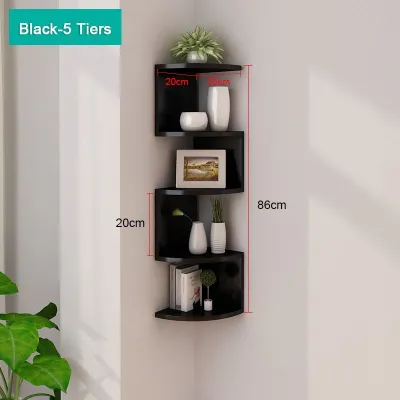
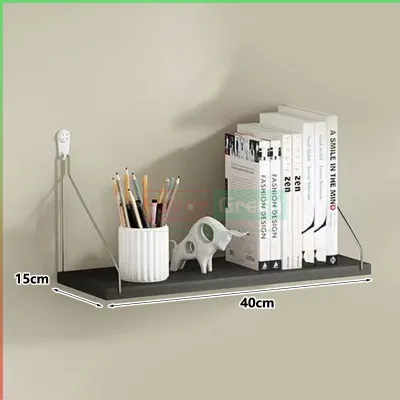
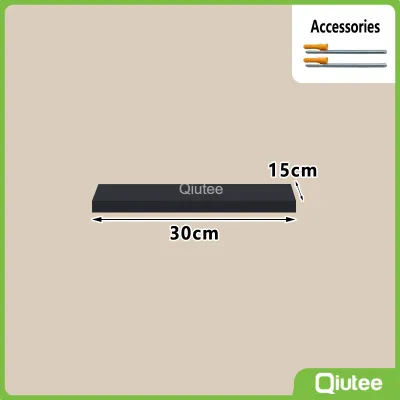
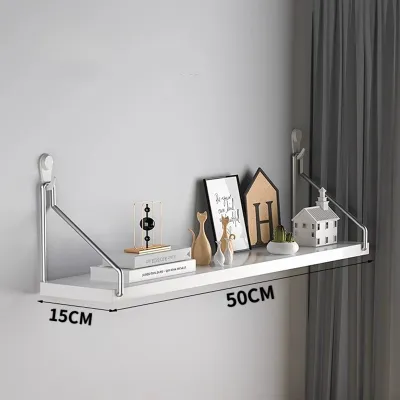
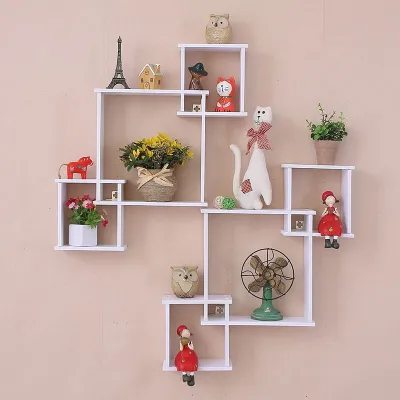
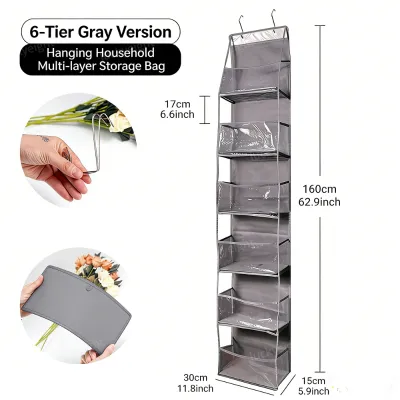
Prices are valid at publication and may change. Please refer to the product page for the latest price.
Before drilling, use a reliable wall scanner to check for hidden electrical wiring, plumbing pipes, or structural columns. This step is especially important in compact layouts where study desks are often placed near electrical outlets or adjacent to bathrooms. Finally, observe how natural light enters the room throughout the day. Position your hanging display so it does not block window light or cast distracting shadows over your primary writing or typing area.
Types of Hanging Displays for Compact Study Areas
Selecting the right hanging display requires balancing storage capacity with visual weight. Open shelving, enclosed cabinets, and modular pegboards each serve distinct organizational roles while altering how spacious your study room feels.

Wall-Mounted Floating Shelves
Floating shelves are an excellent choice for displaying books, reference materials, and small decorative items that you need to access frequently. Because they lack visible vertical supports, they maintain a clean, open look that prevents a small room from feeling boxed in.
When selecting floating shelves, pay close attention to the depth. A shelf that is too deep can easily lead to painful head bumps when you stand up, or it may physically obstruct your computer monitor. For most study spaces, a depth of 15 to 20 centimeters is ideal for standard books and small organizers without protruding too far into your active workspace.
Always verify the bracket design and the manufacturer’s specified load capacity. Internal hidden brackets offer the cleanest aesthetic but may have lower weight limits than shelves supported by visible, heavy-duty steel brackets. Ensure the shelf material can withstand local humidity levels without sagging over time, particularly if you plan to store heavy textbooks.
Over-Desk Hanging Cabinets and Pegboards
For items you prefer to keep out of sight, over-desk hanging cabinets provide a tidy solution. Enclosed cabinets are perfect for hiding messy paperwork, spare cables, and office supplies, but their solid doors add significant visual weight to a small room. To minimize this effect, look for shallow designs, light finishes, or sliding doors that do not require extra clearance to swing open.
In contrast, modular pegboards offer a highly flexible, lightweight alternative. They allow you to arrange hooks, small bins, and narrow shelves in any configuration, making them ideal for organizing stationery, headphones, and daily tools. Because pegboards sit flat against the wall, they consume virtually no physical depth while keeping your desk completely clear.
Keep in mind that fully loaded cabinets require much stronger structural support and more robust wall anchors than a lightweight pegboard. If you plan to store small electronic devices or charging hubs inside an enclosed cabinet, ensure the unit has adequate ventilation slots or cable management cutouts to prevent heat buildup in warm tropical climates.
Key Selection Criteria for Small Spaces
To ensure your hanging display enhances rather than overwhelms your small study room, you must evaluate several design and structural factors. First, match the width and depth of your shelves to your desk’s dimensions. A shelf that spans the exact width of your desk creates a cohesive, built-in look, while a shelf that is too wide can make the entire setup look unbalanced.
Weight distribution is another critical factor. Always check the manufacturer’s weight limits before loading your shelves. Plan to place heavier items, such as thick reference books or binders, closer to the wall brackets or on the lowest shelves, while keeping lighter items like decorative plants or stationery on the upper tiers.
Visual design plays a major role in how large your room feels. Opt for light wood tones, white finishes, or transparent acrylic materials that reflect light and blend seamlessly with your walls. Minimalist metal brackets or concealed mounting systems help reduce visual clutter, making the room feel airy and organized.
Finally, prioritize adjustable or modular systems. Your study needs will likely change over time, and a system that allows you to easily adjust shelf heights or add new components ensures your storage remains functional for years to come without requiring you to drill new holes in your walls.
Installation and Safety Checks for Hanging Displays
Proper installation is the most important step in ensuring your hanging display is safe and reliable. Always use the specific mounting hardware recommended by the manufacturer for your particular wall type. Standard plastic wall plugs included in retail packages are often designed for solid concrete and may fail if used on drywall or hollow blocks without proper adaptation.
Before you begin drilling, use a stud finder or wall scanner to map out the structure behind your wall. If you are mounting on drywall, securing at least one side of your shelf bracket directly into a wooden or metal stud significantly increases its load capacity. Avoid drilling near electrical outlets or light switches to prevent damaging hidden wiring.
Use a spirit level to ensure your shelves are perfectly horizontal before tightening the screws. A shelf that is even slightly tilted will cause items to slide and put uneven stress on the mounting brackets, which can lead to eventual failure. Once installed, apply gentle downward pressure to test the stability of the shelf before placing any valuable items on it.
If you encounter crumbling plaster, hollow spots that do not hold anchors securely, or if you are unsure of your wall’s structural integrity, stop the installation immediately. In such cases, it is best to consult a qualified local carpenter or handyman to assess the wall and complete the mounting safely.
Layout Strategies to Keep Your Desk Area Clear
Maximizing a small study room requires a strategic layout that keeps your primary work surface completely clear. Implement a vertical zoning strategy: reserve the lower shelves—those within easy reach while seated—for daily essentials like notebooks, pens, and reference materials. Use the higher, less accessible shelves for archival documents, seasonal items, or decorative pieces.
Ensure there is adequate headroom between your desk surface and the bottom of the lowest shelf. If you use a desktop computer or a laptop on a stand, measure the height of your monitor to ensure the shelf does not block your screen or force you to tilt your head uncomfortably. Leaving a clear gap of at least 50 to 60 centimeters above the desk surface helps maintain an open, comfortable working environment.
Avoid the temptation to concentrate all your storage on a single wall. Distributing your hanging displays across adjacent walls or utilizing corner shelves can help balance the visual weight in the room and prevent one area from feeling overly heavy or cluttered.
To keep open shelves looking tidy, use small woven baskets, fabric bins, or clear plastic organizers to group loose items. This not only hides small clutter but also makes it easy to pull down an entire category of supplies when needed, keeping your desk surface clean and organized throughout your study sessions.
Frequently Asked Questions (FAQ)
How high should I mount shelves above my study desk?
Generally, the lowest shelf should be mounted about 50 to 60 centimeters above your desk surface. This height provides ample clearance for most computer monitors and allows you to work without feeling boxed in. Ensure that frequently used items are kept on this lower shelf so you can easily reach them while seated. For higher shelves, refer to your own reach and the manufacturer’s guidelines to ensure safe access without straining.
Can I install hanging displays on drywall in a rented apartment?
Yes, but you must first check your lease agreement regarding wall modifications. If permitted, use high-quality drywall anchors or toggle bolts, and try to align the brackets with wall studs for maximum support. Keep in mind that drywall has lower weight limits than concrete, so avoid storing heavy textbooks on these shelves. When it is time to move out, be prepared to patch the drill holes with joint compound and apply a matching coat of paint to ensure the full return of your security deposit.

Community discussion
Share your experience or ask a question. Comments are reviewed before publication.