
Maximizing vertical space is one of the most effective ways to design an efficient home office, especially when floor area is limited. In many Philippine households, spare rooms or quiet corners are repurposed into workspaces, making compact storage solutions essential. Hanging wooden shelves offer a practical and aesthetically pleasing way to clear desk clutter, organize reference materials, and display personal items without occupying valuable floor space. By shifting your storage upward, you open up the room, making even the smallest study area feel more spacious and organized.
Selecting the ideal hanging shelf involves more than just picking an attractive piece of wood. It requires a systematic approach to assessing your wall space, understanding weight limits, evaluating materials, and ensuring secure installation. Taking the time to plan these details prevents common issues such as sagging shelves, wall damage, or accidental bumps. This guide provides a comprehensive framework to help you choose and install the right hanging wooden shelves for your specific workspace.
Assessing Your Wall Space and Storage Needs
Before purchasing any shelving unit, you must accurately measure your available wall space to ensure a proper fit. Start by measuring the width and height of the wall area where you plan to mount the shelves. It is equally important to measure the depth limit, which is the distance the shelf will protrude from the wall. Be sure to account for clearance around doors, windows, light switches, and electrical outlets to avoid blocking access or creating safety hazards.
Products mentioned in this guide
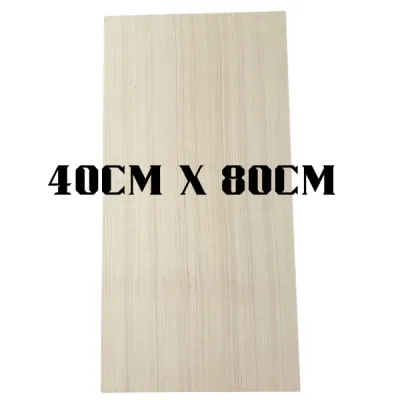
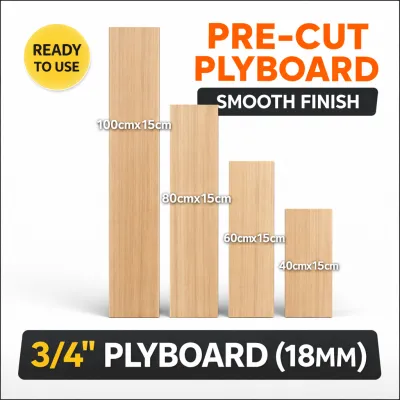
Prices are valid at publication and may change. Please refer to the product page for the latest price.
Next, categorize the items you intend to store on the shelves to determine the necessary shelf depth and vertical spacing. For example, standard novels and small decorative items typically require a depth of only 15 to 20 centimeters, while larger reference books, binders, or storage boxes may need 25 to 30 centimeters. Grouping your items by height will also help you decide how much vertical space to leave between multiple tiers, ensuring that taller items fit comfortably without hitting the shelf above.
A common mistake is selecting shelves that are too deep for the room’s layout. In narrow walkways or tight corners, deep shelves restrict movement and make the room feel cramped. Additionally, consider the swing radius of nearby doors, cabinet doors, and your office chair to prevent frequent collisions and potential damage to both the furniture and the wall.
To maximize unused upper wall space, plan your vertical arrangement to balance storage capacity with visual comfort. Placing shelves too high makes items difficult to reach, while placing them too low poses a head-bumping hazard when you stand up. Keep frequently used items within arm’s reach, reserving the highest shelves for lightweight, rarely used items or decor.
Evaluating Dimensions, Brackets, and Weight Limits
The mounting method plays a critical role in stability, weight capacity, and appearance. Hidden floating rods insert directly into the back of the shelf for a clean, minimalist look, though they often support less weight than visible L-brackets. Heavy-duty metal brackets provide robust under-shelf support for heavier items, while suspended rope or strap shelves offer a modern aesthetic but can sway if weight is not evenly distributed.

When determining how much weight a shelf can hold, rely strictly on the manufacturer’s specified weight capacity labels. Do not assume a thick, solid piece of wood will automatically support heavy loads. Weight capacity depends on the combination of the shelf material, bracket design, wall anchors, and wall type. Always check the product documentation for the maximum load rating.
When calculating wall stress, factor in both the dead load (the weight of the shelf and hardware) and the live load (the weight of the stored items). Heavy hardwood shelves add significant dead load before you place any items on them. If your wall structure is lightweight, choosing a lighter engineered wood shelf can minimize the overall strain on your wall anchors.
Shelf depth directly affects the center of gravity and the leverage exerted on wall mounting points. A deeper shelf acts as a longer lever, pulling downward and outward on wall anchors with greater force than a shallow shelf. Consequently, deeper shelves require stronger brackets and more secure anchoring to prevent sagging. Ensure brackets extend across at least two-thirds of the shelf’s depth for adequate support.
Selecting Wood Materials and Surface Finishes
When browsing product specifications, pay close attention to surface treatments. In the Philippines, high humidity and warm temperatures can affect the durability of wooden furniture. Look for shelves with moisture-resistant or scratch-resistant coatings, such as polyurethane or specialized laminates, which seal the wood and prevent warping, swelling, or mold growth.
Understand the differences between solid wood and engineered wood options like MDF or particleboard. Solid wood shelves offer natural beauty and excellent durability but are heavier and more expensive. Engineered wood shelves are lighter, uniform, and budget-friendly, but they can sag under heavy loads if not properly supported. Balance your aesthetic preferences, budget, and wall capacity when choosing.
To maintain your shelves, follow the manufacturer’s care instructions. Avoid installing wooden shelves in direct sunlight, as UV rays can fade the finish and dry out the wood. Similarly, avoid placing shelves directly in the path of cold air drafts from air conditioning units, as rapid temperature and humidity fluctuations can cause uneven expansion, warping, or joint separation.
Wall Compatibility and Safe Installation Practices
The safety of your shelf installation depends heavily on identifying your wall type. In Philippine homes, walls are commonly constructed from solid concrete, hollow concrete blocks, or drywall. Each material requires specific fasteners. Mounting on a concrete wall requires a masonry drill bit, plastic wall plugs, and concrete screws, whereas drywall requires specialized hollow-wall anchors, toggle bolts, or direct mounting into studs.
For substantial loads, verifying the location of wall studs is critical on drywall. Drywall alone cannot support heavy weights, and standard plastic anchors can easily pull out. Using a stud finder to locate vertical studs allows you to anchor brackets directly into the structural frame. If stud placement does not align with your desired position, use heavy-duty toggle bolts rated for the loaded shelf’s weight.
While many shelf installations can be completed as a DIY project, recognize clear stop conditions where you should consult a professional. If you encounter unexpected resistance while drilling, such as hitting metal plates or concrete rebar, stop immediately to avoid damaging hidden wiring or plumbing. Additionally, if the wall material is crumbly or unstable, hiring a professional handyman ensures a safe, secure installation.
Frequently Asked Questions (FAQ)
Can hanging wooden shelves support heavy office equipment like printers?
Hanging wooden shelves are generally not recommended for heavy, vibrating office equipment like printers unless specifically rated for such loads. Check the manufacturer’s maximum weight capacity and compare it to the combined weight of the printer and its supplies. Additionally, printing vibrations can loosen wall anchors over time or cause the printer to slide. If you must place a printer on a shelf, ensure it is mounted to a solid concrete wall or secured directly to wall studs using heavy-duty brackets with a lip or non-slip surface.
How high should I install floating shelves above my desk?
The ideal installation height depends on your seated reach, monitor height, and comfort. As a general guideline, the lowest shelf should clear the top of your computer monitor or laptop screen by at least 15 to 20 centimeters to prevent a cramped workspace. To ensure easy access, the most frequently used shelf should be within your comfortable seated reach, typically about 30 to 45 centimeters above the desk surface. Maintain clear sightlines so you do not have to strain your neck to see stored items.

Community discussion
Share your experience or ask a question. Comments are reviewed before publication.