
Maximizing a small Filipino kitchen requires shifting your storage strategy upward. When floor space is limited by appliances, dining tables, and narrow walkways, a kitchen hanging wall cabinet becomes an essential tool to clear countertops and organize daily essentials. Choosing the right cabinet involves balancing weight capacity, moisture resistance against tropical humidity, and door styles that do not obstruct your movement. By utilizing the vertical plane, you can transform a cramped cooking area into an organized, highly functional workspace.
In many urban homes across the Philippines, from high-rise condominiums in Metro Manila to compact townhouses in suburban provinces, kitchen layouts are often restricted to single-wall or galley configurations. These layouts leave very little room for extra floor-standing pantries or utility carts. Hanging wall cabinets offer a practical solution by reclaiming the unused wall area above your countertops, sink, and prep zones. This guide will help you navigate the process of selecting, verifying, and safely installing the ideal hanging cabinets for your space.
Assessing Your Space and Vertical Storage Needs
Before browsing online marketplaces or visiting local furniture showrooms, you must take precise measurements of your kitchen wall. Start by measuring the vertical distance from the top of your countertop to the ceiling. A standard clearance of 45 to 60 centimeters is typically recommended between the countertop and the bottom of the hanging cabinets. This gap ensures you have enough room to operate small appliances like rice cookers, blenders, and electric kettles without steam damaging the underside of the cabinets.
Products mentioned in this guide
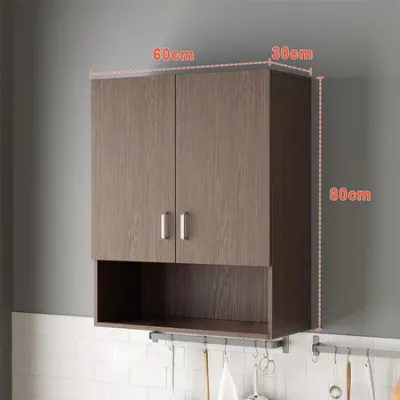
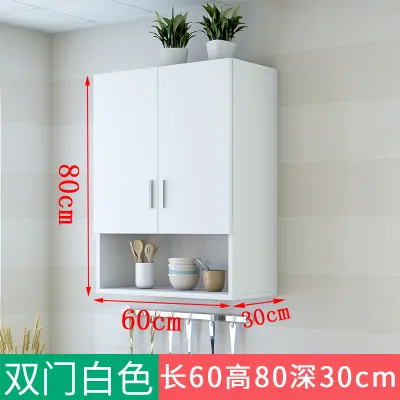
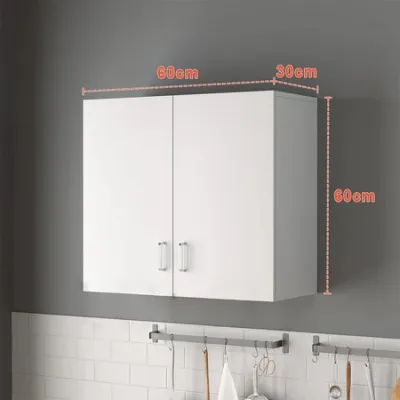
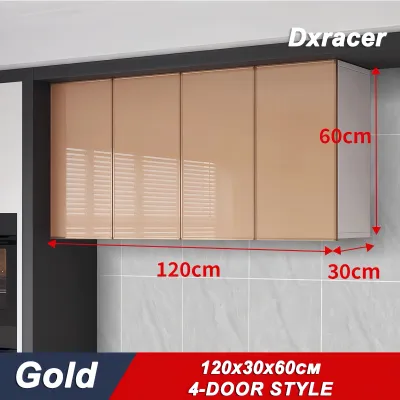
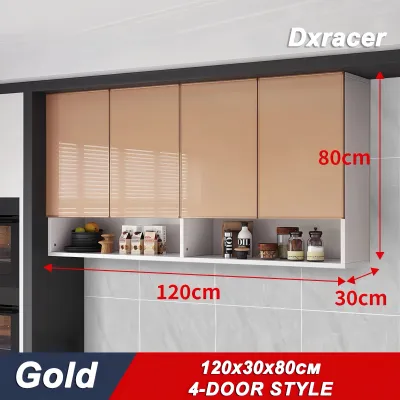
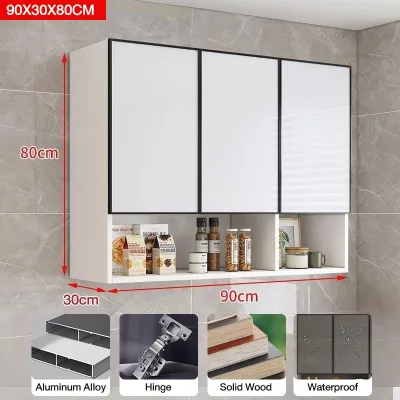
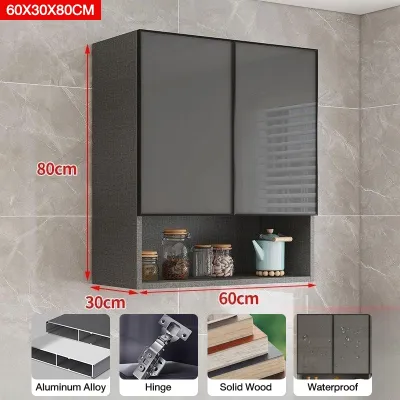
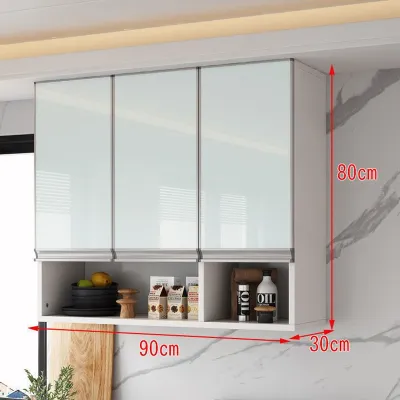
Prices are valid at publication and may change. Please refer to the product page for the latest price.
Next, account for existing architectural features and fixtures that cannot be moved. Range hoods, windows, light switches, and electrical outlets all dictate where a cabinet can be safely positioned. If you have a wall-mounted range hood, you must maintain the manufacturer’s specified clearance above the cooktop, which usually leaves a specific width and height envelope for flanking wall cabinets. Windows must remain completely unobstructed to preserve natural light and cross-ventilation, which are vital for keeping a small kitchen fresh and dry.
You must also evaluate what items you intend to store in these upper units. Group your kitchenware into heavy and light categories. Heavy items, such as ceramic dinnerware sets, glass baking dishes, and heavy pots, require lower shelves within easy reach and robust cabinet construction. Lighter items, including plastic food containers, spice jars, cereal boxes, and paper towels, can be placed on higher shelves. Understanding your storage inventory helps you determine the necessary shelf thickness and overall cabinet depth.
Finally, consider the traffic flow and physical movement within your kitchen. In a tight space, every centimeter counts. Open cabinet doors can easily block a narrow walkway or collide with adjacent appliance doors, such as your refrigerator or microwave. Measure the door swing radius of any cabinet style you consider to ensure that you can move freely around the kitchen even when the cabinet doors are fully open.
Cabinet Styles That Maximize Small Kitchen Space
When selecting a cabinet style, you must weigh visual appeal against practical maintenance. Open shelving is a popular choice for small kitchens because it eliminates solid doors, instantly making the room feel larger, brighter, and more open. It also provides quick, unobstructed access to your daily-use mugs, plates, and spices. However, in Filipino households where cooking often involves frying, sautéing, and simmering rich stews, open shelves expose your items to airborne grease and dust. This requires regular wiping and washing of both the shelves and the items stored on them.

Enclosed cabinets with solid doors offer a clean, clutter-free look by hiding mismatched dishes and pantry items from view. They also protect your kitchenware from grease, dust, and pests. To prevent solid doors from making a small kitchen feel dark or claustrophobic, consider choosing light-colored finishes, such as white, cream, or light wood tones, which reflect light and create an illusion of spaciousness.
Glass-front or acrylic doors provide an excellent middle ground. They offer the protective benefits of enclosed cabinets while introducing the visual lightness of open shelving. The reflective surface of glass bounces light around the room, making the kitchen feel more expansive. If you are concerned about keeping the interior perfectly organized, frosted or textured glass can obscure the contents while still maintaining a bright, airy aesthetic.
Corner spaces are frequently underutilized in small kitchen layouts. A specialized corner wall cabinet, featuring a diagonal front or an L-shaped door, allows you to reclaim these awkward angles for storage. Inside, you can install lazy Susans or rotating trays to bring items from the deep back corners directly to the front, ensuring no space goes to waste.
For high ceiling installations where the top shelves are difficult to reach, consider cabinets equipped with pull-down mechanisms. These specialized wire baskets or shelving units use gas struts or spring-loaded hinges to lower the contents down to eye level with a gentle pull. This feature makes the highest storage zones fully accessible and safe to use without needing a step stool.
If your kitchen walkway is exceptionally narrow, standard 30-to-35-centimeter-deep cabinets might feel too intrusive. Look for slim-profile or shallow-depth options, which measure around 20 to 25 centimeters deep. While they may not fit large dinner plates, they are perfect for organizing cups, glasses, canned goods, and spice jars, keeping your walkways clear and unobstructed.
Essential Specs and Materials to Verify
The tropical climate of the Philippines presents unique challenges for furniture durability. High relative humidity, seasonal wet weather, and kitchen steam can cause low-quality materials to degrade rapidly. When evaluating hanging cabinets, prioritize materials that can withstand these conditions. Marine plywood is highly recommended for kitchen environments due to its excellent moisture resistance and structural strength. If you choose engineered wood or medium-density fiberboard (MDF), ensure it is specifically rated as moisture-resistant (often designated as MR MDF or green-core MDF).
Pay close attention to the edge banding on engineered wood panels. The edges are the most vulnerable points where moisture can penetrate the core material, causing it to swell, warp, or crumble. Verify that the cabinet features high-quality, tightly sealed PVC or ABS edge banding with no visible gaps, peeling, or glue residue along the seams.
Hardware quality is another critical factor for daily usability and longevity. Inspect the hinges and drawer runners carefully. Look for rust-resistant stainless steel hardware, which is especially important if you live in coastal areas with salty air. Soft-close hinges are highly beneficial; they prevent doors from slamming shut, which protects the cabinet joints from structural wear and reduces noise in a quiet home. For cabinets with upward-opening doors, check the strength and smooth operation of the hydraulic gas struts.
Never assume a cabinet’s load capacity based solely on the material name. Always check the manufacturer’s official specifications for the maximum weight limit per shelf and for the entire cabinet unit. A high-quality cabinet will clearly state these limits on the product label or instruction manual. Ensure these limits align with the weight of the heavy ceramic or glass items you plan to store.
Lastly, compare the exact external dimensions of the cabinet against your measured wall clearances. Check the width, height, and depth down to the millimeter. If you are purchasing multiple modular units to hang side-by-side, ensure their combined width fits perfectly within your available wall space without overlapping light switches, outlets, or window frames.
Wall Mounting, Load Limits, and Safety Checks
A hanging cabinet is only as secure as the wall it is mounted on and the hardware used to secure it. Before installation, you must identify your wall type. Most residential properties in the Philippines are constructed with concrete or concrete hollow blocks (CHB), while interior partition walls in modern condominiums are often made of drywall or gypsum board. Concrete and CHB walls offer excellent load-bearing capacity but require a hammer drill, masonry drill bits, and heavy-duty expansion anchors or concrete screws to ensure a permanent hold.
Drywall installations require a completely different approach. You must never mount a heavy kitchen cabinet directly onto drywall using simple plastic plugs, as the weight will eventually pull the drywall down. Instead, you must locate the wooden or metal structural studs behind the drywall using a stud finder. The cabinet’s mounting brackets must be screwed directly into these studs using heavy-duty wood or metal screws. If the cabinet’s mounting points do not align with the stud spacing, you may need to install a solid wood backing board secured to the studs first, then mount the cabinet to the backing board.
Before you begin drilling into any kitchen wall, you must perform a thorough safety check for hidden utilities. Kitchen walls are packed with water supply pipes, drain lines, and electrical conduits that power your appliances and lighting. Puncturing a water pipe can cause immediate flooding and water damage, while hitting an electrical line poses a severe risk of electrocution or fire. Use a multi-function wall scanner or stud finder with live wire and metal detection capabilities to map out safe drilling zones.
If you encounter any difficulties, lack the necessary tools, or feel unsure about your wall’s structural capacity, stop immediately and consult a professional contractor or carpenter. Professional installers have the experience and specialized tools to ensure your cabinets are perfectly level, securely anchored, and safe for daily use. Investing in professional installation prevents costly damage to your walls and eliminates the risk of a catastrophic cabinet collapse.
Sourcing Options and Pre-Purchase Checklist
When sourcing hanging cabinets from local furniture stores or online marketplaces, a systematic pre-purchase checklist will help you avoid common buying mistakes. First, verify the delivery logistics. Measure your front door, apartment hallways, stairwell turns, and elevator dimensions. Ensure that the packaged cabinet boxes—or the fully assembled unit—can easily pass through these tight spaces without getting stuck or damaged during transit.
Next, carefully review the seller’s return and warranty policies. Look for clear terms regarding transit damage, missing parts, or manufacturing defects. A reputable seller should offer a reasonable window for returns or exchanges if the product arrives damaged or does not match the advertised specifications. Check if there is a warranty covering the structural integrity of the cabinet frame and the functionality of the hardware.
Confirm the level of assembly required. Many budget-friendly options are sold as flat-packs, which require complete self-assembly. If you are not comfortable with DIY assembly, check if the retailer offers professional assembly and wall-mounting services. Some stores include this service in the purchase price, while others offer it as an optional add-on fee. If you must assemble the unit yourself, ensure you have the necessary tools, such as a screwdriver, level, hammer, and tape measure, before the package arrives.
Frequently Asked Questions (FAQ)
Can I install a hanging wall cabinet on a tiled kitchen wall?
Yes, you can install a hanging cabinet on a tiled wall, but it requires specialized tools and techniques to prevent the tiles from cracking or shattering. You must use a diamond or carbide-tipped tile drill bit to drill slowly through the ceramic or porcelain tile surface. Do not use the hammer action setting on your drill while penetrating the tile. Once the bit has passed completely through the tile and reached the concrete or brick wall behind it, you can switch to a standard masonry drill bit and enable the hammer function to drill the anchor hole. Whenever possible, try to position your mounting holes away from the edges of the tiles to minimize the risk of chipping.
How do I prevent moisture damage on wall cabinets above the sink?
To protect your hanging cabinets from water damage above the sink, maintain a minimum clearance of 60 centimeters between the sink basin and the bottom of the cabinet. Ensure your kitchen has adequate ventilation, such as an exhaust fan or an open window, to quickly disperse steam from hot water and cooking. Always wipe down the underside and lower edges of the cabinets with a dry microfiber cloth if you notice condensation building up. Additionally, you can apply a water-resistant sealant or a clear polyurethane topcoat to the bottom panel of wooden or engineered wood cabinets to create an extra protective barrier against rising moisture.

Community discussion
Share your experience or ask a question. Comments are reviewed before publication.