
Finding the right storage solution for a compact home office in the Philippines requires balancing durability, space efficiency, and style. A metal bookshelf offers an excellent solution, combining high structural strength with a slim profile that fits easily into tight corners, condo alcoves, or multi-purpose rooms. To choose the best option, you must evaluate how a unit utilizes vertical space, handles local humidity, and fits within your physical room dimensions.
By focusing on structural integrity and smart layout integration, you can transform a cluttered workspace into an organized, productive environment. This guide outlines the essential criteria, measurement steps, and material checks needed to select a reliable metal bookshelf that maximizes your floor plan without overwhelming your room.
Core Criteria for Choosing a Space-Saving Metal Bookshelf
Selecting furniture for a small home office requires a strict evaluation of how much physical and visual space the item consumes. Unlike spacious corporate offices, residential workspaces must remain highly efficient to prevent the room from feeling cramped or restrictive.
Products mentioned in this guide
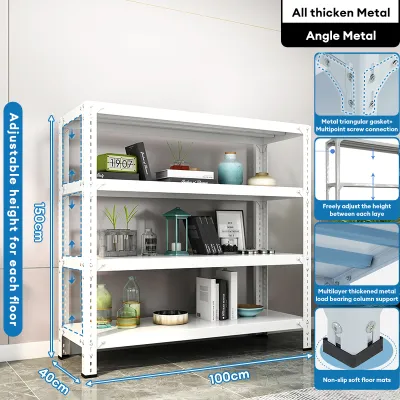
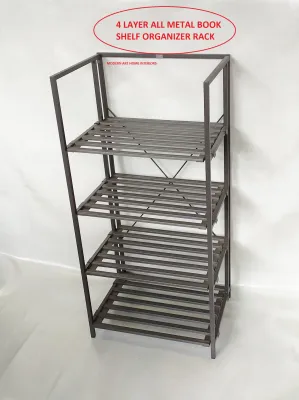
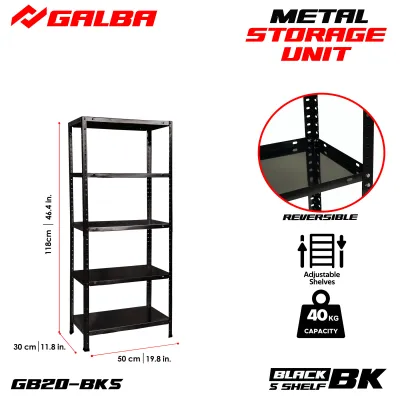
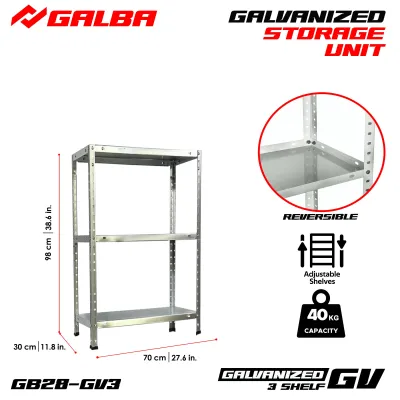
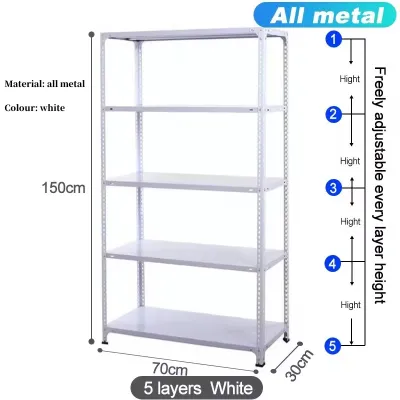
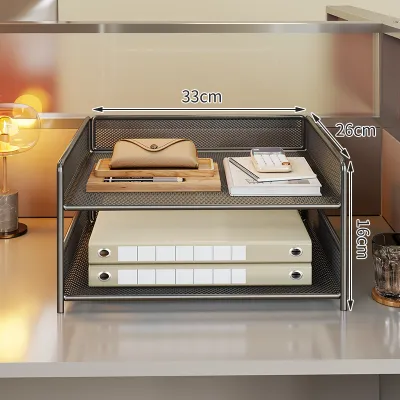
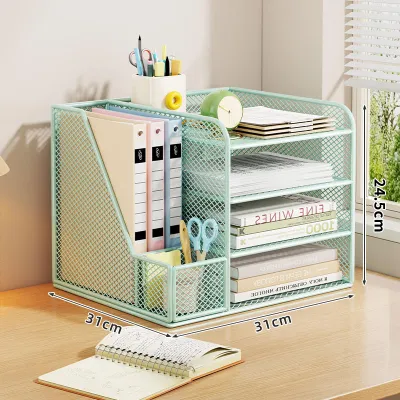

Prices are valid at publication and may change. Please refer to the product page for the latest price.
Balancing Footprint with Vertical Storage
When floor space is limited, your primary storage strategy must shift upward. A space-saving metal bookshelf should occupy a minimal footprint while maximizing vertical height. Standard residential ceilings in the Philippines typically range from 2.4 to 2.7 meters, providing ample overhead space that often goes unused. Choosing a tall, narrow unit allows you to store reference books, files, and office supplies vertically, freeing up valuable floor area for your desk and office chair.
Evaluating Visual Weight and Open-Frame Designs
Traditional solid wood or laminate bookcases can make a small room feel dark and enclosed because they block light and sightlines. In contrast, open-frame metal bookshelves feature slender support posts and open backs or sides. This design allows natural light from windows to pass through the unit, maintaining an airy, spacious feel. When selecting a unit, consider how its silhouette affects the room’s visual flow; a minimalist metal frame helps a small office feel larger than it actually is.
Comparing Adjustable Shelves and Fixed Tiers
Storage needs inevitably change over time. Fixed-tier bookshelves force you to work within rigid height limits, which often leads to wasted vertical space above shorter items or an inability to store tall binders and storage boxes. Adjustable shelf configurations allow you to reposition individual tiers to match the exact height of your items. This flexibility is crucial in a small office, ensuring that every cubic centimeter of your bookshelf is utilized efficiently.
Measuring Your Space and Planning for Delivery
Before browsing online marketplaces or visiting local furniture showrooms, you must gather precise measurements of your workspace and the transit paths leading into your home. A single miscalculation can result in a bookshelf that blocks a doorway, obstructs your desk, or cannot fit through your building’s elevator.

Calculating Floor Space and Clearance Zones
Begin by measuring the exact width, depth, and height of the area where you plan to place the bookshelf. Beyond the physical dimensions of the unit itself, you must account for clearance zones. Ensure that the bookshelf does not obstruct the swing path of doors, window openings, or closet access. If the shelf is positioned near your desk, verify that you have enough clearance to pull out your desk drawers and comfortably roll your office chair without bumping into the frame.
Verifying Delivery Access and Transit Paths
Many urban professionals in the Philippines live in high-rise condominiums, apartments, or tight townhouse subdivisions. It is essential to verify that the packaged bookshelf can actually reach your home office. Measure the height and width of your building’s elevator doors, the clearance of tight stairwell turns, and the width of your front door. Flat-packed metal bookshelves are generally easier to transport through narrow corridors than pre-assembled units, but you should still check the manufacturer’s packaging dimensions to ensure a hassle-free delivery.
Accounting for Baseboards and Wall Irregularities
Most residential rooms feature baseboards along the bottom of the walls. These baseboards prevent flat-backed furniture from sitting completely flush against the wall, creating a small gap at the back. If your wall has irregularities, plaster textures, or low-hanging light switches, these will also affect placement. Look for metal bookshelves with slightly recessed rear legs or adjustable leveling feet. Leveling feet are particularly useful for stabilizing units on slightly uneven tile or concrete floors, which are common in local residential construction.
Inspecting Metal Quality, Stability, and Assembly Requirements
Because you cannot always test a bookshelf’s physical strength before purchase, you must rely on a careful inspection of product specifications, material labels, and assembly instructions.
Reviewing Surface Treatments for Rust Resistance
The tropical climate in the Philippines brings high humidity levels, especially during the rainy season. Raw or poorly treated steel will oxidize and rust over time, damaging both the frame and your stored books. When reviewing product details, look for metal frames treated with powder coating or epoxy finishes. Powder coating involves baking a dry powder onto the metal at high temperatures, creating a thick, durable barrier that resists moisture, scratches, and chipping far better than standard liquid paint.
Checking Weight Limits and Load Capacity
Never assume that a metal frame automatically guarantees a high load capacity. The weight limit depends heavily on the gauge of the steel, the shelf material, and the joint construction. Check the manufacturer’s specifications for the maximum weight capacity per shelf and the total weight limit for the entire unit. If you plan to store heavy academic textbooks, legal binders, or paper reams, prioritize reinforced metal shelves with under-shelf support bars rather than thin wire shelving.
Verifying Anti-Tip Hardware and Assembly Tools
Tall, narrow bookshelves have a higher center of gravity, making them susceptible to tipping over if loaded unevenly or bumped. Safety must be a priority, particularly if you have pets or frequent visitors. Verify that the bookshelf includes a dedicated wall-anchoring or anti-tip kit. Additionally, check the product description to see what tools are required for assembly. Some metal units feature boltless, slip-fit designs that require only a rubber mallet, while others require hex keys, screwdrivers, or specific wrenches to secure the joints.
Matching Metal Bookshelf Types to Your Office Layout
Different room layouts present unique spatial challenges. Matching the structural design of your metal bookshelf to your specific office layout will help you optimize every square meter.
Ladder and Leaning Shelves for Narrow Gaps
Ladder or leaning metal bookshelves feature a frame that tapers from a deeper bottom shelf to a shallower top shelf. This progressive design reduces visual bulk at eye level, making them ideal for narrow gaps or tight walkways. Because they lean against the wall or stand on a slightly angled frame, they provide a stable base while maintaining a highly modern, minimalist aesthetic. They are best suited for storing a mix of light reading materials, notebooks, and small decorative plants.
Corner Shelving Units for Dead Space
Corners are often underutilized in small home offices, frequently left empty or blocked by cords. A dedicated metal corner shelving unit features a triangular or L-shaped footprint designed to fit snugly into a 90-degree corner. By utilizing this dead space, you can add significant storage capacity without encroaching on the main walkways of your room. This layout is highly effective for square rooms where wall space is already occupied by a desk and a window.
Wall-Mounted and Floating Metal Shelves
If floor space is virtually non-existent, wall-mounted or floating metal shelves are the ultimate space-saving solution. By anchoring the shelving tracks directly to the wall, you keep the entire floor area clear. This allows you to place low-profile items, such as a trash bin, a filing cabinet, or even your desk, directly underneath the shelves. However, wall-mounted systems require careful installation and must be anchored into solid structural elements to support the weight of books safely.
Frequently Asked Questions (FAQ)
How do I prevent a tall metal bookshelf from tipping over?
To prevent a tall metal bookshelf from tipping over, you must secure it directly to the wall using the manufacturer’s provided anti-tip hardware or a heavy-duty furniture strap. In the Philippines, residential walls are commonly constructed from concrete hollow blocks (CHB) or drywall. Standard plastic wall plugs included in generic hardware kits may not provide sufficient grip in these materials.
For concrete or masonry walls, use expansion anchors or masonry screws to secure the bracket. For drywall, locate the wooden or metal studs behind the wall using a stud finder, and screw the bracket directly into the stud. If no stud is available in your desired location, use heavy-duty toggle bolts rather than standard plastic anchors. Always place your heaviest items, such as large binders and reference books, on the bottom shelves to keep the unit’s center of gravity as low as possible.
Can metal bookshelves support heavy equipment like printers?
Yes, metal bookshelves can support heavy office equipment like printers, but you must verify the specific weight capacity of the individual shelf first. Standard desktop printers and multi-function copiers can weigh anywhere from 5 to 15 kilograms, and they generate significant vibration while printing.
Before placing a printer on a shelf, check the manufacturer’s weight limit label to ensure the shelf can handle the static load. Avoid placing heavy machinery on thin wire shelves or units that rely solely on friction-fit plastic clips. Instead, choose a heavy-duty metal utility shelf or a unit with bolted steel joints and reinforced support bars. To minimize shaking and maintain overall stability, place the printer on one of the lower shelves and ensure the bookshelf’s leveling feet are adjusted so the unit does not wobble.

Community discussion
Share your experience or ask a question. Comments are reviewed before publication.