
Finding the right storage solutions for a compact kitchen in the Philippines requires a balance of durability, functionality, and smart space utilization. In many local homes, townhouses, and condominiums, kitchen footprints are highly limited, leaving little room for bulky traditional wooden furniture. Metal kitchen cabinets have emerged as a highly practical alternative, offering slim profiles, robust structures, and resistance to common household pests. However, selecting the ideal metal cabinet is not just about picking a style you like; it involves understanding your specific spatial constraints, verifying material finishes, and ensuring safe installation.
By focusing on vertical storage and choosing designs tailored for tight layouts, you can dramatically increase your kitchen’s holding capacity without crowding your cooking area. Metal units are particularly well-suited for tropical environments because they do not warp or swell when exposed to high humidity, provided they feature the correct protective coatings. To make an informed purchase that serves your household for years, you must evaluate your space systematically and know exactly what features to look for before buying.
Measuring Your Kitchen Space for Metal Cabinets
Before browsing online marketplaces or visiting local showrooms, you must accurately assess your available kitchen space. Relying on visual estimates often leads to purchasing units that block essential pathways or fail to fit into designated alcoves. Start by measuring the exact floor footprint where you plan to position the cabinet. Use a reliable steel measuring tape and record the width, depth, and height of the area. If you are placing the cabinet under existing countertops or overhead shelves, measure the vertical clearance carefully to ensure the new unit will slide in without friction.
Products mentioned in this guide
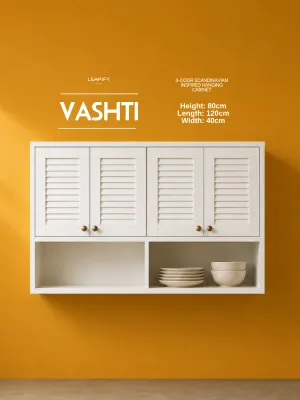
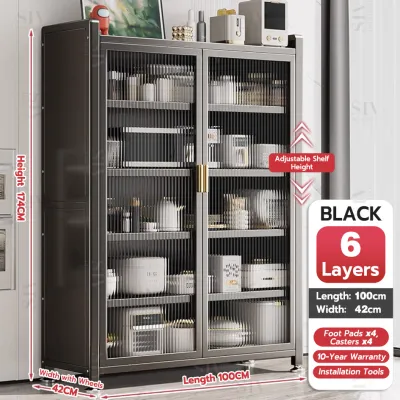
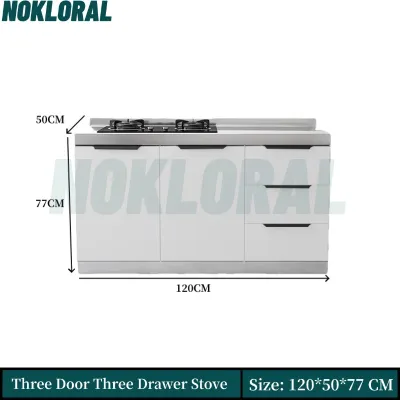
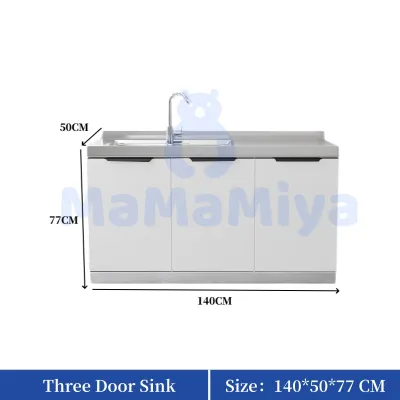
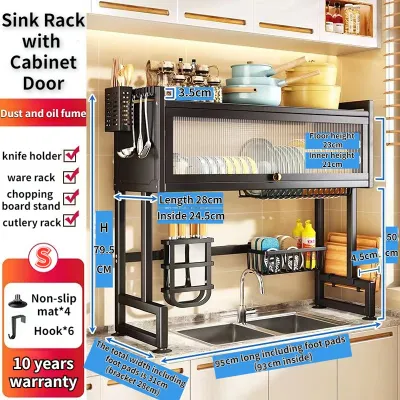
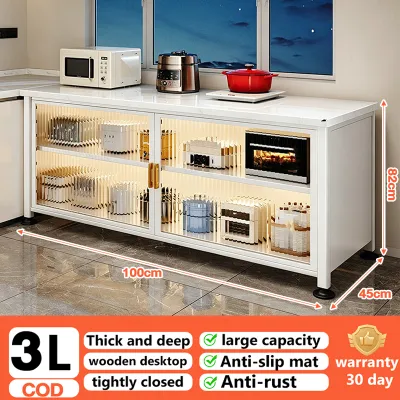
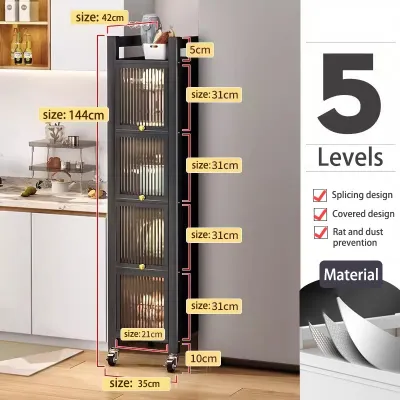
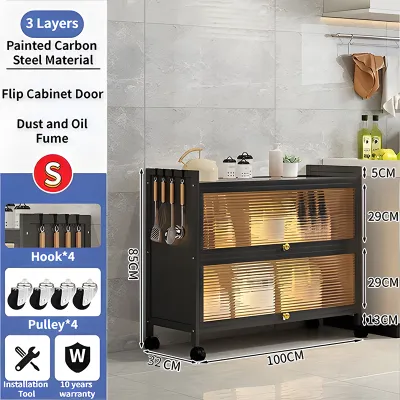
Prices are valid at publication and may change. Please refer to the product page for the latest price.
Next, account for the clearance required by other elements in your kitchen. You must measure the space needed for cabinet doors to swing open fully and for drawers or wire baskets to extend completely. In narrow galley kitchens, a door that opens outward can easily block the entire walkway or collide with appliance doors, such as your refrigerator or oven. Ensure there is at least 60 to 90 centimeters of open space in front of the cabinet to allow for comfortable movement while retrieving items. Additionally, if the cabinet is positioned near a cooking range or refrigerator, leave a ventilation gap of at least 5 to 10 centimeters to prevent heat buildup and maintain proper appliance efficiency.
Finally, do not overlook the delivery and assembly route. A cabinet that fits perfectly in your kitchen is of no use if it cannot pass through your front door. Measure the width and height of all entryways, narrow hallways, elevator doors, and stairwells that the delivery team or flat-pack boxes must navigate. If you live in a high-rise condominium, check the building’s elevator dimensions and clearance rules, as some large, pre-assembled metal units may not fit inside standard passenger lifts.
Space-Efficient Metal Cabinet Designs for Compact Layouts
When floor space is limited, the design of your metal cabinet plays a crucial role in how efficiently your kitchen functions. Slim-profile and narrow gap cabinets are specifically engineered to utilize underused areas. These units, often measuring less than 40 centimeters in width, can slide easily into the tight spaces between your refrigerator and kitchen counter, or into awkward corners. They are ideal for storing slim items such as spice jars, canned goods, bottled condiments, and cleaning supplies, turning what would have been dead space into highly organized storage.

Wall-mounted metal cabinets and over-the-refrigerator shelving units are excellent options for freeing up floor area entirely. By shifting your storage upward, you keep the ground clear for foot traffic and food preparation. Over-the-fridge metal racks are particularly popular in studio apartments, as they utilize the empty space above the appliance to store lightweight items, small kitchen appliances, or extra pantry stock. When choosing wall-mounted designs, ensure the unit features secure mounting brackets and that your wall structure can support the combined weight of the cabinet and its contents.
Multi-tier utility carts and tall, adjustable shelving units allow you to maximize vertical storage. Look for metal cabinets that feature adjustable shelves, which give you the flexibility to customize the interior layout based on your changing storage needs. This is especially useful for accommodating tall items like rice cookers, multi-cookers, or water dispensers without wasting vertical space. Some multi-tier designs also incorporate pull-out wire baskets or mesh drawers, which provide excellent ventilation for fresh produce like onions, garlic, and potatoes, helping them stay fresh longer in a warm climate.
Essential Features to Check Before Buying
To ensure your metal kitchen cabinet is safe, durable, and practical for daily use, you must evaluate several key features before making a final decision. First, verify the manufacturer’s specified weight capacity and structural stability. Every cabinet should have a clear limit on how much weight each shelf and the overall frame can safely support. Never overload a metal shelf with heavy appliances, ceramic dinnerware, or cast-iron cookware without confirming it is rated for that load. For freestanding units, look for adjustable leveling feet, which allow you to stabilize the cabinet on uneven kitchen tiles.
Second, pay close attention to the surface treatment and finish of the metal. The high humidity and steam common in Filipino kitchens can quickly cause untreated metal to rust. Look for cabinets finished with a high-quality powder coating or epoxy paint, which creates a durable barrier against moisture, grease, and daily wear. Inspect the joints, welds, and corners of the cabinet carefully, as these are the areas where protective coatings are most likely to be thin or unevenly applied. Stainless steel options are also highly durable, but they must be maintained properly to prevent surface staining.
Third, review the assembly requirements and the quality of the included hardware. Many metal cabinets purchased online are delivered flat-packed and require self-assembly. Check the product description to see if the package includes clear instructions and all necessary assembly tools. If you are mounting a cabinet to a concrete or hollow-block wall, standard plastic wall plugs may not provide sufficient support. You will need to verify if the manufacturer provides heavy-duty masonry anchors, or be prepared to purchase appropriate hardware from a local hardware store to ensure a secure installation.
Common Sizing and Installation Mistakes to Avoid
Avoiding common installation and sizing errors will save you time, money, and potential safety hazards. One of the most frequent mistakes is failing to account for the door swing radius and drawer extension depth. A cabinet might seem to fit perfectly in a corner, but if the door cannot open past 90 degrees, you will struggle to access the items inside or adjust the shelves. To avoid this, use masking tape to outline the cabinet’s fully open dimensions on your kitchen floor before buying, ensuring it does not obstruct walkways or hit adjacent walls.
Another critical error is overloading shelves beyond their rated capacity or distributing weight unevenly. Placing heavy items like bulk rice bags or heavy kitchen appliances on the top shelves makes the cabinet top-heavy and significantly increases the risk of tipping. Always place your heaviest items on the bottom shelves to maintain a low center of gravity, and distribute weight evenly across each shelf.
Finally, skipping the installation of wall anchors is a major safety oversight, especially for tall or narrow metal cabinets. Even if a cabinet feels stable when empty, pulling open a loaded drawer or door can cause the entire unit to tip forward. Always use the provided anti-tip hardware to secure tall cabinets to the wall. If your kitchen walls are made of concrete, brick, or drywall, ensure you use the correct drill bits and wall anchors designed specifically for that material to guarantee a firm, permanent hold.
Frequently Asked Questions (FAQ)
How do I prevent metal cabinets from rusting in a humid kitchen?
To protect your metal cabinets from rust in a humid kitchen, keep all surfaces as dry as possible. Wipe away any condensation, steam, or spills immediately using a soft, dry microfiber cloth. Ensure your kitchen has proper ventilation, such as an exhaust fan or open windows, to draw out moisture during cooking. Regularly inspect the cabinet for any scratches, chips, or wear in the powder coating. If you notice any exposed metal, clean the area thoroughly and apply a manufacturer-approved touch-up paint or a rust-inhibiting primer to seal the surface and prevent moisture from spreading underneath the finish.
Can I assemble a metal kitchen cabinet by myself?
Many flat-packed metal kitchen cabinets can be assembled individually if you have basic DIY experience, a clear instruction manual, and standard household tools like a screwdriver or an adjustable wrench. However, you should carefully evaluate the weight and complexity of the unit before attempting a solo assembly. If the cabinet is exceptionally tall, heavy, or requires wall mounting, it is highly recommended to have a second person assist you or to hire a professional installer. This ensures the cabinet is assembled correctly, perfectly level, and securely anchored to the wall for maximum safety.

Community discussion
Share your experience or ask a question. Comments are reviewed before publication.