
Maximizing space in a compact Philippine bedroom or urban condo requires furniture that serves multiple purposes without cluttering your floor plan. A rattan folding bed offers an excellent solution, combining the lightweight, breathable aesthetic of traditional local materials with the modern utility of space-saving design. The best option for your home is one that matches your exact room dimensions when fully deployed, folds down to a manageable footprint that fits your storage areas, and features a robust frame capable of supporting daily use. By focusing on structural integrity, material suitability for tropical climates, and ease of operation, you can find a folding bed that provides a comfortable night’s sleep while keeping your living space open and functional during the day.
Key Dimensions to Measure Before Buying
To avoid purchasing a bed that blocks your walkways or cannot be stored properly, you must take precise measurements of your bedroom before browsing online marketplaces or local furniture shops. Start by measuring the exact length and width of the floor area where you plan to unfold the bed. It is crucial to leave at least 50 to 60 centimeters of clearance on the open sides of the bed to allow for comfortable movement, opening wardrobe doors, or accessing light switches.
Next, calculate the folded footprint of the bed, which includes its height, width, and depth when completely closed. Many homeowners plan to tuck their folding bed inside a built-in closet, under a low window sill, or behind a bedroom door. Compare these storage spaces against the manufacturer’s folded specifications to ensure a seamless fit. A bed that is even a few centimeters too wide or too deep can end up sitting awkwardly in the middle of your living area, defeating the purpose of a space-saving furniture piece.
Products mentioned in this guide
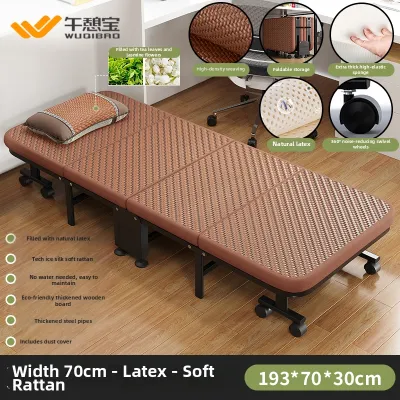




Prices are valid at publication and may change. Please refer to the product page for the latest price.
Do not overlook the path the bed must take to reach your bedroom. In many Philippine condominiums and apartment complexes, narrow hallways, tight stairwells, and compact passenger elevators present significant delivery challenges. Measure the height and width of your front door, bedroom door, and any tight corners along the entry path. Checking these dimensions against the packaged shipping dimensions of the bed will prevent the frustration of receiving a delivery that cannot physically enter your home.
Finally, consider the height of the bed when unfolded, especially if you plan to place it under a loft structure or a low ceiling. A bed frame that sits very low to the ground might be difficult for some users to get in and out of comfortably, while a frame that is too high might feel cramped in rooms with limited vertical clearance. Balancing these vertical and horizontal measurements ensures that the bed integrates naturally into your daily environment without causing physical obstruction.
Evaluating Rattan Quality and Frame Durability
When selecting a rattan folding bed, understanding the material composition is vital for ensuring long-term durability in tropical environments. Natural rattan is a classic choice, prized for its organic texture, flexibility, and lightweight strength. However, natural fibers are sensitive to extreme shifts in humidity and require consistent care to prevent drying out or absorbing excess moisture. If your bedroom is not air-conditioned or experiences high humidity, natural rattan may require more active maintenance to keep it in prime condition.

As an alternative, synthetic polyethylene (PE) rattan has become highly popular for modern space-saving furniture. PE rattan mimics the appearance of natural weave but offers superior resistance to moisture, spills, and daily wear. It is exceptionally easy to clean with a simple wipe-down, making it a practical choice for busy households, rental units, or rooms prone to dampness. When choosing between the two, consider how much time you can realistically dedicate to furniture maintenance and whether your room’s climate is consistently controlled.
The durability of a folding bed does not rely solely on the rattan weave; the underlying support frame is equally critical. Most high-quality folding beds utilize a reinforced steel, aluminum, or solid hardwood frame beneath the woven exterior. Before purchasing, verify the manufacturer’s stated weight capacity limits, which are typically listed on the product label or specification sheet. Choosing a frame with a generous weight limit ensures that the structure can safely support both the mattress and the sleeper without bending or warping over time.
Additionally, closely inspect the joint connections, hinge mechanisms, and the tension of the rattan weave. The hinges should operate smoothly without grinding or requiring excessive force, as stiff joints can lead to frame misalignment over time. Look for double-welded joints or heavy-duty bolting at key stress points where the frame folds. A well-constructed bed should feel stable and silent when you apply light pressure; any noticeable wobbling, squeaking, or loose weaving during a physical check indicates a frame that may not withstand the rigors of daily folding.
Mattress Compatibility and Comfort Trade-offs
A common challenge with folding beds is finding the right balance between a compact storage profile and adequate sleeping comfort. Many rattan folding beds come equipped with a built-in or matching mattress designed to fold along with the frame. These mattresses are typically thinner, often ranging from 5 to 10 centimeters in thickness, to ensure the bed can close tightly. While a thin foam mattress is highly space-efficient, it may not provide sufficient support for side sleepers or individuals who require pressure relief for their back and joints.
If you plan to use the folding bed as your primary sleeping surface, you may want to evaluate whether the frame can accommodate a separate, thicker mattress or a removable mattress topper. Adding a high-density foam or latex topper can dramatically improve comfort without requiring you to store a bulky standard mattress. However, you must remember that a thicker mattress cannot remain on the frame when folded. You will need to designate a separate storage spot, such as a closet shelf or a vacuum-sealed bag, for the topper when the bed is put away.
The base support system of the bed frame also plays a major role in how comfortable the mattress feels. A tightly woven rattan platform provides a firm, supportive foundation that prevents the mattress from sagging through the frame. This woven design offers a distinct advantage over metal spring grids, which can stretch out over time and cause the mattress to sink unevenly. Ensure the rattan weave is uniform and tightly secured to the frame edges to maintain consistent support across the entire sleeping surface.
In the warm, humid climate of the Philippines, breathability is another essential factor for a comfortable night’s sleep. Natural and synthetic rattan weaves naturally allow for excellent airflow beneath the mattress, preventing heat and moisture from becoming trapped. When pairing a mattress with your rattan frame, look for breathable covers made of cotton or bamboo-derived fabrics, and avoid solid plastic or heavy synthetic mattress protectors that block ventilation. This open airflow helps regulate your body temperature, keeping you cool and comfortable even during warm tropical nights.
Building Your Shortlist: Features for Tight Spaces
To narrow down your options and build a practical shortlist, you should align the bed’s features with your specific living arrangements and daily habits. If you intend to fold and unfold the bed every single day, ease of movement should be your top priority. Look for models that feature lightweight frames, smooth-gliding hinge mechanisms, and integrated carrying handles. Some folding beds also come equipped with small caster wheels on the center base, allowing you to roll the folded unit effortlessly into a closet or corner rather than lifting it.
Conversely, if the folding bed will remain set up for weeks at a time—perhaps in a guest room or a multi-purpose home office—you can prioritize structural weight and aesthetic design over portability. For semi-permanent setups, look for models with thicker, more intricate rattan weaves and heavier hardwood frames that resemble standard, non-folding bedroom furniture. These models often provide a more premium look and feel, blending seamlessly with your home decor while still offering the flexibility to be folded away when you need to reclaim the floor space.
Floor protection is a critical consideration, particularly if you are renting a condominium or have delicate flooring like polished hardwood or vinyl tiles. The constant motion of folding, unfolding, and sliding a bed can easily scratch or scuff your floors. To prevent this damage, look for folding beds that come with built-in rubber or plastic protective caps on the legs. If the model you prefer lacks these, plan to purchase aftermarket heavy-duty felt pads or rubber cups to apply to the contact points before using the bed.
Finally, consider whether you need additional storage solutions integrated into your bed frame. While some folding beds feature small under-bed clearance or attachable fabric pockets for storing books and phones, these additions can add weight and complexity to the folding process. Weigh the convenience of built-in storage against the physical effort required to move and fold a heavier frame. For most ultra-compact bedrooms, keeping the bed frame as simple and lightweight as possible yields the best daily user experience.
Setup, Maintenance, and Safety Checks
Proper assembly and regular maintenance are essential to ensure your rattan folding bed remains safe and functional throughout its lifespan. When your bed arrives, follow the manufacturer’s assembly instructions meticulously, paying close attention to the placement of washers, bolts, and locking pins. Never force a joint that seems misaligned; instead, loosen the surrounding fasteners slightly, align the pieces correctly, and then tighten all hardware securely. Ensuring that all locking mechanisms are fully engaged before anyone sits or lies on the bed is crucial for preventing sudden structural failure.
Maintaining the rattan weave requires a simple but consistent cleaning routine to prevent dust buildup and preserve the material’s integrity. For both natural and synthetic rattan, use a soft-bristled brush or a vacuum cleaner with a brush attachment to gently remove dust and debris from the crevices of the weave. If the surface requires deeper cleaning, wipe it down with a soft cloth slightly dampened with mild soapy water, then dry it immediately with a clean towel. Avoid using harsh chemical cleaners, abrasive scrubbing pads, or excessive water, as these can degrade the protective finish on the rattan and weaken the fibers.
Safety also depends on where and how you position the bed in your room. Always place the unfolded bed on a flat, level surface to distribute weight evenly across all support legs. If the floor is uneven, the frame may twist slightly under weight, putting uneven stress on the hinges and increasing the risk of a structural bend. Periodically inspect the folding joints, locking pins, and frame bolts to ensure nothing has worked itself loose from regular use, and tighten any loose hardware immediately to keep the bed stable and secure.
Frequently Asked Questions (FAQ)
Can I use a standard mattress on a rattan folding bed?
While it is possible to use a standard mattress on some rattan folding beds, doing so requires careful verification of the frame’s design limits. Standard mattresses, especially those with inner springs or thick memory foam layers, are often much heavier and thicker than the mattresses designed specifically for folding frames. Adding excessive weight can strain the hinges, warp the underlying support structure, and make the bed difficult or impossible to fold properly. Before upgrading your mattress, check the manufacturer’s specifications for the maximum allowable mattress thickness and weight capacity to ensure you do not compromise the safety or functionality of the folding mechanism.
How do I prevent rattan from molding in a humid condo?
Preventing mold growth on rattan in a humid tropical climate requires active moisture management and proper air circulation. Keep your bedroom well-ventilated by opening windows on dry days, or use an air conditioner or dehumidifier to maintain a stable, dry indoor environment. Avoid placing the bed directly against damp concrete walls where moisture can transfer to the fibers. Clean the rattan regularly according to the manufacturer’s care instructions, using a dry or slightly damp cloth, and ensure the material dries completely. If you notice persistent mold spots or if the rattan begins to feel soft, stop using the bed immediately and consult the manufacturer or a professional furniture restorer for appropriate treatment options.

Community discussion
Share your experience or ask a question. Comments are reviewed before publication.