
In compact Philippine homes, particularly modern studio apartments and condominiums in bustling urban centers, maximizing every square inch of storage is essential. Traditional shoe racks often consume valuable floor space, leaving closets cluttered and making it difficult to maintain an organized bedroom or entryway. Furthermore, the tropical climate and high humidity levels in the Philippines present a unique challenge: footwear stored in dark, unventilated floor corners is highly susceptible to mold, mildew, and material degradation. Transitioning to vertical storage solutions, such as a dedicated hanger shoes system or a hanging organizer, is a practical way to reclaim floor space while keeping your footwear elevated, visible, and well-ventilated. Selecting the right hanging solution requires a clear understanding of your closet’s physical dimensions, the structural limits of your storage fixtures, and the specific needs of your shoe collection.
Assessing Your Closet Space and Shoe Collection
Before purchasing any hanging shoe storage system, you must accurately measure your closet’s physical dimensions to ensure a proper fit. Begin by measuring the vertical clearance from your closet rod to the floor or the nearest lower shelf. A standard hanging fabric organizer typically requires between 100 and 120 centimeters of vertical space, so verifying this clearance prevents the organizer from bunching up at the bottom. Next, measure the horizontal width of your closet rod; hanging organizers can take up 15 to 30 centimeters of rod space, which will reduce the area available for hanging garments.
It is equally important to evaluate the volume, weight, and profile of your shoe collection. Count the number of pairs you plan to store and categorize them by type, such as lightweight slippers, flat sandals, athletic sneakers, or heavy leather shoes. While a pair of canvas slip-ons or flip-flops weighs very little, multiple pairs of structured leather shoes or wedge heels can accumulate significant weight. Consider the depth of your shoes as well; bulky running shoes or high-top sneakers require deeper storage compartments than flat sandals, and failing to account for this can result in shoes protruding into your closet’s walking or door-clearance path.
Products mentioned in this guide
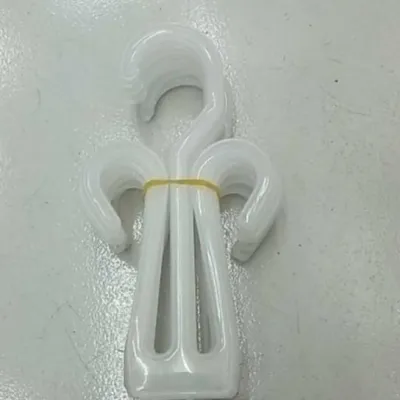
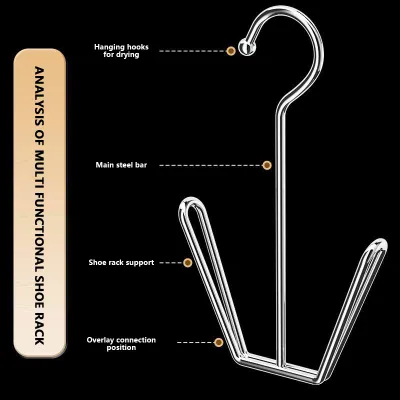
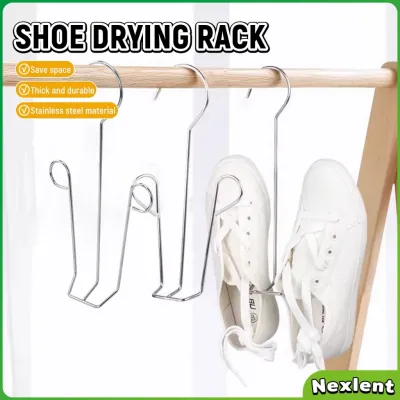
Prices are valid at publication and may change. Please refer to the product page for the latest price.
Finally, identify any physical obstructions within your closet that could interfere with the hanging system. Note the location of existing shelves, drawers, or low-hanging clothes that might block the organizer. If your closet uses sliding doors, bi-fold doors, or has a shallow frame depth, a hanging organizer might prevent the doors from closing fully. Ensuring you have at least 30 to 35 centimeters of clear depth inside the closet will allow most standard hanging organizers to hang freely without being crushed by the closet doors.
Types of Hanging Shoe Organizers and Their Space Requirements
Choosing the right shoe hanger system requires balancing your closet’s physical layout with your specific footwear collection. Different designs demand distinct installation conditions and spatial footprints, making it crucial to match the organizer’s structure to your wardrobe’s interior. In the Philippine market, options generally range from flexible fabric shelves to rigid, cascading plastic or metal hangers, each offering distinct advantages for space optimization and air circulation.

Over-the-Door and Rod-Hung Fabric Organizers
Over-the-door fabric organizers are highly efficient for utilizing the completely unused vertical plane of a closet door. Before selecting this style, inspect your door’s thickness and the clearance between the top of the door panel and the upper door frame. Most standard over-the-door metal hooks require a gap of at least 2 to 3 millimeters to allow the door to open and close smoothly without scraping or damaging the wooden frame. Additionally, check that the door hinges are tight and secure, as a door loaded with fifteen to twenty pairs of shoes will experience increased downward tension.
For fabric organizers designed to hang directly from a closet rod, verify the attachment mechanism. Most models use a wide fabric strap with a hook-and-loop closure or heavy-duty metal grommets with hanging hooks. Ensure your closet rod’s diameter is compatible with these attachments, as oversized wooden rods may not accommodate standard fabric straps. Fabric pockets are excellent for lightweight, flexible footwear, but they have physical limitations. Standard pockets may struggle to hold bulky athletic shoes or high-tops, so look for organizers featuring expandable mesh pockets or wider individual compartments that prevent your shoes from being squeezed and deformed.
Cascading and Clip-Style Shoe Hangers
Cascading hangers and individual clip-style shoe hangers hang directly from the closet rod, stacking shoes vertically beneath one another to minimize horizontal rod usage. This style is particularly useful for narrow closets where rod width is extremely limited but vertical space is abundant. When evaluating clip-style hangers, inspect the shape and construction of your shoes. Sandals with sturdy straps, flip-flops, and lightweight flats are ideal for simple hook or slot designs, which allow the shoes to hang naturally by their straps or heels.
For clip-style hangers that grip the heel or toe of the shoe, pay close attention to the clip tension and material. Avoid using high-tension metal clips on delicate materials such as soft leather, suede, or synthetic finishes, as prolonged pressure in a humid environment can leave permanent indentations or strip the outer coating. Instead, look for hangers equipped with adjustable, vinyl-coated or rubber-padded clips that grip securely without pinching. Additionally, calculate the cumulative weight of multiple stacked hangers to ensure your closet rod can support the concentrated downward force on a single point.
Installation Checks and Weight Capacity Limits
Ensuring the safety and longevity of your closet organization system requires a thorough inspection of your existing closet hardware. In many tropical households, high humidity can gradually weaken older wooden closet rods or cause thin, hollow metal rods to rust and sag. Before hanging any shoe organizer, check that the rod is securely anchored to the side walls and that the mounting brackets are tight. If your closet rod is longer than one meter and you plan to hang a heavy shoe organizer, consider installing a central support bracket to distribute the load and prevent the rod from bowing or collapsing.
If you are installing an over-the-door unit, test the door’s stability immediately after hanging the empty organizer. Open and close the door several times to ensure the hooks do not slide, rattle, or scratch the paint. Once you begin loading the organizer with shoes, monitor the structure for visual signs of overloading. Look for sagging fabric shelves, strained or fraying seams around the hanging straps, or a visible bend in the closet rod. If you notice any of these warning signs, immediately reduce the weight by moving heavier footwear to lower shelves or floor racks, keeping only lightweight items in the hanging organizer.
Common Sizing and Placement Mistakes to Avoid
One of the most common mistakes when installing hanging shoe storage is ignoring the swing radius and clearance of closet doors. Sliding doors are particularly problematic; a hanging organizer that protrudes even slightly past the shelf line can block the door from sliding open fully, restricting access to the rest of your wardrobe. For hinged or bi-fold doors, an over-the-door organizer must not collide with interior shelves or hanging garments when the door is closed. Always measure the depth of the organizer when fully loaded with shoes, as shoes sticking out of pockets will add several centimeters to the unit’s overall depth.
Another frequent error is overestimating the capacity of fabric pockets and forcing structured shoes into tight spaces. Cramming heavy leather boots, stiff high heels, or wide-soled sneakers into small fabric slots can stretch the material permanently, tear the seams, and ruin the shape of your footwear. Additionally, avoid placing all your heaviest shoes at the very bottom of an unsupported fabric organizer. While this might seem logical for stability, it pulls the entire fabric structure downward, causing the top seams near the rod attachment to tear. Distribute weight evenly by placing lighter footwear like slippers at the top, moderately weighted shoes in the middle, and keeping exceptionally heavy footwear on the floor or a low shelf.
Frequently Asked Questions (FAQ)
Can I use hanging shoe organizers for heavy boots or heels?
Hanging fabric organizers are generally not recommended for heavy boots, thick-soled leather shoes, or heavy platform heels. Most fabric pockets are designed for lightweight, flexible footwear, and heavy items can easily exceed the manufacturer’s weight limits, leading to ripped seams, sagging shelves, or a bent closet rod. If you must hang heels, ensure the organizer has reinforced plastic or wooden inserts in each shelf to distribute the weight evenly. For heavy boots, consider dedicated boot clips that hang from a sturdy rod, or store them on the closet floor where their weight is fully supported.
How do I keep fabric shoe organizers from swinging when I open the closet?
Fabric organizers hung from a rod tend to swing or slide when you move clothes or open the closet door. To stabilize them, you can secure the bottom corners of the organizer to the back wall or a lower shelf using non-damaging removable adhesive strips or elastic bands wrapped around a heavy object. Alternatively, placing a heavier, flat item, such as a storage box, on the very bottom shelf of the organizer can act as a ballast to minimize swinging. Avoid making permanent modifications or drilling holes into closet walls, especially in rental properties, and always ensure there is enough depth clearance so the organizer does not hit the back wall when swinging slightly.

Community discussion
Share your experience or ask a question. Comments are reviewed before publication.