
Finding the right internal closet storage for your footwear is all about maximizing neglected pockets of space. Instead of letting shoes pile up in a messy heap at the bottom of your wardrobe, integrating a dedicated lalagyan ng sapatos (shoe container) directly into your existing closet layout keeps your collection organized, clean, and easily accessible. By using vertical hanging organizers, under-shelf baskets, or stackable shoe slots, you can double your storage capacity without sacrificing precious floor space or requiring bulky external furniture.
Assessing Your Wardrobe Space and Shoe Storage Needs
Before purchasing any organizer, you must thoroughly evaluate the physical layout of your wardrobe. Start by taking precise measurements of your closet’s interior dimensions. Use a metal measuring tape to record the total width, depth, and height of your shelves, as well as the open vertical space beneath your hanging clothes. Many standard wardrobes feature a depth of 50 to 60 centimeters, which is more than deep enough for most shoes but often leaves a large amount of unused air space in front of or behind shorter footwear. Don’t forget to measure the door swing clearance and the position of the hinges, as these can obstruct slide-out drawers or hanging racks.
Next, categorize your footwear collection by physical dimensions and weight. Group your shoes into distinct categories: flat sandals, slippers, low-top sneakers, high heels, and bulky boots. Measure the height of your tallest heels and the length of your longest shoes to ensure they will fit comfortably within the compartments of any potential organizer. Heavier items like leather boots or thick-soled sneakers require sturdier support, while lightweight slippers can easily be tucked into fabric pockets. In tropical climates like the Philippines, where sudden rain showers are common, keeping your frequently used wet-weather footwear separate from delicate leather shoes is also an important organizational step.
Products mentioned in this guide
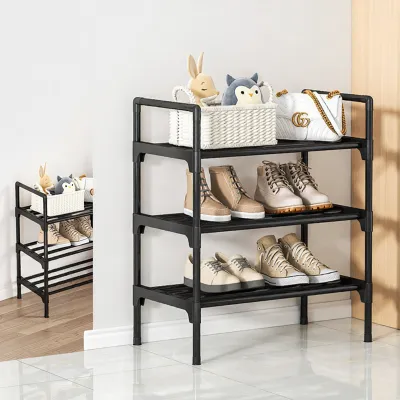
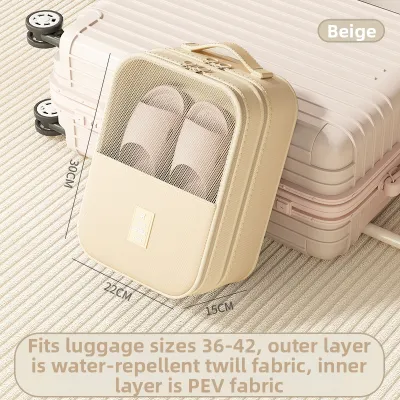
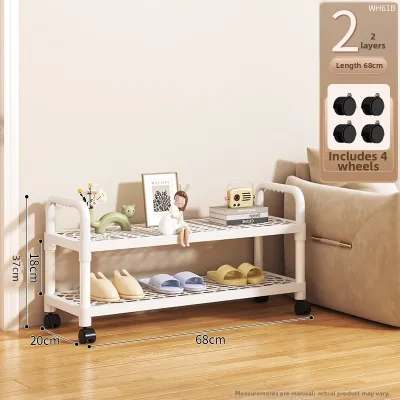
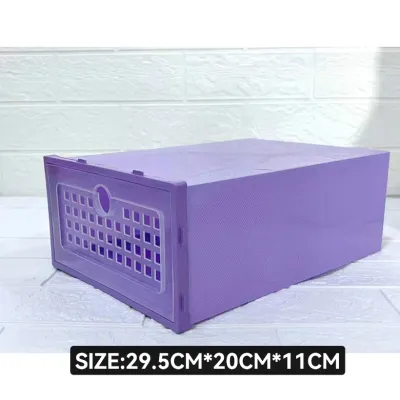
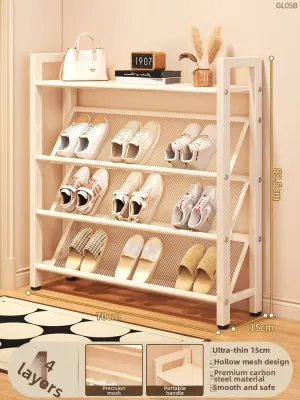
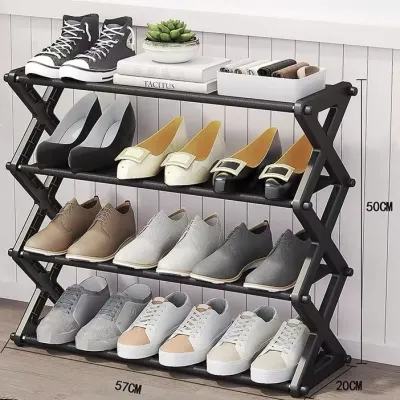
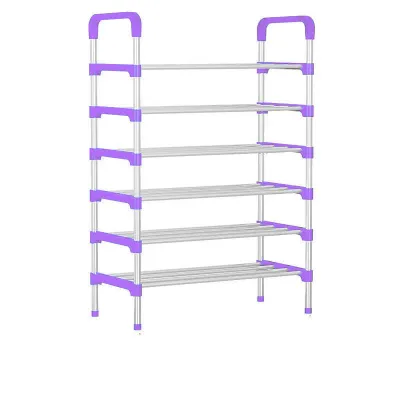
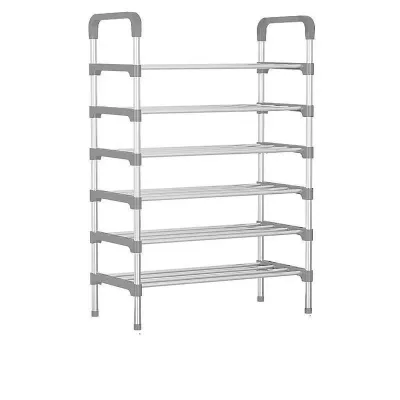
Prices are valid at publication and may change. Please refer to the product page for the latest price.
Finally, identify the “dead zones” within your wardrobe that currently serve no purpose. The space directly beneath hanging shirts and dresses is often underutilized, as is the back of the wardrobe door or the high, hard-to-reach top shelves. Bottom corners are also prone to becoming dark, disorganized clutter magnets. Pinpointing these specific areas allows you to select an organizer designed to target and reclaim that exact zone, turning wasted space into highly functional storage.
Types of Space-Saving Shoe Organizers for Wardrobes
Integrating shoe storage inside an existing wardrobe requires a strategic approach to space utilization. Different organizers are engineered to exploit specific areas of your closet, whether by hanging from a clothes rod, clipping onto an existing shelf, or stacking directly on the closet floor. Choosing the right style depends heavily on your wardrobe’s layout and the types of shoes you wear most frequently.

For wardrobes with ample hanging space but limited shelving, vertical hanging organizers or over-the-door pockets are highly efficient. If your closet is dominated by fixed wooden shelves, under-shelf baskets and slide-out racks can help you utilize the empty air space between shelves. Meanwhile, flat surfaces and closet floors benefit most from stackable shoe slots, which allow you to store pairs vertically rather than side-by-side.
Each organizer type comes with distinct trade-offs regarding accessibility, storage capacity, and structural impact. Hanging fabric shelves offer high capacity and easy access but can cause closet rods to sag if overloaded. Slide-out metal racks provide excellent visibility but require careful installation to avoid scratching your wardrobe’s interior. Understanding these balances ensures you choose a system that protects both your footwear and your cabinetry.
Hanging and Over-the-Door Organizers
Hanging and over-the-door organizers are excellent for utilizing vertical space without requiring permanent modifications to your wardrobe. Before choosing a hanging organizer, check the diameter of your closet rod and the thickness of your wardrobe doors. Over-the-door hooks must fit snugly over the top edge of the door without preventing it from closing completely, while hanging rod straps must be wide enough to wrap securely around your existing clothes rail.
Weight distribution is a critical safety factor when using these fabric or plastic organizers. Standard wardrobe door hinges and hanging rods are designed to support a specific weight limit, and overloading them can lead to structural damage. Heavy footwear can cause closet rods to bow or door hinges to become misaligned over time, resulting in doors that scrape or fail to shut. Inspect the stitching, grommets, and hook attachments of any hanging organizer to ensure they can support your intended load. In highly humid environments, look for canvas or heavy-duty polyester fabrics with anti-mold treatments, as cheap non-woven fabrics can degrade quickly when exposed to moisture.
These organizers are best suited for lightweight, low-profile footwear. Items such as flat sandals, canvas slip-ons, house slippers, and thin sneakers fit perfectly into fabric pockets or narrow hanging cubbies. Bulky items, such as thick-soled running shoes or heavy leather boots, are often too wide for these compartments and can stretch or tear the material, making them better suited for floor-level storage solutions.
Under-Shelf Baskets and Slide-Out Racks
Under-shelf baskets and slide-out racks are designed to reclaim the empty air space that often hovers above shoes on standard closet shelves. To ensure a proper fit, measure the thickness of your existing shelves and the depth of the cabinet opening. Slide-on wire baskets feature flat metal arms that slip over the shelf; you must verify that these arms do not prevent the wardrobe doors from closing or scratch the finished surface of the wood.
If you opt for a slide-out rack, check the clearance of the gliding mechanism. The tracks should slide smoothly without catching on the front lip of the shelf or scraping against the sides of the wardrobe. Look for racks with smooth, rounded edges or protective plastic coatings to prevent delicate shoe materials, such as suede or soft leather, from snagging on metal wires during retrieval. If you are storing shoes with soft soles, consider adding a thin, breathable plastic liner to the bottom of wire baskets to prevent the metal grids from leaving permanent indentations on your footwear.
Weight distribution is equally important for under-shelf storage. Placing heavy shoes in a single under-shelf basket can cause the shelf above to bow downward, potentially pulling shelf pins out of their wall brackets. Distribute your footwear evenly across the basket, and reserve these suspended compartments for mid-weight shoes like loafers, flats, or lightweight trainers rather than heavy work boots.
Stackable Shoe Slots and Adjustable Dividers
Stackable shoe slots and adjustable dividers are highly effective tools for doubling the storage capacity of flat shelves and closet floors. These compact plastic or acrylic inserts work by holding one shoe directly above its partner, effectively halving the horizontal footprint of each pair. This design allows you to store twice as many shoes on a single shelf without stacking them directly on top of each other, which can transfer dirt and cause scuffing.
When selecting shoe slots, prioritize models with adjustable height settings. Adjustable slots allow you to customize the angle of the top platform, accommodating everything from flat sandals to high-heeled pumps and ankle boots. Check the locking mechanism of the adjuster to ensure it remains secure under the weight of your shoes and does not collapse when you retrieve a pair.
Stability is crucial for preventing stacked shoes from tumbling down when you open your wardrobe. Look for slots that feature anti-slip textures on the platforms and a raised front lip to keep the upper shoe securely in place. Keep in mind that very bulky footwear, such as wide-fit basketball sneakers or thick platform shoes, may not fit comfortably within standard shoe slots, so measure your widest shoes before purchasing. To maintain hygiene, choose plastic slots that can be easily wiped down with a damp cloth and mild soap, ensuring they are completely dry before replacing your shoes to prevent mold.
Key Features to Check Before Buying
When shopping for an internal wardrobe lalagyan ng sapatos, a precise checklist of physical specifications will help you avoid purchasing items that do not fit. Always compare the exact external dimensions of the organizer against the measurements of your wardrobe’s interior gaps. Even a discrepancy of a few millimeters can prevent a slide-out drawer from opening or cause a hanging organizer to bunch up against the closet floor.
For renters or those with delicate custom cabinetry, installation requirements are a primary consideration. Prioritize damage-free, tool-free mounting options such as tension rods, over-the-hook hangers, or heavy-duty adhesive strips that can be removed without leaving residue or stripping paint. If an organizer requires screws, ensure your wardrobe panels are thick enough to accommodate them without puncturing through to the exterior side of the cabinet.
In tropical climates like the Philippines, high humidity levels inside enclosed wardrobes can lead to mold growth, mildew, and unpleasant odors on footwear. To combat this, evaluate the material durability and ventilation features of any organizer you consider. Choose breathable materials such as canvas, mesh, or open wire grids over solid, unventilated plastic boxes. If you prefer plastic containers, look for models with built-in ventilation holes or drop-front doors that allow air to circulate freely around your shoes. Additionally, select materials that resist rust, such as powder-coated steel or high-grade plastics, to ensure longevity in humid conditions.
Safe Installation and Wardrobe Integration
Proper installation is essential to ensure your new shoe organizers do not compromise the structural integrity of your wardrobe. Before loading your organizers with shoes, verify the load-bearing capacity of your existing closet components. Standard wooden shelves, hanging rods, and door hinges all have weight limits; exceeding these limits can cause sagging, warping, or sudden structural failure. Pay close attention to the material of your wardrobe; particle board (MDF) shelves have a lower screw-holding capacity and are more prone to sagging under weight than solid wood or plywood.
To protect delicate wood finishes and avoid drilling into rented property, utilize non-destructive mounting accessories. Non-slip rubber pads can be placed under stackable organizers to prevent them from sliding and scratching the shelf surface. If you are using tension-mounted racks, ensure the side walls of your wardrobe are sturdy enough to withstand the outward pressure without bowing or cracking.
If your chosen storage solution requires structural modifications, heavy drilling, or reinforcement of weak cabinet walls, stop the installation immediately. It is always safer to consult a qualified professional or carpenter to securely anchor heavy slide-out systems or reinforce sagging shelves. Taking these precautions protects your wardrobe investment and ensures your shoe storage system remains safe and stable for years to come.
Frequently Asked Questions (FAQ)
How do I prevent odors when storing shoes inside a closed wardrobe?
Preventing odors in an enclosed wardrobe starts with proper shoe hygiene and moisture control. Always ensure your shoes are completely dry and clean before placing them inside the closet, especially after walking in the rain or humid outdoor conditions. You can place moisture-absorbing products, silica gel packets, or activated charcoal bags inside the wardrobe to absorb excess humidity and neutralize lingering odors. Additionally, prioritize shoe organizers made with breathable mesh panels or open wire frames, which facilitate natural airflow and prevent stale air from trapping moisture around your footwear.
Can I store heavy boots in hanging wardrobe organizers?
Storing heavy boots in hanging wardrobe organizers is generally not recommended due to the risk of structural damage. Always check the manufacturer’s stated weight limit for both the hanging organizer and your closet’s hanging rod before attempting to store heavy footwear. Concentrated heavy loads can cause fabric seams to tear, hanging hooks to bend, or the closet rod itself to sag and pull away from the wall. For heavy boots, it is much safer to utilize floor-level storage, reinforced slide-out metal racks, or to place them on sturdy lower shelves using dedicated boot shapers to maintain their shape without straining your hanging storage systems.

Community discussion
Share your experience or ask a question. Comments are reviewed before publication.