
The best single folding bed for a small kids’ room in the Philippines is one that balances compact folded dimensions, child-safe locking mechanisms, and breathable materials suited for tropical humidity. Because children’s bedrooms in typical Philippine homes—such as urban condominiums or townhouse layouts—often double as play areas during the day, a folding bed single option must clear floor space efficiently while remaining structurally stable. Finding the right fit requires measuring the exact room footprint, evaluating the folding mechanism against your child’s age, and verifying safety certifications rather than relying on brand names alone.
Assessing Room Space and Bed Dimensions
Before purchasing a folding bed single model, you must map out the physical boundaries of the kid’s bedroom. Start by measuring the clear floor space where the bed will lie when fully unfolded. It is vital to maintain a clear walkway of at least 50 to 60 centimeters around the sides of the bed so your child can move safely without tripping, especially during nighttime visits to the bathroom.
Next, evaluate the folded footprint and the required storage depth. If you plan to tuck the bed away inside a built-in closet, under an existing loft bed, or behind a bedroom door, measure these storage cavities precisely. Compare these clearances with the manufacturer’s specified folded height, width, and depth. Remember to account for the thickness of the mattress when folded, as some frames compress the mattress while others require it to be stored separately.
Products mentioned in this guide
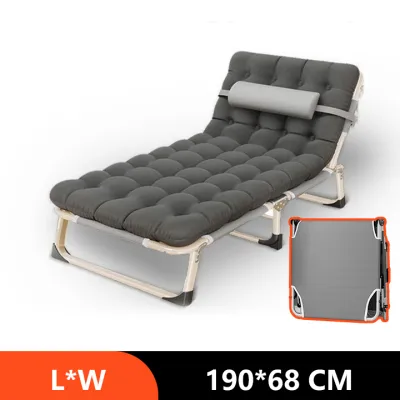
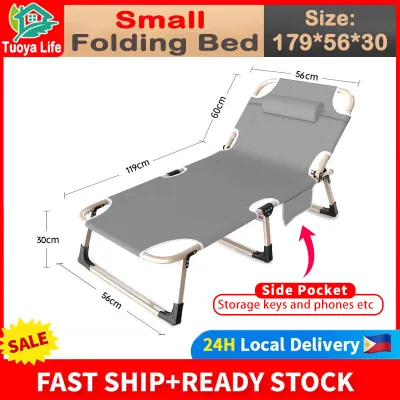

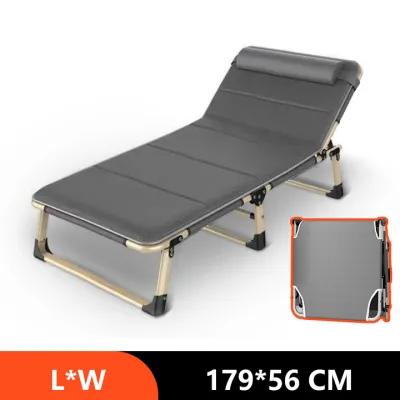
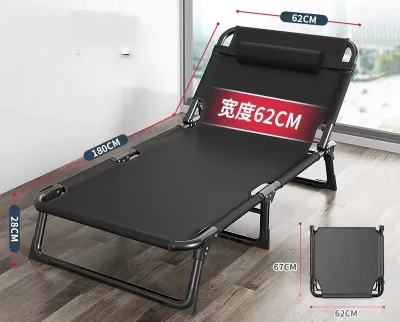
Prices are valid at publication and may change. Please refer to the product page for the latest price.
Do not forget to map out the swing paths of bedroom doors, closet doors, and window sills. A bed that fits perfectly when unfolded might block a wardrobe door or prevent a window from opening fully, which can restrict natural ventilation. In the warm, humid climate of the Philippines, maintaining unobstructed airflow from windows and wall-mounted fans is essential for a comfortable sleeping environment. Ensure the bed’s placement does not obstruct these vital pathways.
Comparing Types of Single Folding Beds
Several designs of single folding beds cater to different room layouts and daily routines. Understanding how each mechanism operates helps you select a model that aligns with your space-saving goals and your child’s daily habits.

Rollaway folding beds feature a metal or wooden frame equipped with casters. These models are highly mobile, allowing you to roll the bed into a closet or another room during the day. When evaluating rollaway options, check the caster material; soft polyurethane or rubber wheels are preferable for delicate bedroom floors, while plastic wheels may scratch surfaces over time. Ensure the casters have reliable locking brakes to keep the bed stationary when unfolded.
Wall-mounted or cabinet-style folding beds, often referred to as Murphy beds, offer a permanent, flush storage solution. These units fold vertically or horizontally into a wall cavity or a dedicated cabinet, completely freeing up floor space for playtime. However, these systems require secure anchoring to structural wall studs or concrete walls. Because of the installation complexity and the risk of tip-over, you must verify the wall material and consult professional installation guidelines before mounting.
Tri-fold or lightweight foam folding mattresses represent a low-profile, highly manageable alternative. These mattresses fold into three sections and can be stacked against a wall to serve as a temporary play seat or stored inside a closet. Because they lack a heavy metal frame, they eliminate the risk of pinched fingers and are exceptionally easy for older children to handle. However, because they rest directly on the floor, you must check the floor regularly for moisture buildup, which is common in humid tropical regions.
Verifying Safety and Comfort Features
Safety is the paramount consideration when introducing any folding furniture into a child’s room. Begin by verifying the manufacturer’s stated weight capacity limits and frame stability. A sturdy frame should resist wobbling or tipping when a child sits on the edge or rolls over during sleep. Look for wide, slip-resistant feet or locking legs that distribute weight evenly across the floor.
Carefully inspect the frame’s construction for potential hazards. Check all folding joints, hinges, and brackets for pinch points where small fingers could get caught during operation. The frame should have rounded corners, smooth welds, and protective plastic caps over exposed metal edges. Most importantly, verify that the bed features a secure locking mechanism—such as a safety latch, pin, or strap—that prevents the frame from accidentally folding or unfolding while in use.
Comfort is equally critical for a growing child’s physical development. Evaluate the mattress thickness and support type provided by the folding bed. While temporary beds often feature thinner mattresses, a child’s bed should offer sufficient support to keep the spine aligned. In the Philippines, high humidity can trap heat and moisture within bedding materials. Opt for mattresses with breathable covers, open-cell foam, or removable, washable covers that allow you to maintain hygiene and prevent mold growth.
Avoiding Common Sizing and Placement Mistakes
A common mistake when setting up a folding bed single unit is ignoring the physical clearance required to operate the folding mechanism itself. You must ensure there is enough overhead and lateral clearance to swing the frame open without hitting light fixtures, wall shelves, or hanging decor. Forcing a tight fit can damage both the bed mechanism and your room’s walls.
Another critical error is blocking essential room features. Avoid placing the folded or unfolded bed directly in front of electrical outlets, light switches, or air conditioning units. Crucially, never position the bed where it blocks the primary room exit or window escape routes. Keeping these pathways clear is a fundamental safety practice for any household.
Finally, avoid selecting a heavy, industrial-grade rollaway bed if you expect your child to manage the room setup. Complex spring-loaded mechanisms or heavy steel frames can be difficult and dangerous for a child to operate alone. If the bed requires significant physical effort to fold, plan to handle the transition yourself, or choose a lightweight tri-fold foam option that your child can safely manage under your supervision.
Frequently Asked Questions (FAQ)
Can a child safely fold and unfold the bed by themselves?
Generally, young children should not operate mechanical folding beds without adult supervision. Heavy metal frames, spring-loaded hinges, and locking pins require physical strength and coordination to manage safely. To prevent accidents or pinched fingers, always follow the manufacturer’s age recommendations. If you want your child to take charge of tidying their room, a lightweight, frame-free tri-fold foam mattress is a much safer alternative that they can easily stack and store independently.
Do single folding beds require special floor protection?
Yes, protecting your bedroom floor is highly recommended when using a folding bed single model. Metal legs and hard plastic casters can scratch wood laminate, vinyl, or polished tile floors over time due to friction and movement. To prevent damage, check the material of the bed’s feet or wheels before purchase. Placing a thin, durable area rug or protective rubber caster cups under the contact points will safeguard your flooring and provide extra stability to prevent the bed from sliding.

Community discussion
Share your experience or ask a question. Comments are reviewed before publication.