
Finding the right small table for a compact sala in the Philippines requires balancing physical dimensions, visual weight, and daily functionality. In tight living spaces—such as urban condominiums or cozy townhouses—a massive, solid-wood coffee table can quickly overwhelm the room and block foot traffic. The most effective solutions are highly adaptable pieces like nesting tables, C-tables, and rounded coffee tables that preserve precious floor space while providing necessary surface area. By focusing on smart layouts, lightweight designs, and durable materials suited for tropical climates, you can create a welcoming, functional sala that feels open and uncluttered.
How to Measure Your Sala for a Small Table
Before browsing online marketplaces or visiting local showrooms, you must take precise measurements of your existing layout. Start by measuring the distance between the front edge of your sofa and the opposite wall or TV console. To maintain a comfortable walkway, aim for a clearance of at least 30 to 45 centimeters between the edge of the table and the sofa. This distance allows you to sit comfortably and stretch your legs without bumping into the table, while still keeping drinks and remote controls within easy reach. Additionally, ensure there is a clear path of at least 60 to 75 centimeters for major walkways around the seating area so family members can move through the sala without having to squeeze past furniture.
Beyond horizontal floor space, you must assess the visual weight and proportion of the table relative to your other furniture. A common design guideline is to choose a coffee table that is approximately two-thirds the length of your sofa. If your sofa is particularly compact, a table that is too long will make the seating area look cramped, while a table that is too small may look lost. Consider your ceiling height as well; in rooms with lower ceilings, low-profile tables help create an illusion of vertical space. If you use an area rug in your sala, measure its dimensions as well, ensuring the table sits proportionally within its boundaries.
Products mentioned in this guide
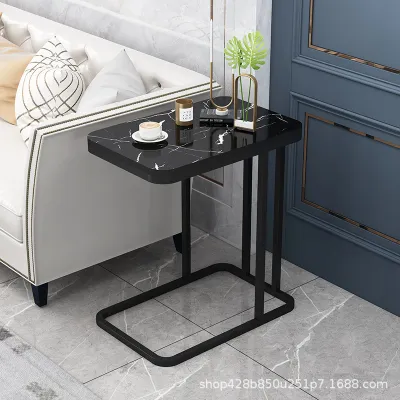
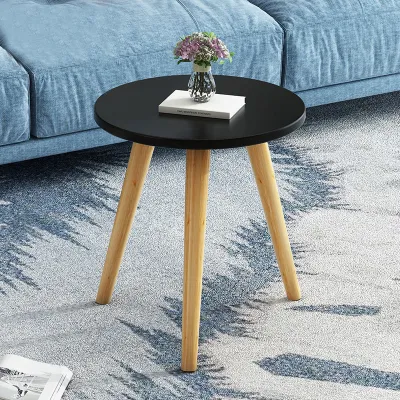
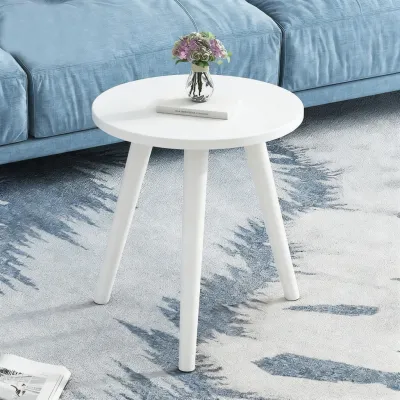
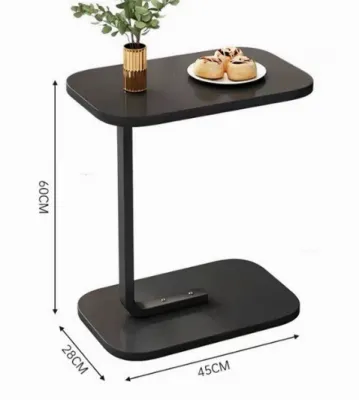
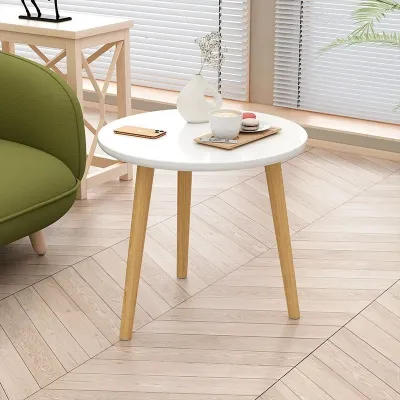
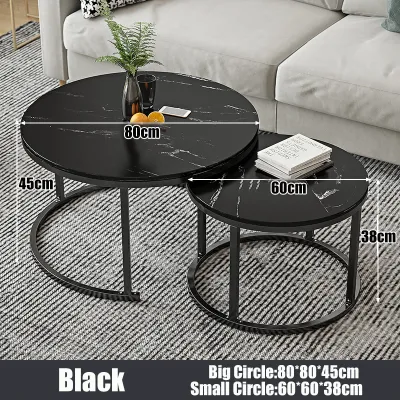
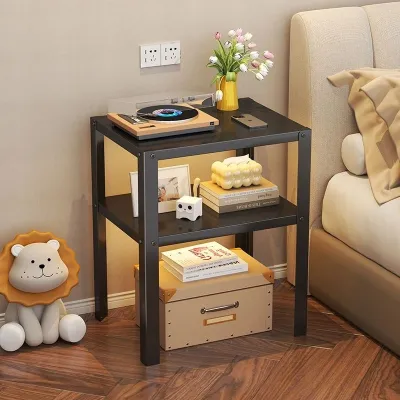
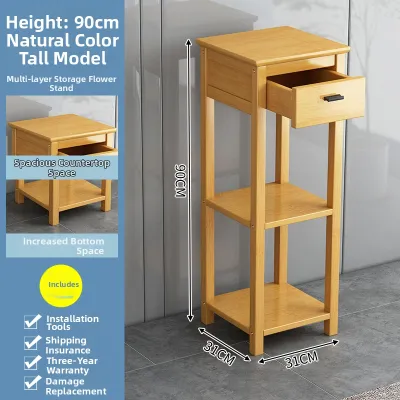
Prices are valid at publication and may change. Please refer to the product page for the latest price.
Finally, identify any physical obstacles in your sala that could restrict table placement or movement. Take note of swinging doors, low-hanging wall-mounted fans, floor-standing air conditioning units, or electrical outlets. If your table needs to be delivered to a high-rise condominium, verify the dimensions of your building’s service lift and doorways to ensure the packaged furniture can be brought inside safely. If your table needs to be moved frequently to access a sofa bed or to clear space for floor-standing fans during warmer months, prioritize lightweight designs or tables with integrated casters. Checking these physical constraints beforehand prevents the frustration of purchasing a piece that blocks essential pathways or interferes with daily household activities.
Key Features to Look for in Space-Saving Tables
When evaluating small tables for a compact sala, visual lightness is just as important as physical dimensions. Furniture with heavy, solid bases or dark, bulky finishes can make a small room feel claustrophobic, even if the physical footprint is small. Look for tables with slender metal frames, tapered wooden legs, or open shelving that allows light to pass through. Transparent materials, such as tempered glass or clear acrylic tops, are excellent choices for creating an airy feel, as they virtually disappear into the room while still providing a functional surface.

Multifunctionality is another critical feature to seek out when floor space is at a premium. Since a compact sala often serves multiple purposes—from a relaxation zone to a home office or dining area—your table should adapt accordingly. Look for designs with built-in storage compartments, such as lower shelves, hidden drawers, or lift-top mechanisms. Tables with foldable leaves or drop-leaf designs allow you to expand the surface area when hosting guests and fold it down to reclaim floor space once they leave.
Safety and traffic flow should never be overlooked in tight quarters. In a compact sala, the risk of bumping into sharp corners is significantly higher, especially in high-traffic zones. Prioritizing tables with rounded edges, oval silhouettes, or circular tops can prevent painful bruises and make navigating the room much smoother. Additionally, check the base design of the table; low-profile bases or recessed legs reduce tripping hazards and allow you to tuck your feet comfortably under the table when sitting on the sofa.
Best Table Shapes and Types for Compact Layouts
Selecting the right table shape and mechanical design depends heavily on how you use your living room and the specific layout of your seating. Different silhouettes offer distinct spatial advantages, and understanding these trade-offs will help you narrow down the options that best fit your daily routine.
Round and Oval Coffee Tables
Round and oval coffee tables are highly recommended for compact salas because their lack of sharp corners naturally facilitates smoother foot traffic. Without rigid angles, these tables allow you to navigate tight spaces between the sofa and the TV console with ease. They are particularly beneficial in households with active children or elderly family members, where minimizing sharp edges is a primary safety concern.
However, curved silhouettes do come with specific trade-offs. Unlike rectangular or square tables, round tables cannot be pushed flush against a flat wall to clear floor space when needed. They also offer slightly less usable surface area compared to their angular counterparts of the same width. If you have a large L-shaped sectional sofa, a single round table might not provide adequate reach for everyone sitting on the couch, requiring you to supplement it with small side tables.
Nesting Tables and C-Tables
For ultimate flexibility, nesting tables and C-tables are outstanding solutions for small spaces. Nesting tables consist of two or three individual tables of graduating sizes that slide completely underneath one another. This design allows you to keep them stacked compactly when you are alone, and easily pull them out to distribute around the room when hosting guests.
C-tables, named for their unique C-shaped profile, feature a cantilevered design that allows the base to slide under the sofa while the tabletop hovers directly over the seat cushion. This eliminates the need for central floor space entirely, making them perfect for narrow salas. When choosing these designs, it is crucial to verify the manufacturer’s specifications regarding stability and weight capacity. Because C-tables rely on a single-sided support structure, they can be prone to tipping if overloaded, so look for models with sturdy steel frames and weighted bases.
Lift-Top and Storage Coffee Tables
If your compact sala also functions as a temporary home office or dining area, a lift-top coffee table offers exceptional utility. These tables feature a mechanical top that lifts upward and forward, bringing the surface closer to you so you can work on a laptop or eat comfortably without slouching. Beneath the lifting mechanism, these tables typically offer generous hidden storage compartments to keep clutter like remote controls, chargers, and books out of sight.
Before purchasing a lift-top table, carefully inspect the mechanical components. Look for high-quality gas struts or heavy-duty spring hinges that operate smoothly and lock securely in place. Keep in mind that these tables inherently carry more visual bulk and physical weight than open-frame designs. To prevent the table from dominating your small sala, look for models that balance the solid storage base with slender legs or a lighter wood finish.
Material and Durability Checks for Everyday Use
In the Philippines, the tropical climate brings high humidity and warm temperatures, which can severely impact furniture durability if materials are not chosen carefully. When shopping for a small table, do not rely solely on attractive product photos; instead, scrutinize the manufacturer’s material specifications. If you prefer wooden furniture, look for engineered wood with moisture-resistant treatments or solid hardwoods sealed with protective polyurethane coatings to prevent warping, swelling, or cracking in humid conditions.
For metal frames, verify that the surface has been powder-coated or treated with rust-resistant finishes to withstand moisture. If you are considering glass tabletops, ensure the product description explicitly states the use of tempered glass, which is significantly stronger and safer than standard glass. Always check the assembly instructions and joint construction; tables assembled with sturdy metal-to-metal bolts generally offer better long-term stability than those relying solely on wood screws or simple glue joints.
To protect your flooring—whether you have ceramic tiles, polished concrete, or vinyl planks—check if the table includes non-slip felt or rubber floor protection pads. These pads prevent unsightly scratches when sliding nesting tables or moving the coffee table aside. When budgeting for your purchase, factor in potential shipping fees in ₱, especially for heavier materials like tempered glass or solid wood. If a product listing lacks clear information regarding weight limits, assembly requirements, or specific care instructions, stop and contact the seller or manufacturer directly before making a purchase to ensure the table meets your household’s needs.
Frequently Asked Questions (FAQ)
What is the ideal height for a coffee table in a small sala?
The general rule of thumb is that the top of your coffee table should sit level with or slightly lower than the seat cushions of your sofa, typically between 40 and 50 centimeters from the floor. A table that is too high will disrupt the visual flow of a small room and feel awkward to use, while a table that is too low can make reaching for items uncomfortable. Always measure the exact height of your sofa cushions before purchasing a table to ensure a comfortable, ergonomic match.
Can I use a side table instead of a coffee table in a compact room?
Yes, replacing a central coffee table with one or two side tables is an excellent way to maximize floor space in a very narrow sala. By keeping the center of the room clear, you create a more open walkway and make the space feel significantly larger. The primary trade-off is a reduction in shared surface area; guests sitting in the middle of the sofa may find it harder to reach a side table, which can be mitigated by using lightweight, easily movable C-tables.

Community discussion
Share your experience or ask a question. Comments are reviewed before publication.