
Quick Answer: Which Mattress Type Sleeps Coolest?
When sleeping in the tropical climate of the Philippines, managing heat and humidity is essential for a restful night. Natural latex and spring foam (often referred to as hybrid) mattresses sleep significantly cooler than traditional memory foam. This temperature difference is primarily due to their structural designs, which allow air to circulate freely rather than trapping warm air close to your body.
Natural latex mattresses offer superior cooling because of their open-cell molecular structure and the specialized ventilation holes created during manufacturing. Spring foam mattresses, which combine pocketed coils with foam comfort layers, also excel at heat dissipation. The open-air space between the steel coils acts as an internal ventilation chamber, allowing body heat to escape downward and outward.
In contrast, traditional memory foam is highly dense and relies on your body heat to soften and contour to your shape. This contouring effect creates a close seal around your body, which naturally traps heat. While modern memory foam mattresses often incorporate cooling technologies like gel infusions, copper particles, or phase-change covers, these features can reach thermal saturation during warm, humid nights. For rooms cooled primarily by electric fans or naturally ventilated by tropical breezes, latex and spring foam mattresses provide more reliable, long-term cooling.
Products mentioned in this guide
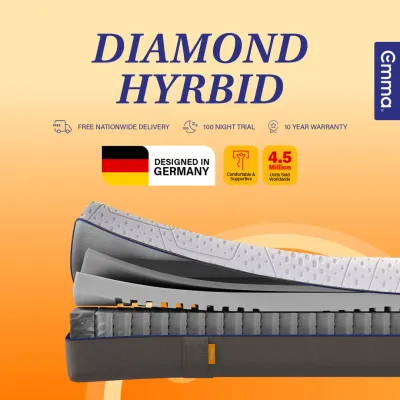

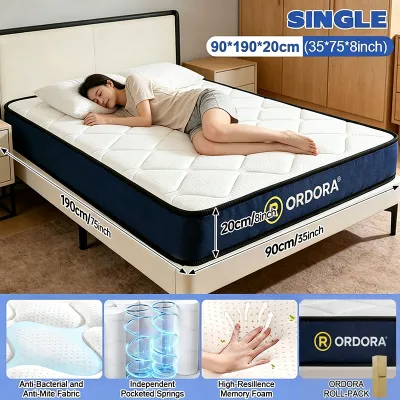
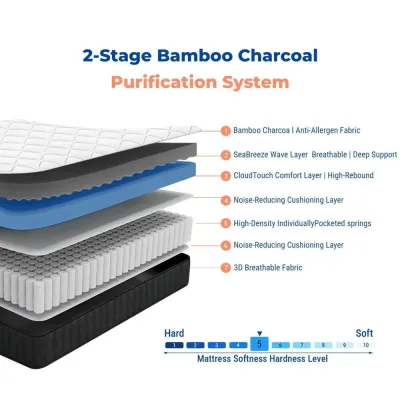
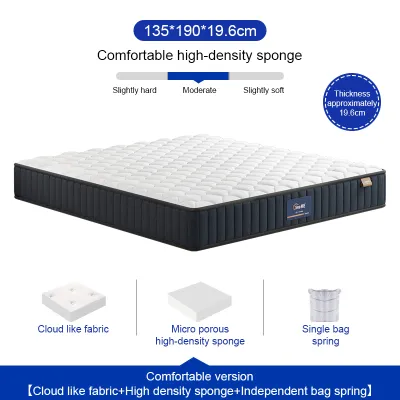
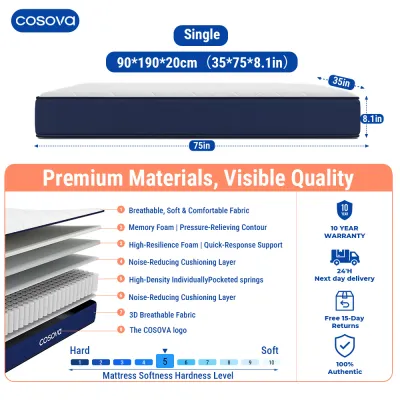
Prices are valid at publication and may change. Please refer to the product page for the latest price.
Heat Dissipation: How Each Mattress Material Handles Temperature
To understand why different mattresses feel warmer or cooler, it helps to look at how their materials interact with body heat. Your body radiates heat continuously throughout the night. A mattress can either absorb and disperse this heat or reflect it back to you, directly affecting your sleep quality and comfort.

Spring Foam Airflow and Coil Ventilation
A spring foam mattress utilizes a supportive core of pocketed steel coils topped with foam comfort layers. This design is highly effective for temperature regulation because the mattress interior is mostly open space. As you move during sleep, the compression and expansion of the coils act like a bellows, actively pushing warm air out of the sides of the mattress and drawing cooler ambient air in.
While the coil base provides excellent cross-ventilation, the overall surface temperature of a spring foam mattress still depends on the top comfort layers. If the manufacturer uses dense, non-breathable synthetic foam directly beneath the cover, you may still experience some surface warmth. However, because the heat has an open pathway to escape downward into the coil system rather than pooling directly under your body, spring foam mattresses maintain a much cooler average temperature than solid foam beds.
Latex Breathability and Open-Cell Structure
Natural latex is harvested from the sap of rubber trees and processed into a highly resilient, breathable foam. Its molecular structure is naturally open-cell, meaning it consists of millions of tiny, interconnected air bubbles that allow heat to pass through rather than becoming trapped. This natural cellular design makes latex inherently more breathable than any petroleum-based synthetic foam.
During the manufacturing process—whether using the Dunlop or Talalay method—the liquid latex is poured into molds containing metal pins. These pins conduct heat to cure the latex, leaving behind a grid of vertical pin-core holes throughout the finished mattress. These structural channels dramatically enhance air circulation, allowing your body heat to escape vertically through the mattress with every movement.
It is important to distinguish between natural latex and synthetic latex. Natural latex retains its highly breathable, open-cell properties and remains cool to the touch. Synthetic latex, which is manufactured from petroleum derivatives, is denser, less elastic, and tends to trap more heat. When shopping in the Philippines, verifying the natural latex content of a mattress is a crucial step if your primary goal is maximum cooling.
Memory Foam Heat Retention and Cooling Technologies
Memory foam, or viscoelastic polyurethane foam, is famous for its slow-response pressure relief. However, this material is naturally dense and consists of closed cells that restrict airflow. Because memory foam requires ambient warmth and body heat to soften and conform to your physical shape, it acts as a thermal insulator, absorbing your body heat and holding it directly against your skin.
To combat this heat retention, manufacturers often introduce various cooling additives into the foam formula. Gel-infused memory foam is one of the most common solutions, designed to draw heat away from the body through thermal conduction. Other variations include copper or graphite infusions, which are highly conductive materials intended to disperse heat, and phase-change materials woven into the fabric cover to provide an initial cool-to-the-touch sensation.
While these technologies offer temporary relief when you first lie down, they have physical limitations. In a warm, humid room without active air conditioning, these cooling agents can quickly reach thermal saturation. Once the gel or copper matching the ambient room temperature can no longer absorb more heat, the dense viscoelastic base material resumes trapping your body heat. Consequently, solid memory foam remains the warmest of the three options in tropical environments.
Humidity Resistance and Durability in Tropical Climates
Operating a mattress in the Philippines means subjecting it to high relative humidity, which frequently exceeds 80 percent during the rainy season. This constant moisture exposure can compromise mattress materials, encourage the growth of mold and dust mites, and accelerate structural degradation if the mattress is not properly maintained.
Natural latex is highly resilient in humid environments. It is naturally resistant to mold, mildew, and dust mites, making it an excellent choice for tropical homes. However, because natural latex can still absorb ambient moisture from the air, it must be paired with a well-ventilated bed frame. Placing a latex mattress on a solid wooden platform or directly on a concrete floor can trap moisture underneath, potentially leading to mildew growth on the bottom cover. A slatted bed base with gaps of two to three inches is essential to keep a latex mattress dry and structurally sound.
Spring foam mattresses handle humidity well because of the open airflow within the coil chamber, which helps dampness evaporate quickly. However, the lifespan of a spring foam mattress depends heavily on the quality of its foam comfort layers and the breathability of its outer cover. If the cover material is synthetic and traps sweat, moisture can seep into the upper foam layers, causing them to soften prematurely. While modern pocketed coils are typically coated to resist rust, prolonged exposure to trapped moisture can still weaken the internal structure over time.
Traditional memory foam is the most vulnerable to high humidity. Viscoelastic foam is highly porous and can act like a sponge, absorbing moisture from both the air and your sweat. When memory foam remains damp, the polymer chains that give the material its supportive properties begin to break down. This chemical degradation leads to permanent softening, sagging, and a loss of support, particularly in the heavy hip and shoulder areas. In un-air-conditioned tropical rooms, this process can significantly shorten the mattress’s usable lifespan.
To protect your investment in any of these mattress types under tropical conditions, always check the manufacturer’s care label and warranty terms regarding humidity and mold. Using a breathable, water-resistant mattress protector is highly recommended to block sweat without trapping heat. Additionally, rotating your mattress 180 degrees every three to six months helps distribute wear evenly and allows different sections of the comfort layers to air out.
Sinkage and Support: How Contouring Affects Sleep Temperature
There is a direct physical relationship between how deeply you sink into a mattress and how warm you will feel throughout the night. When you sink deep into a mattress, the material wraps around your body, creating a physical barrier that blocks air from circulating across your skin. This insulation effect prevents your body from shedding heat through natural convection.
Spring foam and natural latex mattresses provide a responsive, buoyant feel that keeps you resting “on top” of the bed rather than “in” it. Because your body remains elevated, a larger surface area of your skin is exposed to the ambient air currents in the room, whether from a ceiling fan, a wall-mounted stand fan, or an air conditioning unit. This elevation facilitates the evaporation of sweat, which is your body’s primary method of self-cooling.
Memory foam, on the other hand, is designed for deep contouring. As it conforms to your curves, it creates a supportive “hug” that distributes weight evenly and relieves pressure points. While this sensation is highly comfortable for those with joint pain, it significantly reduces the surface area of your skin exposed to moving air. If you are a hot sleeper, this deep cradle can quickly make you feel trapped and overheated, especially during warm tropical nights.
When selecting a mattress, choosing the correct firmness level is essential to balance support and temperature regulation. A mattress that is too soft will cause excessive sinkage, increasing heat retention regardless of the material. For hot sleepers in the Philippines, a medium-firm to firm profile is generally ideal. This firmness level provides sufficient surface resistance to prevent you from sinking too deeply into the comfort layers while still offering targeted support for your spine, shoulders, and hips.
Side-by-Side Mattress Comparison Matrix
To help you quickly compare these three mattress types, the table below outlines how they perform across key decision dimensions in a warm, humid climate.
| Comparison Dimension | Spring Foam (Hybrid) | Natural Latex | Memory Foam |
|---|---|---|---|
| Airflow & Heat Dissipation | Excellent; open coil system allows continuous ventilation. | Excellent; natural open-cell structure with pin-core holes. | Fair to Poor; dense material traps heat; cooling gels have limits. |
| Humidity Resistance | Good; open interior helps moisture evaporate quickly. | Excellent; naturally resistant to mold, mildew, and dust mites. | Poor; susceptible to moisture absorption and rapid softening. |
| Sinkage & Contouring Feel | Moderate; balanced contouring with responsive bounce. | Low; resilient, buoyant "floating" sensation. | High; deep, slow-response contouring "hug." |
| Motion Isolation | Good; pocketed coils isolate movement locally. | Moderate; responsive but dampens motion across the bed. | Excellent; absorbs energy and eliminates motion transfer. |
| Relative Price Tier | Budget-Friendly to Mid-Range | Premium | Budget-Friendly to Premium |
Decision Guide: Which Cooling Mattress Fits Your Sleep Style?
Selecting the right mattress involves matching the material properties to your personal sleep preferences, your home’s ventilation setup, and your physical requirements.
Choose a Spring Foam Mattress if:
- You want balanced cooling and contouring: You appreciate the pressure relief of foam but want the reliable, deep ventilation provided by an open coil system.
- You prefer a familiar, responsive feel: You enjoy a mattress with a slight bounce that makes it easy to change sleeping positions throughout the night.
- You need solid edge support: The perimeter reinforcement found in most pocketed coil mattresses makes it easier to sit on the edge of the bed or use the entire sleep surface without feeling like you might roll off.
Choose a Natural Latex Mattress if:
- You prioritize natural, eco-friendly materials: You want a durable, chemical-free mattress harvested from sustainable sources.
- You sleep in a naturally ventilated room: You rely primarily on fans and open windows, requiring a material with maximum inherent breathability that will not hold onto ambient heat.
- You prefer a buoyant, "floating" sensation: You dislike the feeling of being stuck in a mattress and prefer to rest directly on top of the sleeping surface.
Choose a Memory Foam Mattress if:
- You sleep in a consistently air-conditioned room: You can maintain a cool ambient indoor temperature, which helps mitigate the foam's natural tendency to retain heat.
- You require maximum pressure relief: You experience chronic joint, hip, or shoulder pain and need a material that conforms closely to your body to eliminate pressure points.
- You are highly sensitive to partner movement: You share a bed and want near-perfect motion isolation to prevent waking up when your partner tosses and turns.
Crucial Verification Checks Before You Buy
Before finalizing your purchase, take time to verify several practical factors that impact long-term satisfaction. First, measure your bedroom space and check the finished dimensions of the mattress. Ensure there is adequate clearance around the bed frame for air to circulate, which is vital for keeping the mattress dry in humid weather.
Next, assess your home’s entry points. Latex and high-quality spring foam mattresses can be exceptionally heavy and rigid. Verify that the mattress dimensions can safely clear your doorways, narrow stairwells, or condominium elevators during delivery.
Finally, always review the manufacturer’s trial period and return policies. Because thermal comfort is highly subjective and depends heavily on your bedroom’s specific microclimate, sleeping on the mattress in your own home for several weeks is the only definitive way to ensure it keeps you cool and comfortable.
Frequently Asked Questions (FAQ)
Do cooling gel memory foam mattresses actually work in humid weather?
Cooling gel memory foam mattresses provide temporary temperature relief, but their effectiveness is limited in high humidity. The gel works by absorbing heat from your body through conduction, which creates a cool sensation when you first lie down. However, once the gel reaches thermal equilibrium with your body and the surrounding room air, it can no longer absorb heat. In a warm, humid room without air conditioning, the dense foam base will eventually trap heat, making structural airflow a more reliable long-term cooling solution.
Is a spring foam mattress better than pure innerspring for hot sleepers?
For most hot sleepers, a spring foam mattress offers a superior balance of comfort and temperature regulation compared to a pure innerspring mattress. While a traditional innerspring mattress provides maximum airflow because it lacks thick foam layers, it often lacks adequate pressure relief and motion isolation, leading to a stiff, uncomfortable sleep surface. A high-quality spring foam mattress combines the excellent ventilation of pocketed coils with thin, breathable foam comfort layers, giving you the pressure relief you need without significantly sacrificing the mattress’s overall cooling capacity.

Community discussion
Share your experience or ask a question. Comments are reviewed before publication.