
Quick Answer: Which Mattress Material Wins in Hot and Humid Weather?
No single mattress material is universally the best choice for every sleeper, as individual comfort preferences, body weight, and heat sensitivity vary. However, in a tropical climate characterized by high temperatures and elevated humidity, the structural design of your mattress plays a critical role in thermoregulation.
For those sleeping in warm, humid conditions, spring mattresses—particularly pocketed coils paired with breathable comfort layers—and aerated natural latex mattresses generally offer the most effective natural airflow. These materials facilitate continuous ventilation, helping to dissipate body heat and evaporate moisture before it settles into the core of the bed.
Traditional memory foam, while highly regarded for its pressure-relieving contouring, tends to act as an insulator, trapping body heat within its dense viscoelastic structure. Sleepers who prefer the contouring feel of memory foam but live in a tropical environment should look for modern open-cell structures, gel infusions, or phase-change materials designed to conduct heat away from the body.
Products mentioned in this guide

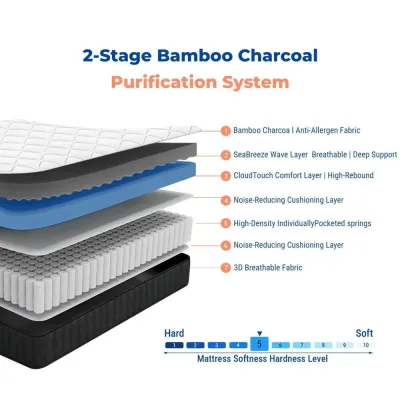
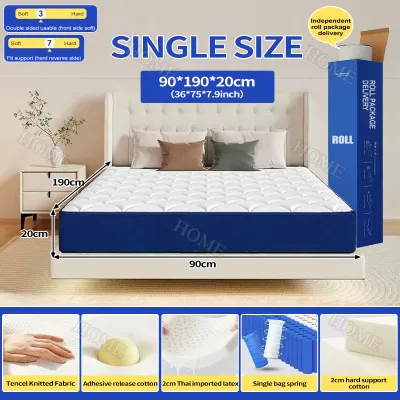
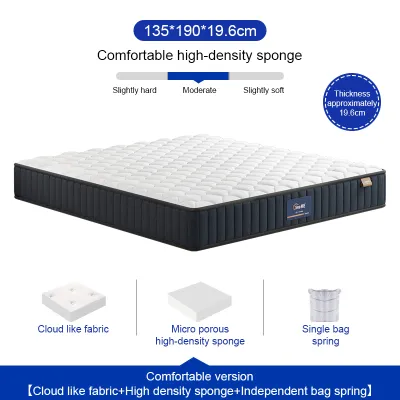
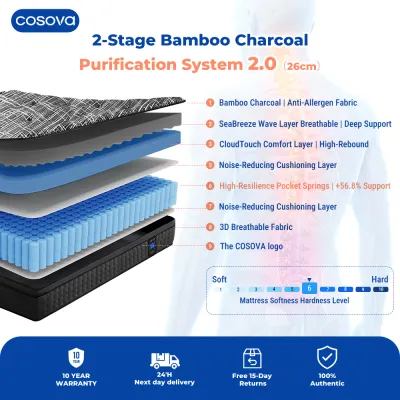
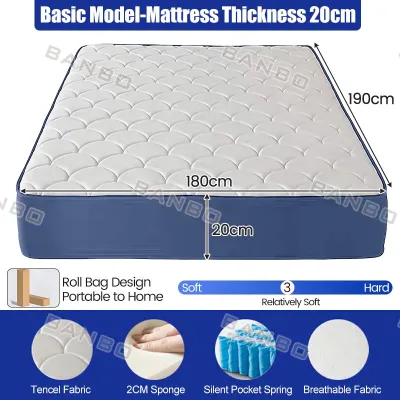
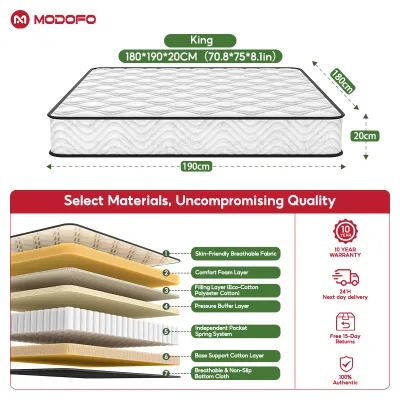
Prices are valid at publication and may change. Please refer to the product page for the latest price.
When selecting a queen-size mattress, which measures approximately 60 inches by 75 inches in the local market, spatial dynamics also come into play. Ensuring adequate clearance around the bed frame is essential for maintaining optimal air circulation throughout the bedroom, preventing stagnant, humid air from pooling around your sleeping surface.
How Heat and Humidity Impact Mattress Performance
Sleeping in a tropical climate like that of the Philippines presents unique challenges for physical comfort and sleep hygiene. High ambient temperatures prevent the body from naturally lowering its core temperature during the initial stages of sleep, which can disrupt deep sleep cycles and lead to frequent nighttime awakenings. When ambient relative humidity consistently exceeds 70 or 80 percent, sweat does not evaporate efficiently from the skin, leaving sleepers feeling warm and clammy.

This persistent moisture does not merely affect immediate comfort; it also migrates into the mattress layers. Over time, trapped humidity can lead to the accumulation of unpleasant musty odors, accelerated material degradation, and the growth of mold or mildew within the internal structure. Polyurethane foams can soften prematurely when exposed to constant moisture, while low-grade internal components can experience structural compromise.
To combat these environmental stressors, it is crucial to look beyond generic marketing terms and scrutinize the actual fabric composition of the mattress cover. Prioritize moisture-wicking cover fabrics, such as bamboo-derived viscose, Tencel, or specialized cooling yarns, which actively pull moisture away from the skin and facilitate rapid evaporation. Always check the manufacturer’s specifications and product labels to verify the presence of these breathable textile technologies.
Furthermore, the mattress must be viewed as part of an integrated sleep system. Even the most breathable mattress will struggle to dissipate moisture if it is placed on a solid, non-ventilated surface. Pairing your mattress with a breathable bed base, such as a high-quality slatted frame, ensures that air can circulate freely underneath the bed, preventing humidity from becoming trapped against the bottom layer of the mattress.
Material Breakdown: Cooling, Moisture, and Support
Spring Mattresses: Airflow and Structural Bounce
Spring mattresses excel in tropical environments primarily due to their open internal architecture. Unlike solid foam blocks, which present a continuous barrier to air movement, the core of a spring mattress consists of steel coils surrounded by open space. This configuration allows air to flow freely through the mattress with every movement of the sleeper, creating a natural convection effect that helps dissipate body heat and evaporate internal moisture.
When evaluating spring options, it is important to distinguish between traditional Bonnell spring systems and modern pocketed coils. Bonnell springs consist of interconnected, hourglass-shaped coils that move as a single unit; while they offer excellent breathability, they provide limited contouring and can transfer motion across the bed. Pocketed coils, conversely, are individually wrapped in fabric sleeves, allowing them to compress independently to contour to the body and isolate motion—a critical feature for couples sharing a queen-size bed.
However, the presence of a coil core does not guarantee a cool sleep surface if the comfort layers on top are poorly designed. Many spring mattresses feature thick “pillow tops” or comfort layers made of dense, non-breathable polyurethane foam. If these top layers are too thick or lack ventilation channels, they will trap heat directly beneath your body, neutralizing the cooling benefits of the spring core below. When shopping, verify the thickness, density, and material composition of these upper comfort layers.
Additionally, pay close attention to edge support specifications. Many modern pocketed coil mattresses utilize a high-density foam perimeter to prevent the edges from sagging when you sit or sleep near the side. In highly humid conditions, lower-quality perimeter foams can degrade and soften more rapidly than the steel coils themselves, leading to a rolling-off sensation. Look for mattresses that feature reinforced steel coils along the outer edges or high-specification, moisture-resistant edge foams to ensure long-term structural integrity.
Latex Mattresses: Resilience and Natural Ventilation
Natural latex mattresses offer a compelling combination of supportive contouring and temperature neutrality, making them highly suitable for tropical climates. During the manufacturing process, latex is poured into molds containing metal pins that conduct heat to cure the material. This process leaves behind a matrix of vertical “pin-core” holes throughout the mattress. These channels, combined with the open-cell molecular structure of latex, allow heat and air to escape vertically and horizontally as you move.
When selecting a latex mattress, it is vital to verify the exact material composition on the product tag, as “latex” can refer to natural, synthetic, or blended formulations. Natural latex, harvested from the sap of the Hevea brasiliensis rubber tree, is inherently more breathable, resilient, and durable than its synthetic counterparts, which are derived from petrochemicals. Synthetic latex blends tend to retain more heat and can degrade faster when exposed to the warmth and humidity characteristic of tropical regions.
While natural latex is naturally resistant to dust mites, mold, and mildew, it is not entirely immune to the effects of extreme humidity. Persistent moisture can still settle in the outer fabric cover or along the bottom surface of the mattress if proper ventilation is not maintained. Always consult the manufacturer’s care instructions regarding humidity exposure, and carefully review the warranty terms to understand how environmental factors and mold growth are addressed.
It is also worth noting that latex is a dense, heavy material. A queen-size natural latex mattress can be significantly heavier than a comparable spring or memory foam model. This weight can make delivery, setup, and routine maintenance—such as rotating the mattress or changing sheets—more physically demanding. Consider the structural strength of your bed frame and ensure you have assistance when positioning a latex mattress, particularly in multi-story residences or high-rise condominiums with tight corridors.
Memory Foam Mattresses: Contouring and Heat Management
Memory foam, or viscoelastic polyurethane foam, is celebrated for its ability to soften in response to body heat and pressure, molding precisely to the sleeper’s physical contours. While this property provides exceptional pressure relief and motion isolation, it presents distinct challenges in hot and humid climates. The dense, closed-cell structure of traditional memory foam restricts air movement, causing the material to absorb and retain body heat throughout the night, which can lead to a warm and uncomfortable sleeping experience.
To address this inherent limitation, mattress manufacturers have developed various engineering solutions designed to improve heat dissipation. When reviewing product specifications, look for open-cell memory foams, which feature broken cell walls that allow air to pass through more easily than traditional closed-cell designs. Other common treatments include gel infusions, where cooling gel beads are mixed into the foam to absorb initial heat, or the inclusion of conductive materials like copper or graphite to help pull warmth away from the body.
While these technologies can improve the thermal performance of memory foam, consumers should approach generic “cooling” claims with a degree of skepticism. Many such claims function primarily as marketing terms. To make an informed decision, look for detailed structural explanations, such as the specific density of the foam, the presence of physical airflow channels carved into the transitional layers, or independent certifications that verify the foam’s breathability and chemical safety.
Another factor to consider is the characteristic “sinking” sensation associated with memory foam. As the foam conforms to your body, it increases the surface area of contact between your skin and the mattress. This deep contouring can create a microclimate around your body, trapping air and making you feel warmer, even if the foam itself incorporates cooling treatments. If you sleep hot, a firmer memory foam profile or a hybrid model that limits deep sinking may be preferable.
Side-by-Side Comparison for Tropical Conditions
To help synthesize these material characteristics, the following table compares spring, latex, and memory foam mattresses across key dimensions that directly impact sleep quality in hot and humid environments. This comparison is based on the structural properties of each material rather than generalized marketing promises.
| Feature | Spring (Pocketed Coil) | Latex | Memory Foam |
|---|---|---|---|
| Airflow & Breathability | High; open space between coils allows continuous natural ventilation. | High; open-cell structure and pin-core holes facilitate heat escape. | Low to Moderate; dense viscoelastic structure restricts air movement. |
| Heat Retention Risk | Low; heat dissipates quickly through the open coil core. | Low to Moderate; natural rubber remains relatively temperature-neutral. | Moderate to High; tends to absorb and retain body heat over time. |
| Moisture & Mold Management | Good; high airflow helps dry out humidity, but low-grade coils can rust. | Moderate; naturally dust-mite resistant but requires a dry base to avoid mold. | Low to Moderate; dense foam can trap moisture if placed on solid surfaces. |
| Motion Isolation | Excellent in pocketed coils; poor in traditional interconnected Bonnell systems. | Good; responsive bounce absorbs some energy but retains a springy feel. | Excellent; absorbs energy completely to prevent partner disturbance. |
| Maintenance Requirements | Regular rotation; inspect perimeter foam for humidity-induced softening. | Regular rotation; heavy weight makes handling and setup more difficult. | Regular rotation; must be paired with a highly breathable slatted base. |
As indicated by the structural differences, hybrid mattresses have emerged as a popular compromise for sleepers seeking the pressure relief of foam alongside the cooling benefits of springs. Hybrids typically combine a pocketed coil support core with comfort layers of latex or memory foam on top. When evaluating a hybrid mattress, it is essential to verify the thickness and density of these upper comfort layers; if the foam layers are excessively thick, they can still block the airflow generated by the coil core, reducing the mattress’s overall cooling efficiency.
Practical Checks Before Buying a Queen Size Mattress
Selecting the right material is only part of the decision; you must also ensure the mattress physically fits your living space and lifestyle. Standard queen-size mattresses in the local market typically measure 60 inches wide by 75 inches long (approximately 152 cm by 190 cm). Before purchasing, measure your bedroom carefully to ensure you have at least 2 to 3 feet of open clearance on all three accessible sides of the bed. This space is not only necessary for comfortable walking paths but also crucial for facilitating adequate air circulation around the mattress, which helps prevent localized humidity buildup.
Delivery logistics require careful planning, particularly for dense or rigid mattress types. A queen-size pocketed spring mattress cannot be folded or compressed easily once fully manufactured, meaning it must be transported at its full dimensions. Measure your home’s entryways, stairwells, elevator doors, and tight hallway corners to ensure the delivery team can safely maneuver the mattress into your bedroom. While vacuum-sealed “bed-in-a-box” memory foam or hybrid options are easier to transport initially, they become heavy and unwieldy once expanded, and natural latex remains exceptionally heavy and flexible throughout its lifespan.
Additionally, verify the foundation requirements specified by the mattress manufacturer. Placing a heavy latex or memory foam mattress directly on a solid, non-ventilated surface—such as a solid wooden platform or the floor—restricts airflow beneath the bed. In a humid climate, this lack of ventilation can trap moisture, leading to mold growth on the underside of the mattress and potentially voiding your warranty. Ensure your bed base complies with the manufacturer’s guidelines, particularly regarding the spacing of slats on a slatted frame.
Finally, carefully review the brand’s trial period, return policy, and warranty conditions. Many online mattress brands offer home trial periods ranging from 30 to 100 nights, which can be invaluable for testing how the mattress performs under your specific home temperature and humidity conditions. However, check whether the brand enforces a mandatory “break-in” period (often 14 to 30 days) before a return can be initiated, and clarify who is responsible for covering the return shipping or pickup fees, as transporting a queen-size mattress can be costly.
Final Decision Framework: Which Material Should You Buy?
To finalize your decision, consider how your personal sleeping habits, room temperature controls, and budget align with the distinct characteristics of each material. Use the following framework to guide your choice:
- Choose Spring if: You prioritize maximum airflow, prefer a traditional responsive bounce, sleep exceptionally hot, and want a mattress that naturally resists heat retention without relying on continuous air conditioning.
- Choose Latex if: You want a balance of responsive support and natural cooling, prefer durable and eco-friendly materials, have a sturdy slatted bed base, and are prepared to handle a heavier mattress during setup and maintenance.
- Choose Memory Foam if: You need superior pressure relief for joint pain, prioritize maximum motion isolation to avoid disturbing your partner, sleep in a heavily air-conditioned room, and can verify through technical specifications that the foam features an open-cell or advanced cooling structure.
- Verify first if: You are considering a hybrid mattress; check the exact thickness and breathability of the comfort layers to ensure they do not compromise the ventilation provided by the underlying coil core.
Regardless of the material you choose, always read the specific product’s care label and the manufacturer’s maintenance guidelines regarding humidity control and cleaning before making your final purchase. Taking these steps ensures your investment remains supportive, hygienic, and comfortable for years to come.
Frequently Asked Questions (FAQ)
Do I need a specific bed base for a latex or memory foam mattress in a humid climate?
Yes, selecting the correct bed base is critical when using latex or memory foam mattresses in humid environments. Solid platform beds, solid box springs, or placing the mattress directly on the floor can block air from circulating through the bottom of the bed, creating a pocket where body heat and environmental humidity condense. Over time, this trapped moisture can lead to mold and mildew growth, which can damage the mattress and void the manufacturer’s warranty.
To prevent this, opt for a high-quality slatted bed base that allows the mattress to breathe from the bottom up. Ensure the slats are spaced according to the manufacturer’s exact specifications—typically no more than 2.75 to 3 inches apart—to provide adequate structural support for heavy foam or latex layers while still facilitating optimal air circulation.
How often should I rotate my mattress to prevent mold and sagging in high humidity?
You should rotate your mattress 180 degrees (from head to foot) every 3 to 6 months, or in accordance with the manufacturer’s recommended maintenance schedule. Regular rotation helps distribute body wear evenly across the surface of the mattress, preventing the comfort layers from sagging prematurely in areas of high pressure, such as under the hips and shoulders.
In high-humidity climates, regular rotation should be combined with active ventilation practices. On dry, breezy days, remove the bedsheets and allow the mattress to air out near an open window or in an air-conditioned room. Vacuuming the mattress surface occasionally with a clean upholstery attachment also helps remove dust and fibers, reducing the risk of localized moisture accumulation and maintaining a hygienic sleeping environment.

Community discussion
Share your experience or ask a question. Comments are reviewed before publication.