
Choosing the ideal mattress material for the Philippine climate depends on how you balance heat dissipation, moisture resistance, and budget. There is no absolute, one-size-fits-all solution, but the physical properties of spring, latex, and memory foam behave differently under tropical conditions.
Spring mattresses provide the highest level of natural airflow because of their open internal structure. Latex mattresses offer an excellent compromise, delivering resilient, contouring support while resisting the mold and dust mites that thrive in high humidity. Traditional memory foam tends to retain body heat, making it feel warm and sticky unless it is paired with advanced cooling technologies or used in a consistently air-conditioned room.
Why Tropical Heat and Humidity Matter for Mattress Selection
Sleeping in a tropical country like the Philippines presents unique environmental challenges that directly affect sleep quality. High ambient temperatures, which frequently stay above 30 degrees Celsius even during the night, interfere with the body’s natural thermoregulation. To fall asleep and remain in a deep sleep cycle, your core body temperature must drop slightly. A mattress that traps heat prevents this natural cooling process, leading to restless tossing, turning, and night sweats.
Products mentioned in this guide

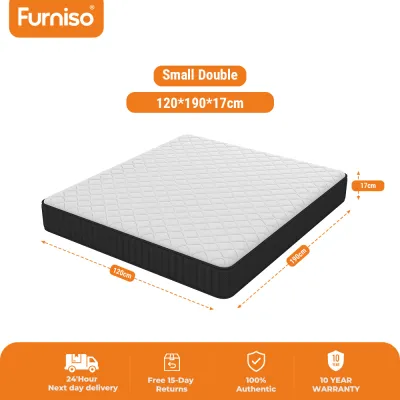
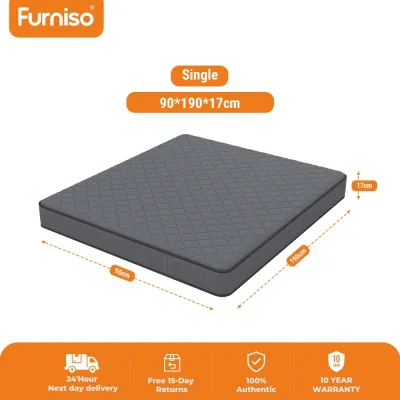
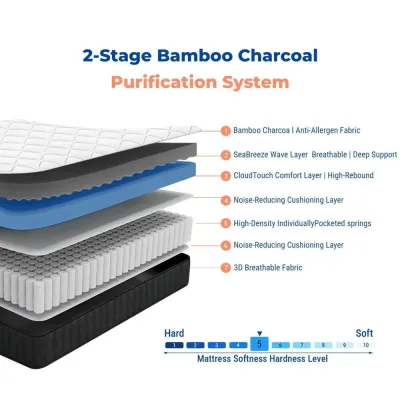
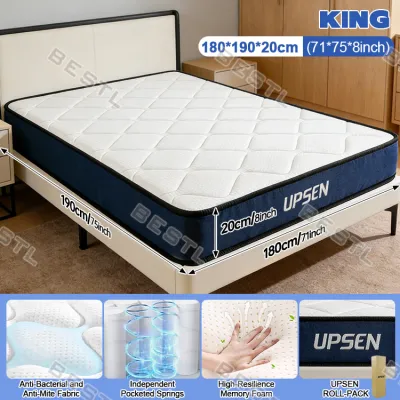
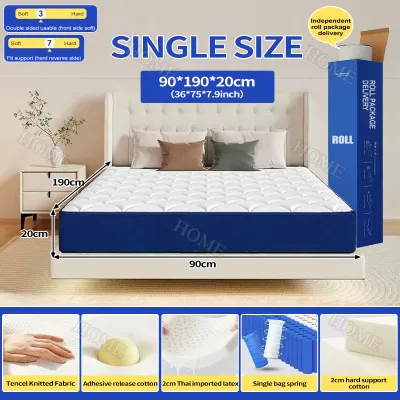
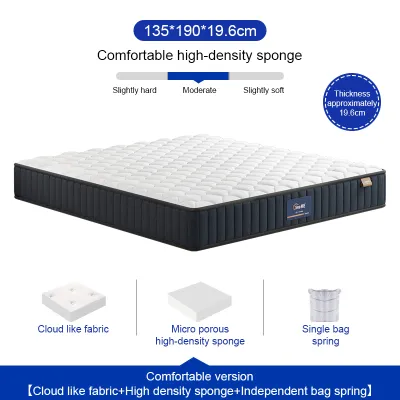
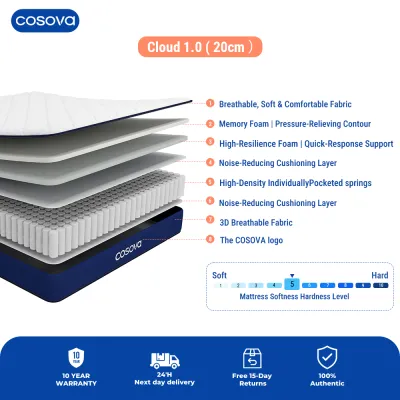
Prices are valid at publication and may change. Please refer to the product page for the latest price.
Relative humidity levels in the Philippines regularly exceed 80 percent, especially during the rainy season. This moisture-rich air penetrates deep into bedding materials. When sweat and environmental humidity accumulate within a mattress, they create an ideal breeding ground for mold, mildew, and dust mites. Over time, this moisture buildup degrades foam layers, causing them to soften prematurely and lose their supportive properties.
To maintain a hygienic and comfortable sleeping environment, you must prioritize breathability and moisture management. A mattress with poor ventilation will not only feel hot but will also have a significantly shortened lifespan. Choosing the right material requires understanding how air flows through the mattress core and how the surface materials interact with moisture.
Spring Mattresses: Airflow, Bounce, and Humidity Resistance
Spring mattresses are highly effective at managing heat due to their open internal architecture. The core of a spring mattress consists of steel coils surrounded by large pockets of open space. This design allows air to move freely through the mattress with every movement you make, pushing warm air out and drawing cooler air in. This continuous ventilation prevents heat from building up under your body, making spring mattresses a highly reliable option for non-air-conditioned bedrooms or homes relying on ceiling fans.

When shopping, you will encounter two main types of coil configurations: traditional innersprings (such as Bonnell or continuous coils) and pocket springs. Traditional innersprings feature interconnected coils that provide excellent airflow and a highly responsive, bouncy feel. However, because the coils are joined together, they transmit motion across the bed, which can disturb a sleeping partner. Pocket spring systems, on the other hand, feature individually wrapped coils that compress independently. This design offers superior contouring and motion isolation while maintaining excellent air circulation through the fabric sleeves surrounding each spring.
When evaluating options like a furniso spring mattress or other pocket spring models, you must look closely at the comfort layers positioned above the coils. Many manufacturers add thick layers of high-density foam or pillow-tops to enhance cushioning. If these comfort layers are made of dense foam without ventilation channels, they can block the airflow from the coils below, neutralizing the cooling benefits of the spring system. Always check the specifications of the comfort layers to ensure they use breathable foams, natural fibers, or gel infusions.
From a durability standpoint, high-quality steel coils resist moisture-induced sagging far better than solid foam blocks. However, in highly humid coastal regions of the Philippines, salt-laden air can potentially corrode low-grade steel coils over time. It is wise to verify whether the coils have undergone anti-rust treatments and to ensure the mattress is supported by a stable, well-ventilated bed frame that does not trap moisture underneath.
Latex Mattresses: Natural Breathability and Moisture Resilience
Natural latex is widely regarded as one of the most premium and climate-resilient mattress materials available. Derived from the sap of rubber trees, natural latex features an inherent open-cell molecular structure that does not trap heat the way synthetic foams do. During the manufacturing process—whether using the Dunlop or Talalay method—the latex is poured into molds containing metal pins. This creates a grid of small vertical channels throughout the mattress, dramatically increasing airflow and allowing body heat to escape downward and outward.
Compared to memory foam, latex sleeps significantly cooler and has a much quicker response time. Instead of sinking deeply into the material, you float on top of a latex mattress. This buoyant support prevents the “envelope effect” where the mattress wraps around your body and traps heat against your skin. The responsive nature of latex also makes it much easier to move and change positions during the night, which is crucial for staying cool in warm weather.
For tropical climates, the moisture resilience of natural latex is a major advantage. Latex is naturally hypoallergenic and highly resistant to dust mites, mold, and mildew, which thrive in warm, humid environments. This resistance helps maintain a clean, allergen-free sleeping surface without the need for harsh chemical treatments.
However, natural latex mattresses represent a substantial financial investment, with prices in the Philippines often ranging from ₱20,000 to over ₱60,000 depending on the size and purity. Buyers must carefully verify whether a product is labeled as “100% natural latex” or a “synthetic blend.” Synthetic latex blends are cheaper but typically lack the same level of breathability, elasticity, and long-term durability as pure natural latex. Additionally, latex is exceptionally heavy, so you must ensure your bed frame can handle the weight and that you have sufficient help to navigate narrow doorways or stairwells during delivery.
Memory Foam Mattresses: Pressure Relief vs. Heat Retention
Memory foam, or viscoelastic foam, is famous for its pressure-relieving capabilities, but it presents distinct challenges in tropical climates. The material is engineered to respond to body heat and pressure, softening to contour precisely to your shape. While this provides excellent support for joints and isolates motion almost perfectly, the dense, closed-cell structure of traditional memory foam acts as an insulator, trapping your body heat directly beneath you.
In the Philippines, where nighttime humidity is high, this heat retention can create a sticky, uncomfortable sleeping surface. As you sink into the foam, the surface area of the mattress in contact with your skin increases, restricting the air circulation around your body. This can lead to a humid microclimate between your body and the sheets, causing you to wake up feeling hot and damp.
To address these thermal issues, manufacturers have developed various cooling modifications. Gel-infused memory foam incorporates gel beads or liquid gel designed to absorb and dissipate initial heat. Other variations use copper or graphite infusions to conduct heat away from the body, or employ open-cell formulations to improve ventilation. While these technologies help the mattress feel cooler when you first lie down, they can still saturate with heat over several hours of sleep, particularly if the ambient room temperature remains high.
If you prefer the deep pressure relief of memory foam but live in a warm climate, you must pay close attention to the mattress cover. Look for covers made from highly breathable, moisture-wicking fibers such as bamboo, Tencel, or specialized phase-change materials that help regulate surface temperature. Using an air conditioner to keep the bedroom ambient temperature low is often necessary to get the best performance out of a memory foam mattress in tropical regions.
Side-by-Side Comparison: Cooling, Support, and Lifespan
To help you evaluate these materials, the table below summarizes how spring, latex, and memory foam mattresses compare across key performance dimensions relevant to tropical living.
| Performance Dimension | Spring Mattress | Latex Mattress | Memory Foam Mattress |
|---|---|---|---|
| Airflow & Cooling | Excellent (Open coil structure allows maximum ventilation) | Very Good (Open-cell structure with pinhole ventilation) | Moderate to Poor (Dense structure tends to trap body heat) |
| Humidity & Mold Resistance | Good (Excellent airflow dries moisture, but steel can rust) | Excellent (Naturally resistant to mold, mildew, and dust mites) | Moderate (Dense foam can retain moisture if unventilated) |
| Motion Isolation | Moderate to Good (Pocket springs isolate well; innersprings transfer motion) | Very Good (Responsive bounce with localized compression) | Excellent (Absorbs movement completely, ideal for partners) |
| Edge Support | Excellent (Often reinforced with thick steel borders or foam encasement) | Good (Naturally resilient, though lacks a rigid border) | Moderate to Poor (Edges tend to compress deeply under weight) |
| Expected Lifespan | 7 to 10 Years (Depends on coil gauge and comfort layer quality) | 10 to 15+ Years (Highly durable and resistant to sagging) | 6 to 8 Years (Foam can soften and sag faster in humid conditions) |
This comparison highlights that while spring mattresses lead in raw cooling capability, natural latex provides a highly durable, mold-resistant alternative with superior longevity. Memory foam excels in motion isolation but requires active climate control, such as air conditioning, to offset its natural tendency to retain heat.
Decision Framework: Which Mattress Should You Choose?
Choosing the right mattress involves matching your personal sleep preferences with your home’s environmental conditions. Use the guidelines below to determine which material aligns with your needs:
Choose a Spring Mattress if:
- You do not use air conditioning overnight and rely on fans to stay cool.
- You prefer a traditional, responsive feel with plenty of bounce.
- You want strong edge support for sitting on the side of the bed or getting in and out easily.
- You are looking for a highly breathable option at a wide range of price points.
Choose a Latex Mattress if:
- You want a balance of pressure relief and cooling without the sinking feeling of foam.
- You suffer from allergies and need a mattress that naturally resists mold, dust mites, and mildew.
- You view your mattress as a long-term investment and want maximum durability.
- You prefer eco-friendly, natural materials and have a flexible budget.
Choose a Memory Foam Mattress if:
- You sleep with a partner and require absolute motion isolation to prevent waking each other.
- You suffer from chronic joint pain and need deep, body-contouring pressure relief.
- You sleep in a consistently air-conditioned room that keeps the ambient temperature cool.
- You are willing to pair the mattress with high-quality, moisture-wicking sheets and protectors.
Before making your final purchase, always verify the physical logistics of your home. Measure your bedroom floor space, bed frame dimensions, and the clearance of your doorways, stairwells, and elevators. Heavy mattresses like natural latex or thick pocket spring models require sturdy, closely spaced slats (typically no more than 3 inches apart) to prevent the mattress from sagging and to ensure proper air circulation underneath.
Frequently Asked Questions (FAQ)
Do I need a cooling mattress topper for a memory foam bed in the Philippines?
If you already own a memory foam mattress that sleeps too hot, a cooling topper can help improve surface comfort. Toppers made from natural latex, open-cell gel foam, or breathable bamboo fibers create a ventilated barrier between your body and the dense memory foam. However, a topper is a surface-level solution; it cannot alter the fundamental heat-trapping properties of the thick memory foam core beneath it. To maximize cooling, pair the topper with moisture-wicking sheets and keep your bedroom well-ventilated with a fan or air conditioner.
How can I prevent mold on my mattress in a humid climate?
Preventing mold in the humid Philippine climate requires active moisture management. Always use a high-quality, waterproof yet breathable mattress protector to shield the bed from sweat and ambient humidity without trapping heat. Ensure your bedroom has adequate airflow by opening windows during dry days or using a dehumidifier during the rainy season. Avoid placing your mattress directly on the floor, as moisture from the ground can accumulate underneath; instead, use a slatted bed frame that allows air to circulate freely beneath the mattress. Finally, always consult your mattress manufacturer’s specific care instructions for cleaning and rotating guidelines to keep your warranty intact.

Community discussion
Share your experience or ask a question. Comments are reviewed before publication.