
Choosing the right shoe rack organizer requires balancing your available closet space, the types of footwear you own, and the environmental conditions of your home. If you have ample floor space and heavy shoes like leather boots or thick sneakers, stackable racks offer the structural support and ventilation you need. For tight closets with unused vertical hanging space, hanging pockets keep lightweight footwear like sandals and flats easily accessible. When closet space is entirely maxed out, under-bed storage bins protect seasonal or less-frequently worn shoes from dust and humidity. Identifying the physical limits of your storage area ensures your shoes remain in excellent condition while keeping your bedroom clutter-free.
Assess Your Closet Space and Shoe Collection
Before purchasing any organizer, you must determine the exact physical boundaries of your closet. Start by clearing out the space and using a metal measuring tape to record the usable floor width, depth, and vertical clearance. Do not rely on visual estimates, as even a half-inch discrepancy can prevent a rigid organizer from fitting or cause closet doors to jam. Note the location of baseboards, door hinges, and low-hanging clothes, as these elements directly reduce the actual space available for your shoes.
Next, gather all your footwear in one place to conduct a thorough inventory. Count the total number of pairs and group them by style, such as flat sandals, high heels, bulky sneakers, and boots. This categorization helps you estimate the required shelf height and overall weight capacity. For example, high heels and boots require significantly more vertical clearance than flat slippers, while heavy leather shoes demand a sturdier support structure than lightweight canvas slip-ons.
Products mentioned in this guide
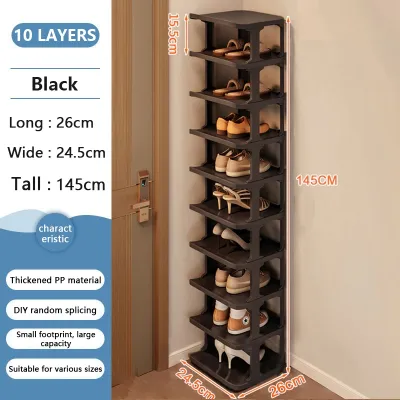
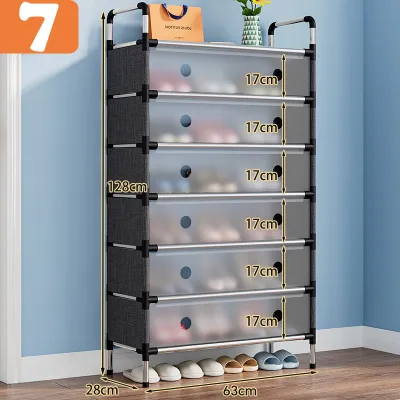
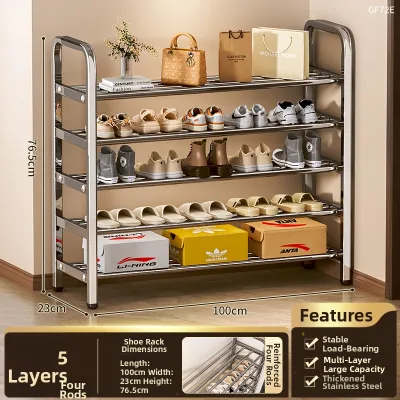
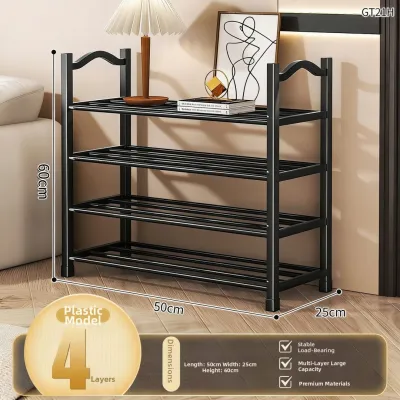
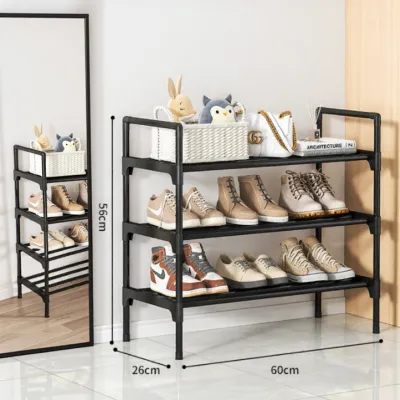
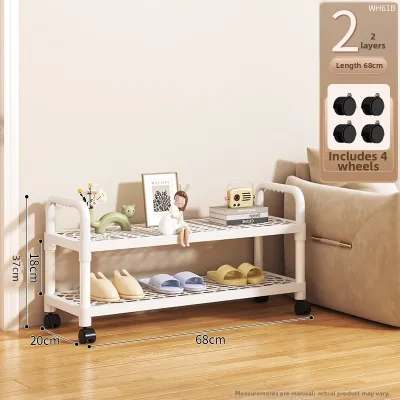
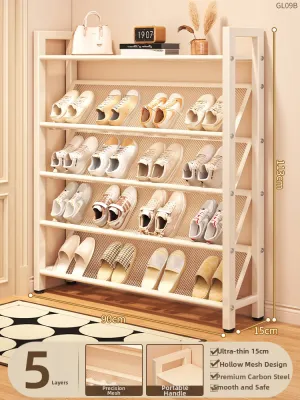
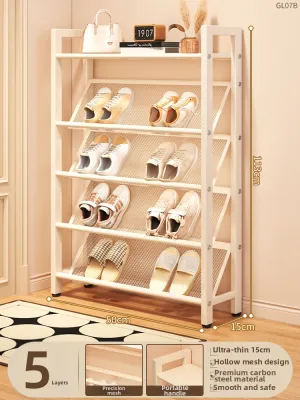
Prices are valid at publication and may change. Please refer to the product page for the latest price.
In tropical climates where humidity levels run high, air circulation is a critical factor in shoe preservation. Stagnant air inside a dark closet can lead to mold growth and material degradation, especially on leather and suede. As you assess your space, consider how much open air your shoes will receive. If your closet lacks ventilation, you will need to prioritize open-frame organizers or storage solutions that incorporate breathable materials and moisture-absorbing packets.
Stackable Shoe Racks: Best for Floor Space and Heavy Footwear
Stackable shoe racks are the most robust option for organizing heavy, structured footwear on your closet floor. When evaluating these units, look for models that offer adjustable shelf heights or removable tiers. This flexibility allows you to customize the vertical clearance, ensuring that tall boots and high heels do not get crushed or bent out of shape. Fixed-height shelves are often too narrow for high-top sneakers or platform shoes, limiting their long-term utility.

Because stackable racks can be built upward to maximize vertical space, checking the weight capacity and overall stability is essential. Inspect the manufacturer’s specifications for the maximum load limit per tier, and verify the assembly joints for sturdiness. If you plan to stack units more than three tiers high, look for models that include wall-anchoring hardware to prevent tipping. Metal frames with screw-in connections generally offer superior stability compared to plastic push-fit models, which can wobble under the weight of heavy work boots.
Finally, compare the base footprint of the rack against your measured closet floor depth. Standard closet depths vary, and a rack that protrudes even slightly can prevent sliding or hinged doors from closing properly. Ensure there is at least a two-inch clearance between the front of the rack and the closed door. If your closet floor is uneven, prioritize racks with adjustable leveling feet to maintain stability and prevent the unit from leaning against your clothes.
Hanging Shoe Pockets: Best for Narrow Closets and Light Shoes
Hanging shoe pockets are an excellent vertical solution for compact closets with limited floor space. To determine if this style is viable, measure the distance from your closet rod to the floor. The hanging organizer should hang freely without dragging on the bottom of the closet, which can cause the fabric to bunch and make the lower pockets difficult to access. Ensure there is sufficient clearance beneath your hanging clothes so the organizer does not crowd your garments.
Because these organizers hang directly from your closet rod, you must assess the weight limit of both the hanging mechanism and the rod itself. Look for organizers featuring heavy-duty steel hooks or wide, reinforced hook-and-loop straps that distribute weight evenly. Lightweight fabrics like non-woven polyester can tear at the seams if overloaded with heavy sneakers. For long-term durability, check for reinforced stitching around the hanger attachments and pocket openings, and reserve these organizers for lightweight footwear like sandals, slippers, and flats.
To prevent your shoes from becoming deformed, compare the pocket dimensions against your largest shoe size. Many standard hanging organizers feature narrow pockets designed for petite shoes, which can crush the heel counters of larger sneakers or stretch out delicate leather. If you wear larger sizes, look for organizers with wide, individual pockets or flexible mesh fronts that allow the material to expand naturally without putting pressure on the footwear.
Under-Bed Storage: Best for Maximizing Hidden Space
When your closet is completely filled, under-bed storage bins provide a practical alternative for keeping your footwear organized and out of sight. Begin by measuring the exact clearance height from the floor to the lowest point of your bed frame. Be sure to account for any center support beams or low-hanging slats that might obstruct a storage box. If you choose a model with wheels or casters for easy retrieval, include the height of the wheels in your total clearance calculations.
Consider how often you need to access the shoes stored under your bed. If you are storing seasonal footwear or formal shoes worn only on special occasions, a basic slide-out container is highly efficient. However, if you plan to retrieve shoes daily, look for low-profile bins with smooth-rolling wheels and sturdy handles. The storage unit should slide out effortlessly without scratching your flooring, whether you have hardwood, tile, or carpet.
Because the space under a bed is prone to accumulating dust and pet hair, choosing an organizer with protective features is vital. Look for bins with secure, zippered fabric covers or latching plastic lids to keep dust out. In humid environments, completely sealed plastic containers can trap moisture, leading to musty odors and mold. To protect your shoes, check for breathable fabric panels, or place reusable silica gel packs inside the containers to absorb excess moisture and preserve the materials.
Common Sizing and Placement Mistakes to Avoid
One of the most frequent mistakes when installing a shoe rack organizer is forgetting to account for baseboards. Many baseboards protrude up to an inch from the wall, preventing floor-standing stackable racks from sitting flush against the closet wall. This gap can cause the rack to tilt forward or slide around when you retrieve your shoes. To avoid this, measure your floor space from the front of the baseboard rather than the wall itself, or choose a rack with recessed rear legs.
Another common error is overloading hanging organizers with heavy footwear, which can bend your closet rod or damage the organizer’s fabric. Standard closet rods have weight limits, and adding fifteen pairs of heavy leather shoes can cause the rod to sag or pull away from the wall brackets. Always distribute the weight of your shoes evenly across the organizer, placing the heaviest pairs in the lowest pockets to lower the center of gravity and reduce strain on the hanging hooks.
Finally, always verify the swing radius of your closet doors before finalizing your organizer placement. Bi-fold, sliding, and hinged doors all require specific clearances to operate smoothly. A floor-standing rack placed too close to the door frame can block sliding tracks or prevent hinged doors from opening fully. By checking these clearances beforehand, you will protect your closet doors from scratches and ensure your shoes remain easily accessible every day.
Frequently Asked Questions (FAQ)
How many pairs of shoes can a standard hanging organizer hold?
A standard hanging organizer typically features 10 to 20 pockets, but the actual capacity depends on the bulk of your footwear. While you can easily fit two flat sandals or slippers into a single pocket, larger shoes like sneakers or ankle boots will require one pocket per shoe. For bulkier footwear, expect the practical capacity of the organizer to be halved.
Can I combine different shoe organizers in the same closet?
Yes, combining different organizers is an excellent way to maximize both floor and vertical space. You can place a low, two-tier stackable rack on the closet floor for heavy shoes and hang a pocket organizer on the rod above it for lightweight flats. Just ensure that the hanging organizer does not drape over the floor rack, which can block access and restrict air circulation.

Community discussion
Share your experience or ask a question. Comments are reviewed before publication.