
Relocating in the Philippines, often called lipat bahay, presents unique challenges, from navigating narrow streets to handling sudden tropical downpours and high humidity. Choosing the right stackable organizer storage is a critical step in protecting your household items, maximizing the limited cargo space of a moving truck, and ensuring a smooth unpacking process at your new home. By selecting organizers designed for structural integrity and secure stacking, you can prevent costly damage to fragile items and reduce the physical strain of lifting and loading. This guide will help you evaluate different organizer types, match them to specific household items, and apply safe stacking practices for a successful relocation.
What Makes a Good Stackable Organizer for Moving?
Evaluating the structural and functional requirements of your storage containers is essential before packing a single item. During a move, your organizers will face physical stresses like stacking pressure, vehicle vibrations, and manual handling.
First, look for secure interlocking mechanisms and lid designs. Lids must fit tightly and lock securely to prevent shifting or popping open during transit. On uneven roads, vibrations can easily dislodge loose lids, leading to spilled contents and damaged goods. Bins with heavy-duty latches or snap-tight lids that physically grip the rim of the container offer the best security.
Products mentioned in this guide
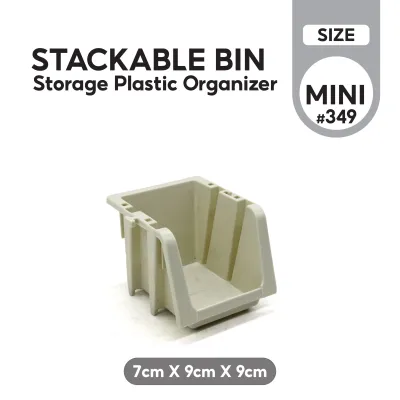
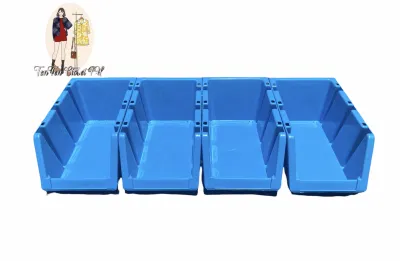
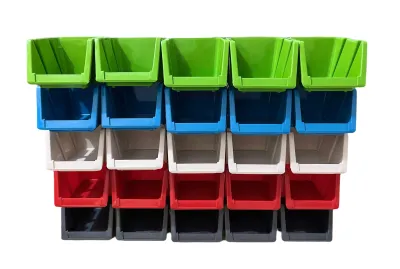
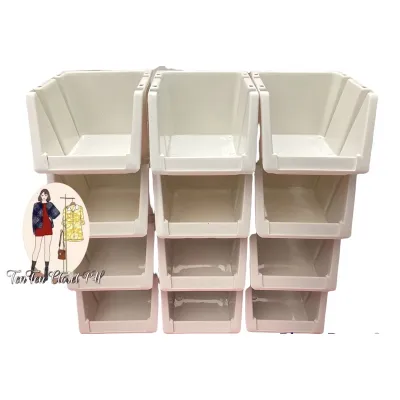
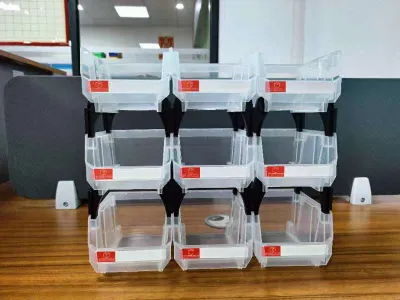
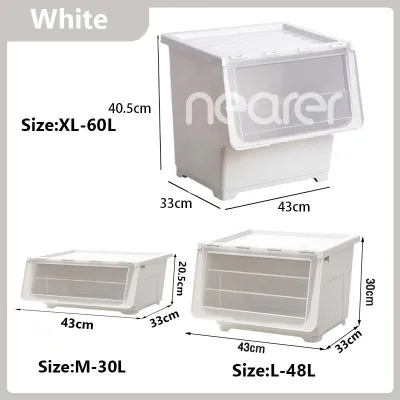
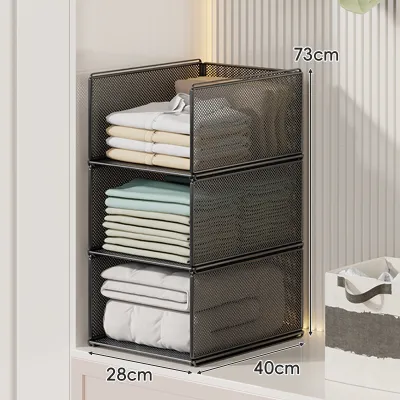
Prices are valid at publication and may change. Please refer to the product page for the latest price.
Second, check the weight capacity indicators and structural reinforcement features. A flat, thin plastic wall will bow outward under vertical pressure. High-quality organizers feature ribbed exterior walls and reinforced, thick bases that distribute weight evenly. This structural design prevents the bottom container from collapsing when multiple loaded bins are stacked on top of it.
Third, prioritize ergonomic handles designed for safe, balanced lifting. Moving requires hours of carrying heavy loads, so handles should be molded directly into the bin’s frame. Deep, comfortable grips prevent finger pinching and reduce hand fatigue. Avoid bins with sharp plastic edges or flimsy, clip-on handles that can snap under a heavy load.
Finally, consider space efficiency when the organizers are empty. Once the move is complete, you do not want your new home cluttered with empty, bulky containers. High-quality stackable organizers should either nest deeply inside one another when empty or collapse completely flat. This ensures they occupy minimal space in your new closets, utility rooms, or garage until they are needed again.
Recommended Types of Stackable Organizers
Different materials offer distinct advantages depending on the items you need to pack and the environmental conditions of the move. Rigid plastics provide maximum protection against impact and moisture, which is crucial during the humid rainy season, but they require significant storage space when empty. Fabric options offer excellent breathability and fold flat easily, yet they lack the structural strength to protect fragile items from crushing forces. Understanding these material trade-offs allows you to build a balanced packing system that utilizes each organizer type where it performs best.

Rigid Plastic Bins with Interlocking Lids
These heavy-duty containers are the backbone of any secure relocation plan. They are highly recommended for packing heavy, fragile, or high-value items such as books, kitchenware, small appliances, and electronics. The rigid walls act as a protective shield, absorbing external impacts and preventing heavy items from shifting and crushing one another.
When selecting rigid plastic bins, inspect the thickness of the plastic and the quality of the latching mechanisms. High-density polyethylene or heavy-duty polypropylene bins with reinforced corners are ideal. Ensure the latches snap shut with a distinct click, indicating a secure seal that will hold even if the bin is tilted during loading.
However, these bins do have limitations. Because they cannot be folded, they will occupy the same amount of physical space after the move, requiring dedicated storage areas. Additionally, because they can hold a significant amount of weight, it is easy to overpack them; always monitor the total weight to ensure a single bin remains safe for one or two people to lift comfortably.
Reinforced Fabric Boxes
Fabric organizers are an excellent choice for packing lightweight, bulky, and non-fragile items. They are particularly suited for bedding, pillows, blankets, towels, and seasonal clothing. The soft, breathable nature of fabric prevents musty odors from developing, which is a common concern in humid tropical climates.
To ensure these boxes can be stacked safely, you must verify their internal structural support. Look for fabric boxes that feature built-in metal wire frames or thick, rigid cardboard or plastic inserts in the walls and base. Reinforced stitching along the handles and seams is also essential to prevent tearing when lifting a fully packed box.
Avoid placing heavy items in fabric boxes, as they lack the structural rigidity to support significant weight from above. If a heavy item is placed inside, or if a heavy box is stacked on top of a fabric organizer, the sides will buckle, causing the entire stack to lean and potentially collapse during transit.
Collapsible Plastic Crates
Collapsible plastic crates combine the rigidity of plastic with the space-saving benefits of fabric organizers. They are highly efficient for quick packing, transporting oddly shaped items, and organizing tools or pantry supplies. Their open-grid design provides excellent ventilation, allowing you to easily see the contents inside without opening a lid.
When shopping for collapsible crates, pay close attention to the locking mechanisms at the corners and hinges. The side walls must lock firmly into place with a secure snap. If the locking tabs are loose or poorly designed, the crate may fold unexpectedly under a vertical load, compromising the safety of the items stacked above it.
Because of the ventilation gaps in the walls, you must take precautions to prevent small items from falling out or getting snagged on the plastic edges. It is best to use these crates for larger, self-contained items, or to line the interior with packing paper or fabric before loading smaller belongings. Additionally, keep in mind that these crates do not offer protection against dust or water, so they should be kept clear of wet areas during the move.
Matching Organizers to Your Household Items
A successful move relies on matching the physical characteristics of your belongings to the right type of organizer. Heavy, dense items like books, tools, and heavy kitchenware should always be packed in smaller, high-capacity rigid plastic bins. Keeping these items in smaller containers prevents the overall weight from exceeding safe lifting limits while utilizing the high crush resistance of the plastic.
Bulky, lightweight items such as bedsheets, comforters, pillows, and clothing are best allocated to large fabric boxes. These items do not require rigid protection and can conform to the shape of the fabric container, allowing you to maximize the volume of each box without adding unnecessary weight to your moving stack.
For everyday household items, pantry goods, and cleaning supplies, medium-sized collapsible plastic crates offer the perfect balance of accessibility and structure. They allow for quick loading and unloading, and their ventilated design is ideal for items that need to stay dry and aired out during the transition.
To streamline the unpacking process at your destination, implement a clear labeling system on every organizer. Use color-coded labels or waterproof markers to indicate the destination room and a brief list of the contents. For plastic bins, placing labels on both the top and the sides ensures visibility even when the containers are stacked high in the moving truck or your new living room.
Safe Stacking and Transport Practices
Proper stacking is essential to prevent damage to your belongings and ensure the safety of everyone involved in the move. Always follow the fundamental rule of weight distribution: place the heaviest, most rigid plastic bins at the very bottom of the stack. This creates a stable foundation and prevents lighter, more fragile containers from being crushed under heavy loads.
Determine the maximum safe stacking height based on the structural strength of your organizers and the height of the moving vehicle. As a general guideline, avoid stacking rigid plastic bins more than four units high, and limit fabric boxes or collapsible crates to two or three units, depending on their internal reinforcement. Stacking containers too high increases the risk of tipping, especially when the moving truck navigates sharp turns or sudden stops.
To secure the stacks inside the moving vehicle, use tie-down straps, bungee cords, or cargo nets to anchor the containers to the truck’s interior walls. Fill any empty spaces between stacks with soft items like mattresses, cushions, or folded moving blankets to prevent the organizers from sliding or shifting during transit.
Always recognize the limits of your equipment. If you notice a container’s walls beginning to bow, bulge, or crack, stop stacking immediately and redistribute the weight. Consult the manufacturer’s guidelines for weight limits and structural warnings to ensure you do not exceed the safe capacity of your stackable organizer storage.
Frequently Asked Questions (FAQ)
Can I use regular storage bins instead of moving-specific stackable organizers?
While standard household storage bins are convenient, they often lack the structural integrity required for a physical relocation. Regular bins typically feature thinner plastic walls, weaker lids, and basic handles that are not designed to withstand the heavy loads and constant vibrations of a moving truck. Under the stress of transit, standard lids can easily pop off, and thin plastic walls may crack or buckle under the weight of stacked items. Investing in moving-grade stackable organizers with reinforced corners, secure latching lids, and heavy-duty handles ensures your belongings remain protected throughout the entire moving process.
How do I clean and maintain stackable organizers after the move?
Proper maintenance ensures your stackable organizers remain in excellent condition for future use or long-term storage. For plastic bins and collapsible crates, wipe down all interior and exterior surfaces with a damp cloth and a mild, non-abrasive household cleaner to remove dust and dirt. For fabric boxes, refer strictly to the manufacturer’s care label; spot-clean any stains with a damp cloth and mild soap, avoiding complete submersion in water which can damage internal support boards. Allow all organizers to dry completely in a well-ventilated area before nesting or collapsing them, as any trapped moisture can lead to mold, mildew, and unpleasant odors in tropical climates.

Community discussion
Share your experience or ask a question. Comments are reviewed before publication.