
Selecting the right shoerack organizer for your closet depends on your available floor space, the depth of your cabinetry, and the weight of your footwear collection. Stackable organizers are highly modular and work best for wide closet floors with adjustable vertical space. Hanging organizers excel at utilizing empty vertical air space on closet rods or doors for lightweight shoes. Pull-out organizers are the ideal choice for deep, built-in cabinets where you need to access heavy or delicate footwear stored in the back.
In tropical climates like the Philippines, choosing the right organizer also requires considering airflow and material resilience. High humidity can quickly lead to mold and mildew on leather, suede, and canvas shoes if they are packed too tightly or stored in non-breathable enclosures. Evaluating your closet’s physical layout and your specific shoe inventory will help you select a system that keeps your footwear organized, accessible, and well-preserved.
Assessing Your Closet Layout and Footwear Inventory
Before purchasing any shoerack organizer, you must take precise physical measurements of your closet space. Start by measuring the floor width, depth, and vertical clearance. Use a metal measuring tape for accuracy, and measure the distance from the back wall to the front frame. If your closet has hanging clothes, measure the vertical clearance from the floor to the bottom hem of your longest garments to ensure your new organizer will not interfere with your hanging attire.
Products mentioned in this guide
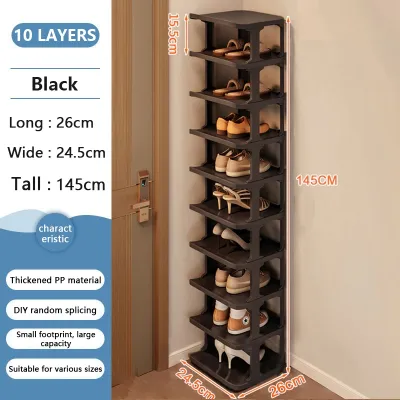
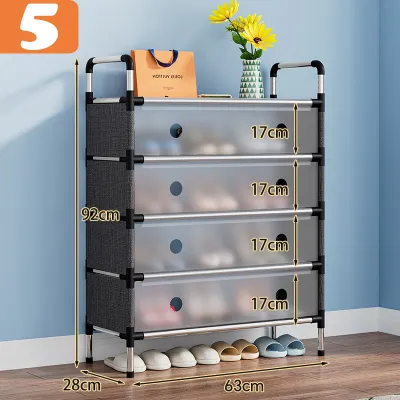
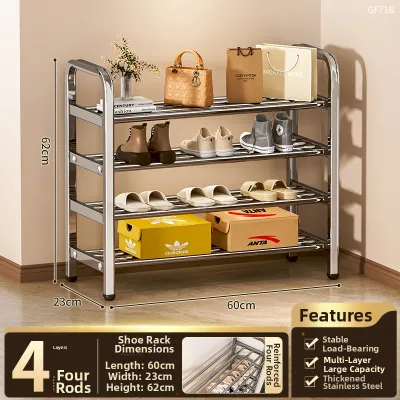
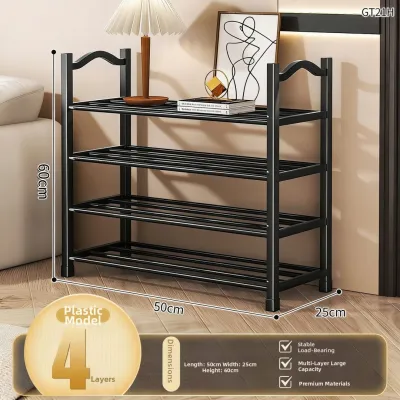
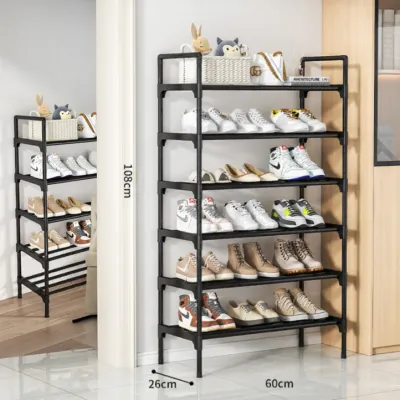
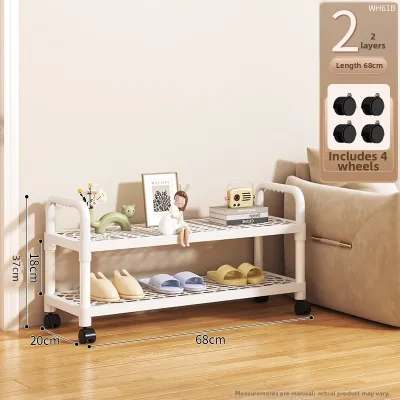
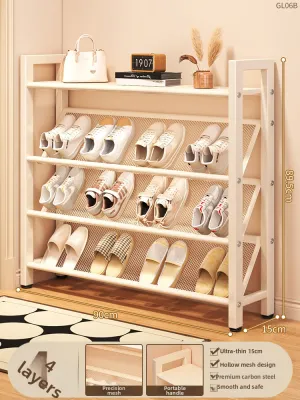
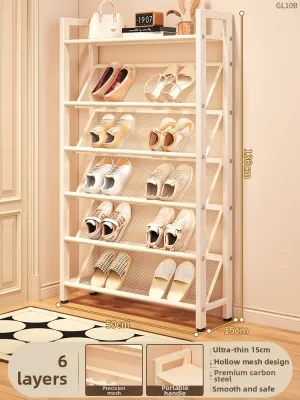
Prices are valid at publication and may change. Please refer to the product page for the latest price.
Next, evaluate the physical obstacles within your closet. Check the door swing clearance to ensure that swinging doors can open fully without hitting the organizer, or that sliding doors do not permanently block access to one side of a wide rack. Look closely at the baseboards along the floor; thick baseboards can prevent freestanding racks from sitting flush against the wall, which can cause the organizer to tilt forward. If you have existing shelving, measure the height between shelves to see if a low-profile organizer can slide underneath.
Once you have your closet measurements, audit your footwear collection. Group your shoes by weight, height, and frequency of use. Heavy leather boots, chunky sneakers, and structured heels require rigid, stable shelving that will not sag over time. Conversely, lightweight sandals, slippers, and canvas flats can easily be stored in flexible or suspended compartments. Count the total number of pairs you need to store and note the height of your tallest shoes, such as high-top sneakers or ankle boots, to ensure the organizer’s compartments are tall enough to prevent folding or creasing the materials.
Stackable Organizers: Maximizing Floor Space and Flexibility
Stackable organizers are freestanding units that can be piled on top of one another to create a customized storage tower. They are highly suited for closets with wide floor areas, walk-in wardrobes, or rental spaces where permanent wall-mounting is not permitted. Because they are modular, you can start with a two-tier setup and add more units upward as your shoe collection grows, making them an incredibly flexible option for changing storage needs.

When shopping for stackable units, structural checks are critical for safety and longevity. Inspect the interlocking mechanisms that connect the tiers; look for secure peg-and-hole systems, interlocking clips, or deep nesting grooves that prevent the upper units from sliding or shifting when you retrieve your shoes. Check the base stability of the bottom unit, especially if your closet floor is carpeted or slightly uneven. The frame material—whether engineered wood, metal wire, or rigid plastic—must be sturdy enough to support the cumulative weight of all stacked tiers without bowing or swaying.
Despite their flexibility, stackable organizers have distinct physical limitations. As you stack units higher, accessing the bottom tiers requires bending down, which may be inconvenient for daily-use shoes. Furthermore, tall setups can become top-heavy if not loaded correctly. To maintain stability, always place your heaviest footwear, such as work boots and thick-soled sneakers, on the lowest shelves to keep the center of gravity close to the floor, leaving lighter sandals and flats for the upper tiers.
Hanging Organizers: Utilizing Vertical Space for Lightweight Shoes
Hanging organizers are fabric or plastic storage systems designed to suspend from a closet rod or hang over the back of a closet door. They are highly practical for narrow closets, small bedrooms, or wardrobes with limited floor space but plenty of unused vertical air space. By lifting your footwear off the ground, these organizers keep your closet floor clear, making it much easier to sweep, vacuum, and maintain a clean storage environment.
Before choosing a hanging system, perform a few hardware and clearance checks. If you opt for an over-the-door model, measure the thickness of your closet door and the gap between the top of the door and the frame. The mounting hooks must fit snugly over the door without scratching the wood finish or preventing the door from latching shut. For rod-hung models, ensure the hanging strap or hook system matches the diameter of your closet rod and can slide smoothly along the rod if you need to shift your clothes.
However, hanging organizers are not built for heavy or highly structured footwear. Placing heavy leather boots, steel-toed shoes, or rigid heels into fabric pockets will cause the compartments to sag, stretch, and pull the entire organizer out of shape. This uneven weight distribution can also put excessive strain on your closet rod or door hinges. Additionally, in humid environments, fabric pockets can restrict airflow around your shoes; look for hanging organizers made from breathable canvas or mesh panels to help prevent moisture buildup and mold growth.
Pull-Out Organizers: Optimizing Deep Closets for Heavy Footwear
Pull-out organizers consist of sliding shelves, drawers, or racks mounted on metal tracks inside your closet cabinetry. They are the premier solution for deep closets, walk-in wardrobes, or built-in closet systems where shoes stored in the back would otherwise be difficult to see or reach. With a simple pull, the entire rack glides forward, bringing your entire footwear collection into full view and easy reach.
Installing a pull-out organizer requires precise measurements and careful planning. You must verify the track clearance inside your cabinet, ensuring that the sliding metal rails have enough space to extend fully without rubbing against the closet door frame, hinges, or sliding door tracks. Determine whether your closet layout requires a side-mount system (attached to the inner walls of the cabinet) or a bottom-mount system (secured directly to the closet floor or an existing shelf). Finally, measure the depth of the drawer slide against the length of your longest shoes to ensure the closet door can close completely when the rack is retracted.
While pull-out systems offer unmatched convenience and structural support for heavy footwear, they come with trade-offs. They require a higher initial installation effort, often involving drilling and securing hardware into your cabinetry, which may not be suitable for temporary rental homes. They are also less adaptable than freestanding units; once the tracks are screwed into place, reconfiguring your closet layout becomes a more labor-intensive task that will leave visible screw holes in your wood panels.
Quick Comparison: Matching Organizer Styles to Closet Constraints
To help you visualize which system fits your specific closet layout, the table below compares stackable, hanging, and pull-out organizers across key usability and installation dimensions.
| Organizer Type | Space Utilization | Installation Effort | Ideal Shoe Types | Key Measurement to Check |
|---|---|---|---|---|
| Stackable | High (uses floor & vertical space) | Low (freestanding assembly) | Heavy sneakers, boots, heels | Floor width, depth, and vertical clearance |
| Hanging | Medium (uses rod or door space) | Very Low (hangs on rod/door) | Sandals, flats, lightweight canvas | Rod height, door thickness, frame gap |
| Pull-Out | Excellent (maximizes deep cabinets) | High (requires hardware mounting) | All types, including heavy leather | Internal cabinet depth, door opening width |
When reviewing these options, remember that structural integrity is paramount. For stackable units, always check the rigidity of the shelves under load. For hanging units, verify that your closet rod brackets are securely anchored to the wall studs before loading the rod with multiple pairs of shoes. For pull-out units, ensure the slide tracks are rated for the total weight of your heaviest footwear to prevent the drawer from binding or sagging when extended.
Decision Guide: Selecting the Right Shoe Rack Organizer
To make your final decision, evaluate your specific living situation, closet architecture, and footwear collection against the following scenarios:
- Choose Stackable if… You have ample floor space at the bottom of your closet, want a modular system that can grow with your shoe collection, and prefer a non-permanent setup that is easy to assemble, move, or take with you if you relocate. This is the most versatile option for renters and those with diverse shoe collections ranging from light flats to heavy sneakers.
- Choose Hanging if… Your closet floor is already occupied by other storage boxes, you have a sturdy closet rod with unused vertical space, and your footwear collection consists primarily of lightweight everyday shoes, slippers, and sandals. This setup keeps your shoes easily accessible at eye level while keeping the floor completely clear.
- Choose Pull-Out if… You have a deep, built-in closet or walk-in wardrobe, want to maximize the utility of deep cabinet corners, and desire a premium, highly stable storage solution for heavy or delicate footwear. This option is best for homeowners looking to invest in a permanent, seamless closet organization system.
- Verify first if… You are dealing with custom built-in closets, exceptionally heavy footwear, or rental agreements that restrict drilling into walls or cabinetry. Always check the load-bearing capacity of your closet components and choose materials that resist moisture and humidity to ensure long-term durability.

Community discussion
Share your experience or ask a question. Comments are reviewed before publication.