
Selecting the right kitchen storage solutions is essential for maintaining an organized, hygienic, and efficient cooking space. In many Filipino households, the kitchen is a high-traffic zone characterized by intense heat, high humidity, and frequent meal preparation. Traditional wooden cabinetry often struggles to withstand these tropical conditions over time, frequently falling victim to moisture damage, warping, or pest infestations. A cabinet for kitchen storage stainless steel offers a highly durable, modern, and hygienic alternative that can withstand the rigors of daily cooking while remaining easy to clean.
However, not all stainless steel cabinets are created equal. Finding the ideal unit for your home requires looking beyond aesthetics to evaluate material composition, structural design, and spatial compatibility. By understanding what to look for in terms of steel grades, configurations, and load capacities, you can make an informed investment that enhances your kitchen’s workflow and stands the test of time.
Evaluating Material Grades and Surface Finishes
When shopping for stainless steel cabinetry, understanding the grade of the metal is crucial. The two most common grades you will encounter in residential kitchen furniture are 304 and 201 stainless steel. Grade 304 contains a higher percentage of chromium and nickel, making it highly resistant to corrosion, rust, and chemical exposure. This grade is highly recommended for humid tropical environments, coastal areas with salty air, or kitchens where heavy cooking and frequent washing occur. Grade 201 is a more budget-friendly alternative that replaces some nickel with manganese; while it is still durable, it is more susceptible to surface rust or tea-staining if exposed to prolonged moisture or harsh cleaning agents. Always check the manufacturer’s technical specifications or product labels to verify the exact steel grade rather than relying solely on generic “rust-proof” marketing claims.
Products mentioned in this guide
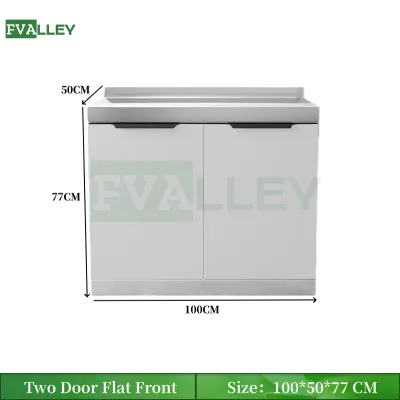
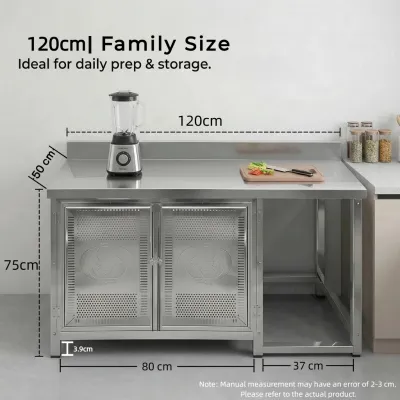
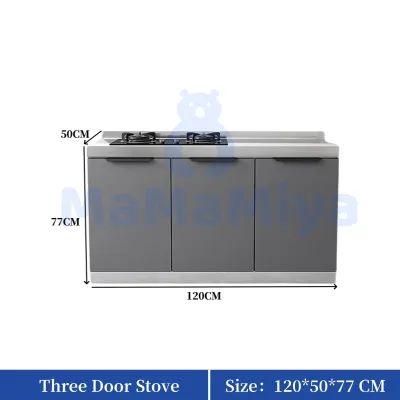
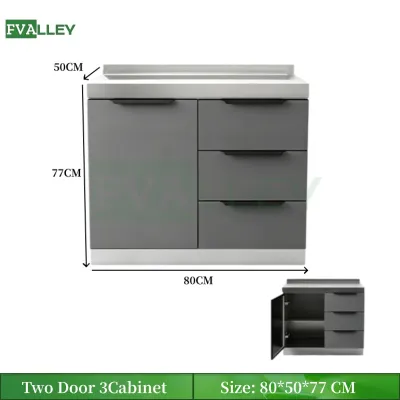
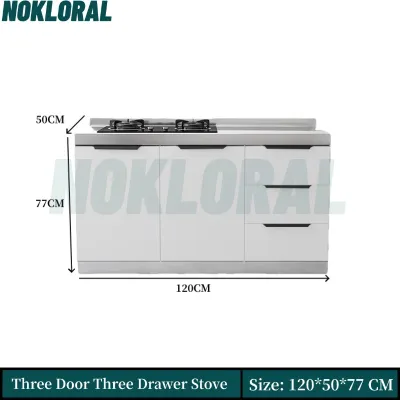
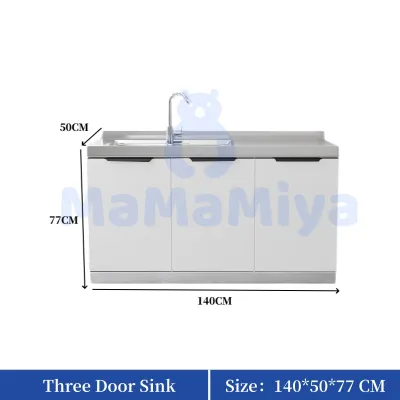
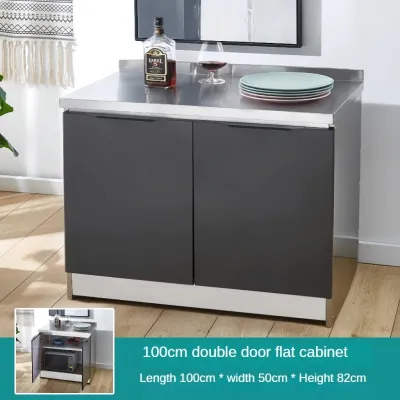
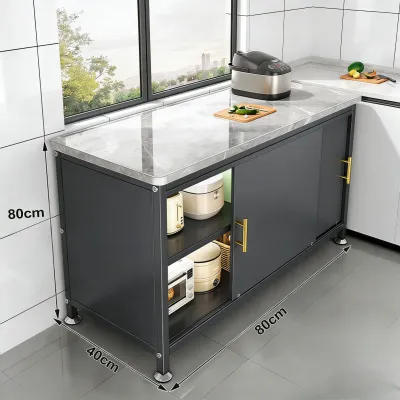
Prices are valid at publication and may change. Please refer to the product page for the latest price.
The surface finish of the cabinet plays a significant role in both its appearance and daily maintenance. Brushed finishes, often characterized by a subtle pattern of fine lines, are highly practical for busy kitchens. This texture is excellent at diffusing light, which helps conceal minor scratches, water spots, and fingerprints. Matte finishes offer a contemporary, low-glare look that blends seamlessly with modern interior designs while minimizing the visibility of smudges. Polished or mirror finishes provide a bright, reflective surface that can make small kitchens feel larger, but they require constant upkeep as they easily show fingerprints, grease splatters, and water stains.
In addition to the base metal and finish, look for cabinets that feature protective surface treatments. Some manufacturers apply clear, anti-fingerprint coatings or specialized sealants that prevent oils from adhering to the steel. These protective layers make daily wiping much easier and help maintain the pristine look of the cabinet. When evaluating product specifications, prioritize units that explicitly mention these protective coatings, especially if the cabinet will be positioned near high-moisture areas like the kitchen sink or dish drying zone.
Matching Cabinet Configurations to Your Kitchen Workflow
Your kitchen layout and cooking habits should dictate the configuration of your stainless steel storage. Base cabinets serve as the foundation of your kitchen storage, providing deep compartments for heavy items such as cast iron pans, stockpots, rice cookers, and even LPG tanks. Because they sit directly on the floor, base cabinets offer excellent stability and weight distribution. Wall-mounted units, on the other hand, are ideal for maximizing vertical space in compact kitchens, townhouses, or condominiums. They keep frequently used items like plates, bowls, and spices at eye level, freeing up valuable countertop space. However, wall-mounted cabinets require a sturdy wall structure for safe installation, as the weight of the steel cabinet combined with heavy ceramic dinnerware can put significant stress on the wall.

For homes that require flexible space management, freestanding storage carts and mobile island cabinets are highly practical options. These units are typically equipped with heavy-duty, lockable casters, allowing you to roll them wherever extra prep space or storage is needed. A mobile stainless steel cart can serve as an auxiliary prep station next to the stove for chopping ingredients, holding a microwave or air fryer, or transporting dishes to the dining area. When the cooking is done, the cart can be easily rolled against a wall or into a corner to keep walkways clear.
Another important design consideration is the choice between open shelving and closed doors. Open shelving allows for quick, unobstructed access to your kitchen tools and creates an airy, spacious feel. This setup is ideal for items you use daily, such as frequently reached-for mugs or mixing bowls. However, in kitchens where deep-frying or high-heat sautéing is common, airborne grease and dust can quickly settle on open shelves. Closed cabinet doors—whether solid stainless steel or fitted with tempered glass panels—provide essential protection for your dry goods, clean utensils, and small appliances, keeping them clean and shielded from pests and kitchen grime.
Verifying Dimensions, Clearances, and Load Capacity
Before finalizing your purchase, precise measurements are essential to ensure a seamless fit and safe operation. Begin by measuring the available floor space, ceiling height, and the locations of existing fixtures like plumbing outlets, electrical sockets, and light switches. It is equally important to measure the clearance required for cabinet doors and drawers to open fully. Ensure that opening the cabinet will not block major walkways, collide with dining chairs, or obstruct the doors of nearby appliances like the refrigerator or oven.
Do not overlook the delivery path when planning your purchase. Measure the width and height of all doorways, narrow hallways, stairwells, and elevator doors through which the cabinet must pass. Unlike flat-packed wooden furniture, many high-quality stainless steel cabinets arrive fully welded or pre-assembled to ensure structural integrity. If the unit cannot fit through your front door or navigate a tight turn in your hallway, installation will be impossible. Always cross-reference the cabinet’s finished exterior dimensions with your home’s entry points before ordering.
Load capacity is a critical safety factor, particularly if you plan to store heavy kitchen appliances, bulk bags of rice, or stacks of ceramic plates. Check the manufacturer’s specifications for the maximum weight limit per shelf and drawer. Look for cabinets that feature reinforced under-shelf supports, often referred to as hat channels or reinforcing ribs, which prevent the stainless steel sheets from bowing or sagging under heavy loads. Additionally, inspect the joint construction; continuous, smooth welds are generally stronger and more durable than spot welds or simple rivet connections. Finally, ensure the cabinet is equipped with adjustable leveling feet. Many kitchen floors, especially tiled surfaces, have slight imperfections. Leveling feet allow you to adjust each corner independently, ensuring the cabinet remains perfectly stable and does not wobble during use.
Planning for Routine Maintenance and Safe Cleaning
While stainless steel is highly durable and resistant to staining, it still requires proper care to maintain its protective oxide layer and prevent surface damage. For routine cleaning, use soft, non-abrasive tools such as microfiber cloths, soft sponges, or warm water mixed with a mild dish soap. Always wipe in the direction of the metal’s grain lines rather than in circular motions. Wiping with the grain helps prevent microscopic scratches and preserves the uniform appearance of the brushed or matte finish.
Avoid using harsh chemicals, abrasive scouring powders, or steel wool pads on your cabinets. Chlorine bleach, ammonia, and acid-based cleaners (such as muriatic acid) can chemically attack the chromium oxide layer, leading to pitting, discoloration, and eventual rusting. Furthermore, common ingredients in Filipino cooking—such as vinegar, calamansi juice, soy sauce, and tomato-based sauces—are highly acidic or salty. If these substances spill onto the stainless steel surface, wipe them up immediately with a damp cloth and dry the area thoroughly to prevent localized corrosion.
Over time, moving parts like door hinges, drawer slides, and magnetic latches may require minor adjustments or lubrication to maintain smooth operation. If you notice loose screws or slightly misaligned doors, these can usually be tightened with basic household tools. However, if you encounter major structural issues, such as cracked welds, severely warped panels, or damaged wall anchors, stop using the affected section immediately. In these situations, consult the manufacturer or a qualified professional technician to perform the necessary repairs safely rather than attempting complex DIY welding or structural modifications.
Frequently Asked Questions (FAQ)
Can stainless steel cabinets rust in high-humidity environments?
Yes, stainless steel can rust if its protective chromium oxide layer is compromised. In high-humidity environments, prolonged exposure to moisture, salt air, or harsh chemical cleaners can break down this protective barrier. To minimize the risk of rust, choose high-grade stainless steel such as Grade 304, keep the surfaces dry, wipe up spills immediately, and avoid using abrasive cleaning tools or bleach-based chemicals.
How do I safely anchor wall-mounted stainless steel cabinets?
Safely anchoring wall-mounted cabinets requires verifying the structural integrity of your kitchen wall. Stainless steel cabinets, especially when loaded with heavy kitchenware, must be secured directly into solid concrete walls using heavy-duty masonry anchors, or into structural wall studs if dealing with framed walls. Never mount heavy stainless steel cabinets directly onto unreinforced drywall or gypsum board. If you are unsure about your wall’s load-bearing capacity or do not have the appropriate tools, consult a professional installer to ensure a secure and stable installation.

Community discussion
Share your experience or ask a question. Comments are reviewed before publication.