
Finding the right desk table for your work-from-home (WFH) setup is about designing a productive environment that supports your physical health and daily workflow. The ideal choice depends on your spatial constraints, daily tasks, and physical comfort needs. A height-adjustable standing desk is excellent for those seeking movement to combat a sedentary lifestyle. A foldable desk offers unmatched flexibility for compact, multi-purpose rooms where space must be reclaimed after hours. Meanwhile, an L-shaped desk provides an expansive, dedicated workstation tailored for heavy multitaskers and multi-monitor setups. By evaluating how you work and where the desk will sit, you can select a setup that enhances focus and prevents long-term physical strain.
Assessing Your Workspace and Daily Work Habits
Before browsing online marketplaces, conduct a thorough assessment of your physical environment and daily routines. Measure the exact floor space where you plan to position your desk table, including the clearance required for your office chair to glide backward comfortably. Measure door widths, hallways, and stairwells to ensure the desk can pass through during delivery. Check ceiling height and low-hanging light fixtures or ceiling fans if you plan to use high-reaching monitor arms.
Your daily tasks dictate your surface needs. If your job involves multiple monitors, a standard compact desk will quickly feel cluttered. Conversely, a laptop-only setup does not require a massive desk, which might only attract household clutter. Consider whether you need dedicated space for physical paperwork or drawing tablets. Also, take note of your physical habits; if you experience lower back stiffness after sitting for hours, postural adjustments should be a core feature of your new desk.
Products mentioned in this guide
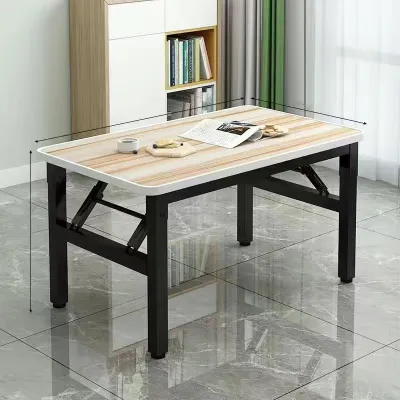
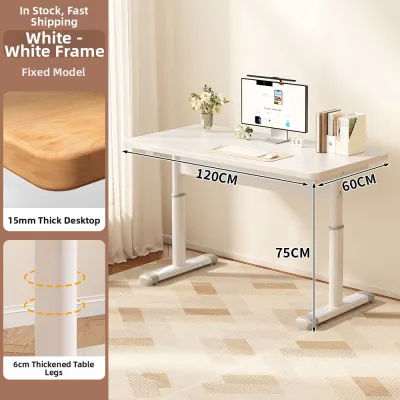
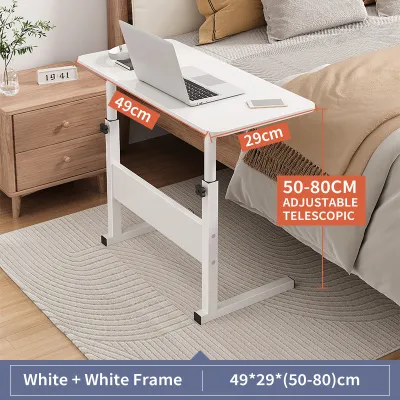
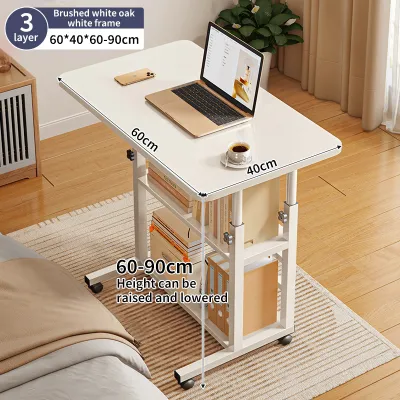
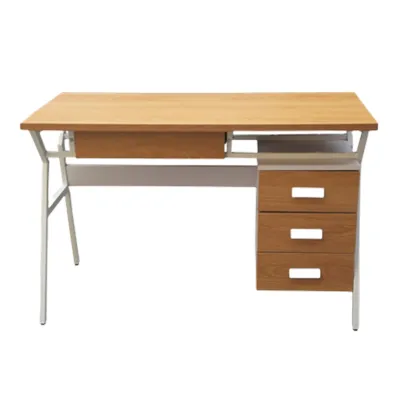
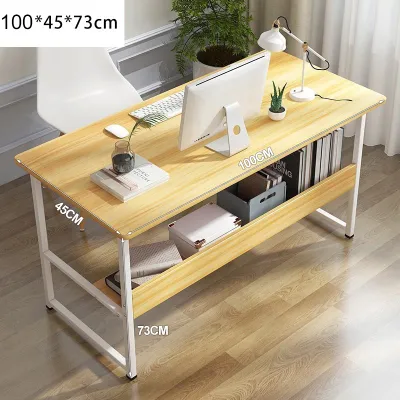
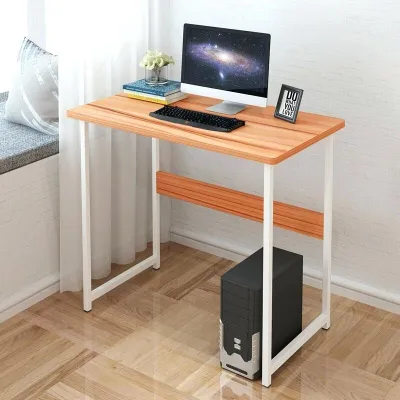
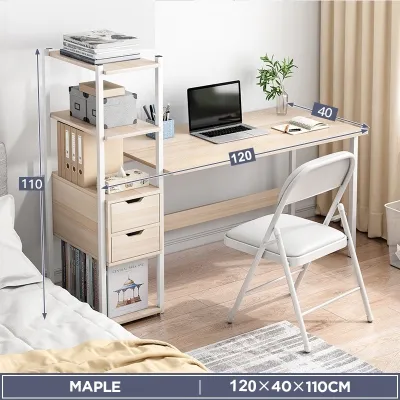
Prices are valid at publication and may change. Please refer to the product page for the latest price.
Finally, evaluate your floor type. Local homes often feature tiled, polished concrete, or hardwood floors. A heavy motorized desk or a solid wood L-shaped desk exerts significant concentrated pressure. Ensure your floor is flat, as uneven tiles can cause tall desks to wobble. If you live in an apartment, consider the weight capacity limits of the room structure and choose a desk that distributes weight safely.
Standing Desks for Active and Ergonomic Workflows
A height-adjustable standing desk table is designed to introduce movement into your workday, helping you transition smoothly between sitting and standing postures. The primary mechanical decision lies between a manual hand-crank system and an electric motor mechanism. Manual desks are generally more budget-friendly, highly reliable, and require no proximity to electrical outlets. However, they require physical effort to adjust, which can discourage frequent posture changes. Electric models offer effortless adjustments at the press of a button, often featuring programmable memory presets. When opting for an electric motor, consider the noise level during transition, especially if you share your workspace or take frequent calls, and ensure you have a stable power source nearby.

Stability is a critical factor for any standing desk, particularly when extended to its maximum height. As the desk frame rises, the center of gravity shifts upward, making the structure more susceptible to lateral movement and wobbling. Before purchasing, verify the manufacturer-stated weight capacity to ensure the frame can support your computer tower, monitors, and accessories without straining the motor. Look for heavy-duty steel frames with wide, substantial feet and thick lifting columns, which provide the necessary structural rigidity to keep your screens from shaking while you type.
To fully realize the benefits of an active workstation, you must plan for essential accessories. Cable management is non-negotiable; because the desktop moves, cables must have enough slack to reach outlets at maximum height without pulling on ports. Look for desks with integrated cable trays or invest in flexible cable spines. Additionally, standing on hard tile or concrete floors for extended periods can cause fatigue in your feet and lower back. Pairing your desk with a supportive anti-fatigue mat and wearing cushioned footwear will make standing intervals significantly more comfortable and sustainable.
Foldable Desks for Compact and Flexible Living Spaces
For professionals living in studio apartments, shared spaces, or homes where a dedicated office room is not an option, a foldable desk table offers a highly practical, space-saving solution. These desks are engineered to fold flat, allowing you to tuck them behind a door, under a bed, or inside a closet once the workday ends. When evaluating foldable options, pay close attention to the folding mechanism and locking safety features. The hinges and latches must operate smoothly without pinching, and they must lock securely into place to prevent accidental collapse. Consider the physical effort required for daily setup and takedown; a desk that is frustrating to assemble and pack away will eventually be left permanently open.
Material quality is paramount for foldable furniture, as frequent handling subjects the desk to increased wear. In tropical climates with high humidity, low-quality engineered wood can absorb moisture, leading to swelling, warping, or peeling edge banding. Inspect the edges of the desktop to ensure they are sealed with high-quality, moisture-resistant banding that can withstand daily friction. The frame should be constructed from lightweight yet sturdy metal, such as powder-coated steel, which resists rust and provides a stable foundation without making the desk too heavy to carry.
While foldable desks excel in portability, they generally offer lower weight capacities and less stability than fixed models. A lightweight folding desk may wobble slightly when you type vigorously or use a heavy mechanical keyboard. It is essential to check the manufacturer’s weight limits to ensure the surface can safely support your specific setup. While a foldable desk is well suited for a laptop, a tablet, and a notebook, it may not be suitable for heavy desktop PCs or multiple monitor arms. If your floor is slightly uneven, look for models with adjustable leveling feet to eliminate wobble.
L-Shaped Desks for Multitasking and Dedicated Zones
If you have a dedicated room or a spacious corner and your work involves complex multitasking, an L-shaped desk table is often an ideal productivity hub. This configuration provides two distinct, connected work surfaces, allowing you to establish dedicated zones for different tasks. For example, you can dedicate the primary side to your computer screens, while using the return side for physical paperwork, drawing, or taking notes. When planning an L-shaped setup, carefully consider the orientation of the desk. Many models feature a fixed left-hand or right-hand return, which dictates how the desk must be positioned relative to your room’s walls, windows, and electrical outlets.
The physical design of the desk’s frame is crucial for comfort and usability. Pay close attention to leg placement and crossbar clearance under the desk. Some L-shaped desks feature a supportive leg right at the inner corner, which can restrict your legroom and make pivoting from one side of the desk to the other difficult. Look for designs with an open inner corner that allows your office chair to swivel freely. This open space also provides excellent opportunities for placing under-desk storage drawers or keeping your PC tower off the floor, away from dust and potential spills.
Because L-shaped desks have a larger surface area and often support heavy equipment like multiple monitors, printers, and speakers, structural integrity is vital. Inspect the connection points where the two desktop sections meet; high-quality joints should align perfectly without any ridges or gaps. Look for robust metal under-frame support and diagonal cross-bracing to prevent the desktop from sagging over time under heavy loads. A sturdy, well-braced L-shaped desk ensures that your valuable equipment remains safe and stable, providing a professional-grade workspace that feels solid and reliable.
Side-by-Side Comparison and Decision Framework
To help you synthesize these options and choose the ideal desk table for your specific WFH environment, let us compare their key characteristics side-by-side.
| Desk Type | Space Footprint | Setup & Assembly Complexity | Ideal User Profile |
|---|---|---|---|
| Standing Desk | Moderate; requires vertical clearance and nearby power for electric models. | Moderate to High; involves assembling lifting columns and routing cables. | Professionals seeking ergonomic movement, posture variety, and active workflows. |
| Foldable Desk | Minimal; folds flat for easy storage in tight or multi-purpose rooms. | Low; often arrives fully assembled or requires simple unfolding. | Remote workers in compact spaces who need to reclaim their room after hours. |
| L-Shaped Desk | Large; requires a dedicated corner or spacious room layout. | High; requires joining multiple desktop panels and aligning large frames. | Multitaskers, creative professionals, and users with multi-monitor setups. |
Choosing the right desk table comes down to applying conditional logic to your personal constraints. If your primary struggle is physical fatigue, back pain, or a highly sedentary routine, a standing desk is a highly beneficial investment for your health. If you live in a compact studio apartment where your living room must double as an office, a foldable desk is a highly practical choice to maintain a healthy work-life boundary. If your daily workflow requires you to spread out physical documents while managing multiple screens, and you have a dedicated room, the L-shaped desk offers the surface area and organization you need.
There are, however, scenarios where none of these standard options are fully suitable. If your work involves heavy hands-on crafting, professional drafting, or using specialized industrial tools, standard home office desks may lack the necessary depth, tilt functions, or heavy-duty load capacities. In such cases, you should look into specialized drafting tables or industrial workbenches, which are engineered to withstand high impact, heavy weight, and specific working angles that standard WFH desks cannot accommodate.
Pre-Purchase Verification and Assembly Checklist
Before finalizing your purchase and clicking the checkout button, you must perform a few critical checks to ensure a smooth delivery and setup process. Double-check the exact product dimensions provided by the manufacturer against your measured room space. Do not just measure the desk’s physical boundaries; ensure there is at least 80 to 100 centimeters of clearance behind the desk for your office chair to move freely, and verify that walking paths through the room remain unobstructed. If you are choosing an L-shaped desk, map out the footprint on your floor using masking tape to visualize how much physical space it will occupy in the room.
Next, review the assembly requirements and warranty terms. Some heavy motorized standing desks or large L-shaped desks require complex assembly, multiple tools, and ideally two people to lift and flip the frame safely. Check if the package includes all necessary tools, such as hex keys, or if you will need your own screwdriver or drill. Pay close attention to the warranty coverage, particularly for moving parts, motors, and electronic controllers on standing desks. A reliable manufacturer warranty provides peace of mind that your investment is protected against mechanical or electrical failures.
Finally, plan the delivery route from the delivery vehicle to your designated workspace. Large L-shaped desktops and heavy steel standing desk frames often arrive in bulky, heavy boxes that can be difficult to maneuver. Measure your stairwells, elevator doors, and apartment corridors to ensure the delivery team can transport the packages safely. If you have tight corners or narrow doorways, it may be helpful to unbox the components in a larger area and carry them into your workspace individually to avoid damaging your walls or the furniture itself.
Frequently Asked Questions (FAQ)
Can I combine these styles, like getting an L-shaped standing desk?
Yes, hybrid configurations like L-shaped standing desks are available and offer an excellent combination of expansive surface area and ergonomic flexibility. However, these hybrid models come with significantly higher structural complexity, as they typically require a three-leg frame and multiple synchronized motors to lift the unevenly distributed weight of an L-shaped desktop. This complexity results in a much heavier overall weight, higher costs, and a more demanding assembly process. Before purchasing an L-shaped standing desk, it is crucial to verify that the motors are fully synchronized to prevent tilting during adjustment, and to check that the manufacturer offers a comprehensive warranty covering the multi-leg lifting system.

Community discussion
Share your experience or ask a question. Comments are reviewed before publication.