
Finding the right office table for your home setup is more than just a matter of aesthetic preference. The ideal choice hinges on a practical evaluation of your physical room dimensions, your daily work habits, and the specific equipment you need to support. By analyzing how you interact with your workspace throughout the day, you can select a desk that enhances your productivity without overcrowding your living area.
Whether you are setting up a dedicated study in a spacious suburban home or carving out a workstation in a compact city condominium, the right desk type will balance functionality with spatial harmony. Standing desks, foldable desks, and L-shaped desks each serve distinct purposes and solve unique spatial challenges. Understanding these differences ensures that your investment supports both your professional tasks and your physical well-being over the long term.
Assess Your Available Space and Room Layout
Before browsing online marketplaces or visiting local furniture showrooms, you must establish the physical boundaries of your room. Start by measuring the exact floor area where you intend to place the desk, keeping in mind that a desk’s footprint is only one part of the spatial equation. You must also measure the entry points of your home, including doorways, narrow hallways, stairwells, and elevator cabins. In many high-rise residential buildings across the Philippines, tight corners and compact elevators can prevent fully assembled or large-format desks from reaching your unit, making flat-pack options or modular designs a necessity.
Products mentioned in this guide
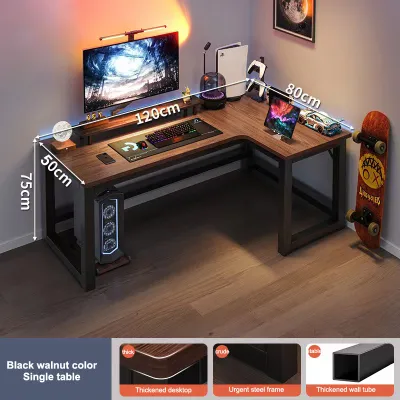
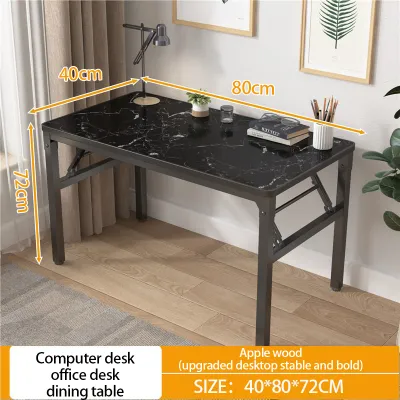
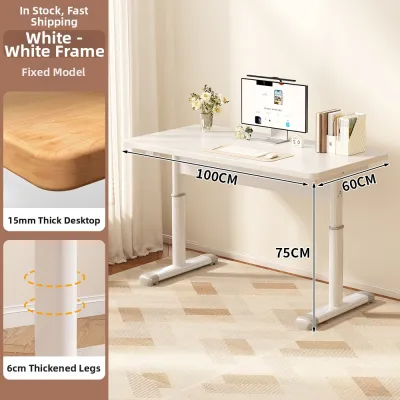
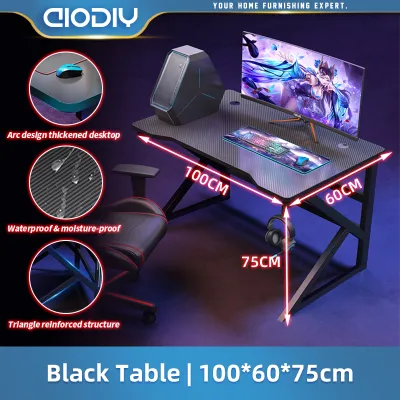

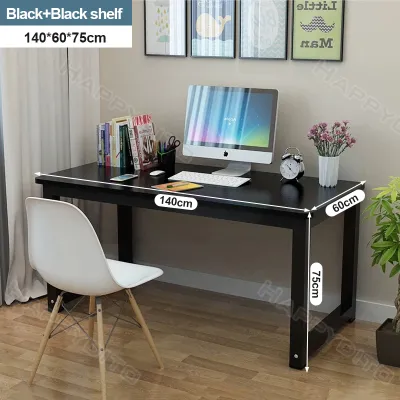
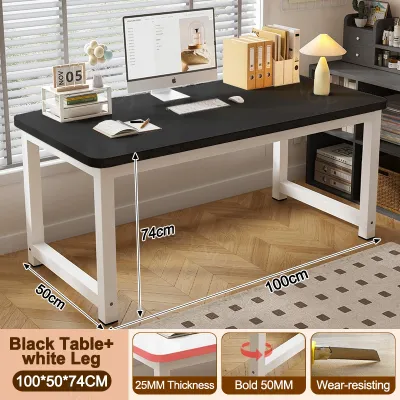
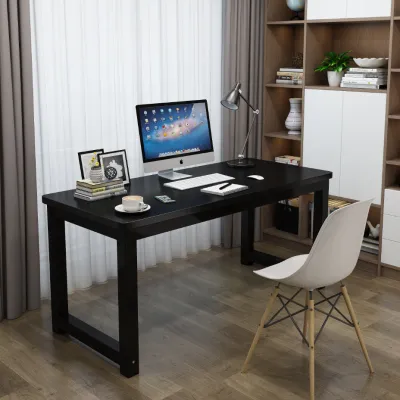
Prices are valid at publication and may change. Please refer to the product page for the latest price.
Next, map out the architectural features of your designated workspace. Identify the locations of wall outlets, windows, and structural columns, as these elements dictate where your desk can realistically sit. Placing a desk too far from a power source leads to hazardous cable runs across the floor, while positioning it directly opposite a bright window can cause distracting screen glare during peak daylight hours. Additionally, consider how the local tropical climate and humidity might affect placement; positioning wooden furniture directly beneath an air conditioning unit or next to a damp wall can expose the materials to moisture fluctuations that compromise their structural integrity over time.
Finally, calculate the clearance required for comfortable movement around the desk. A functional workspace requires at least 75 to 90 centimeters of open space behind the desk to allow your office chair to roll back smoothly. You must also ensure that the desk does not obstruct walking paths, prevent nearby doors from opening fully, or block access to built-in wardrobe drawers. Taking these precise measurements beforehand prevents the frustration of purchasing a beautiful office table only to find that it crowds your room or restricts your daily movement.
Evaluate Your Daily Work Habits and Ergonomic Needs
Your daily workflow and the physical demands of your job should heavily influence the type of desk you choose. Begin by taking a detailed inventory of the equipment you use every day. If your setup consists solely of a lightweight laptop and a notebook, your surface area and weight capacity requirements will be minimal. However, if you operate multiple external monitors, a heavy desktop tower, dedicated audio-visual gear, or stacks of reference documents, you will require a robust surface with a high weight rating and ample depth to maintain a comfortable viewing distance.

Consider your physical comfort and how your body feels during a long shift. If you experience stiffness, back fatigue, or restlessness after hours of continuous sitting, a desk that facilitates regular posture changes can be highly beneficial. Transitioning between sitting and standing throughout the day helps maintain energy levels and reduces physical strain, but it requires a desk designed specifically to accommodate these height adjustments safely.
Alternatively, you must evaluate whether your home office needs to be a permanent fixture or a temporary setup. In shared living spaces, studio apartments, or multi-purpose rooms, keeping a large desk on display at all times can disrupt the relaxing atmosphere of your home. If you prefer to completely disconnect from work at the end of the day, or if your living room must transition back into a family space in the evening, a desk that can be easily folded, moved, or tucked away is often the most practical choice to maintain a healthy work-life boundary.
Match Your Needs to the Right Desk Type
Once you have mapped your physical space and clarified your daily work habits, you can match these criteria against the three primary desk categories. Each design addresses specific spatial constraints and ergonomic preferences, allowing you to narrow down your options systematically.
Standing Desks for Active Workflows
Standing desks are engineered specifically for professionals who prioritize movement and ergonomic flexibility throughout their workday. These desks allow you to transition smoothly between sitting and standing positions, which can help alleviate the physical fatigue associated with static postures. When shopping for a standing desk, it is crucial to verify the adjustment mechanism. Motorized frames offer effortless transitions at the push of a button, while manual hand-crank models provide a budget-friendly, power-free alternative that remains highly reliable.
Before purchasing, always check the manufacturer’s product label to verify the maximum weight capacity, especially if you plan to mount heavy monitor arms or desktop accessories. Motorized models require a stable, nearby power source and careful cable management to ensure that cords do not stretch or unplug when the desk rises. Additionally, check that there is sufficient vertical clearance above and around the desk, ensuring the rising surface will not hit wall-mounted shelves, window frames, or hanging light fixtures.
Foldable Desks for Compact and Multi-Use Rooms
Foldable and wall-mounted desks offer an excellent solution for compact apartments, shared bedrooms, or multi-use living areas where floor space is at a premium. These desks are designed to provide a functional workspace during office hours and fold flat against the wall or slide into a closet once the workday ends. This flexibility allows you to reclaim your living space entirely, preventing your home from feeling permanently dominated by work.
When evaluating a foldable desk, pay close attention to the quality of the folding joints, hinges, and locking mechanisms. Because these parts undergo regular movement, they must be sturdy enough to handle daily setup and teardown without loosening. Keep in mind the inherent trade-offs of this category: foldable desks generally offer smaller surface areas, minimal to no built-in storage, and lower weight capacities compared to their stationary counterparts. You must verify the manufacturer’s maximum load limits to ensure the desk can safely support your laptop and daily essentials without wobbling.
L-Shaped Desks for Multitasking and Corner Setups
L-shaped desks are a highly versatile choice for users who require maximum surface area, extensive storage, and a highly organized layout. This configuration is ideal for multitaskers who manage dual-monitor setups, handle physical paperwork alongside digital tasks, or run two separate workstations on a single desk. By utilizing the corner of a room, an L-shaped desk maximizes floor space that might otherwise go unused, creating a dedicated, semi-private work zone that feels distinct from the rest of the room.
When selecting an L-shaped desk, it is vital to check the orientation of the return wing. Some models feature a fixed left-hand or right-hand configuration, while others offer a reversible design that can be assembled on either side. Measure both walls of your designated corner carefully to ensure that both wings of the desk fit comfortably without blocking windows, outlets, or doorways. Additionally, verify that the desk frame provides sufficient legroom underneath, free from obstructive support bars, so you can glide your chair smoothly from one side of the desk to the other.
Final Verification Checklist Before Purchasing
Before finalizing your purchase and arranging delivery, perform a final round of checks to ensure a seamless setup. Double-check the manufacturer’s exact product dimensions against your measured room footprint, paying close attention to the depth and height of the desk, not just its width. It is also wise to review the assembly instructions online; some desks require complex assembly with specialized tools, while others feature simple, tool-free setup processes that are easier to manage if you are assembling the furniture on your own.
Take time to review the warranty terms and return policies offered by the seller or manufacturer. A reliable warranty provides peace of mind, particularly for motorized standing desks that contain electronic components. Finally, calculate the total cost of the desk, including any potential shipping fees within the Philippines. Large, heavy furniture items can incur significant delivery charges depending on your distance from the seller’s warehouse, so factoring these costs into your initial budget ensures there are no surprises at checkout.
Frequently Asked Questions (FAQ)
Can I convert a standard desk into a standing desk?
Yes, you can use a tabletop desk converter to add height adjustability to an existing standard desk. Before purchasing a converter, you must verify the weight capacity and structural stability of your current desk, as the converter and your equipment will add significant weight to the center of the tabletop. Ensure the base desk is made of solid wood or high-quality engineered wood rather than hollow-core materials to prevent bowing or cracking under the concentrated load.
How do I protect my floor from heavy desk legs?
To protect your flooring from scratches, dents, or scuffs caused by heavy desk frames, check your specific floor type and select appropriate protective accessories. For hardwood, laminate, or vinyl tile floors common in modern homes, apply heavy-duty felt pads to the bottom of the desk legs or use a dedicated plastic chair mat under your workspace. If your desk sits on a delicate rug or carpet, using wide caster cups or furniture cups can help distribute the weight evenly and prevent deep, permanent indentations.

Community discussion
Share your experience or ask a question. Comments are reviewed before publication.