
Selecting a 180cm computer table is a major decision for any home office setup. At 180cm (approximately 71 inches) in width, this desk size provides an expansive workspace capable of housing multiple monitors, heavy computer towers, and various desktop accessories. However, deciding whether to invest in an adjustable standing desk or a traditional fixed-height desk requires balancing your physical work habits, ergonomic needs, budget, and room constraints. While a standing desk offers the flexibility to alternate postures throughout a long workday, a fixed-height desk provides unmatched structural stability and long-term durability at a more accessible price point.
Understanding the Core Differences at 180cm
A 180cm computer table is a premium choice for professionals who need to spread out. This width easily accommodates dual 27-inch or even triple monitor setups, with ample room left over for studio speakers, a laptop, and physical documents. In a typical home office, where WFH setups often double as study or creative spaces, this generous surface area allows for a highly organized, multi-functional workspace.
The structural differences between these two desk types are profound. A fixed-height desk relies on a static frame, typically consisting of four solid legs or two heavy-duty T-frames connected by a rigid steel support beam running directly underneath the tabletop. This simple, robust design ensures that the weight is evenly distributed to the floor. In contrast, a motorized standing desk relies on telescoping lifting columns—usually two-stage or three-stage legs—that house internal motors. These columns must raise and lower the entire weight of the tabletop and your equipment smoothly, requiring a highly engineered frame to maintain balance.
Products mentioned in this guide
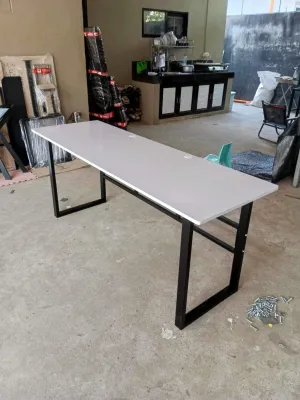
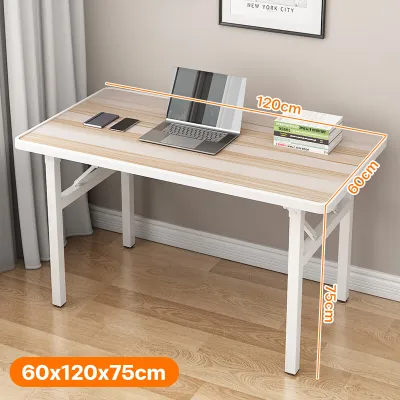
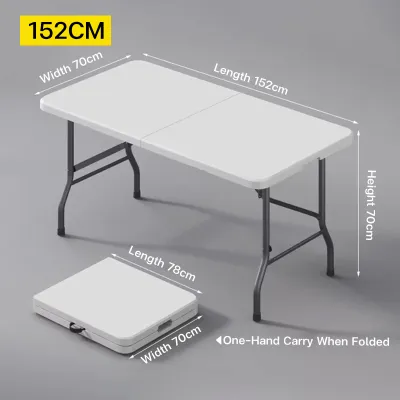

Prices are valid at publication and may change. Please refer to the product page for the latest price.
Weight capacity is a critical consideration at this size. A 180cm tabletop is heavy on its own, especially if made from dense materials like solid wood or thick medium-density fiberboard (MDF). When you add heavy computer towers, monitor mounts, and personal items, the total load can easily exceed 50 kilograms. A fixed desk frame naturally handles high weight capacities because it lacks moving parts. For a standing desk, you must carefully check the manufacturer’s rated weight capacity—often ranging from 80kg to 120kg—to ensure the motors can lift the load without straining or burning out over time.
Ergonomics and Daily Work Habits
Ergonomics is not just about standing; it is about movement and proper alignment. If your daily routine involves sitting for eight to twelve hours, a standing desk allows you to transition between sitting and standing seamlessly. This movement helps stimulate blood circulation, reduces pressure on your spinal discs, and keeps your energy levels high during long afternoon stretches. However, a standing desk is only beneficial if you actually use the lifting mechanism; many users buy them only to leave them at a fixed height after the novelty wears off.

You can achieve excellent ergonomic alignment with a fixed-height 180cm computer table by optimizing your surrounding accessories. Since a fixed desk sits at a standard height of around 75cm, you must rely on a highly adjustable ergonomic chair to position your elbows at a 90-degree angle relative to the desktop. If your chair needs to be raised to reach this height, causing your feet to dangle, adding a supportive footrest is essential to prevent lower-back strain. Additionally, using adjustable monitor arms allows you to position your screens at eye level, preventing neck strain regardless of the desk’s fixed height.
Paying attention to your body’s physical signals is key to deciding which desk type fits your lifestyle. If you frequently experience lower back fatigue, tight hip flexors, or shoulder stiffness by mid-day, these are clear indicators that your body requires regular postural changes. A standing desk makes it easy to act on these signals, allowing you to stand for 15 to 20 minutes every hour. If you rarely experience these issues, or if your work requires intense, highly focused tasks where standing might feel distracting, a stable fixed desk paired with scheduled walking breaks may be more than sufficient.
Space, Stability, and Setup Requirements
Before placing a massive 180cm computer table in your room, you must perform several spatial and environmental checks. First, measure your available floor space and ensure there is enough clearance for walking paths and chair movement. For a standing desk, vertical clearance is equally critical. You must verify that the desk can rise to its maximum height without colliding with wall-mounted shelves, window frames, hanging picture frames, or wall-mounted air conditioning units.
Stability is a major factor when dealing with a wide 180cm desk. As a standing desk rises to its maximum height, its center of gravity shifts upward, which naturally amplifies any inherent wobble. At a 180cm width, even minor frame flex can cause noticeable monitor shaking while typing. To mitigate this, look for standing desk frames featuring dual motors, thick steel columns, wide base feet, and structural reinforcement like wedge gussets. Fixed desks, by contrast, remain incredibly stable because their low center of gravity and rigid joints do not change, making them ideal for heavy typing or gaming setups.
Cable management requires careful planning, particularly for motorized setups. A standing desk has moving parts, meaning every cable running from your computer to the wall outlet must have enough slack to stretch to the desk’s maximum height without pulling or damaging the ports. You will need to invest in flexible cable spines, under-desk cable trays, and longer power strips. For a fixed desk, cable management is much simpler; you can neatly bundle and hide cables along the static frame legs using zip ties or adhesive clips without worrying about mechanical movement.
Budget and Long-Term Value
The financial investment for a 180cm computer table varies significantly between standing and fixed models. Motorized standing desks carry a higher upfront cost due to their complex mechanical components, dual motors, control keypads with memory presets, and heavy-duty lifting columns. In the Philippines, a high-quality 180cm standing desk frame and top can range from ₱15,000 to over ₱35,000. A fixed-height desk of the same size is much simpler to manufacture, allowing you to find robust options starting around ₱5,000 to ₱12,000, or allowing you to allocate more of your budget toward a premium solid wood tabletop.
Long-term maintenance and durability should also influence your decision. Standing desks contain electronic parts, control boxes, and motors that are susceptible to wear and tear, especially in humid tropical climates where moisture can affect electronic components over time. It is crucial to check the manufacturer’s warranty terms, ensuring they offer dedicated coverage for the motors and electronics for at least two to five years. Fixed desks have no moving parts or electrical components, meaning they require virtually zero maintenance and can easily last for decades with basic care.
When budgeting, consider whether a high-quality fixed desk provides better long-term value than a cheap, entry-level standing desk. A budget 180cm standing desk often compromises on frame thickness, motor quality, and weight capacity, leading to excessive wobble and potential motor failure within a year or two. Investing that same budget into a premium fixed desk allows you to secure a rock-solid steel frame and a beautiful, durable tabletop that will remain stable and functional for a lifetime.
Decision Framework: Which 180cm Desk Should You Choose?
To finalize your decision, use this condition-based framework to determine which 180cm computer table best aligns with your workspace needs.
Choose a standing 180cm desk if:
- You have a flexible budget (typically ₱15,000 or more) to invest in a high-quality, dual-motor frame.
- You have verified vertical clearance in your room, free from low-hanging shelves, windows, or wall units.
- You have a proven habit of alternating between sitting and standing, or you are committed to building a more active work routine.
- You use lightweight or moderately heavy equipment that stays well within the desk's motorized weight limits.
Choose a fixed 180cm desk if:
- You prioritize absolute, rock-solid stability for heavy equipment, multiple monitors, or intense typing and gaming.
- You are working with a tighter budget and prefer to spend more on a premium tabletop material or a high-end ergonomic chair.
- You prefer to maintain a seated posture and are comfortable using monitor arms, footrests, and ergonomic chairs to achieve proper alignment.
- You want a low-maintenance, long-lasting furniture piece with zero electrical components that could fail over time.
Before making your purchase, always verify your room’s dimensions, check that your floor is level (as uneven floors can worsen standing desk wobble), and confirm that you have a nearby power outlet with a surge protector to safeguard motorized components from local power fluctuations.
Frequently Asked Questions (FAQ)
Is a 180cm desk too big for a standard home office?
A 180cm computer table is quite large and typically requires a room with at least 3 by 3 meters of floor space to fit comfortably. Before buying, measure your room to ensure you have at least 80cm to 100cm of clearance behind the desk for your ergonomic chair to glide back and for comfortable walking paths. If your space is tight, consider placing the desk along the longest wall or utilizing a corner layout to maximize the remaining floor area.
Do standing desks wobble at the 180cm width?
Yes, standing desks can experience wobble at a 180cm width, especially when raised to standing heights above 100cm. The wide span acts as a lever, amplifying any movement from typing or leaning. To minimize this, check the product specifications for a dual-motor system, heavy steel frames, and thick lifting columns. Avoid budget single-motor frames for a 180cm tabletop, as they lack the structural integrity required to keep a wide surface stable.
Can I convert a fixed 180cm desk into a standing desk later?
Yes, you can convert a fixed 180cm desk by adding a tabletop standing desk converter, but you must check the weight limits of both the converter and your existing desk. A 180cm surface offers plenty of room to place a large converter without crowding your workspace. However, because converters add significant top-heavy weight, you must ensure your fixed desk has a highly stable, robust frame to prevent tipping or shaking when the converter is fully extended.

Community discussion
Share your experience or ask a question. Comments are reviewed before publication.