
Choosing the right study desk table with drawer for a work-from-home (WFH) setup in the Philippines often comes down to a fundamental choice between physical adaptability and spatial economy. If you are balancing a laptop, external monitors, and documents in a dedicated home office, a standing desk offers dynamic height adjustments to combat physical fatigue. Conversely, if your workspace doubles as a dining area or a bedroom corner in a compact condominium, a foldable desk provides the flexibility to reclaim your living space once the workday ends. Neither option is a universal solution; the most suitable choice depends on your daily workflow, ergonomic needs, and the physical constraints of your room.
Ergonomics and Daily Workflow: Standing vs. Foldable Desks
Ergonomic comfort directly impacts your productivity and physical well-being during long working hours. A standing desk allows you to transition between sitting and standing positions throughout the day, which can help reduce the physical strain associated with prolonged sedentary behavior. When evaluating these desks, it is essential to check the manufacturer’s specifications for the minimum and maximum height ranges. A desk that does not adjust low enough for comfortable sitting or high enough for proper standing posture can cause shoulder strain or wrist discomfort. Motorized models offer seamless transitions at the press of a button, while manual crank models require physical effort that might discourage frequent position changes.
In tropical climates like the Philippines, physical comfort also involves temperature regulation and airflow. Sitting for hours in high humidity can lead to discomfort, making the ability to stand and improve air circulation a significant advantage. When choosing a desktop material, check the finish; textured laminates may resist sweat and moisture better than untreated wood, which can warp when exposed to consistent humidity.
Products mentioned in this guide
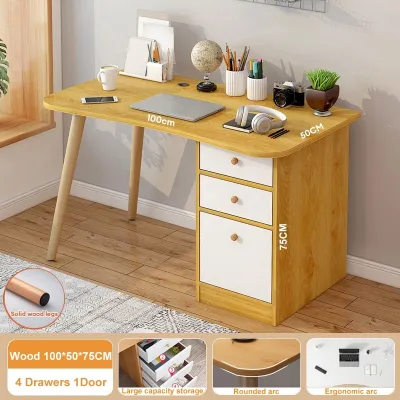
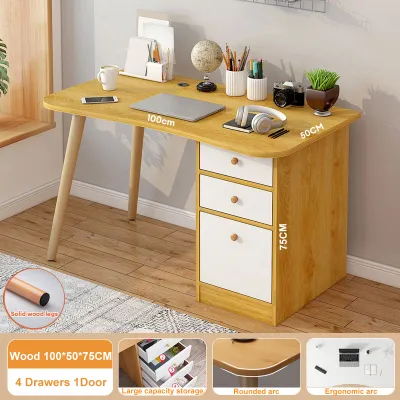
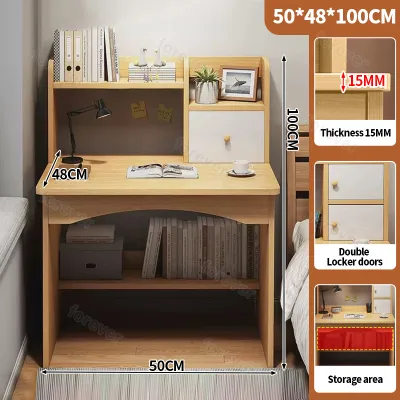
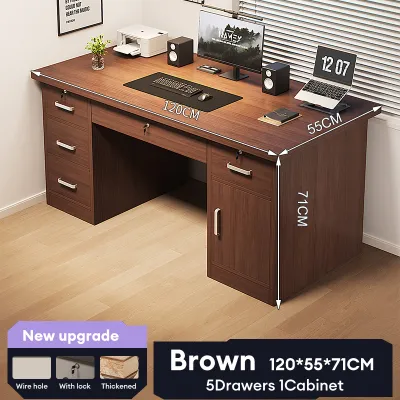
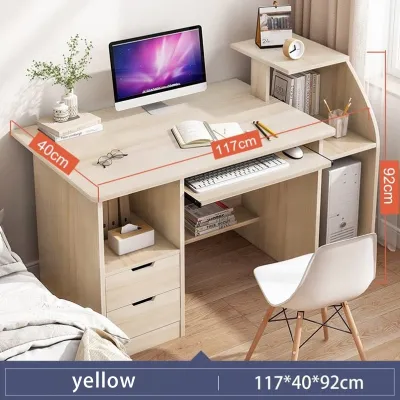

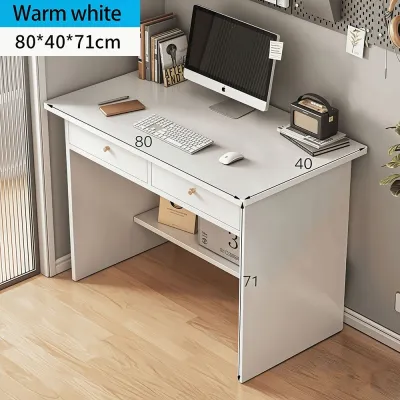
Prices are valid at publication and may change. Please refer to the product page for the latest price.
Foldable desks, on the other hand, typically feature a fixed height designed for standard sitting postures. While they lack the active posture-switching benefits of a standing desk, they excel in workflows that require a clear boundary between work and personal life. If your daily routine involves packing away your laptop and documents at the end of the day to restore your room’s original function, a foldable model supports this transition effectively. However, because the height is fixed, you must rely entirely on an adjustable office chair to achieve proper ergonomic alignment, ensuring your elbows rest at a 90-degree angle and your feet remain flat on the floor.
Before purchasing any study desk table with drawer, always verify the weight capacity specified by the manufacturer. Standing desks, particularly those with single or dual motors, have strict load limits that include the weight of the desktop itself, your computer equipment, and any items stored in the drawers. Exceeding these limits can strain the motor or cause uneven lifting. Foldable desks also have weight restrictions, especially around the hinges and folding joints. Placing heavy desktop computers or multiple monitors on a lightweight folding frame can compromise its structural integrity, making it vital to calculate the total weight of your WFH gear beforehand.
Drawer Storage and Structural Stability
Integrating storage into a dynamic or portable desk design introduces specific structural considerations. In a study desk table with drawer, the placement of the drawer assembly significantly influences your legroom and knee clearance. Under-desk drawers on standing desks must be positioned so they do not obstruct your thighs when sitting or interfere with your knees when transitioning to a standing position. For foldable desks, the drawer design must be compact enough to allow the legs to fold flat without damaging the storage compartment or requiring complete disassembly of the drawer unit.

Stability is another critical factor, particularly when drawers are fully extended or when a standing desk is raised to its maximum height. As a standing desk rises, its center of gravity shifts upward, making it more susceptible to wobbling or shaking during typing. If the desk features a heavy drawer loaded with files and office supplies, extending that drawer can shift the weight distribution forward, potentially causing the desk to tip or sway. When shopping, look for desks with wide, heavy T-style or C-style leg bases, and check user manuals for stability recommendations regarding weight distribution.
To ensure long-term durability, especially in the humid tropical climate of the Philippines, you must verify the drawer slide mechanisms and weight limits in the product specifications. High humidity can cause wooden drawers to swell and stick, while low-quality metal slides may rust over time, leading to rough operation. Opt for drawers equipped with smooth ball-bearing slides and check if the manufacturer specifies a maximum load capacity for the drawer itself. Overloading a drawer can cause the bottom panel to sag or damage the slide tracks, rendering the storage space unusable and affecting the overall balance of the desk.
Furthermore, drawer joint construction plays a pivotal role in longevity. In high-humidity regions, glued joints may weaken over time, causing the drawer front to pull apart. Inspecting product specifications for mechanical fasteners or robust joint construction, such as dovetail or dowel joints, is a wise preventive measure. If you plan to store heavy items like power banks or reference books, verify that the drawer bottom is reinforced to prevent sagging.
Space Management and Room Layout
The physical footprint of your desk determines how comfortably you can navigate your home. Foldable desks are highly valued for their space-saving capabilities, but they still require careful planning. You must measure the clearance needed not just for the desk when fully opened, but also for the folding mechanism itself. Some foldable models require wall-mounting, which demands a sturdy wall structure and permanent anchoring. If you choose a freestanding foldable desk, ensure you have a dedicated storage spot—such as behind a wardrobe or under a bed—where the folded frame can sit securely without posing a tripping hazard.
Room layout in Philippine households often requires balancing furniture placement with natural ventilation or air conditioning flow. A permanent standing desk must be positioned where it does not block the breeze from open windows or stand directly in front of an oscillating fan. For foldable desks, the storage location must be dry and well-ventilated; tucking a folded wooden desk into a damp closet can encourage mold growth, potentially damaging both the finish and the hinges.
Standing desks require a permanent footprint in your room, meaning they cannot be easily tucked away when not in use. This permanence requires careful consideration of cable management and power outlet proximity. Because the desktop moves up and down, cables for your computer, monitor, and desk accessories must have enough slack to prevent tension when the desk is fully raised, while remaining organized enough to avoid getting caught in the lifting mechanism. Additionally, you must ensure there is sufficient clearance around the desk so that it does not scrape against walls, window treatments, or adjacent furniture during height adjustments.
Before finalizing any purchase, measure your home’s entry points, including doorways, stairwells, and elevator cabins. A large study desk table with drawer often arrives in heavy, flat-packed boxes that require assembly. If you live in a multi-story home or a high-rise condominium, ensuring the packages can safely clear tight corners and narrow hallways is crucial. Review the assembly instructions provided by the manufacturer to determine if the process requires specialized tools or a second person, as some solid wood or heavy steel-framed desks can be challenging to assemble alone.
Decision Framework: Choosing the Right WFH Desk
To select the ideal study desk table with drawer for your Philippine WFH setup, evaluate your specific living conditions and working habits against this practical decision framework.
Choose a standing desk if:
- You spend more than six hours a day at your desk and prioritize ergonomic flexibility.
- You have a dedicated, permanent office space or room corner.
- Your budget accommodates a long-term investment in motorized or manual lifting mechanisms.
- You require a highly stable platform for multiple heavy monitors.
Choose a foldable desk if:
- You live in a compact space where floor area must be reclaimed daily.
- Your daily work setup is minimal, consisting primarily of a laptop and basic stationery.
- You prefer a highly portable solution that can be easily stored away.
- You want a straightforward, budget-friendly desk requiring minimal assembly.
Before making your final decision, perform these essential checks:
- Floor Condition: If your floor is uneven, look for desks with adjustable leveling feet to prevent wobbling.
- Rental Restrictions: If you rent your home, verify if wall-mounted foldable desks are permitted, as they require drilling heavy anchors into the walls.
- Power Reliability: For motorized standing desks, ensure you have a reliable power source and consider using a surge protector to safeguard the motor against local power fluctuations. Always check if the manufacturer offers a warranty on the motor and electronic controller, as these are the parts most vulnerable to electrical issues.
Frequently Asked Questions (FAQ)
Can I add an aftermarket drawer to a standing desk?
Yes, you can often add an aftermarket under-desk drawer to a standing desk, but you must perform several compatibility checks first. Measure the thickness of your desktop to ensure the mounting screws will not pierce through the top surface. Check the underside of the desk for any obstructions, such as support beams, cable management trays, or the motor housing, which might block the drawer installation. Additionally, review the manufacturer’s manual to confirm if drilling new holes into the desktop voids your warranty, and ensure the added weight of the drawer and its contents does not exceed the desk’s overall lifting capacity.
How do I maintain the folding hinges and drawer slides?
Maintaining the moving parts of your desk is crucial for smooth operation, especially in humid environments. Regularly perform a visual inspection of the folding hinges and drawer slides to check for dust, pet hair, or debris buildup, which can cause friction and wear. Tighten any loose screws or bolts using the appropriate tools to maintain structural stability. If the slides or hinges begin to squeak or feel stiff, consult the manufacturer’s care guide to identify approved lubricants, such as silicone-based sprays, and avoid using heavy oils that can attract more dust and clog the mechanisms.

Community discussion
Share your experience or ask a question. Comments are reviewed before publication.