
Steel wardrobes are highly durable, pest-resistant, and modern storage solutions, but many homeowners in the Philippines wonder if they can withstand the country’s intense tropical climate. The short answer is yes, steel wardrobes can rust if they are left unprotected or placed in high-moisture environments, but choosing a cabinet with the right protective coating and maintaining it properly will prevent corrosion. By understanding what causes metal to oxidize and knowing which manufacturing specifications to look for, you can confidently select a steel wardrobe that remains rust-free for years.
In the Philippines, relative humidity levels frequently exceed 80 percent, particularly during the wet season from June to November. This constant moisture in the air, combined with warm tropical temperatures, creates an environment where unprotected iron and steel react quickly with oxygen. However, modern manufacturing techniques have made it highly practical to use metal furniture indoors, provided you know how to evaluate the product’s construction and prepare your home environment.
Understanding Rust Risks for Steel Wardrobes in Humid Homes
To protect your investment, it is essential to understand how and why rust develops on metal furniture. Rust, or iron oxide, forms when steel is exposed to both oxygen and moisture over an extended period. In a tropical climate, this chemical reaction occurs much faster than in dry, temperate regions. When a steel wardrobe has a flawless protective coating, the metal is completely isolated from the air. However, if that coating is thin, poorly applied, or physically damaged, moisture will find its way to the raw steel beneath, initiating the oxidation process.
Products mentioned in this guide
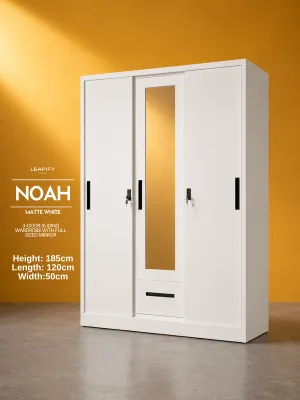

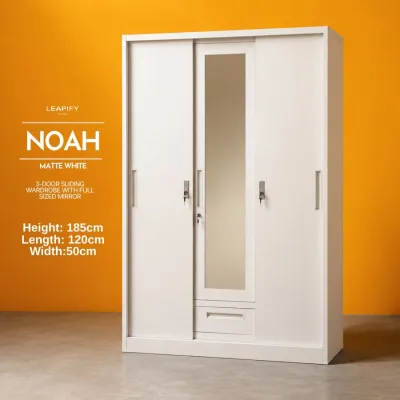
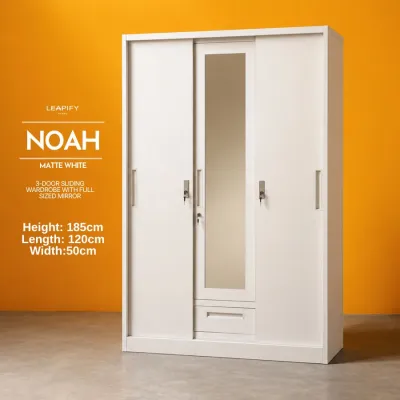
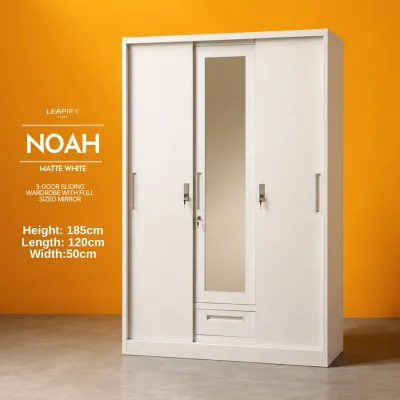
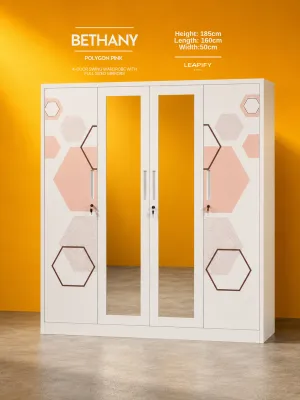
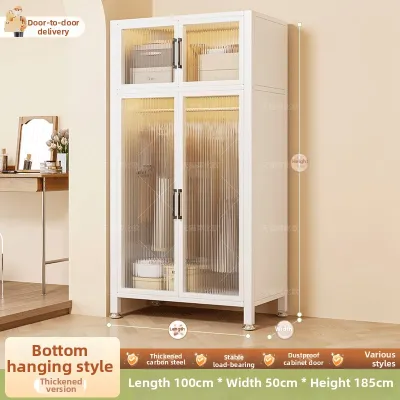
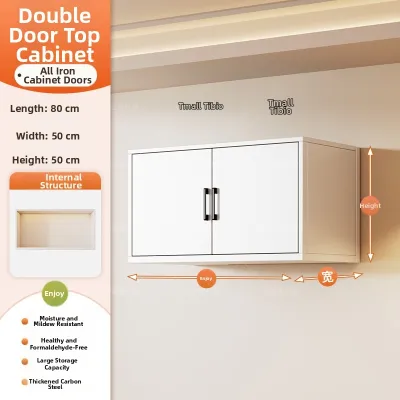
Prices are valid at publication and may change. Please refer to the product page for the latest price.
Certain areas within a Philippine home present a much higher risk of moisture accumulation and subsequent rust. Ground-floor rooms in houses built directly on concrete slabs often suffer from rising dampness, where moisture from the soil migrates upward through the porous concrete. Placing a steel wardrobe directly against an exterior wall is another common mistake; these walls absorb heat from the sun during the day and cool down at night, causing condensation to form on the interior side of the wall and on the back of the metal cabinet. Unventilated spaces, such as small walk-in closets, bathrooms, or rooms without active airflow, trap humid air and accelerate the degradation of metal finishes.
Detecting moisture damage early can save your wardrobe from structural failure. Homeowners should perform routine visual inspections of their metal cabinets, looking closely at the bottom edges, corners, and joints. Early warning signs include bubbling, blistering, or cracking of the paint or powder coat, which indicates that moisture has already penetrated the barrier and rust is starting to form underneath. Other signs include a fine, orange-brown powdery residue along seams, stiff or squeaking hinges, and visible condensation droplets clinging to the metal surfaces during particularly humid mornings.
What to Look for in a Rust-Resistant Metal Cabinet
When shopping for a metal wardrobe cabinet steel, you must look beyond the basic aesthetic design and scrutinize the technical specifications of the metal and its surface treatment. A simple “metal” label is not enough to guarantee longevity in a humid climate. The primary line of defense for any steel wardrobe is its surface finish. Powder coating is the industry standard for high-quality metal furniture; this process involves applying a dry plastic powder electrostatically to the steel and then curing it under high heat to create a hard, continuous, and highly durable barrier. Alternatively, look for cabinets made from galvanized steel, which has been hot-dipped or electroplated with a layer of zinc that acts as a sacrificial anode, protecting the steel even if the outer paint layer is scratched.

The structural design of the wardrobe plays a critical role in preventing moisture retention. Inspect the joints and edges of the cabinet before purchasing. High-quality steel wardrobes feature fully welded joints that are ground smooth, leaving no gaps or raw, exposed metal edges where moisture can collect. Avoid cabinets that rely heavily on exposed rivets or overlapping metal sheets that create tight crevices, as these areas are notorious for trapping condensation and starting the rusting process. Additionally, look for designs that feature a raised base, integrated plinth, or adjustable leveling feet to keep the bottom of the cabinet elevated off the floor.
Do not overlook the hardware and internal fittings of the wardrobe. The hinges, drawer slides, door handles, and hanging rods are subject to constant friction and wear, which can quickly rub off standard paint finishes. Ensure these components are made of inherently rust-resistant materials, such as high-grade stainless steel, solid brass, or heavy-duty polymers. If the hardware is steel, verify that it has been treated with a robust protective plating, such as chrome or zinc, to withstand daily use without corroding.
Preparing Your Space for a Steel Wardrobe
Properly preparing the installation site is just as important as choosing the right cabinet. Before finalizing your purchase, measure the finished dimensions of the wardrobe and compare them to your available floor space, ensuring you have enough clearance for delivery through doorways, hallways, and stairwells. Once inside the room, avoid pushing the steel wardrobe flush against any wall. Maintain a clearance gap of at least 5 to 10 centimeters between the back and sides of the cabinet and the surrounding walls. This gap promotes continuous air circulation, preventing the stagnant, humid microclimates that lead to condensation buildup.
Floor conditions must also be assessed, particularly on ground floors or tiled surfaces. If your room has a concrete floor that tends to feel cold or damp, do not place the metal cabinet directly on the surface. Use a moisture barrier, such as a heavy-duty rubber mat, plastic floor protectors, or wooden risers, to isolate the metal base from the floor. Ensure the floor is level; an uneven surface can twist the wardrobe’s frame, putting uneven stress on the doors and joints, which can cause the protective powder coating to crack over time. If the wardrobe comes with adjustable leveling feet, use them to compensate for any floor slope and keep the unit perfectly stable.
Active ventilation is your best defense against humidity-induced rust. Position the wardrobe in a room that receives regular airflow from windows, ceiling fans, or air conditioning units. In enclosed rooms or during the peak of the rainy season, consider using moisture-control accessories. Placing disposable silica gel packets, hanging moisture absorbers, or calcium chloride canisters inside the wardrobe can help keep the internal air dry, protecting both the steel structure and your stored clothing. For severe humidity issues, running a portable dehumidifier in the room for a few hours a day can dramatically lower the risk of rust.
Maintaining the Protective Coating and Handling Minor Scratches
Routine maintenance is essential to preserve the protective barrier of your steel wardrobe and extend its lifespan. When cleaning the cabinet, always use gentle, non-abrasive methods. Wipe down the surfaces with a soft microfiber cloth dampened with a solution of warm water and a mild, pH-neutral dish soap. Never use abrasive scrubbing pads, steel wool, or harsh chemical cleaners containing bleach, ammonia, or solvents, as these will micro-scratch the powder coating and degrade its protective qualities. After cleaning, immediately dry the entire wardrobe with a clean, soft towel to ensure no water spots or moisture films are left behind.
Despite your best efforts, daily use can occasionally result in minor scratches or chips in the protective finish. It is vital to address these imperfections immediately before rust has a chance to take hold. Inspect the cabinet monthly for any signs of surface damage. If you detect a minor scratch, clean the area with rubbing alcohol to remove any oils, let it dry, and apply a matching touch-up paint recommended by the manufacturer. For very small nicks where the metal is exposed, applying a thin layer of clear rust-inhibiting sealant or even clear nail polish can act as an effective temporary barrier against moisture until a proper repair can be made.
Knowing when to seek professional help or replace the unit is crucial for safety. If you discover deep, bubbling rust that covers a large surface area, or if the rust has begun to pit and eat into the structural frame, hinges, or load-bearing joints, standard touch-up paint will not suffice. Attempting to sand down deep structural rust without professional equipment can weaken the metal further. In such scenarios, consult the manufacturer or a professional metal fabricator to determine if the cabinet can be safely restored, or if it is time to replace the wardrobe to prevent structural collapse or tipping hazards.
Frequently Asked Questions (FAQ)
Can I use a standard steel wardrobe in a coastal or highly humid area?
Standard steel wardrobes with basic paint finishes are highly susceptible to rapid corrosion in coastal regions, where the air contains both high humidity and corrosive salt particles. For homes near the ocean, you should avoid standard steel and instead choose cabinets specifically rated for marine or outdoor environments. These units typically utilize hot-dip galvanized steel, high-grade stainless steel, or specialized multi-layer epoxy powder coatings. Regular wiping with fresh water is also required to prevent salt crusts from degrading the finish.
How do steel and wood wardrobes compare in high-moisture environments?
Steel and wood wardrobes fail in completely different ways when exposed to high moisture. Wood is highly hygroscopic, meaning it absorbs moisture from the air, leading to swelling, warping, misaligned doors, musty odors, and the growth of mold and mildew, which can permanently ruin clothing. Steel does not absorb moisture, will not warp, and does not harbor mold on its surface, making it highly hygienic. However, steel is vulnerable to rust if its protective coating is compromised. Choosing between them depends on whether you prefer managing mold prevention for wood or rust prevention for steel.

Community discussion
Share your experience or ask a question. Comments are reviewed before publication.