
Moving house requires matching your belongings with the right storage and organizer containers to prevent damage, manage weight, and simplify unpacking. An effective strategy uses a mix of heavy-duty plastic bins, specialized cardboard boxes, vacuum bags, and secure organizers tailored to each item category.
In the tropical climate of the Philippines, high humidity and sudden downpours add extra challenges like moisture damage and mold. Selecting containers that seal tightly and checking their load capacities ensures your items arrive intact and ready for your new space.
Choosing Storage and Organizers for Clothes and Bedding
When packing textiles, the primary goals are protecting fabrics from moisture and maximizing space in the moving vehicle. Vacuum storage bags are highly effective for compressing bulky items like pillows, comforters, and seasonal blankets. By removing excess air, these bags significantly reduce the volume of your bedding, allowing you to fit more into each load. However, because trapped moisture can lead to mildew in humid climates, you must ensure all fabrics are completely dry before sealing them.
Products mentioned in this guide
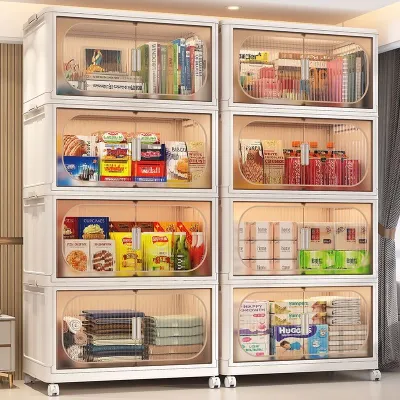
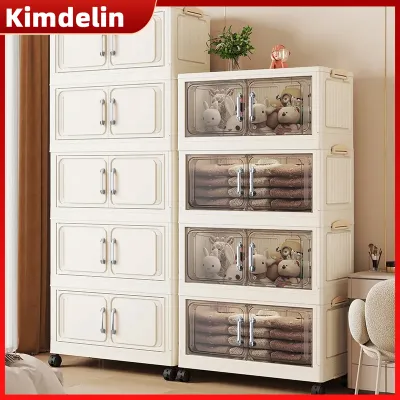
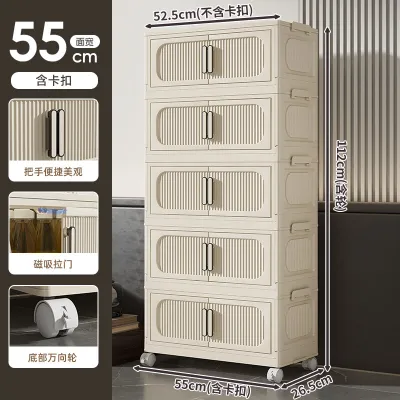
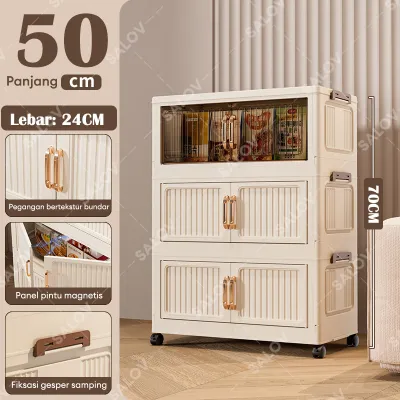
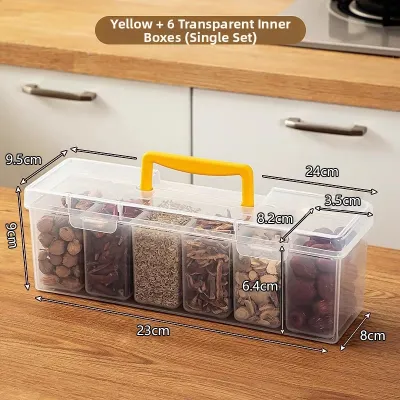
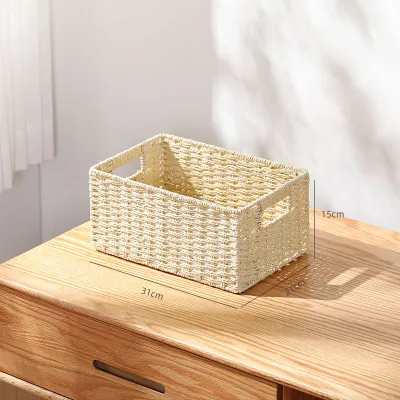
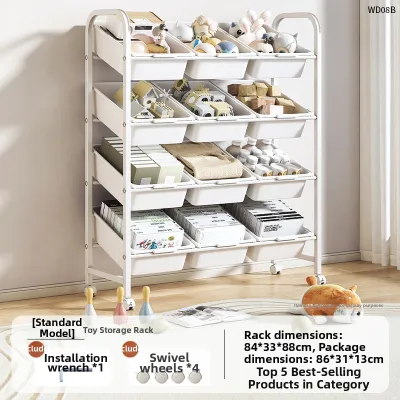
Prices are valid at publication and may change. Please refer to the product page for the latest price.
For everyday clothing, rigid plastic bins offer a sturdy alternative to vacuum bags. These bins protect garments from being crushed and are easy to stack in a moving truck. Before purchasing, check the bins’ handle durability and plastic thickness, as flimsy handles can easily crack under the weight of folded denim or heavy linens. Ensure the lids latch securely to keep out dust and pests during transit.
Wardrobe boxes are another excellent option, especially for formal wear, dresses, and suits. These tall cardboard boxes feature a built-in metal hanging bar, allowing you to transfer clothes directly from your closet without removing the hangers. This setup prevents deep wrinkles and saves hours of folding and unfolding. When using wardrobe boxes, verify the manufacturer’s specified load capacity for the hanging bar to prevent it from collapsing under heavy garments.
Finally, consider the dimensions of your textile containers in relation to your moving route. Large fabric zippered bags are convenient for soft items, but they can become awkward to carry through narrow doorways or tight stairwells. Opt for medium-sized containers with reinforced stitching around the handles to ensure safe lifting and carrying.
Selecting Protective Containers for Kitchenware and Fragiles
Kitchenware and fragile items require heavy-duty, compartmentalized storage to prevent breakage and manage weight safely. Standard cardboard boxes often lack the structural integrity needed to protect delicate ceramics and glassware from shifting during transit.

For glassware, plates, and porcelain, prioritize dish-pack boxes equipped with cardboard dividers and double-walled corrugated boards. The individual compartments keep pieces from knocking against one another, while the double-walled construction absorbs external shocks. When assembling these boxes, check that the joints are securely taped with heavy-duty packaging tape to prevent the bottom from giving way.
Heavy pots, pans, and small kitchen appliances are highly suited for stackable plastic bins with secure latching lids. Cardboard boxes can sag or tear under the concentrated weight of cast iron or heavy blenders. Rigid plastic bins distribute this weight more evenly and can be stacked on top of one another without the risk of collapsing. Always check the load capacity of each bin to avoid overloading.
Regardless of the outer container you choose, internal cushioning is essential. Wrap every fragile item individually in packing paper or bubble wrap before placing it in the container. Position the heaviest items at the bottom and lighter, more delicate pieces on top. Fill any remaining empty spaces with crumpled paper or clean towels to prevent items from shifting when the moving truck encounters uneven roads.
Securing Documents, Media, and Small Valuables
Critical paperwork, small valuables, and media require compact, secure, and easily identifiable organizers. Losing track of essential documents or small jewelry pieces during a move can cause significant stress and delay important administrative tasks.
For passports, property titles, birth certificates, and contracts, use lockable file boxes or fire-resistant document bags. These specialized organizers keep your most sensitive papers organized in one place, protecting them from dust, light moisture, and accidental loss. Look for models with secure latches or combination locks for added peace of mind.
Small parts organizers or clear resealable bags are ideal for jewelry, keys, and small hardware. When disassembling furniture, place the screws, brackets, and dowels into labeled bags and tape them directly to the corresponding furniture piece or store them together in a dedicated hardware box. This simple step prevents tiny, essential components from getting lost in larger boxes.
Keep these specific organizers in a personal essentials bag rather than loading them onto the moving truck. Valuable items, critical documents, and daily medications should remain with you in your personal vehicle or backpack. This ensures they are secure, climate-controlled, and immediately accessible throughout the moving day.
Packing Electronics, Appliances, and Cables Safely
Electronics and appliances are highly sensitive to physical impact, static electricity, and environmental conditions. Protecting these high-value items requires careful selection of shock-absorbent and cable-management solutions.
Whenever possible, prioritize the original manufacturer packaging for electronics like televisions, computer monitors, and game consoles. This packaging features custom-molded foam designed specifically for the device’s dimensions and weight distribution. If the original boxes are no longer available, select rigid plastic bins or heavy-duty cardboard boxes and line them with custom foam inserts or anti-static bubble wrap to prevent physical damage.
Cable management is equally important to prevent tangling and damage to connectors. Use cable management boxes, hook-and-loop ties, or small labeled pouches to organize power cords, HDMI cables, and chargers. Unplugging cables from their devices and bundling them individually prevents strain on the ports during transit. Labeling each cord or pouch ensures you can quickly set up your electronics in your new home.
In tropical regions, extreme heat inside a closed moving truck or sudden heavy rain can damage sensitive electronic components. If you are moving during the hot afternoon or the rainy season, transport sensitive electronics in the air-conditioned cabin of your vehicle. If they must go in the moving truck, ensure they are packed in water-resistant, sealed plastic containers to protect them from moisture and humidity.
Maximizing Versatility: Multi-Purpose Organizers for Your Move
Choosing organizers that serve a purpose beyond the move reduces waste and overall moving costs. Investing in high-quality, reusable storage solutions allows you to transition your moving containers directly into your new home’s organization system.
Stackable, clear plastic bins are highly versatile options. During the move, they protect your items from moisture and dust while allowing you to see the contents without opening them. Once you arrive, these bins transition seamlessly into long-term under-bed storage, closet organizers, or garage shelving units. Check the finished dimensions of the bins to ensure they will fit under your new bed frame or inside your closet shelves.
Modular drawer organizers are another excellent multi-purpose choice. You can pack small items, clothing accessories, or office supplies directly inside these organizers, wrap the entire unit in stretch wrap to keep the drawers closed during transit, and then place them directly into your new cabinetry or wardrobe upon arrival. This eliminates the need to unpack and reorganize small items individually.
While cardboard boxes and packing tape are cheaper upfront, high-quality plastic bins and modular organizers offer enhanced moisture protection, durability, and years of post-move utility. Evaluating these practical trade-offs helps you invest in storage solutions that protect your belongings during transit and keep your new home organized for years to come.
Frequently Asked Questions (FAQ)
Can I use regular trash bags for storing clothes during a move?
While tempting for quick packing, standard trash bags pose significant risks to your clothing. They tear easily when snagged on truck walls or furniture corners, exposing your garments to dirt, dust, and moisture. Additionally, thin plastic traps humidity, which can lead to mold and musty odors in tropical climates. Instead, opt for heavy-duty contractor bags or dedicated wardrobe boxes that offer structural support and better protection.
How do I label different storage bins efficiently?
Efficient labeling streamlines the unpacking process and helps movers place boxes in the correct rooms. Use color-coded labels or a numbered inventory system to assign each bin to a specific room in your new home. Apply painter’s tape to plastic bins or cardboard boxes first, then write on the tape with thick permanent markers; this allows you to label clearly and remove the tape later without leaving sticky residue on your reusable organizers.

Community discussion
Share your experience or ask a question. Comments are reviewed before publication.