
Moving house in the Philippines—often referred to as a lipat bahay move—presents unique challenges, from sudden tropical downpours to the bumpy transit conditions of local roads. Selecting the right storage cases is not just about finding containers; it is about protecting your valuable household goods from moisture, dust, and physical impact. The ideal storage cases for a local move combine structural rigidity, secure latching mechanisms, and moisture resistance to ensure your belongings arrive at your new home intact.
To make an informed purchase, you must evaluate how different materials and designs perform under pressure. While cardboard boxes are a traditional choice, heavy-duty plastic totes, flexible fabric bins, and specialized divided cases offer distinct advantages in terms of stackability, weather protection, and long-term reusability. Understanding these differences allows you to allocate your budget effectively and streamline the packing process.
Selection Criteria: What Makes a Storage Case Suitable for Moving
When preparing for a move, the structural integrity of your storage cases determines whether your items survive the journey inside a moving truck. The first factor to evaluate is material rigidity and wall thickness. High-density polyethylene or polypropylene cases with reinforced outer ribbing resist bowing under heavy loads. This structural reinforcement is critical because cases at the bottom of a stack must bear the cumulative weight of several containers above them without collapsing or warping.
Products mentioned in this guide
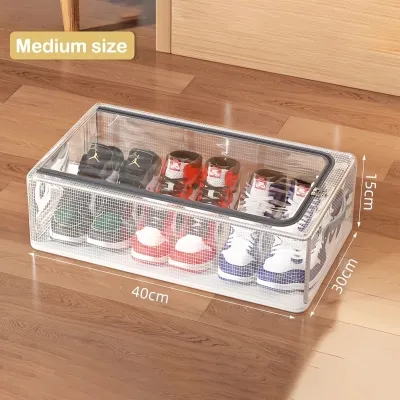
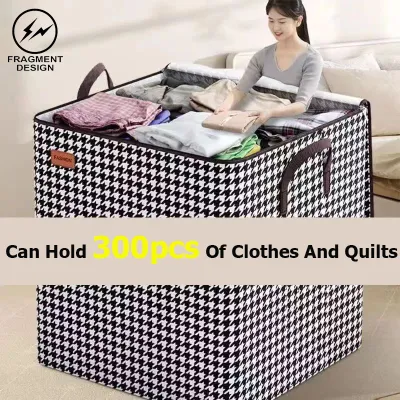
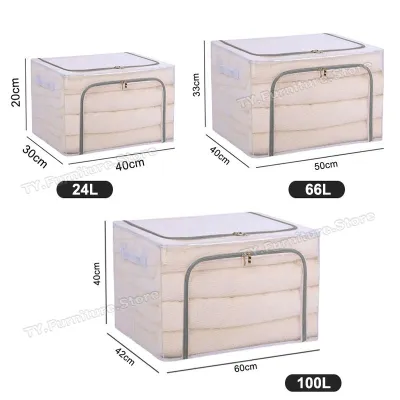
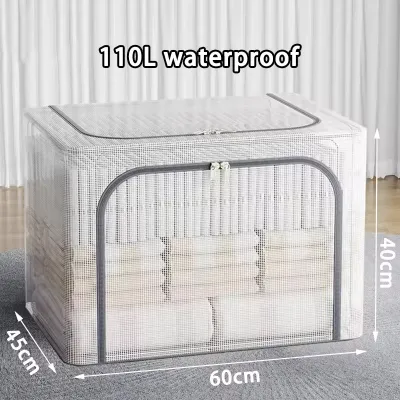
Prices are valid at publication and may change. Please refer to the product page for the latest price.
Lid security and latching mechanisms are equally vital for transit. A loose lid can easily pop off during handling or when the moving vehicle encounters uneven road surfaces. Look for cases featuring heavy-duty, snap-lock latches or buckle closures that physically clamp the lid to the container body. Additionally, check for a recessed lid design, which allows the base of another case to nest securely on top, preventing sliding during sudden stops.
Given the tropical climate of the Philippines, weather resistance is a non-negotiable feature. Sudden afternoon rain showers can quickly saturate open-air moving trucks or loading areas. While completely airtight cases can be expensive, choosing containers with deep-rimmed lids and tight-fitting closures helps shield your belongings from splashing water, high humidity, and road dust.
Ergonomics and handling safety should also guide your selection. Look for molded-in handles or robust, swing-up grips that allow you to lift the case comfortably without straining your fingers. The handles should be integrated into the main body of the case rather than attached as flimsy secondary parts, reducing the risk of sudden breakage under load.
Finally, consider the footprint of the cases. Standardized dimensions make it significantly easier to pack a moving vehicle efficiently. When cases share a uniform width and length, they can be stacked in neat, interlocking columns, maximizing the vertical space of the truck and minimizing the empty gaps that cause cargo to shift during transit.
Condition-Based Shortlist: Matching Case Types to Your Items
A successful packing strategy relies on matching the specific physical properties of your belongings to the appropriate type of storage case. Using a single type of container for every item in your home often leads to damaged goods, wasted space, or unnecessarily heavy loads that are difficult to carry.

By categorizing your items by weight, fragility, and susceptibility to moisture, you can select cases that offer the precise level of protection required. This targeted approach ensures that delicate electronics receive rigid shielding, while soft linens occupy flexible, space-saving containers.
Rigid Plastic Totes for Heavy, Fragile, or Stackable Loads
Rigic plastic totes serve as the workhorses of any household move. These containers are ideal for packing dense, heavy items such as books, kitchenware, tools, and pantry supplies, as well as fragile items like small appliances and decorative pieces that require a solid outer shell to resist external pressure.
When shopping for these totes, inspect the base and corners for reinforced ribbing, which distributes weight evenly and prevents the plastic from cracking. Look for flat, interlocking lids that feature deep grooves to keep stacked containers aligned. Secure latches that snap firmly into place are essential to keep the lid secured even if the container is accidentally tilted.
However, rigid plastic totes do have limitations. Their empty weight is higher than that of cardboard or fabric alternatives, which adds to the overall physical effort required during the move. Furthermore, their fixed, unyielding shape means that if they are underfilled, items inside may slide around and sustain damage unless you fill the empty spaces with packing paper or bubble wrap.
Soft-Sided and Collapsible Bins for Clothing and Bedding
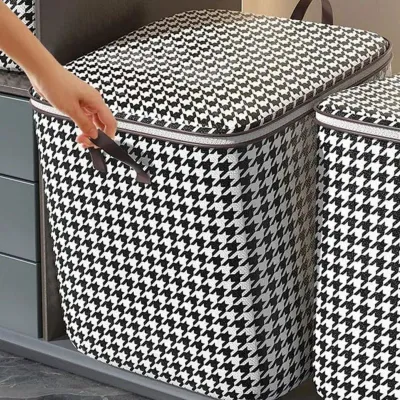
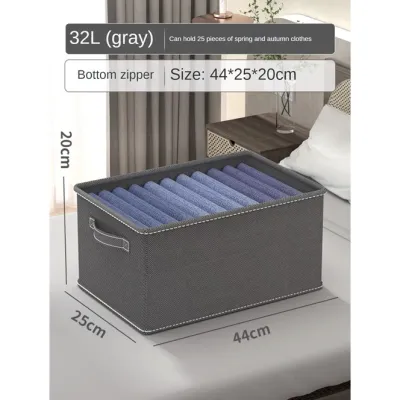
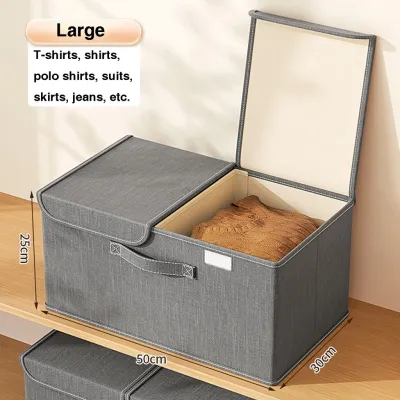
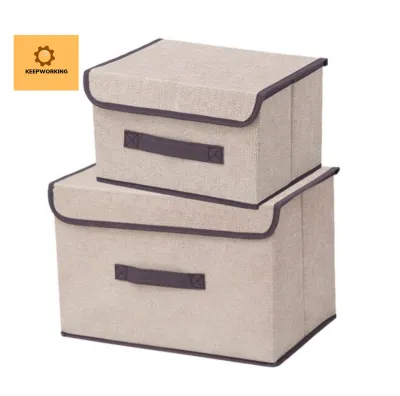
For lightweight, high-volume items, soft-sided and collapsible storage bins offer a highly efficient and flexible solution. These cases are perfectly suited for packing clothing, bedsheets, blankets, pillows, and towels—items that do not require rigid impact protection but need to be kept clean and dry.
When evaluating soft-sided bins, prioritize models made from heavy-duty, woven fabrics like polyester or oxford cloth, preferably with an internal water-resistant coating to guard against humidity. Sturdy, double-stitched zippers are crucial to prevent seams from splitting under tension. Some models also feature reinforced fabric handles that wrap completely around the bottom of the bin, providing extra support when carrying full loads.
The primary limitation of soft-sided bins is their lack of structural rigidity. They cannot support heavy vertical loads, meaning they must never be placed at the bottom of a stack. Instead, they should be positioned on top of rigid plastic cases or packed into designated flat areas of the moving vehicle where they will not be crushed.
Divided and Specialty Cases for Glassware and Electronics
High-risk, fragile, and awkwardly shaped items require specialized containment strategies to survive transit. Divided cases and specialty storage boxes are designed specifically to isolate individual items, preventing them from knocking against one another during the journey.
These cases are highly recommended for packing delicate glassware, ceramic mugs, porcelain plates, and sensitive electronic components. Look for cases that feature adjustable cell dividers made of thick cardboard, plastic, or foam-lined materials. This adjustability allows you to customize the compartment sizes to match the exact dimensions of your items, minimizing movement.
While these specialty cases offer unparalleled protection for delicate goods, they do come with trade-offs. They generally carry a higher cost per unit compared to standard utility totes, and their specialized interior layouts make them less versatile for general household storage once the move is complete.
Sizing and Quantity Estimation for a Smooth Move
One of the most common mistakes during a move is purchasing oversized storage cases with the assumption that bigger is always better. Large cases packed with heavy items like books or canned goods quickly become too heavy to lift safely, increasing the risk of personal injury or a catastrophic bottom blowout during transport.
A safer and more efficient strategy involves using a balanced mix of small, medium, and large cases. Reserve small cases (typically 15 to 30 liters) for heavy, dense items to keep the overall weight manageable. Medium cases (40 to 70 liters) are highly versatile and work well for general household goods, toys, and kitchen utensils. Large cases (80 liters and above) should be reserved strictly for lightweight, bulky items like comforters, winter wear, or plastic toys.
To estimate the quantity of cases you need, conduct a systematic, room-by-room inventory before making any purchases. Count the contents of your cabinets, shelves, and closets, and estimate the volume they will occupy. As a general rule of thumb, a typical two-bedroom home in the Philippines may require approximately 20 to 30 medium rigid totes, 10 to 15 large soft-sided bins for linens, and 5 to 10 small or specialized cases for fragile items. Having a clear estimate prevents over-purchasing and helps you stay within your moving budget.
Handling, Stacking, and Transport Safety Checks
Once your storage cases are packed, executing proper handling and transport safety protocols is essential to prevent damage to your belongings and the moving vehicle. The fundamental rule of stacking is to place the heaviest, most rigid cases at the very bottom of the pile, positioned securely against the walls of the truck to prevent shifting.
Before stacking any rigid plastic totes, perform an interlocking verification check. Ensure that each lid is fully seated, latched, and aligned with the base of the container above it. If a lid is bowed upward due to overpacking, do not stack another case on top of it, as the uneven pressure can cause the plastic to crack or the stack to topple when the truck is in motion.
Securing the load within the vehicle is the final step in ensuring a safe transit. Use heavy-duty tie-down straps, ratchet straps, or bungee cords to anchor the columns of storage cases to the truck’s interior tie-down points. This step is particularly important when navigating steep inclines, sharp turns, or poorly paved roads, where unsecured cargo can easily slide, causing a domino effect that damages multiple containers.
Where to Source and What to Verify Before Purchase
In the Philippines, storage cases can be sourced from a variety of retail channels, including local hardware stores, home improvement centers, department stores, and online marketplaces. Each channel offers distinct advantages depending on your timeline, budget, and specific requirements.
If you prefer to inspect the products physically before buying, visiting a local home goods retailer or hardware store is highly recommended. This allows you to check the thickness of the plastic, test the strength of the latches, and verify that the handles are comfortable to grip. Be sure to inspect the containers for manufacturing defects, such as warped lids, thin spots in the plastic, or brittle hinges. Additionally, check for strong chemical odors, which can transfer to your clothing and linens during storage.
When ordering online through ecommerce platforms, pay close attention to customer reviews regarding shipping damage, as large plastic items can sometimes crack during transit if not packaged properly. Check the seller’s return policies and warranty terms to ensure you can easily exchange any damaged items. Many online suppliers also offer bulk discount thresholds, which can significantly reduce your overall cost when purchasing dozens of cases for a full-house move.
As a practical budgeting tip, allocate your ₱ budget based on the priority and replacement cost of the items you are protecting. Invest in high-quality, heavy-duty rigid cases for your expensive electronics and fragile kitchenware, while opting for more affordable fabric bins or standard utility totes for your clothing and soft goods.
Frequently Asked Questions (FAQ)
Can I use regular cardboard boxes instead of plastic storage cases?
Yes, regular cardboard boxes are a common and budget-friendly option for moving, but they have significant limitations compared to plastic storage cases. Cardboard is highly susceptible to moisture, tearing, and crushing, especially in humid tropical climates or during sudden rain showers. Plastic storage cases offer superior weather protection, structural rigidity for safe vertical stacking, and long-term reusability for home organization after your move is complete.
How do I prevent mold in stored items during the rainy season?
To prevent mold and mildew during the humid rainy season, ensure that all items—especially clothes, linens, and books—are completely dry before packing them into your storage cases. Place silica gel packets or commercial moisture absorbers inside each sealed container to capture any trapped humidity. Additionally, avoid storing your packed cases directly on concrete floors or flush against uninsulated exterior walls, as temperature fluctuations can cause condensation to form inside the plastic.

Community discussion
Share your experience or ask a question. Comments are reviewed before publication.