
Moving to a new home in the Philippines—commonly known as lipat bahay—is a major undertaking. Between packing up years of belongings, coordinating transport, and navigating unpredictable tropical weather, the physical toll of moving can be exhausting. One of the most effective ways to ease this transition is by using a reliable storage trolley organizer. These mobile carts do more than just hold items; they serve as active transport tools that protect your back, speed up the loading process, and keep fragile items organized during transit. Choosing the right trolley requires understanding your specific moving environment, from the rough concrete of suburban driveways to the narrow corridors of high-rise condominiums.
Essential Features to Evaluate for Moving Day
When preparing for a lipat bahay, not all rolling carts are created equal. The first and most critical specification to evaluate is the load capacity limit. Manufacturers typically rate trolleys by maximum weight, often ranging from 50 kilograms to over 300 kilograms. For a house move, it is essential to check these limits and look for reinforced frame materials. Steel frames offer excellent structural integrity for heavy boxes, while heavy-duty aluminum provides a lighter alternative that is easier to lift into a moving truck. Because the Philippine climate is highly humid, check if the metal frame features a rust-resistant powder coating or paint finish to prevent corrosion over time.
The wheels, or casters, are the primary point of failure on cheap trolleys. For outdoor surfaces like rough asphalt, cracked concrete, or gravel pathways, look for larger wheels made of shock-absorbing rubber or polyurethane. Hard plastic wheels are suitable for smooth indoor tiles but can crack easily on uneven outdoor terrain and transmit heavy vibrations to your fragile cargo. Additionally, ensure the trolley has at least two 360-degree swivel wheels for easy steering, and verify that it includes reliable foot brakes. Brakes are vital when loading items on inclined driveways or ramps to prevent the trolley from rolling away.
Products mentioned in this guide
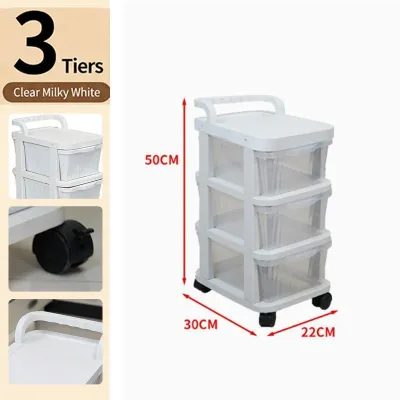
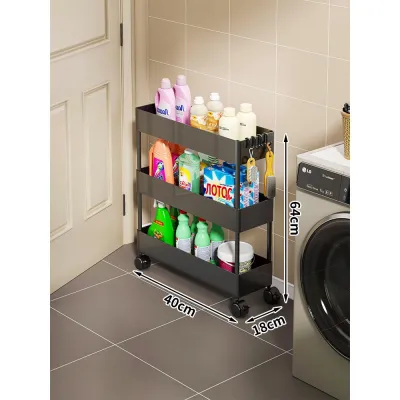
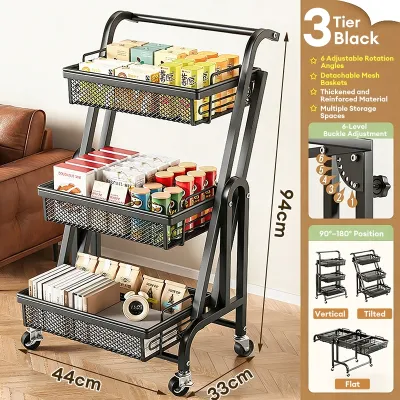
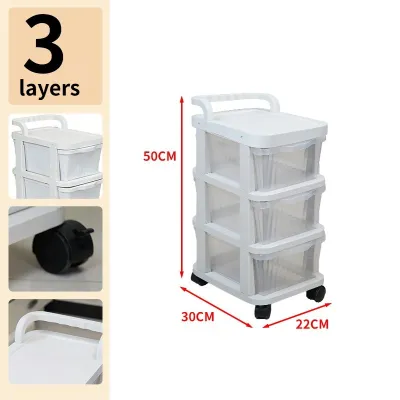
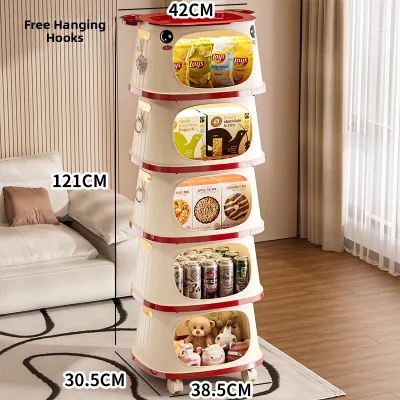
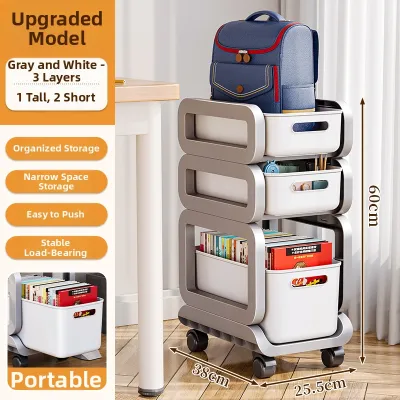
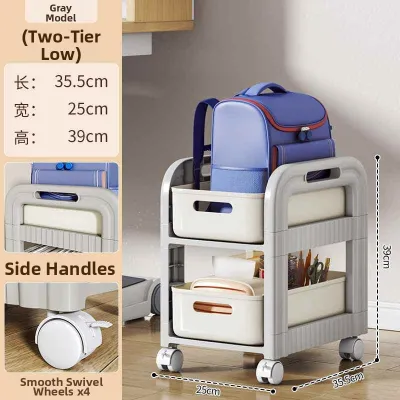
Prices are valid at publication and may change. Please refer to the product page for the latest price.
Finally, consider the physical dimensions, foldability, and handle design. A trolley that cannot fold flat will occupy valuable space in your moving vehicle, reducing the room available for your actual belongings. Look for models with a quick-release folding mechanism that allows the handle to lie flat against the platform. Adjustable telescoping handles are also highly beneficial, as they allow movers of different heights to push or pull comfortably without straining their lower backs. Before purchasing, check the folded dimensions to ensure the unit fits easily inside your car trunk or alongside your packed boxes.
Types of Storage Trolley Organizers for Lipat Bahay
Selecting the right style of trolley depends heavily on the categories of items you need to transport. Multi-tier rolling carts, often featuring three or four mesh baskets, are incredibly useful for lightweight, high-volume household goods. During a move, these carts can be packed with daily essentials, toiletries, cleaning supplies, or kitchen spices. Instead of packing these small items into deep boxes where they might get lost or damaged, you can roll the entire cart directly onto the moving truck (if secured properly) or use it to transport loose items from room to room. When evaluating these, check the depth of the baskets and the stability of the joints to ensure they do not wobble under a full load.

For heavy boxes, bulky appliances, and large furniture pieces, a flatbed or platform trolley is indispensable. These units feature a low, wide platform that distributes weight evenly close to the ground, minimizing the risk of tipping. They are ideal for moving heavy stacks of plastic storage crates, washing machines, or small refrigerators. When choosing a platform trolley, check for a non-slip rubber mat on the deck to prevent boxes from sliding off during transit. Some models also feature integrated slots or perimeter rails that make it easier to hook bungee cords or tie-down straps securely.
If your move involves navigating stairs, curbs, or highly uneven outdoor paths, a convertible hand-truck hybrid is an excellent investment. These versatile tools can transition from a standard two-wheel upright hand truck (perfect for tall appliances or stacked boxes) to a four-wheel flatbed utility cart. Some specialized models even feature a tri-wheel design on each side specifically engineered to “climb” stairs with minimal lifting effort. When inspecting a convertible model, pay close attention to the locking pins and hinges; they must be robust enough to handle the transition between modes without slipping under load.
Matching Trolley Specifications to Your Moving Needs
To avoid overloading your equipment or making unnecessary trips, you must match the trolley’s specifications to your actual moving volume. Begin by estimating the total weight and volume of your packed items. A standard medium-sized moving box filled with books or kitchenware can easily weigh 15 to 20 kilograms, while a box of linens or clothing might only weigh 5 kilograms. Calculate the average weight of a single stack of boxes and ensure it remains well within the rated load capacity of your chosen trolley. It is always safer to operate at 70% to 80% of the maximum weight limit to prevent structural fatigue on the frame and wheels.
Next, measure the physical clearances of both your old and new homes. This includes measuring the width of doorways, hallway turns, elevator doors, and ramp clearances. A heavy-duty industrial trolley might carry 300 kilograms, but if it is too wide to fit through a standard condominium doorway or elevator entrance, it becomes a liability rather than an asset. Ensure there is a clearance margin of at least 10 centimeters on either side of the trolley when fully loaded to prevent scraping against walls, doorframes, or expensive furniture.
Finally, plan the logistics of your moving day to determine how many trolleys you actually need. If you are moving a multi-bedroom house with several family members or helpers, relying on a single trolley can create a major bottleneck. Having a two-trolley system—such as one heavy-duty flatbed for large items and one multi-tier utility cart for smaller, loose items—allows multiple people to load and unload simultaneously. This parallel workflow significantly reduces the total time the moving truck needs to park, which is especially helpful if you face strict loading dock time limits in urban residential buildings.
Purchasing Channels and Pre-Use Inspection
When sourcing your moving trolley, you can choose between online marketplaces and physical hardware stores in the Philippines. Online platforms offer a wide variety of designs, competitive pricing, and the convenience of home delivery, which is highly beneficial when you are busy packing. However, because you cannot physically test the product before buying online, you must carefully read customer reviews, check seller ratings, and verify the detailed specification sheets. If you prefer to inspect the build quality firsthand, visiting a local home improvement or hardware store allows you to test the wheel glide, feel the weight of the frame, and check the folding mechanism in person.
Regardless of where you purchase your trolley, conducting a thorough pre-use inspection upon delivery is critical for safety. Begin by checking the wheel alignment; place the trolley on a flat surface to ensure all wheels make contact with the ground and roll smoothly without resistance. Test the brake mechanisms on each wheel to confirm they lock tightly and prevent any movement. Inspect the frame joints, welds, and bolts; look for any signs of hairline cracks, loose connections, or paint chipping that might indicate structural weakness.
Before the actual moving day, conduct a practical test run with a moderate load. Load the trolley with approximately half of its rated capacity—using items like water jugs or filled storage boxes—and navigate it around your current home. Pay attention to how the trolley handles transitions between different flooring types, such as moving from carpet to tile, or crossing a door threshold. Listen for any unusual squeaks or rattles, and check if the steering remains responsive. This trial run ensures that you can identify and resolve any mechanical issues before you are under the time constraints of moving day.
Frequently Asked Questions (FAQ)
Can I use a standard kitchen storage trolley for moving heavy boxes?
Standard kitchen storage trolleys are generally designed for light-duty, indoor use, such as holding vegetables, spices, or small appliances. They are typically constructed from thin plastic, lightweight aluminum, or hollow metal tubes, with a load capacity often limited to 10 to 20 kilograms per shelf. Attempting to load these carts with heavy moving boxes can cause the frame to bend, the joints to snap, or the small plastic wheels to buckle. For moving heavy boxes, it is highly recommended to use a dedicated heavy-duty platform trolley or a reinforced utility cart designed specifically for material handling.
How do I maintain the wheels after moving on rough outdoor surfaces?
Moving outdoors exposes your trolley wheels to dirt, mud, sand, and small debris that can clog the bearings and degrade performance. After your move, inspect the wheels and use a stiff brush or a damp cloth to remove any trapped hair, strings, or small stones from the axles. Check the tread of the wheels for any flat spots, deep cracks, or embedded sharp objects. If the wheels have metal bearings or swivel joints, apply a small amount of silicone-based lubricant or multi-purpose machine oil according to the manufacturer’s instructions to ensure they continue to rotate smoothly and prevent rust.
What is the safest way to secure items on a multi-tier trolley during transit?
To prevent items from tipping over or falling off a multi-tier trolley, always distribute the weight evenly and keep the center of gravity as low as possible. Place the heaviest items, such as books or small appliances, on the bottom shelf, and reserve the upper shelves for lighter, bulkier items. Use heavy-duty bungee cords, tie-down straps, or industrial stretch wrap to secure loose or tall items to the frame of the trolley. Ensure that no items overhang the edges of the shelves, as protruding objects can easily catch on doorframes, walls, or elevator doors, causing the trolley to tip or damage your home’s interior.

Community discussion
Share your experience or ask a question. Comments are reviewed before publication.