
Quick Answer: Which Mattress Sleeps Cooler?
When trying to survive hot, humid nights in the Philippines, choosing the right sleeping surface can make the difference between restful sleep and waking up drenched in sweat. A woven tatami mattress generally provides a cooler initial touch because its textured, fibrous surface allows air to circulate directly beneath your body, preventing skin from sticking to the bed. On the other hand, a natural latex mattress offers superior buoyant support and moderate heat dissipation through molded ventilation holes, though it tends to feel warmer on initial contact due to its denser physical structure. Neither mattress can guarantee a completely sweat-free night on its own; true sleeping comfort in a tropical climate depends heavily on your bedroom’s ventilation, ambient humidity, and the breathability of your sheets.
Breathability and Heat Retention Compared
Tatami Mattress Airflow and Surface Temperature
A traditional or modern tatami mattress relies on a woven exterior to manage the microclimate between your body and the bed. Traditional models utilize woven rush grass (igusa), while contemporary variations often incorporate woven synthetic polymers designed to mimic natural fibers. This woven structure is inherently excellent at promoting surface airflow because the tiny gaps between the fibers prevent your body from making flat, continuous contact with a solid block of material. This physical separation allows heat to escape laterally rather than radiating directly back to your skin.

However, the cooling performance of a tatami mattress is highly dependent on its specific manufacturing quality and material composition. When shopping, you must check the weaving density and read the manufacturer’s material tags carefully. A very tight, dense weave or a heavy synthetic overlay can restrict the natural movement of air, trapping body heat in the upper layers of the mattress. Additionally, if the tatami mattress uses a thick, non-breathable polyester core instead of traditional compressed straw or breathable fiberboards, heat retention will increase significantly during warm nights.
Products mentioned in this guide
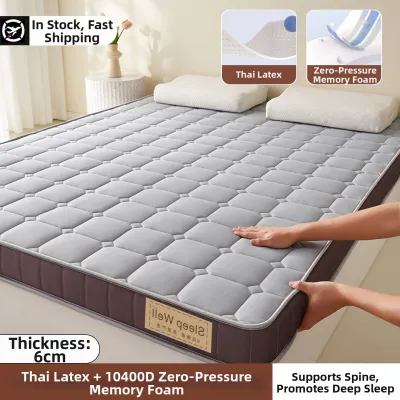


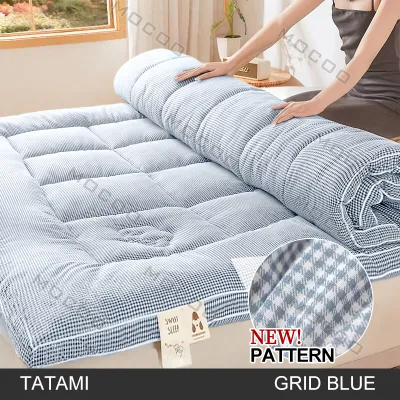
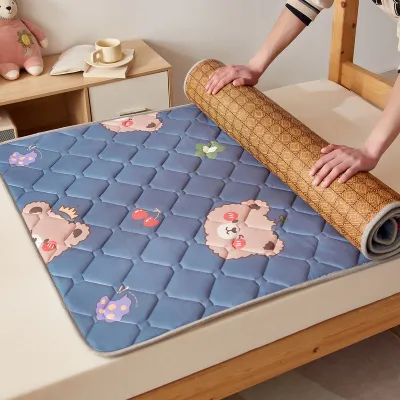
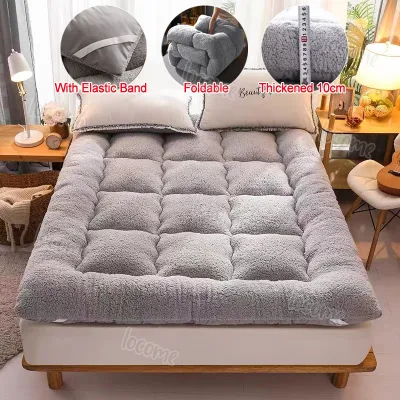
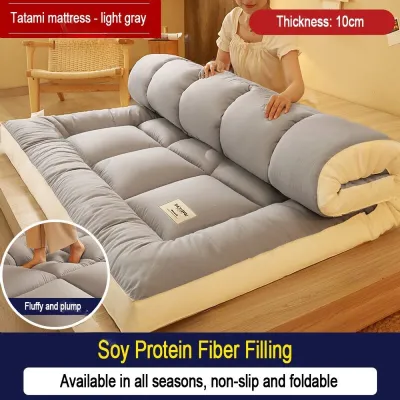
Prices are valid at publication and may change. Please refer to the product page for the latest price.
Latex Mattress Heat Dissipation
Unlike woven fiber surfaces, a latex mattress is a solid, elastic block that relies on engineered ventilation to prevent heat retention. High-quality latex mattresses are manufactured with hundreds of molded pinholes—often referred to as pincore ventilation—created during the curing process to allow air to escape when the mattress compresses under your weight. The material itself features an open-cell structure that acts like a series of microscopic pathways, helping to channel warm air away from your body as you move throughout the night.
To ensure optimal heat dissipation, you must verify whether the mattress is made of natural latex, synthetic latex, or a blended composition. Natural latex, produced from the sap of the Hevea brasiliensis tree, naturally retains less heat and features a more open, breathable cellular structure than its synthetic counterparts. Synthetic latex, often made from styrene-butadiene rubber (SBR), is denser, less elastic, and tends to trap heat more readily, which can lead to uncomfortable sleeping temperatures in tropical climates. Keep in mind that even high-quality natural latex will inherently feel warmer to the touch than a woven tatami surface because the solid rubber material conforms more closely to your body shape, maximizing the surface area of skin-to-mattress contact.
Comfort and Support in Humid Conditions
Tatami Firmness and Moisture Management
The unique physical profile of a tatami mattress delivers an exceptionally firm, unyielding feel that ranks near the top of the firmness scale. This solid support is highly beneficial for back and stomach sleepers who require strict spinal alignment and want to avoid the “sinking” sensation that often traps heat around the body. Because you remain positioned entirely on top of the mattress rather than sinking into it, a larger portion of your skin remains exposed to ambient air currents from fans or air conditioning units.
Moisture management is another critical factor when sleeping in the high humidity of the Philippines. Natural rush grass fibers possess a natural ability to absorb ambient moisture and sweat, acting as a temporary humidity buffer that keeps the surface feeling dry to the touch. However, this absorption capacity has limits; in sustained high-humidity conditions without proper room ventilation, the fibers can become saturated, leaving the mattress feeling damp, heavy, and clammy. Before purchasing, check the manufacturer’s specifications to see if the fibers have been treated with moisture-wicking coatings or if the core is designed to resist humidity retention.
Latex Contouring and Sweat Response
A latex mattress provides a responsive, buoyant contouring experience that is vastly different from the rigid support of tatami. It conforms gently to the curves of your shoulders, hips, and lower back without creating the deep, heat-trapping “quicksand” feeling associated with memory foam. This instant response and high elasticity make latex an excellent choice for side sleepers and active combination sleepers who need pressure relief but still want to move easily during the night.
However, latex is inherently hydrophobic, meaning the rubber core does not absorb sweat or moisture. While this prevents moisture from seeping deep into the mattress core, it means any sweat generated during the night remains on the surface. If your mattress is paired with a non-breathable synthetic cover, this moisture can pool, creating a hot, clammy sleeping environment. To prevent this, always verify the material of the mattress cover before buying; look for highly breathable, moisture-wicking textile covers made from organic cotton, bamboo-derived rayon, or Tencel blends that can effectively disperse sweat before it affects your comfort.
Durability and Maintenance in Tropical Climates
Preventing Mold on Tatami Mats
In the tropical climate of the Philippines, where relative humidity levels frequently exceed 80 percent, maintaining a tatami mattress requires diligent care to prevent the growth of mold (amag) and mildew. To keep a tatami mattress dry and clean, you must implement low-risk, reversible maintenance steps. Ensure your bedroom is regularly ventilated by opening windows during dry periods, or run a room dehumidifier during the humid rainy season (habagat) to keep ambient moisture levels low. For routine cleaning, wipe the surface gently along the direction of the weave using a clean, dry cloth, or a slightly damp cloth that has been thoroughly wrung out.
Never saturate a tatami mattress with water, and avoid using harsh chemical cleaners, as these can permanently damage the fibers and promote internal rot. Deep cleaning, washing, or exposing the mattress to direct, intense midday sunlight for extended periods can cause natural fibers to warp, crack, or lose their structural integrity. Always check the applied product’s label and the treated item’s manufacturer instructions before attempting any cleaning routine. If the care instructions conflict with your room’s environmental conditions, or if the mattress material is unidentified, stop and consult the manufacturer or a qualified professional.
Caring for Latex in High Humidity
Natural latex is highly resilient and possesses natural resistance to dust mites, mold, and mildew, making it a robust option for tropical environments. However, while the latex core itself resists microbial growth, the fabric cover, the fire-retardant barriers, and the wooden bed frame beneath it are still vulnerable to mold if moisture becomes trapped. To protect your investment, you must ensure that air can circulate freely around all sides of the mattress.
A critical warning for latex mattress owners is to avoid exposing the latex core to direct sunlight. Ultraviolet (UV) rays rapidly degrade natural latex, causing it to oxidize, turn brittle, crumble, and lose its supportive elasticity. When washing the removable mattress cover, ensure the latex core remains indoors in a shaded, well-ventilated room. Additionally, always use a raised, slatted bed frame with gaps of no more than 2 to 3 inches to ensure continuous airflow underneath the mattress, and check your product’s warranty terms, as using an unsupportive or unventilated solid base can void your coverage.
Cost and Long-Term Value
Evaluating the financial investment of these two mattress types requires looking beyond the initial purchase price to consider their overall lifespan and maintenance costs in a tropical climate. Tatami mattresses generally represent a lower upfront investment, making them an attractive, budget-friendly option for those seeking a minimalist or traditional sleeping setup. However, because natural fibers are more susceptible to wear, humidity damage, and mold in the Philippines, a tatami mattress may require more frequent replacement or more active, hands-on maintenance, which can increase its long-term cost of ownership.
Conversely, a high-quality natural latex mattress represents a substantial upfront financial investment, often costing significantly more in the Philippine market. Despite the higher initial price, latex mattresses offer exceptional durability, frequently maintaining their shape, support, and pressure-relieving properties for 10 to 15 years when properly maintained. When calculating the total cost, you must also factor in the price of essential accessories. Both mattress types require a compatible, high-quality slatted bed frame to prevent moisture buildup, and investing in a breathable, waterproof mattress protector is highly recommended to protect your mattress from sweat and accidental spills without compromising airflow.
How to Choose: Decision Framework
Selecting the ideal mattress for hot nights depends on your personal sleep preferences, your willingness to perform regular maintenance, and your bedroom’s climate control setup. Use the following framework to guide your decision:
Choose a Tatami Mattress if:
- You prefer an exceptionally firm, solid sleeping surface that keeps your body fully elevated.
- You prioritize a cool, textured initial touch and enjoy the natural aroma of woven fibers.
- You sleep primarily on your back or stomach and do not require deep pressure relief for your shoulders or hips.
- Your bedroom is well-ventilated, equipped with an air conditioner or dehumidifier, and you are willing to commit to regular airing and strict moisture-control maintenance.
Choose a Latex Mattress if:
- You require pressure relief for your joints and prefer a responsive, buoyant, and contouring feel.
- You are a side sleeper or a combination sleeper who shifts positions frequently throughout the night.
- You want a highly durable, low-maintenance mattress that naturally resists dust mites and mold.
- You prefer a mattress that offers reasonable, consistent breathability through engineered ventilation without requiring daily airing.
Verify First if:
- You must measure your bedroom floor space, doorways, and stairwells before purchasing, as latex mattresses are exceptionally heavy and difficult to bend during delivery and installation.
- You need to inspect your current bed frame to ensure it has strong, closely spaced slats; neither mattress should be placed on a solid, unventilated platform in a humid tropical climate.
- You should review the manufacturer's specific care instructions and warranty terms to ensure your planned setup and cleaning methods are fully covered.
Frequently Asked Questions (FAQ)
Can I put a tatami mattress directly on the floor in a humid climate?
Placing a tatami mattress directly on a solid floor in a humid climate like the Philippines carries a very high risk of trapping moisture, which quickly leads to mold and mildew growth underneath the mattress. The temperature difference between the cool floor and your warm body creates condensation that has nowhere to escape when trapped against a solid surface. To prevent this, always elevate the mattress using a raised, slatted bed frame or a highly breathable underlayment mat. If you must place it on the floor temporarily, you must prop the mattress up daily to air it out, and you should check the manufacturer’s warranty, as floor placement in high-humidity regions often voids coverage.
Does natural latex sleep hotter than synthetic latex?
Natural latex generally sleeps significantly cooler than synthetic latex due to its physical cell structure and manufacturing process. Natural latex features an open-cell structure that allows air to flow naturally through the material, and it is almost always molded with pinhole ventilation channels to maximize heat dissipation. Synthetic latex, which is made from petroleum-based chemical compounds, is denser, less elastic, and lacks the same level of micro-porosity, causing it to retain body heat and feel noticeably warmer during hot nights. When purchasing, always check the product specifications and material certifications to verify that the mattress is made of 100 percent natural latex rather than a synthetic blend.

Community discussion
Share your experience or ask a question. Comments are reviewed before publication.