
Finding a reliable no drill bookshelf is essential when you want to organize a study room without damaging your walls. Whether you are renting a modern high-rise condo in Manila with strict structural guidelines or simply want the flexibility to rearrange your home office layout, skipping the wall anchors requires a smart approach to furniture physics. Without screws securing your shelves directly to the wall studs, you must rely on alternative engineering designs to keep your books secure and upright.
There is no single best option for every home office. The ideal setup depends entirely on your room’s ceiling height, floor space, and the actual weight of the books you intend to store. By understanding how different designs handle gravity and lateral force, you can choose a system that keeps your collection safe without leaving a single mark on your walls.
To help you make the right choice, use this conditional decision framework:
Products mentioned in this guide
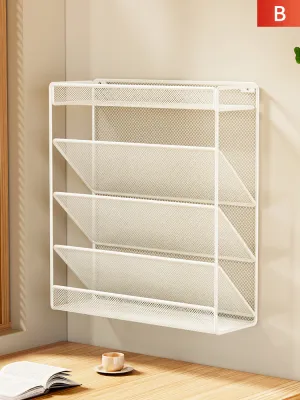
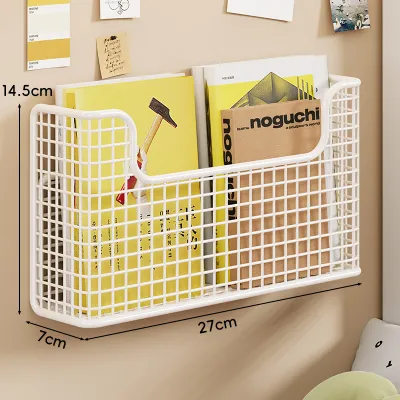
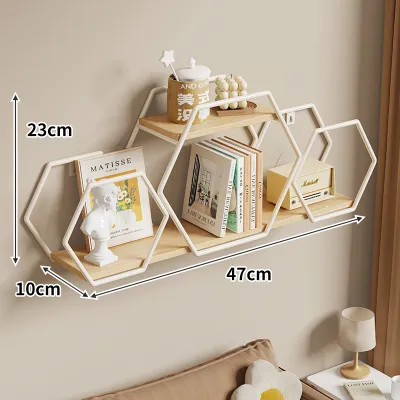
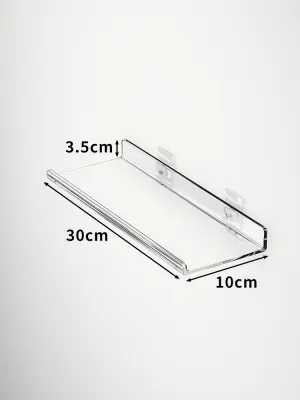
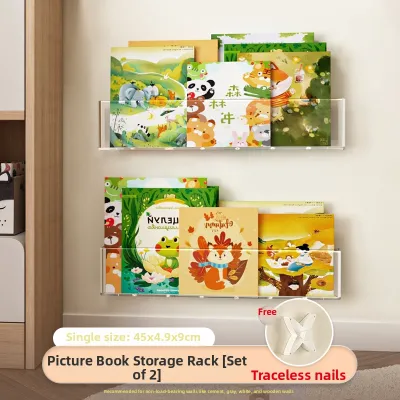
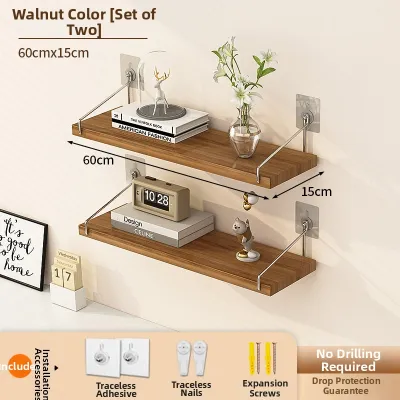
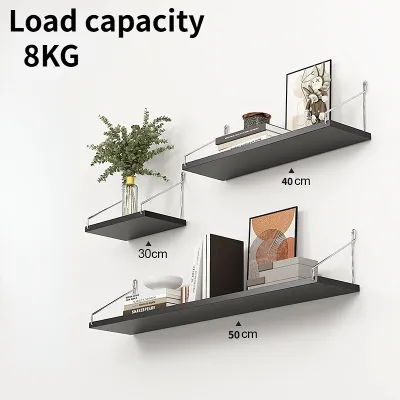
Prices are valid at publication and may change. Please refer to the product page for the latest price.
- Choose a Tension Pole Bookshelf if: You have solid, standard-height ceilings, limited floor space, and want to maximize vertical storage with a sleek, built-in appearance.
- Choose a Freestanding Bookshelf if: You own a collection of heavy, oversized textbooks or reference manuals, need to position your shelves away from walls, or live in a space with fragile, suspended, or drop ceilings.
- Choose a Leaning Bookshelf if: You have a compact study room, want to display a curated mix of books and decorative items, and prefer a light visual footprint that makes the room feel larger.
While all three options eliminate the need for power tools, they each require careful verification of load capacities, floor friction, and structural contact points to prevent tipping or structural failure.
Breakdown of the Three No-Drill Bookshelf Types
When you eliminate wall screws, the burden of stability shifts from mechanical wall anchors to other physical forces. No-drill shelving systems rely on floor friction, ceiling pressure, or a wide, low-slung base footprint to remain upright. Understanding how these mechanics work allows you to evaluate your study room’s physical layout and choose a system that matches your environment.
Each of the three primary structural categories solves the stability challenge differently. By analyzing their mechanics, you can easily spot which design matches your home’s architecture.
Tension Pole (Floor-to-Ceiling) Bookshelves
Tension pole bookshelves utilize vertical structural poles that extend from the floor to the ceiling. These systems feature an internal spring-loaded mechanism or a manual screw-threaded adjustment collar. By expanding the pole until it tightly wedges between the floor and the ceiling, the unit creates a rigid vertical column. Shelves are then clamped or bolted directly to these upright poles at your desired heights.
The primary benefit of this design is its incredible spatial efficiency. Because the structural support runs vertically, these shelves require a very small floor footprint, making them excellent for tight study corners, narrow alcoves, or small condo rooms. They provide a modern, floating, floor-to-ceiling look that mimics high-end custom cabinetry without requiring permanent modifications to your walls.
However, tension pole systems come with strict structural limitations. They require a solid, load-bearing ceiling, such as solid concrete or plaster, to press against safely. They are entirely unsuitable for drop ceilings, suspended ceiling tiles, or thin, unreinforced drywall, which can easily crack or warp under the upward force of the tension mechanism. Additionally, they require a perfectly level, non-slip floor to prevent the base of the poles from shifting over time.
Before purchasing, you must check the specific tension mechanism of the poles. Look for models that feature wide, non-slip rubber or silicone contact plates on both the top and bottom. These wide plates distribute the pressure over a larger surface area, protecting your ceiling paint and floor finish from scratches or deep indentations while maximizing grip.
Freestanding Bookshelves
Freestanding bookshelves are self-supporting furniture pieces that sit directly on the floor without needing any wall or ceiling contact. These units rely on a deep base footprint and a low center of gravity to remain stable. They are available in a wide variety of styles, including classic solid-back bookcases, open-frame etageres, and modular cube organizers.
The main advantage of a freestanding unit is its high weight capacity. Because the load is transferred directly downward into the floor through a wide base or multiple solid legs, these shelves can support heavy textbooks, thick binders, and massive hardcovers. They also offer unmatched placement flexibility, as you can position them against a wall, in the center of a room as a space divider, or tucked into a corner without worrying about ceiling height or wall material.
On the downside, freestanding units have a larger physical footprint. They require significant floor space, which can make smaller study rooms feel cramped and dark. Because they lack wall anchors, tall and narrow freestanding units carry an inherent risk of tipping if they are overloaded, bumped, or subjected to uneven flooring.
To mitigate this risk without drilling, you must select freestanding units that feature a deep base or a tapered design that is wider at the bottom than the top. Always place your heaviest items on the lowest shelves to keep the center of gravity as close to the floor as possible. If you live in an area prone to minor seismic activity or have slippery floors, look for low-profile units or modular designs that can be stacked horizontally rather than vertically.
Leaning (Ladder) Bookshelves
Leaning bookshelves, often referred to as ladder shelves, feature an angled frame that rests against your study room wall at the top while the base of the frame sits slightly outward on the floor. The shelves typically graduate in depth, with the shallowest shelves at the top and the deepest shelves at the bottom, creating a natural step-like profile.
This angled design offers a highly aesthetic, open, and airy look. It is particularly well-suited for small home offices because the open sides allow light to pass through, preventing the room from feeling closed in. Additionally, because the frame stands at an angle, it is incredibly easy to clean the floor space directly behind and underneath the unit.
The stability of a leaning bookshelf relies entirely on the angle of the lean and the friction of the feet against the floor. Gravity pulls the unit downward and pushes the top of the frame firmly against the wall, while the feet must grip the floor to prevent the bottom from sliding outward.
Because of these physics, leaning shelves have strict weight distribution requirements. The top shelves must only hold lightweight items, such as small paperbacks, framed photos, or light decorative objects. Placing heavy items near the top shifts the center of gravity upward and outward, which can cause the bottom feet to slip, leading to a sudden collapse. You must also ensure that the wall surface is smooth and flat, and that the floor material provides excellent traction.
Head-to-Head Comparison: Finding the Best No Drill Bookshelf for Stability
Choosing the right no drill bookshelf requires balancing your physical space constraints with the size and weight of your book collection. The table below outlines how these three structural designs compare across key performance and installation dimensions.

| Comparison Dimension | Tension Pole Bookshelves | Freestanding Bookshelves | Leaning (Ladder) Bookshelves |
|---|---|---|---|
| Primary Stability Mechanism | Vertical pressure between floor and ceiling | Wide base footprint and low center of gravity | Angled gravity load and floor friction |
| Weight Capacity Profile | Medium (best for standard books) | High (best for heavy/oversized books) | Low to Medium (best for mixed media/decor) |
| Floor Space Required | Minimal footprint | Large footprint | Moderate footprint |
| Ceiling & Wall Requirements | Solid, load-bearing ceiling required | None | Flat, smooth wall surface required |
| Ease of Relocation | Moderate (requires adjusting tension) | Easy (simply lift and move) | Very Easy (lift and lean) |
| Best Room Layout Fit | Narrow alcoves, tight corners, high ceilings | Large open walls, room centers, spacious studies | Small rooms, accent walls, minimalist spaces |
Understanding Storage Capacity and Weight Limits
While a tension pole system allows you to add multiple shelves all the way to your ceiling, it does not necessarily offer the highest weight capacity. Tension poles are excellent for maximizing the number of shelves in a tight space, but each individual shelf has a strict weight limit that is constrained by the grip of the pole clamps.
In contrast, freestanding bookshelves are the undisputed champions of raw weight capacity. Because their weight is supported by solid vertical panels or heavy metal legs resting directly on the floor, they do not rely on friction or tension to stay up. If you are storing heavy professional manuals, medical textbooks, or law binders, a sturdy, low-profile freestanding bookcase is the safest choice.
Leaning bookshelves offer a middle ground in terms of space but are highly limited in capacity. They are designed for mixed-use storage. If your goal is to create an inspiring study space with a few favorite novels, a small plant, and a desk lamp, the leaning design works beautifully. However, trying to pack a leaning ladder shelf entirely with heavy hardcovers is a safety hazard.
How Your Study Room Layout Dictates the Choice
Your room’s physical architecture should be the ultimate deciding factor. If your study room is a converted closet, a small alcove, or a narrow corner of a bedroom, a tension pole system utilizes the vertical height without blocking walkways.
If you have a large, open study room with plenty of floor space, a freestanding bookshelf allows you to create structured zones. You can even place two freestanding units back-to-back to create a functional room divider that separates your active workspace from a reading corner.
For rooms with baseboards that protrude significantly, leaning bookshelves are highly accommodating. Since only the very top of the frame touches the wall, the bottom feet can easily clear wide baseboards. Conversely, freestanding shelves must either have a baseboard cutout at the back or sit slightly away from the wall, which can sometimes create an awkward gap where small items can fall.
How to Verify Safety and Weight Limits Without Wall Anchors
Operating furniture without permanent wall anchors means you must be proactive about safety. A falling bookshelf can cause serious damage to your flooring, ruin your books, and pose a severe safety hazard to anyone in the room. By taking the time to verify specifications and prepare your room surfaces, you can enjoy a secure, drill-free setup.
Check Manufacturer Specifications
Never assume that a bookshelf is sturdy simply because it is made of “solid wood” or “heavy-duty steel.” Material quality is important, but structural stability depends on joint design and weight distribution. Always locate the manufacturer’s official product label, manual, or online specification sheet before buying.
Look for two distinct ratings:
- Per-Shelf Load Capacity: The maximum weight a single shelf can hold without sagging or slipping.
- Total Unit Capacity: The maximum combined weight the entire structure can safely support.
If a manufacturer does not clearly state these weight limits, treat the product with caution. For engineered wood or particleboard shelves, look for reinforced support bars underneath the shelves, which help prevent bowing over time under high humidity conditions.
Assess Your Room's Surfaces
Before installing any no-drill shelving, conduct a thorough inspection of the surfaces that will support it.
- Ceiling Inspection (For Tension Poles): Knock on your ceiling to determine its composition. A hollow, paper-like sound indicates thin drywall or a suspended ceiling grid, which cannot support tension poles. A solid, dull thud indicates concrete or heavy plaster. If you are unsure, do not install a tension pole system, as the pressure can punch a hole through thin ceiling materials.
- Floor Inspection (For Leaning and Freestanding): Many modern homes and condos feature highly polished porcelain tiles, smooth marble, or slick laminate flooring. These surfaces offer very little natural friction. If you place a leaning bookshelf on a polished tile floor, the feet can slowly slide outward under a heavy load. Always check if the bookshelf comes with non-slip rubber or silicone pads for the feet. If it does not, purchase aftermarket rubber grip pads to place under the contact points.
- Wall Inspection (For Leaning): Ensure the wall where your leaning shelf will rest is free of heavy textures, decorative moldings, or slippery wallpaper that could cause the top contact pads to slide sideways.
Alternative Anti-Tip Solutions
If you want to use a tall freestanding or leaning unit but are worried about stability, there are several clever ways to secure the furniture without drilling holes into your walls:
- Furniture-to-Furniture Tethers: If your bookshelf sits directly next to a heavy, solid wood executive desk or a heavy filing cabinet, you can use heavy-duty nylon straps to tether the bookshelf to the heavier furniture piece. This keeps the bookshelf stable by linking it to a massive, low-profile anchor.
- Weighted Base Plates: For freestanding metal wire shelves or modular units, you can place heavy decorative weights, flat paving stones, or heavy storage boxes filled with files on the very bottom shelf. Keeping the lowest level heavily weighted significantly reduces the risk of the unit tipping forward.
- Adhesive Anti-Tip Straps: Some modern adhesive anchor kits utilize industrial-strength adhesive pads that stick directly to the wall and the back of the furniture, connected by a quick-release strap. While these do not require drilling, you must verify if the adhesive is safe for your specific wall paint, as removing them later can sometimes peel away paint or drywall paper.
Final Selection Rules for Your Study Room
To ensure you purchase the perfect no-drill storage solution for your home office, follow this simple four-step pre-purchase checklist:
1. Measure the Space
Use a reliable measuring tape to record your exact ceiling height (crucial for tension poles) and the available floor depth (crucial for freestanding and leaning bases). Do not forget to measure the height and thickness of your wall baseboards, as this will determine how close a freestanding unit can sit to the wall. Ensure there is adequate clearance for nearby doors, drawers, and walkways to open fully.
2. Audit Your Books
Take a realistic look at your book collection. Gather the books you plan to store on the new shelf and estimate their total weight. If your collection consists of heavy university textbooks, thick legal binders, or large art books, eliminate leaning shelves from your list and focus on heavy-duty freestanding units. If you are storing lightweight paperbacks, novels, and small office supplies, tension poles or leaning ladders are perfectly suitable.
3. Inspect the Ceiling and Floor
Confirm that your study room’s ceiling is solid concrete or plaster if you are planning to buy a tension pole system. Check your lease agreement if you are renting; some landlords consider deep pressure marks on drywall ceilings or scuffs on polished hardwood floors as damage. Ensure your floor is completely level, as even a minor slope can cause freestanding or leaning shelves to lean dangerously forward.
4. Verify the Hardware
Before finalizing your purchase, read the product packaging or online manual to confirm what installation hardware is included. Ensure the unit comes with high-quality non-slip rubber feet, wide ceiling pressure plates, or alternative stabilization kits. If the included pads look thin or cheap, plan to purchase heavy-duty aftermarket rubber protectors to safeguard both your home’s surfaces and your furniture investment.
Frequently Asked Questions (FAQ)
Can I use a tension pole bookshelf on a suspended or drop ceiling?
No, you should never install a standard tension pole bookshelf directly against suspended or drop ceiling tiles. These ceiling systems consist of lightweight tiles resting on a delicate metal grid suspended by wires from the true structural ceiling. They are not designed to handle vertical load or upward pressure.
Applying tension against a drop ceiling tile will cause the tile to warp, crack, or collapse entirely, which can cause the bookshelf to fall over instantly. If you have a suspended ceiling, you must use a freestanding bookshelf instead, or consult a professional to see if the tension poles can be safely extended through the grid to press directly against the solid concrete slab above.
How do I prevent a freestanding bookshelf from tipping without drilling?
To secure a freestanding bookshelf without drilling into your walls, focus on managing gravity and increasing friction. Always load your heaviest items, such as large binders, encyclopedias, and storage boxes, on the lowest shelf of the bookcase. Keep the upper shelves populated with lightweight paperbacks or small decorative items to maintain a low center of gravity.
Additionally, install high-traction rubber or silicone non-slip pads under the corners of the base to prevent the unit from sliding on slick tile or polished wood floors. If the bookshelf is placed on a thick carpet, you can use specialized furniture shims under the front edge of the base to tilt the unit slightly backward toward the wall, using gravity to help keep it stable.

Community discussion
Share your experience or ask a question. Comments are reviewed before publication.