
The intersection of Japanese rustic minimalism and Scandinavian functional comfort has birthed one of the most enduring interior design movements: Japandi. At the heart of this style lies the living room, where the sofa serves as the primary anchor. However, finding a true Japandi sofa minimalist design requires looking beyond basic simplicity.
Not every clean-lined piece of furniture fits this highly intentional aesthetic. A generic modern sofa can easily feel too cold, clinical, or overly industrial, disrupting the warm, organic harmony that defines a Japandi home. To curate a space that feels both serene and grounded, you must learn to evaluate a sofa’s structural, material, and visual characteristics.
This guide provides a practical checklist to help you analyze potential purchases, whether you are browsing local showrooms or evaluating options on online marketplaces. By focusing on specific design markers, you can confidently select a piece that balances functional comfort with quiet, natural beauty.
Products mentioned in this guide
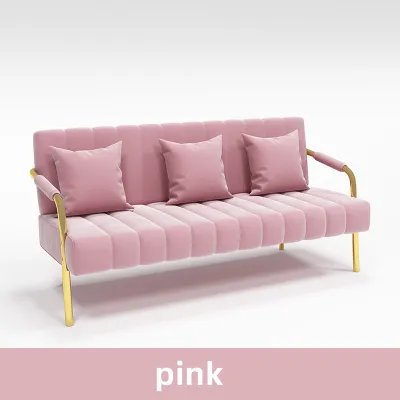
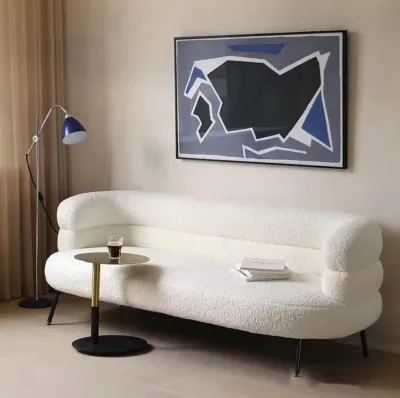
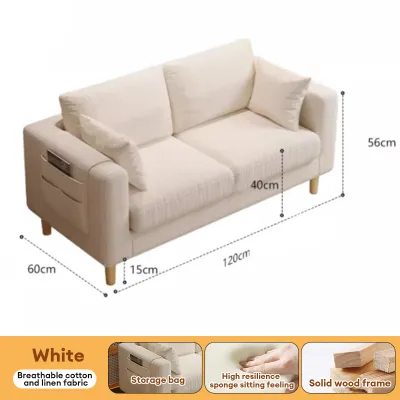
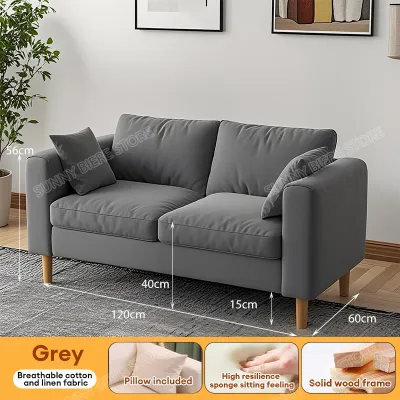
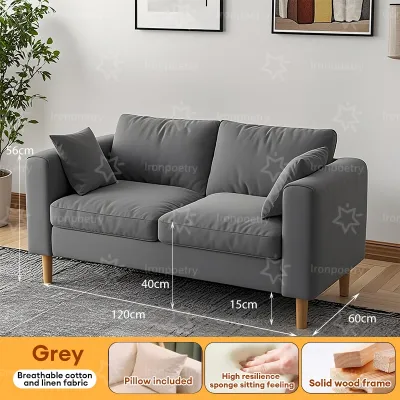
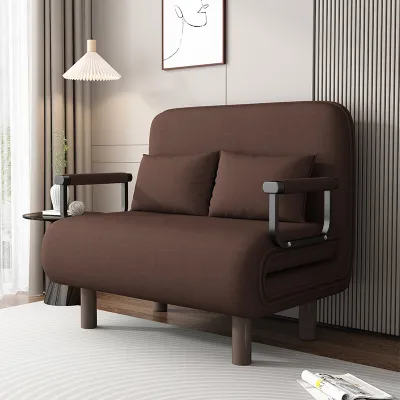
Prices are valid at publication and may change. Please refer to the product page for the latest price.
Core Principles of Japandi Minimalism
To understand what makes a sofa minimalist in the Japandi sense, one must look at how Scandinavian and Japanese design philosophies merge. Scandinavian design emphasizes warmth, comfort, and practical daily living, often referred to as hygge. Japanese design brings in the concept of wabi-sabi, which finds beauty in natural imperfection, simplicity, and the passage of time.
When these two worlds meet, they create a style that is clean but never sterile. A Japandi sofa minimalist design avoids the sharp, cold edges of ultra-modernism in favor of softer, organic lines and tactile materials. The goal is to create a sense of calm, where every piece of furniture feels like an extension of the natural world.
This philosophy places a heavy emphasis on visual weight and low-profile structures. In traditional Japanese interiors, living close to the floor is common, which translates into low-slung furniture that keeps the sightlines of a room open. By keeping the sofa low, you allow natural light to flow freely across the space, emphasizing the beauty of empty areas—often called negative space.
The Design Checklist: Evaluating Sofa Characteristics
Selecting the right sofa minimalist design requires a structured approach. When you are shopping online or visiting physical showrooms, it is easy to get distracted by individual details like a beautiful fabric texture or an interesting leg shape. However, a successful Japandi piece must be evaluated as a unified whole.

To ensure your chosen sofa aligns with this aesthetic, use the following checklist to analyze its silhouette, materials, and color palette. Each element must work in harmony to support a calm, uncluttered environment.
Silhouette and Proportions
The silhouette of a Japandi sofa should feel grounded and structurally honest. Look for low-profile frames that sit close to the floor, which helps establish a relaxed, informal atmosphere in the living room. Avoid sofas with high, ornate, or highly polished metal legs, as these draw too much attention downward and disrupt the visual flow.
Examine the lines of the sofa to ensure they are clean and geometric, yet softened at the edges. You want to avoid overstuffed, puffy cushions that look bulky, as well as rigid, razor-sharp edges that feel uninviting. The ideal shape offers a balanced, tailored appearance that suggests comfort without relying on excess volume.
Armrests deserve close inspection during your evaluation. Look for wide, flat wooden armrests that can double as small utility surfaces, or arms that integrate seamlessly into the main frame of the sofa. These designs emphasize functionality and clean geometry, eliminating unnecessary ornamental parts.
Materials and Textures
In a minimalist space, texture takes the place of color and pattern to create visual interest. For a tropical or humid climate, selecting natural, highly breathable upholstery fabrics is essential. In the Philippines, where humidity levels can be high, high-quality linen blends, cotton weaves, or low-pile bouclé offer a rich, tactile feel underhand while remaining comfortable in warmer weather.
The frame and any exposed wooden elements should showcase natural wood grains rather than glossy, synthetic, or painted finishes. Light oak, ash, or warm teak with matte protective coatings are excellent choices that highlight the organic origin of the material. These natural variations in wood grain celebrate the rustic imperfection central to the wabi-sabi philosophy.
Be sure to avoid highly reflective textiles, faux leather with a plastic sheen, or busy, high-contrast patterns. These materials clash with the quiet, matte surfaces required to maintain a peaceful atmosphere. Instead, let the natural weave of the fabric provide all the depth the piece needs.
Color Palette and Finish
The color of your sofa minimalist anchor should reflect the earthy, muted tones found in nature. Focus on warm neutrals such as oatmeal, sand, soft beige, muted olive, or warm charcoal. These shades create a gentle contrast against neutral walls without dominating the room’s visual landscape.
Steer clear of stark, clinical whites, which can make the living room feel like a gallery or a medical facility rather than a home. Similarly, highly saturated or artificial colors like bright blues or neon tones should be avoided, as they break the organic continuity of the Japandi style.
Pay close attention to the finish of every visible component. Metal brackets, wooden legs, and fabric surfaces should all feature a matte or naturally textured finish. High-gloss lacquers and polished chrome reflect light in a way that feels artificial and distracting in a minimalist setting.
Space and Scale: Will It Fit Your Room?
A beautiful sofa can easily lose its minimalist appeal if it is too large for the room, crowding the surrounding space and blocking natural walkways. Before making a purchase, measure your living room floor space carefully. A true Japandi layout relies on intentional negative space, meaning you should leave ample room around the sofa to allow the eyes to rest and people to move freely.
Consider the visual footprint of the sofa in relation to your windows and natural light sources. A low-profile sofa minimalist design is particularly effective because it sits below window sills, ensuring that daylight can penetrate deep into the room. This open layout makes even smaller living areas feel airy and connected to the outdoors.
Do not forget the practicalities of delivery and installation. Measure your doorways, hallways, stairwells, and elevator clearances before finalizing your order. A sofa that cannot clear a tight corner during delivery can lead to costly returns or structural damage to your walls and the furniture itself.
Practical Verification Before You Buy
Beyond aesthetics, a sofa must withstand daily use and maintain its structural integrity over time. When reviewing manufacturer specifications, look closely at the frame construction. Solid hardwood frames with mortise-and-tenon or dowel joinery offer excellent stability, whereas frames held together solely by glue and staples are prone to loosening.
Check the cushion density specifications to ensure the sofa will retain its shape. High-density foam cores wrapped in soft fiber or down alternative layers provide a supportive sit that does not sag easily, preserving the clean, tailored silhouette of the sofa. Avoid cushions that are too soft, as they will quickly lose their geometric form and look messy.
Examine the care labels and maintenance guidelines for both the upholstery and the frame. Natural fabrics like linen and cotton may require specific spot-cleaning methods or professional care to prevent shrinkage and staining. If you live in a humid environment, verify that any exposed wood has been treated with a moisture-resistant matte sealant to prevent warping or mold.
Finally, review the retailer’s return policies, warranty terms, and assembly conditions. Understanding whether the sofa arrives fully assembled or requires complex home setup helps you plan accordingly. If delivery fees or assembly services are extra, factor these into your overall budget—which might range from ₱25,000 for entry-level minimalist pieces to over ₱80,000 for premium hardwood frames—to avoid unexpected costs at checkout.
Frequently Asked Questions (FAQ)
Can I use a leather sofa in a Japandi living room?
Yes, you can use a leather sofa, provided you select the right finish and texture. Avoid highly polished, glossy, or synthetic leathers, which look too cold and commercial. Instead, opt for natural, matte, or aniline leathers in warm tan, brown, or charcoal tones. These materials age beautifully over time, developing a natural patina and soft creases that align perfectly with the wabi-sabi appreciation for rustic imperfection.
How do I maintain a light-colored linen Japandi sofa?
Maintaining a light-colored linen sofa requires a proactive care routine. Start by checking the manufacturer’s cleaning codes to identify safe cleaning agents. Vacuum the upholstery weekly using a soft brush attachment to remove dust and prevent dirt from settling into the fibers. For spills, blot immediately with a clean, dry white cloth instead of rubbing, and consider applying a fabric protector designed for natural textiles if recommended by the manufacturer.

Community discussion
Share your experience or ask a question. Comments are reviewed before publication.