
Finding a truly thick and sturdy hammock for your balcony or garden in the Philippines requires looking past basic marketing buzzwords. You must evaluate the material density, the construction of the suspension loops, and the structural limits of your mounting points. The local tropical climate brings intense sun, high humidity, and sudden heavy downpours during the monsoon season. A hammock that cannot withstand these elements will quickly degrade, fade, or develop mold.
A successful setup balances comfort with safety. By focusing on verifiable material specifications and precise spatial measurements, you can create a relaxing outdoor retreat that remains safe and comfortable for years. This guide provides a comprehensive framework to help you assess your outdoor space, understand material specifications, and build a reliable shortlist of hammocks that offer genuine comfort and durability for your relaxation area.
Defining "Thick" and "Sturdy": Material and Structure Checks
When searching for a durable hammock, the term “thick” is often used loosely. To find a product that offers genuine support and longevity, you must look closely at the fabric specifications. High-quality outdoor hammocks typically utilize heavy-duty canvas or tightly woven cotton-polyester blends. Canvas weight is a reliable indicator of thickness; look for fabrics with a high grams per square meter (GSM) rating. A dense weave prevents the fabric from stretching excessively over time and provides a solid barrier against wind.
Products mentioned in this guide
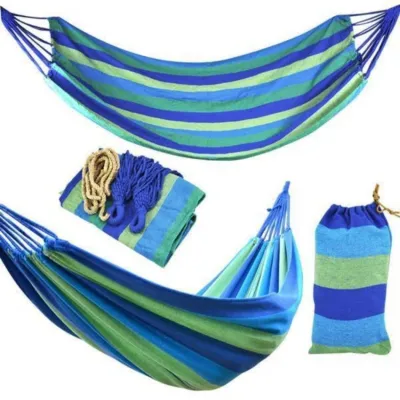
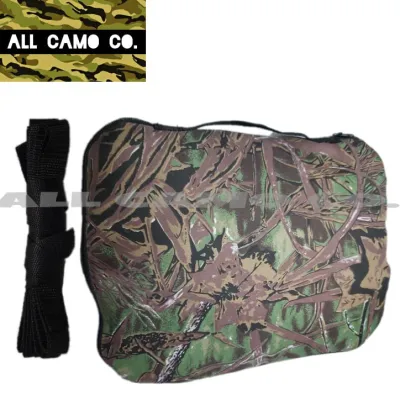
![[BAZZAR] Portable Cotton Rope Outdoor Hammock Duyan](https://img.lazcdn.com/g/p/b19a47f5cfbe15c149ec7e1699df4a1a.jpg_400x400q80.jpg_.webp)
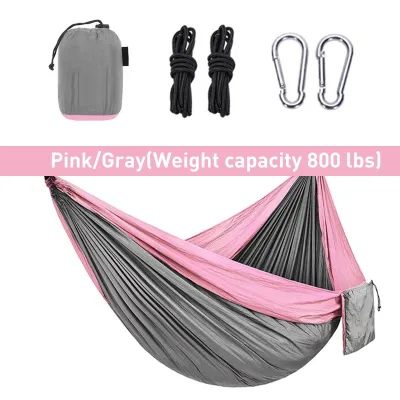
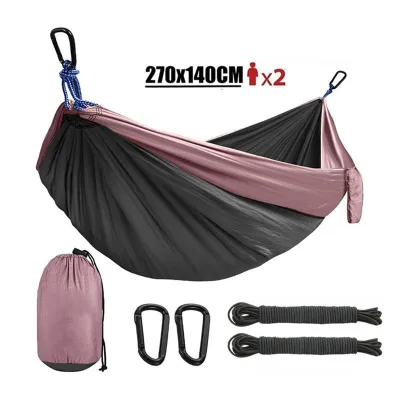
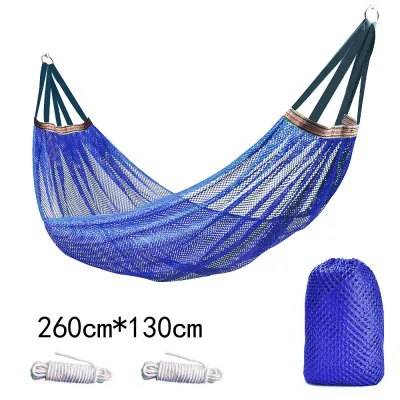
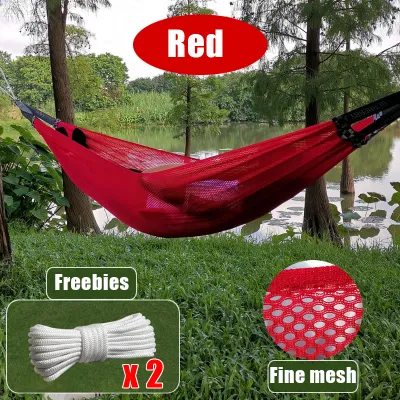
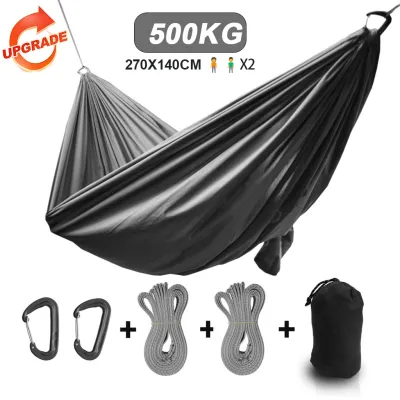
Prices are valid at publication and may change. Please refer to the product page for the latest price.
It is crucial to differentiate between a single layer of thick, tightly woven fabric and padded hammocks. Padded models often feature two thin layers of fabric sandwiching a polyester fiberfill. While they may feel soft initially, the internal padding can shift, clump, and trap moisture when exposed to rain or high humidity. In tropical environments, trapped moisture quickly leads to mold, mildew, and unpleasant odors. A single, thick layer of high-density canvas or a specialized outdoor synthetic fabric offers excellent breathability, dries much faster, and maintains its shape over years of use.
Beyond the fabric, the suspension system determines the overall sturdiness of the hammock. Inspect the rope work at the ends of the hammock bed. Look for thick, multi-ply ropes that are tightly braided and securely knotted. The loop ends should ideally be reinforced with metal or durable plastic inserts, known as thimbles, which protect the ropes from friction wear against carabiners or hooks. If the ropes are thin, loosely twisted, or show uneven tension, the hammock is more likely to sag unevenly or fail under load.
If you prefer a hammock with spreader bars, the material of the bar is a critical safety factor. Cheap, lightweight softwoods can warp, crack, or splinter when exposed to sun and rain. Look for solid hardwoods such as shorea, teak, or specially treated bamboo, which naturally resist moisture and insect damage. Alternatively, powder-coated metal spreader bars offer high strength and weather resistance, provided the coating remains intact to prevent rust.
Finally, evaluate the load-bearing hardware included with the hammock. Sturdy setups require heavy-duty carabiners, S-hooks, and chains. Look for hardware made from galvanized steel or marine-grade stainless steel to prevent corrosion in humid coastal or tropical environments. Avoid thin, lightweight aluminum carabiners or unrated hardware, as these are not designed to support human weight and can fail suddenly under dynamic movement.
Assessing Your Balcony and Garden Space
Before purchasing any hammock, you must carefully measure your available outdoor space to ensure a safe and comfortable installation. The two primary measurements to consider are the horizontal hanging distance and the vertical clearance. As a general rule, the distance between your two anchor points should be approximately 10 to 15 percent longer than the total length of the hammock, including the suspension ropes. If the space is too short, the hammock will sag excessively, causing your back to drag on the ground. If the space is too long, you will need to use extension chains or straps, which can alter the hanging angle.

The sag angle is critical for both comfort and safety. For a traditional gathered-end hammock, the ideal hanging angle is approximately 30 degrees from the horizontal plane. This angle creates a comfortable, supportive curve that allows you to lie diagonally—the correct way to sleep in a gathered-end hammock to keep your back flat. Spreader-bar hammocks, on the other hand, require a much flatter tension and are typically hung higher off the ground to account for the lack of natural sag.
Verifying the structural integrity of your anchor points is the most important safety step. On a balcony, never attach hammock hardware to thin metal railings, decorative grilles, or lightweight wooden posts. These structures are designed to prevent falls, not to bear the significant lateral tension exerted by a loaded hammock. Instead, look for solid concrete columns, structural concrete walls, or heavy overhead concrete beams.
If you are installing the hammock in a garden, select healthy, mature trees. The tree trunks should be at least 30 centimeters in diameter to support the weight safely without bending or breaking. Avoid using dead trees, young saplings, or trees with shallow root systems. Always use wide, heavy-duty tree straps rather than bare ropes or nails, as straps distribute the weight across a larger surface area and prevent damage to the tree’s bark.
Consider the spatial constraints and traffic flow of your balcony or garden. Ensure there is at least one meter of clear space on either side of the hammock to allow for safe entry and exit. Account for door swing paths, potted plants, and sharp furniture corners. In elevated residential areas or high-rise condominiums, wind exposure is another critical factor. Strong wind gusts can catch a loose hammock and cause it to flap violently, potentially damaging nearby glass doors or windows.
Core Selection Criteria for Outdoor Relaxation
Choosing between a gathered-end hammock and a spreader-bar hammock depends on your personal comfort preferences and the layout of your space. Gathered-end hammocks wrap around you like a cocoon, offering high stability and a lower center of gravity. This design makes it virtually impossible to flip over, making it a safer choice for relaxed lounging. They are also highly portable and easy to pack away when not in use.
Spreader-bar hammocks keep the fabric flat and taut, creating a flat surface that is ideal for sunbathing or reading. They are generally easier to get into and out of because the fabric does not bunch up around you. However, they have a much higher center of gravity and can flip easily if you shift your weight too far to one side. They also require a wider horizontal hanging distance and are more difficult to store because the rigid bars cannot be folded.
In the humid tropical climate of the Philippines, fabric maintenance and drying times are major considerations. Natural cotton is incredibly soft and breathable, making it very comfortable against the skin on hot afternoons. However, cotton absorbs moisture easily and dries slowly, making it highly susceptible to mold and mildew if left outdoors during the rainy season. Synthetic fabrics, such as polyester or solution-dyed acrylic, dry quickly and resist UV fading, making them much more practical for permanent outdoor setups.
If your balcony or garden lacks suitable structural anchor points, or if building administration rules prohibit drilling into concrete walls, a freestanding hammock stand is an excellent alternative. Stands are available in various materials, including powder-coated steel and finished hardwoods. A steel stand offers high durability, weather resistance, and ease of assembly, while a wooden stand provides a classic, natural aesthetic that complements garden landscapes.
When selecting a hammock stand, ensure its footprint fits comfortably within your designated space. Measure the total length and width of the stand’s base to confirm it will not block walkways or access doors. Look for models with adjustable hook positions, which allow you to fine-tune the tension of your hammock fabric over time as it naturally stretches.
Building Your Shortlist: Pre-Purchase Verification
When you are ready to build your shortlist and evaluate specific products on online marketplaces or at local furniture retailers, start by verifying the manufacturer-stated weight limits. A reliable hammock should clearly specify its maximum weight capacity. For single-user hammocks, look for a capacity of at least 120 to 150 kilograms. If you plan to share the hammock with a partner or family member, select a double-sized model rated for 180 to 200 kilograms or more.
It is important to factor in dynamic load when assessing weight limits. The force exerted on the hammock increases significantly when you sit down quickly, shift your weight, or swing gently. To ensure a safe margin of safety, choose a hammock and suspension system with a weight capacity that exceeds the combined weight of the intended users by at least 30 to 50 percent.
Do not assume that all necessary mounting hardware is included with your purchase. Many hammocks are sold as the fabric bed only, requiring you to purchase straps, carabiners, or wall anchors separately. Carefully read the product description to see what is included in the package. If the included ropes or straps appear thin or low-quality, budget for heavy-duty, third-party suspension gear to ensure your safety.
Review customer feedback and user reviews critically, focusing on long-term durability rather than initial impressions. Look for comments regarding seam strength, fabric stretching, and color fading after several months of outdoor exposure. Pay close attention to reviews from buyers who live in high-humidity or coastal areas, as these environments put the greatest stress on fabrics and metal hardware.
Finally, check the retailer’s return policy and warranty coverage. A reputable brand or seller should offer a warranty against manufacturing defects, particularly on structural components like heavy-duty stitching, spreader bars, and metal stands. A clear warranty provides peace of mind and indicates that the manufacturer stands behind the quality and safety of their product.
Safe Installation and Ongoing Maintenance
Proper installation is vital to prevent accidents and extend the lifespan of your hammock. Always follow the manufacturer’s instructions for knot tying, strap placement, and hardware installation. If you are using tree straps, ensure they are wrapped flat against the trunk and secured tightly to prevent slipping. When using wall or ceiling anchors, ensure the bolts are fully tightened and flush against the concrete surface.
Establish a routine inspection schedule to check the condition of your hammock and mounting hardware. Before each use, perform a quick visual check of the fabric, looking for small tears, loose threads, or thinning areas. Inspect the suspension ropes for signs of fraying, stiffness, or discoloration, which can indicate severe UV degradation. Check metal carabiners, chains, and hooks for rust, cracks, or deformation.
To protect your hammock from the harsh tropical sun and heavy rains, store it indoors or in a weatherproof deck box when it is not in use for extended periods. Even weather-resistant fabrics will last significantly longer if they are protected from constant exposure to the elements. If the hammock gets wet during a sudden downpour, hang it up to dry completely in a well-ventilated area before folding or storing it to prevent mold growth.
If you notice any signs of structural wear, stop using the hammock immediately. Do not attempt to repair frayed suspension ropes or cracked spreader bars yourself; instead, replace the damaged components with high-quality, rated parts. If you observe cracks, loose bolts, or crumbling concrete around your wall or ceiling anchors, consult a qualified professional contractor to inspect and repair the mounting points before using the hammock again.
Frequently Asked Questions (FAQ)
Can I hang a heavy hammock on a standard balcony ceiling? (FAQ)
Hanging a heavy hammock from a balcony ceiling requires anchoring directly into a load-bearing structural concrete beam or slab. Never attempt to mount hammock hardware to decorative false ceilings, plasterboard, or lightweight fiber cement panels, as these materials cannot support the lateral and vertical forces of a loaded hammock and will collapse. If you do not have access to the original building blueprints to identify structural concrete, consult your building’s property management office or a qualified structural engineer to verify the safety of your proposed anchor points before drilling.
How do I prevent mold on a thick cotton hammock outdoors? (FAQ)
To prevent mold and mildew on a thick cotton hammock, you must practice proactive moisture management. Avoid leaving the hammock outdoors overnight or during heavy rains, as cotton absorbs moisture easily and takes a long time to dry in humid conditions. Always ensure the fabric is completely dry before folding or storing it in a closet or storage box. If the hammock requires cleaning, check the care label for specific instructions; most thick cotton hammocks can be hand-washed with mild soap and water, then hung flat in a well-ventilated, shaded area to dry completely.

Community discussion
Share your experience or ask a question. Comments are reviewed before publication.