
Trifold foam beds are highly popular in the Philippines for their space-saving design and portability, but they do tend to sleep hot in our tropical climate. Because foam is inherently dense, it acts as an insulator, trapping your body heat instead of letting it escape. When combined with high local humidity, this heat retention can lead to uncomfortable, sweaty nights. However, understanding how different foams behave and making a few simple adjustments to your sleeping setup can significantly improve your comfort.
Choosing the right sleeping setup requires balancing convenience with thermal comfort. While a folding bed offers excellent flexibility for small apartments, boarding houses, or guest rooms, its material composition directly affects how cool you will sleep. By learning what to look for and how to manage your sleeping environment, you can enjoy the benefits of a portable bed without sacrificing a good night’s rest.
Why Foam Mattresses Trap Heat in Tropical Climates
Foam is made of tiny, interconnected cells. In standard polyurethane or memory foam, these cells are packed tightly together. This dense structure is excellent for cushioning and support, but it leaves very little room for air to circulate. When you lie down, your body heat radiates into the mattress, and the dense foam absorbs it, creating a warm pocket directly beneath you.
Products mentioned in this guide
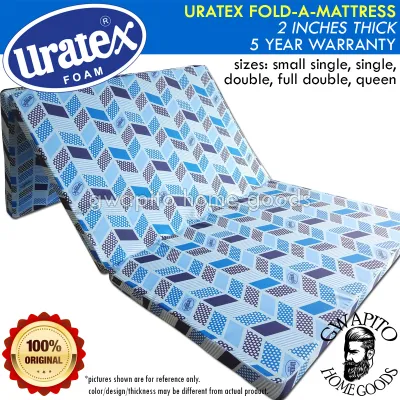
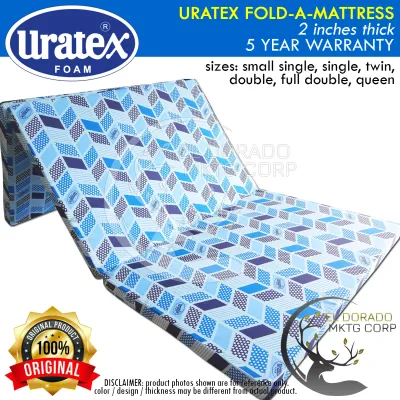

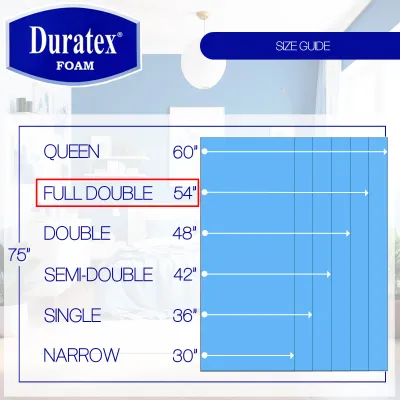
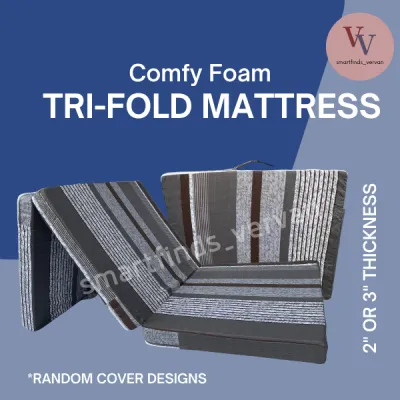
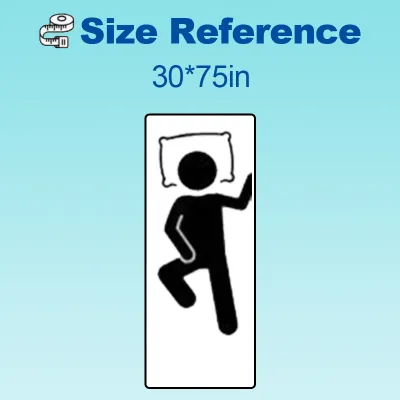
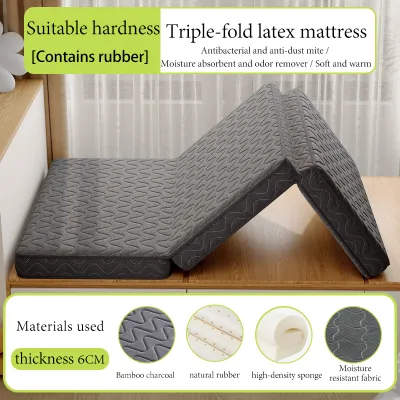
Prices are valid at publication and may change. Please refer to the product page for the latest price.
In the Philippines, this physical property of foam is amplified by the ambient climate. High relative humidity means the air is already saturated with moisture. Our bodies cool down through the evaporation of sweat, but when the air is humid, sweat cannot evaporate efficiently. When you sleep on a material that traps heat, your body sweats more, but the humid air prevents that sweat from drying, leading to a sticky, clammy feeling.
Additionally, many households place trifold foam beds directly on the floor to save space or accommodate guests. While convenient, floor sleeping eliminates the empty space beneath the bed where air would normally circulate. Without this under-bed airflow, the heat and moisture traveling downward through the mattress have nowhere to go, trapping warmth right under your body.
Over time, this lack of ventilation does more than just make you feel hot. The trapped warmth and moisture can seep into the core of the mattress, creating an environment where humidity accumulates. This makes the bed feel progressively warmer and more humid with each consecutive hour of use.
Comparing Foam Types for Heat Retention
Standard polyurethane (PU) foam is the most common material used in budget-friendly trifold beds. Generally, low-density PU foam has slightly better airflow than dense memory foam because its cell structure is less compact. However, low-density foam also offers less support and can wear down faster. High-density PU foam provides better durability but traps more heat because there are more solid material pathways to absorb your body warmth.

Memory foam, or viscoelastic foam, is notorious for sleeping hot, especially in tropical environments. It is designed to soften in response to body heat and pressure, allowing it to contour closely to your shape. While this feels incredibly supportive, the deep contouring wraps the foam around your body, sealing off air circulation and maximizing the surface area in contact with the heat-retaining material. In a warm bedroom without continuous air conditioning, memory foam can quickly feel like a warm hug that you cannot escape.
To address these issues, manufacturers often introduce gel-infused or open-cell foams. Open-cell foam is manufactured with larger, ruptured cell walls that allow air to pass through more freely. Gel-infused foam contains tiny gel beads or liquid gel designed to absorb heat and draw it away from your body initially. While these technologies can help, their real-world performance varies. It is essential to verify the manufacturer’s specific breathability claims on the product label rather than assuming any gel-infused mattress will stay perfectly cool all night.
When comparing these options, consider your primary sleeping environment. If you rely mostly on electric fans rather than air conditioning, standard high-density PU foam or open-cell foam is generally a safer choice than traditional memory foam. If you prefer memory foam, look for models that explicitly feature open-cell structures or cooling gel infusions to help mitigate heat buildup.
Observable Signs of Overheating and Moisture Buildup
If you are already using a trifold bed, there are several clear signs that heat and moisture are becoming trapped. The most obvious indicator is waking up with damp sheets or noticing visible sweat pooling on the mattress surface. This occurs when the foam reaches its heat capacity and can no longer absorb warmth, forcing your body to sweat excessively to cool down.
Another common sign is the ‘warm spot’ test. When you get out of bed in the middle of the night, place your hand on the area where you were sleeping. If you feel a distinct, lingering warm impression that takes several minutes to cool down, the foam has high heat retention. Highly breathable materials should dissipate this heat almost immediately once you stand up.
Overheating also directly impacts your sleep cycle. If you find yourself tossing and turning, waking up frequently during the warmest hours of the early morning, or constantly searching for a cool spot on the mattress, your bed is likely trapping too much heat. This restless sleep prevents you from entering deeper, restorative sleep phases.
Lastly, keep an eye out for musty odors. In a humid climate, the sweat and environmental moisture trapped inside a floor-level foam mattress cannot dry out properly. Over time, this dark, warm, and damp environment becomes a breeding ground for mold, mildew, and dust mites. If your trifold bed begins to smell damp or musty, it is a clear warning sign of poor ventilation and moisture buildup.
Practical Adjustments to Improve Airflow and Sleep Cooler
Fortunately, you do not have to discard your trifold bed to get a cooler night’s sleep. One of the easiest and most effective upgrades is changing your bedding. Avoid synthetic sheets like polyester or microfiber, which trap heat and moisture. Instead, opt for natural, highly breathable fibers such as 100% cotton, linen, or bamboo. Additionally, look for a lightweight, breathable mattress protector designed to wick away moisture without adding an insulating waterproof barrier that blocks airflow.
If you sleep with your trifold bed directly on the floor, consider elevating it slightly. You do not need a massive bed frame; a simple slatted wooden base, a low-profile wooden pallet, or even a highly breathable woven plastic rug underneath can make a significant difference. This small gap allows air to flow beneath the mattress, helping to dissipate the heat and moisture that migrate downward while you sleep.
Optimizing your bedroom’s airflow is also crucial. Position your electric fans or air conditioning units to promote active cross-ventilation across the sleeping area. If you sleep on the floor, direct a fan to blow air horizontally across the surface of the mattress rather than just pointing it at your face. This helps sweep away the warm boundary layer of air that builds up around your body.
Finally, establish a regular maintenance routine. Because trifold beds are designed to fold, take advantage of this feature. Every morning or at least a few times a week, fold the mattress and prop it up vertically in a well-ventilated area, preferably near an open window or under a ceiling fan. This allows any moisture absorbed during the night to evaporate completely, keeping the foam dry, hygienic, and less prone to trapping heat the following night.
Specifications and Labels to Check Before Buying
If you are in the market for a new trifold foam bed, paying close attention to product specifications can save you from sleepless, sweaty nights. Start by checking the foam density and thickness. While thicker mattresses offer more cushioning, they also contain more material that can trap heat. Look for a balance—typically a 3-inch or 4-inch mattress provides sufficient support for temporary or daily use without creating an excessively deep, heat-trapping barrier.
Next, examine the mattress cover. Many budget trifold beds come with fixed polyester covers that trap heat against your skin. Prioritize models that feature a removable, washable cover made from breathable materials like cotton, bamboo-derived rayon, or specialized cooling mesh. A removable cover also makes it much easier to wash away sweat and maintain hygiene in humid conditions.
Always read the manufacturer’s care instructions before purchasing. Look for guidelines regarding how to air out the mattress, whether it can be exposed to indirect sunlight, and how to handle humidity. Manufacturers who provide detailed instructions on moisture management are often more aware of how their products perform in tropical climates.
Lastly, measure your space carefully. Ensure the folded dimensions of the mattress fit easily into your storage areas without blocking existing ventilation paths, doorways, or windows. A trifold bed that is too bulky to store properly might end up left on the floor permanently, restricting your room’s airflow and making the entire sleeping environment warmer.
Frequently Asked Questions (FAQ)
Can I use a cooling mattress topper on a trifold foam bed? (FAQ)
Yes, you can use a cooling mattress topper, but you must consider how it affects the bed’s portability. Ensure the topper is flexible enough to fold along with the trifold mattress, or be prepared to store it separately. Look for toppers made of breathable materials like latex or open-cell foam, and verify that they do not block the airflow of the underlying mattress or trap moisture between the layers.
How often should I air out my trifold foam bed in a humid climate? (FAQ)
In a humid tropical climate like the Philippines, you should ideally prop up and air out your trifold bed every day after use. If daily airing is not practical, aim for at least two to three times a week. If you notice any musty smells, dampness on the underside, or if you have experienced particularly hot, sweaty nights, air out the mattress immediately in a dry, well-ventilated space to prevent mold growth.

Community discussion
Share your experience or ask a question. Comments are reviewed before publication.