
To determine how much weight your steel rack can safely hold, you must look beyond generic marketing terms and calculate both the weight of your items and the manufacturer’s rated capacity. In home offices and study spaces, a standard residential rack steel unit typically supports between 50 kg and 150 kg per shelf, but this limit is highly dependent on proper assembly, weight distribution, and structural reinforcement. Overloading a shelf can lead to sudden structural failure, damaging expensive textbooks, reference manuals, and study equipment. In tropical environments where humidity can affect alternative materials like wood or particle board, steel is an exceptionally durable choice, provided you understand how to manage its load limits.
Decoding Load Capacity Labels and Specifications
Understanding the specifications on a product label is the first step in ensuring a safe storage setup. The most critical distinction to make is between per-shelf capacity and total unit capacity. If a five-tier rack steel unit is rated for a total capacity of 500 kg, this does not mean you can place 500 kg on a single shelf; it means the weight must be distributed across all five shelves, with no single shelf exceeding its individual limit of 100 kg.
Furthermore, these ratings are almost always based on a Uniformly Distributed Load (UDL). UDL assumes that the weight is spread evenly across the entire surface area of the shelf. If you stack all your heavy law books or medical encyclopedias in one single pile in the center of the shelf, you create a concentrated point load. This concentrated weight can cause the steel to buckle or bow, even if the total weight is well below the rated UDL limit.
Products mentioned in this guide



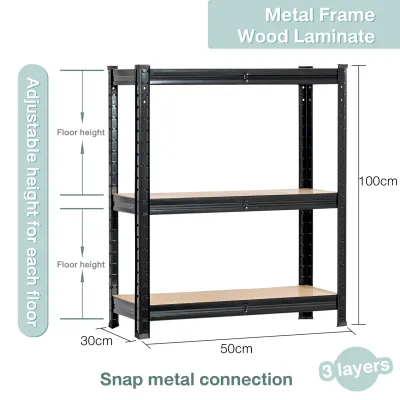
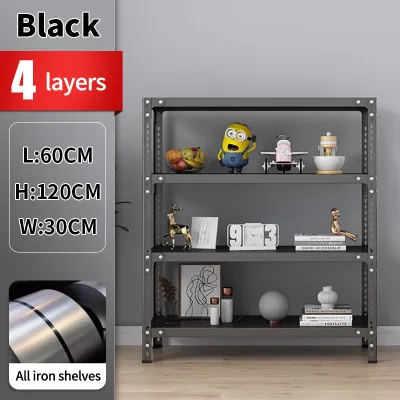
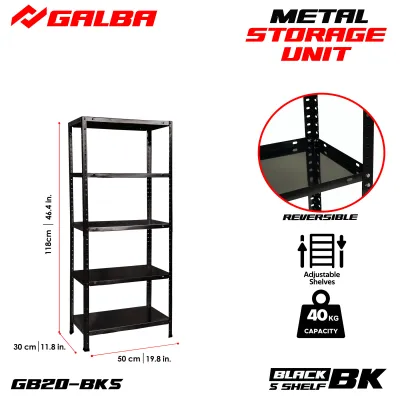
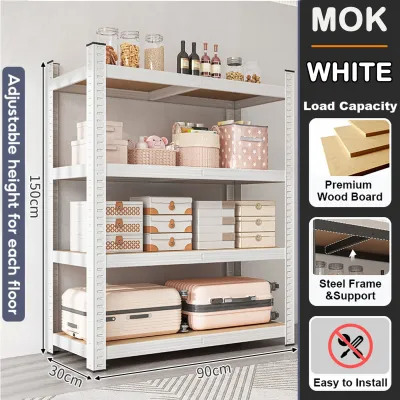
Prices are valid at publication and may change. Please refer to the product page for the latest price.
Finally, be skeptical of vague marketing terms such as “heavy-duty steel” or “industrial strength.” These phrases are not standardized and do not guarantee a specific weight limit. Always locate the exact rated capacities on the product packaging, user manual, or manufacturer’s specification sheet before making a purchase.
Estimating the Weight of Your Books and Study Equipment
Before organizing your study room, it is essential to estimate the cumulative weight of your books and equipment. Books are surprisingly dense and heavy. A standard hardcover textbook or thick binder can easily weigh between 1.5 kg and 2.5 kg. If you tightly pack a single 90-centimeter-wide shelf with academic books, the total weight can quickly accumulate to 40 kg or 50 kg. Archival boxes filled with paper documents or tax records can be even heavier, often exceeding 15 kg per box.

In addition to books, modern study spaces often house heavy electronic equipment. Desktop computer towers, laser printers, and uninterruptible power supplies (UPS) concentrate significant weight on small contact points. A heavy printer weighing 15 kg resting on four small rubber feet exerts high localized pressure, creating a point load that can stress the shelf panel.
To ensure long-term safety, always apply a safety margin when matching your estimated load to a rack’s capacity. A good rule of thumb is to maintain a 20% to 30% buffer. If your calculated load for a shelf is 80 kg, select a rack steel unit rated for at least 100 kg per shelf. This prevents the steel from operating under constant maximum stress, reducing the risk of gradual deformation over time.
Structural Features That Support Heavy Loads
A steel rack’s ability to support heavy loads depends heavily on its physical design and construction quality. When evaluating different models, inspect the shelf design first. High-quality shelves feature reinforcement ribs—steel channels welded underneath the shelf panel—which significantly increase rigidity and prevent bowing under load. The thickness of the steel sheet itself also plays a vital role in resisting deflection.
Next, evaluate the upright columns and the connection mechanisms. Heavy-duty racks often utilize thick steel profiles with robust connection systems. Boltless racks with keyhole slots or snap-together clips are popular for their ease of assembly, but they must be fully seated using a rubber mallet to ensure structural integrity. Bolted frames, while requiring more effort to assemble, offer highly rigid connections that resist swaying, though they may require periodic tightening.
In tropical climates, environmental factors can also influence stability. High humidity can cause certain flooring materials to expand or settle unevenly, which can compromise the stability of a heavily loaded rack. Always verify that the floor is level before assembly. If the rack is tall or top-heavy, planning for wall anchoring is essential to prevent accidental tip-overs.
Safe Loading and Maintenance Practices
Proper loading and ongoing maintenance are crucial for keeping your steel rack safe over years of use. Always implement a bottom-heavy loading strategy. Place your heaviest items—such as large binders, encyclopedias, and heavy printers—on the bottom shelves. This lowers the center of gravity of the entire unit, making it much more stable and less prone to tipping. Reserve the higher shelves for lighter items like novels, stationery, and decorative pieces.
Before placing any weight on the rack, perform a thorough assembly verification check. Ensure that all beams are level, the upright columns are perfectly vertical (plumb), and all joints or bolts are securely fastened. A slightly tilted frame drastically reduces the weight capacity and increases the risk of structural collapse.
Finally, establish a routine to inspect your shelving unit for visual warning signs. Look for visible shelf deflection (sagging), bent uprights, or loose connections. In humid environments, check for any signs of rust or paint chipping, as corrosion can rapidly compromise the strength of the steel. If you notice any bowing or structural compromise, immediately unload the shelf and inspect the frame.
Frequently Asked Questions (FAQ)
Does a thicker steel gauge always guarantee a higher weight capacity?
While a thicker steel gauge (indicated by a lower gauge number) generally provides more structural strength, it is not the sole factor. The overall engineering, including the shape of the upright profiles, the presence of under-shelf support ribs, and the quality of the connection joints, plays an equally critical role in determining the final weight capacity.
Should I anchor my steel rack to the wall if it holds heavy books?
Yes, anchoring is highly recommended for any steel rack holding heavy books or equipment, especially if the rack is tall (over 1.5 meters) or has a high center of gravity. Books are exceptionally dense, and pulling a heavy volume from a top shelf can create forward momentum that risks tipping the entire unit over.

Community discussion
Share your experience or ask a question. Comments are reviewed before publication.