
The best upper bunk bed frame for a small condo bedroom in the Philippines is one that maximizes vertical clearance, fits within strict ceiling and floor dimensions, matches the room’s layout, and meets verified structural safety standards. In compact urban spaces like Manila’s high-rises, utilizing vertical space is the most effective way to reclaim valuable floor area. However, finding the right frame requires looking beyond aesthetics to evaluate physical dimensions, weight capacities, material finishes, and condo logistics. This guide provides a systematic framework to help you measure your space, evaluate structural integrity, and choose a configuration that fits your lifestyle.
Living in a condominium often means working with limited square footage, where every piece of furniture must justify its footprint. Traditional bed frames occupy a significant portion of the floor, leaving little room for desks, wardrobes, or movement. An upper bunk bed frame, whether configured as a classic bunk or a loft bed, solves this challenge by elevating the sleeping surface and unlocking the under-bed area for other functional uses.
To make a successful purchase from local furniture showrooms or online marketplaces, you must approach the selection process with a clear plan. This involves understanding the structural differences between elevated bed types, taking precise measurements of your room and access paths, and verifying safety specifications. By following a methodical evaluation process, you can transform a cramped bedroom into a highly functional, multi-zone living space.
Products mentioned in this guide
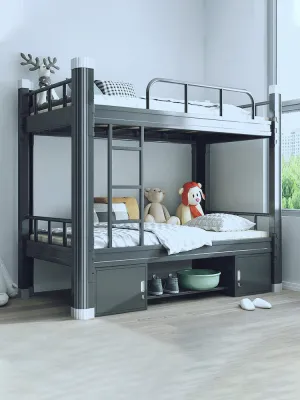
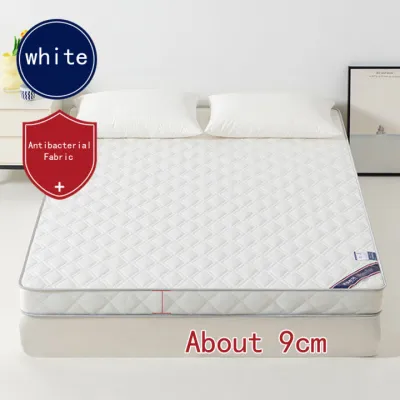
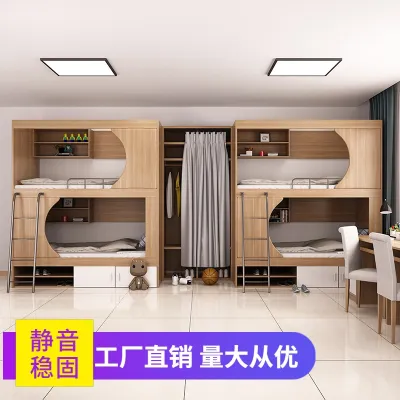

Prices are valid at publication and may change. Please refer to the product page for the latest price.
Defining Upper Bunk and Loft Beds for Small Spaces
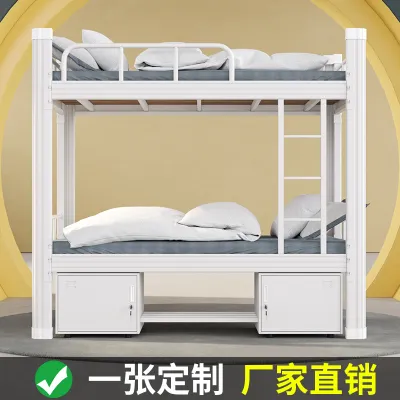
When shopping for elevated sleeping solutions, it is essential to distinguish between standard bunk beds and loft beds, as each serves a distinct purpose in a small condo. A standard bunk bed features two stacked sleeping surfaces, one directly above the other. This configuration is highly efficient for shared bedrooms, such as those for siblings, roommates, or rental properties where maximizing sleeping capacity is the primary goal.
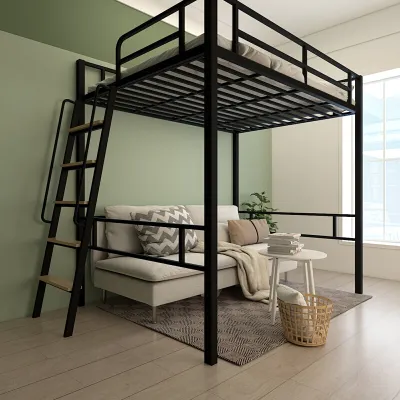
In contrast, a loft bed consists of a single elevated upper bunk with an open or integrated space underneath. This design is particularly well-suited for solo dwellers, students, or professionals working from home in a studio or one-bedroom condo. By elevating the bed, you effectively double the usable floor area of that specific zone, allowing you to place a desk, a small sofa, or storage units directly beneath the sleeping platform.
Choosing between these two options depends entirely on your household dynamics and daily needs. If your primary challenge is accommodating two sleepers in a single room without cluttering the floor, a standard bunk bed is the logical choice. However, if you need to create a multi-functional room that serves as both a bedroom and a home office or living area, a loft bed frame offers the flexibility required to zone your space effectively.
Ultimately, both configurations leverage vertical space to improve room flow and organization. By moving the bed off the floor, you reduce visual clutter and create a more open, airy atmosphere in the room. This spatial relief is especially valuable in tropical climates, where crowded rooms can feel warmer and more restrictive due to limited airflow.
Essential Room Measurements and Space Planning
Before browsing online catalogs or visiting local showrooms, you must gather precise measurements of your bedroom. The most critical dimension to verify is your ceiling height. To ensure safe and comfortable use of an upper bunk bed frame, you must calculate the clearance between the top of the planned mattress and the ceiling. A general guideline is to allow enough vertical space for the sleeper to sit upright comfortably without risk of head impact.

To calculate this clearance accurately, measure your floor-to-ceiling height, then subtract the height of the bed frame’s sleeping platform and the thickness of your intended mattress. The remaining space should ideally accommodate the sitting height of the tallest user. If your condo has low ceilings or dropped soffits for air conditioning ducts, you may need to look for low-profile loft frames designed specifically for compact spaces.
Next, evaluate the floor footprint of the bed frame. While mattress sizes are standardized, the actual outer dimensions of the frame will be larger. You must account for the thickness of the headboard, footboard, and side rails. Additionally, pay close attention to the ladder configuration; an angled ladder requires a larger floor footprint and can obstruct walking paths, whereas a vertical ladder or integrated stairs save floor space but may offer a different climbing experience.
Ensure there is at least 60 centimeters of clear walking space around the perimeter of the bed frame and any attached ladders. This clearance is necessary for daily movement, changing bed linens, and opening wardrobe doors or drawers. If the ladder projects into a high-traffic pathway or blocks access to a closet, you may need to select a frame with a reversible ladder that can be installed on either side.
Finally, do not overlook the logistical path from the delivery truck to your bedroom. Many condo developments in the Philippines feature narrow hallways, tight stairwells, and small service elevators. Measure the height and width of all doorways, elevator entrances, and corridor corners to ensure the packaged flat-pack boxes can be transported safely to your unit. Verifying these dimensions beforehand prevents the frustration of purchasing a frame that cannot physically enter your home.
Evaluating Structural Stability and Safety Features
Safety is the paramount consideration when selecting an upper bunk bed frame. Because the sleeping platform is elevated, the frame must be exceptionally stable to withstand daily movement and shifting weight. Begin your evaluation by checking the manufacturer’s weight capacity labels. These specifications should clearly state the maximum weight limit for the upper bunk, which must support the combined weight of the mattress, bedding, and the sleeper.
Never exceed these weight limits, and avoid assuming that a frame is sturdy simply because of its visual bulk. High-quality manufacturers provide clear, tested weight ratings for their products. If a product listing or label lacks this information, treat it as a warning sign and contact the seller or manufacturer for clarification before making a purchase.
Another critical safety feature is the guardrail system. Guardrails must run continuously along both sides of the upper bunk, with only a small opening for the ladder access point. To prevent accidental falls during sleep, the guardrails must extend to a safe height above the top of the mattress. When selecting a mattress, ensure its thickness leaves a substantial portion of the guardrail exposed, adhering to the manufacturer’s safety guidelines.
The ladder itself must be securely attached to the main frame. Look for ladders that bolt directly to the structure rather than those that simply hook over the side rails, as bolted connections are less likely to shift or detach over time. The steps should be wide enough to provide secure footing, and handrails or integrated grab points can offer additional stability during ascent and descent.
To prevent the entire structure from tipping over, especially during seismic activity or sudden movements, the frame should be anchored to the wall. Many elevated bed frames include anti-tip hardware or wall-anchoring kits. Verify if your chosen frame comes with these safety components, and ensure your condo walls are suitable for anchoring. Concrete or solid masonry walls, common in Philippine condos, provide excellent support for heavy-duty wall anchors.
Assessing Materials and Surface Finishes
The choice of material directly impacts the bed frame’s structural rigidity, maintenance requirements, and aesthetic integration into your condo. Metal frames, typically constructed from steel or iron tubing, are popular for small spaces because they offer high strength with a relatively slim profile. This minimalist design helps keep the room looking open and uncluttered. However, metal frames rely heavily on welded joints and bolt connections, which must be checked regularly for tightness to prevent squeaking.
Wood and engineered wood frames offer a warmer, more traditional aesthetic and can feel highly substantial. Solid wood frames provide excellent structural integrity but are often heavier and more difficult to move or assemble. Engineered wood options, such as medium-density fiberboard (MDF) or particleboard with laminate finishes, are widely available and budget-friendly, but you must verify the quality of the fastening hardware. Look for frames that use metal-to-metal connectors, such as barrel nuts and bolts, rather than wood screws driven directly into the material, as these can strip over time.
In the tropical climate of the Philippines, high humidity levels can affect furniture materials. Metal frames should feature a high-quality, rust-resistant powder coating to prevent corrosion over time. For wood or engineered wood frames, ensure all surfaces and edges are fully sealed or laminated to protect the material from moisture absorption, warping, or mold growth.
Before finalizing your purchase, review the manufacturer’s care instructions and warranty terms. Avoid making assumptions about durability based solely on the material name. A well-constructed engineered wood frame with robust joints and a moisture-resistant finish can outperform a poorly constructed solid wood frame. Understanding the required maintenance, such as periodic bolt tightening and gentle cleaning methods, will help preserve the frame’s stability and appearance.
Building a Conditional Shortlist for Your Layout
To find the ideal upper bunk bed frame, you should create a conditional shortlist based on your specific lifestyle needs and room layout. By categorizing your options into functional scenarios, you can quickly filter out designs that do not align with your daily routines. This systematic approach ensures that your final choice actively improves the usability of your condo bedroom.
If you work or study from home, focus on Scenario A: loft bed frames with integrated desks. These designs utilize the space beneath the upper bunk to create a dedicated workstation, often complete with shelving, keyboard trays, and built-in cable management cutouts. This setup keeps your work materials organized and separated from your sleeping area, helping to maintain a healthy work-life boundary in a compact living environment.
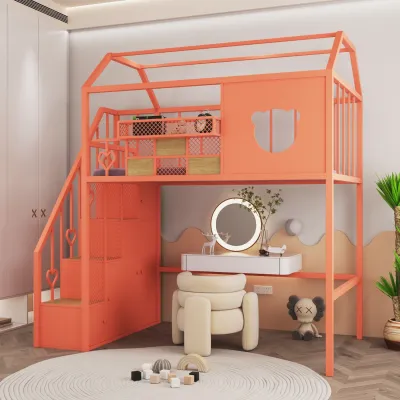
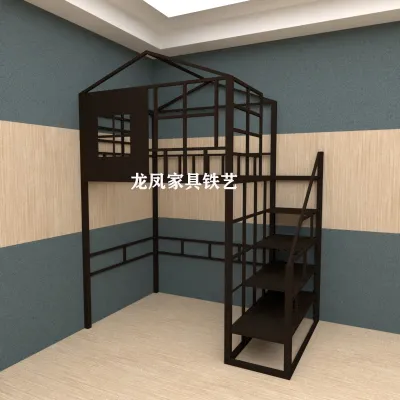
For those struggling with limited closet space, Scenario B focuses on maximum storage integration. Look for upper bunk frames that incorporate built-in wardrobes, chest of drawers, or extensive shelving units underneath the sleeping platform. Some designs even feature storage steps instead of a traditional ladder, with each step functioning as a drawer. This configuration consolidates multiple furniture pieces into a single footprint, freeing up the rest of the room.
If you prefer flexibility and custom styling, Scenario C involves open-space loft beds. These frames provide an empty, open area beneath the upper bunk, allowing you to place your own furniture underneath. You can set up a cozy reading nook with a small loveseat, install a vanity table, or leave the space open to create a more spacious feel. This option is ideal if you already own furniture you wish to keep or if you anticipate changing your room layout in the future.
Once you have identified the scenario that best fits your lifestyle, cross-reference your shortlisted frames with the physical measurements you gathered earlier. Verify that the ladder placement, door swings, and window locations in your room do not conflict with the frame’s configuration. This final check ensures that your chosen bed frame will function seamlessly within your specific layout.
Navigating Delivery, Assembly, and Condo Rules
Bringing a large, heavy furniture item into a condominium building requires careful planning and coordination with your building’s administration. Most condo developments in the Philippines have strict rules regarding deliveries, construction noise, and move-in procedures. Before scheduling your delivery, contact your condo admin office to secure the necessary permits and clarify the designated delivery hours.
You may also need to reserve the service elevator in advance to ensure the delivery crew can transport the large flat-pack boxes to your floor without disrupting other residents. Be aware of any drilling or assembly noise restrictions, as some buildings only permit noisy work during specific hours on weekdays. Complying with these rules ensures a smooth delivery process and maintains good relations with your neighbors and building staff.
Next, consider the assembly process. Elevated bed frames are complex structures that require precise assembly to ensure safety and stability. Review the product details to determine if professional assembly is offered by the seller or if you must build it yourself. If you choose to assemble the frame yourself, ensure you have the necessary tools, such as a rubber mallet, a level, and a socket wrench set, and plan to have at least one other person assist you, as lifting and securing the upper bunk components cannot be done safely alone.
Finally, plan for the disposal of the extensive packaging materials, such as large cardboard boxes and protective foam, which may not fit in standard condo trash chutes. Review the seller’s return and exchange policies before opening the packages. Inspect all components for damage or missing hardware immediately upon delivery, as resolving these issues is much easier before you begin the assembly process.
Frequently Asked Questions (FAQ)
Can I use a regular mattress on an upper bunk bed frame?
Using a standard, thick mattress on an upper bunk bed frame can compromise safety by reducing the effective height of the guardrails. Guardrails are designed to prevent accidental falls, and they must extend significantly above the top surface of the mattress to be effective. Always check the manufacturer’s specifications for the maximum recommended mattress thickness, which is typically between 12 and 15 centimeters. Additionally, ensure the mattress weight does not exceed the frame’s specified limits, leaving ample capacity for the sleeper.
How do I prevent the upper bunk from swaying?
To minimize sway and ensure structural rigidity, it is essential to assemble the frame precisely according to the manufacturer’s instructions and tighten all fasteners securely. Over time, daily use can cause bolts and screws to loosen slightly, so establish a routine to inspect and tighten them periodically. For maximum stability, utilize the wall-anchoring hardware or anti-tip kits provided with the frame. Securing the structure to a solid concrete or stud wall prevents lateral movement, significantly reducing sway and enhancing overall safety.

Community discussion
Share your experience or ask a question. Comments are reviewed before publication.