
Selecting a Uratex double mattress in the tropical climate of the Philippines requires a careful look at how different materials handle heat and humidity. With warm nights and high relative humidity being the norm, temperature regulation is often the deciding factor between a restful night and hours of tossing and turning. While traditional spring mattresses naturally offer the highest level of airflow due to their open internal structure, modern foam and latex options utilize specific structural designs to help mitigate heat retention. Finding the coolest sleep surface is not about choosing a single material as a universal winner, but rather understanding how internal construction, cover fabrics, and your bedroom environment interact to dissipate body heat.
To make an informed decision, you must look past generic marketing claims and evaluate the physical properties of each mattress type. A standard double mattress, measuring 54 inches by 75 inches, provides ample surface area for couples or solo sleepers, but this also means a larger surface area for trapping body heat. By understanding the mechanics of heat transfer—specifically how conduction and convection operate within different mattress cores—you can select a model that aligns with your local climate, bedroom setup, and personal comfort preferences.
How Foam, Spring, and Latex Manage Heat
Spring mattresses manage heat primarily through convection. The core of a spring mattress consists of interconnected steel coils or individually pocketed coils, leaving a vast amount of empty space inside the mattress. As you move during sleep, these coils act like a bellows, pushing warm air out of the mattress and drawing cooler ambient air in. This continuous air circulation makes spring units highly effective at preventing heat buildup. However, the overall cooling performance still depends on the comfort layers placed on top of the coils; thick, dense foam layers can block this airflow if they lack proper ventilation channels.
Products mentioned in this guide




![[BUY NOW ] URATEX FOAM W/ CHINA COVER/ FOAM WITH COVER/ URATEX FOAM / 4 INCHES/ SINGLE/ DOUBLE/ FAMILY/ QUEEN](https://img.lazcdn.com/g/p/7508aebb2074d1481f04131f3ce0e4fd.png_400x400q80.png_.webp)
![[SALE] URATEX FOAM / MATRES/ SINGLE FOAM/DOUBLE FOAM/ FAMILY FOAM/QUEEN FOAM / JCE/ FOAM MATRESS 3.5 INCH/ORIGINAL URATEX FOAM #uratexfoam #100%uratex #originaluratex #uratexwithchinacover #onsale #foamwithcover](https://img.lazcdn.com/g/p/9132bd3f16155ef890d85e09049754f2.jpg_400x400q80.jpg_.webp)
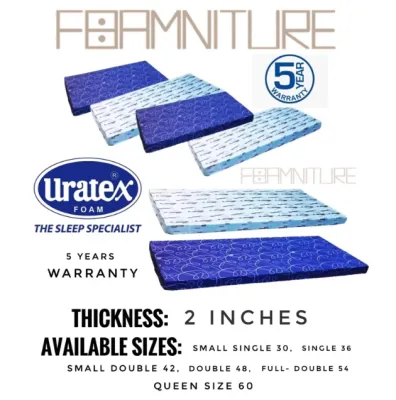
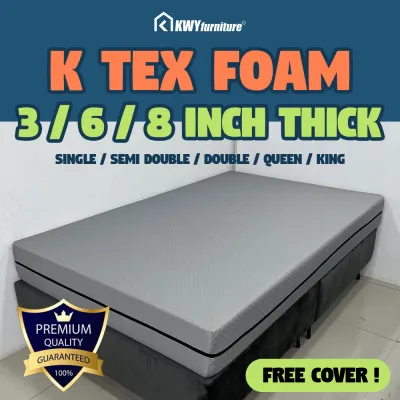
Prices are valid at publication and may change. Please refer to the product page for the latest price.
Latex mattresses offer a different approach to temperature regulation, relying on the material’s natural structure. High-quality latex is manufactured with a matrix of open cells and is typically molded with physical pinholes or ventilation channels. These pinholes allow air to flow horizontally and vertically through the core, facilitating passive heat dissipation. Natural latex tends to be more temperature-neutral than synthetic latex blends, as synthetic materials often have a tighter molecular structure that retains heat. While latex does not have the wide-open gaps of a spring system, its resilient, responsive surface prevents you from sinking too deeply, which naturally limits the amount of material in direct contact with your body.
Traditional polyurethane and memory foams are highly dense materials that primarily transfer heat through conduction. Because standard memory foam is designed to soften in response to body heat and contour closely to your shape, it can create a deep cradle that traps warm air around your body. High-density base foams provide excellent support and motion isolation, but their tight cell structure can restrict airflow. To address this, modern foam manufacturing utilizes open-cell technology, where the cell walls are intentionally broken to allow air to pass through. Convoluted foam, often referred to as egg-crate foam, also helps by creating air channels between the foam layers, reducing the overall contact surface area.
Verifying Cooling Claims on the Uratex Spec Sheet
When shopping for a Uratex double mattress, the product specification sheet and the physical law tag are your best tools for verifying cooling capabilities. Rather than relying on promotional terms, look closely at the cover material specifications. Breathable fabrics such as double-knit tencel, rayon derived from bamboo, or specialized cooling yarns are highly desirable for tropical climates. These materials are designed to wick moisture away from the skin, facilitating evaporative cooling even on humid nights. Check if the cover is removable and washable, as keeping the fabric clean helps maintain its inherent breathability over time.

Next, examine the details of the comfort and transition layers. Look for terms like “gel-infused,” “graphite-infused,” or “open-cell” foam. Gel infusions work by absorbing initial body heat and distributing it away from the sleeping surface, though their effectiveness eventually levels out over several hours of continuous contact. Graphite infusions serve a similar purpose by conducting heat away from the body. If you are looking at a multi-layer foam mattress, verify whether the top layers feature convoluted designs or physical perforations, which are far more reliable for long-term airflow than chemical cooling treatments alone.
Finally, consider the relationship between mattress thickness, density, and heat retention. A thicker mattress often contains more layers of comfort foam. If these layers consist of high-density memory foam without any cooling modifications, the mattress is highly likely to sleep hot. High density is excellent for durability and support, but it must be balanced with ventilation features. When reviewing a spec sheet, check the density ratings of the comfort layers and look for a balance: a supportive, high-density core paired with highly breathable, lower-density or aerated transition layers near the surface.
Decision Framework: Matching Material to Your Sleep Needs
Choosing the right mattress material requires balancing your thermal sensitivity with your support and lifestyle requirements. If your primary goal is maximum airflow and you sleep in a room without continuous air conditioning, a spring mattress is generally the most practical choice. The open coil system ensures that heat does not accumulate under your body, and the traditional responsive bounce makes it easy to move around, preventing heat pockets from forming. This option is highly suitable for hot sleepers who prefer a traditional, buoyant feel.
If you prefer a balance of contouring support, durability, and moderate temperature neutrality, a latex mattress is an excellent alternative. Latex provides a responsive, “on-the-bed” feel rather than an “in-the-bed” sink, which keeps your body elevated and exposed to ambient air currents. It is highly durable and resists sagging, making it a reliable long-term investment for tropical climates. This material is ideal for sleepers who want pressure relief without the heat-trapping sensation often associated with dense memory foam.
For those who prioritize deep pressure relief, contouring comfort, and motion isolation, a foam mattress remains a strong candidate, provided you verify its cooling features. If you share a bed and are easily disturbed by your partner’s movements, the motion-dampening properties of foam are unmatched. To keep cool, ensure the specific model you choose incorporates open-cell foam, gel infusions, or a convoluted transition layer. This combination allows you to enjoy the benefits of pressure relief without sacrificing thermal comfort.
Before finalizing your purchase of a Uratex double mattress, always verify the physical logistics of delivery and installation. Measure your doorways, hallways, stairwells, and elevator cabins to ensure the mattress can be safely transported to your bedroom. A double mattress is a substantial piece of furniture, and rigid spring or heavy latex models cannot be easily bent or compressed once fully unpacked. Additionally, check the load capacity and stability of your existing bed frame to ensure it can support the weight of both the new mattress and the sleepers.
Maximizing Airflow Through Bed Frame and Room Setup
The performance of any cooling mattress is heavily influenced by the foundation it rests on and the surrounding room environment. Placing a highly breathable mattress on a solid plywood platform or a solid-box spring can restrict airflow, trapping heat and moisture underneath the bed. To maximize ventilation, pair your mattress with a sturdy, slatted bed frame. The gaps between the slats allow air to circulate freely beneath the mattress, helping to dissipate heat from the bottom and preventing the buildup of moisture, which is especially important in humid tropical regions.
Your choice of bedding also plays a critical role in temperature regulation. Even the most advanced cooling mattress will sleep hot if it is covered with synthetic polyester sheets that trap moisture and heat. Opt for sheets made from natural, breathable fibers such as long-staple cotton, linen, or bamboo-derived fabrics. These materials allow air to pass through easily and assist in wicking sweat away from your body. Keep your blankets or duvets lightweight, and avoid heavy synthetic fills that insulate heat.
Finally, optimize your bedroom’s airflow and humidity levels. High ambient humidity in the Philippines limits the body’s ability to cool itself through sweat evaporation. Use cross-ventilation by keeping windows open when weather permits, or use ceiling and floor fans to keep air moving across the surface of the bed. If you use air conditioning, position the unit so that the cool air circulates evenly throughout the room rather than blowing directly onto the bed, which can cause localized temperature imbalances. Managing these environmental factors ensures that your mattress can perform its cooling functions effectively.
Frequently Asked Questions (FAQ)
Does a thicker Uratex double mattress sleep hotter?
A thicker mattress does not inherently sleep hotter, but it often contains more layers of comfort foam near the surface. If these comfort layers consist of thick, high-density polyurethane or memory foam without ventilation channels, they can trap more body heat than a thinner, simpler mattress. To prevent heat retention in a thicker model, verify that the upper layers incorporate open-cell technology, convoluted designs, or gel infusions that facilitate airflow.
Can I add a cooling topper to an existing foam mattress?
Yes, adding a breathable topper can help improve the surface temperature of an existing foam mattress, but it has limitations. A topper made of natural latex, convoluted foam, or gel-infused open-cell foam can create a helpful buffer zone between your body and a hot mattress core. However, if the base mattress is extremely dense and retains a massive amount of heat, a topper will only provide moderate relief, as the heat will still struggle to escape from the lower layers of the bed.

Community discussion
Share your experience or ask a question. Comments are reviewed before publication.