
Sleeping comfortably in a tropical climate requires a careful balance of physical support and temperature regulation. In the Philippines, where high humidity and elevated nighttime temperatures are the norm, choosing the right sleep surface is crucial for physical recovery and overall well-being. For decades, Uratex has been a household name in Philippine bedrooms, offering a wide array of sleep products designed for various budgets and preferences. However, many prospective buyers wonder if a foam mattress can truly handle the unique challenges of a warm, humid environment.
An uratex foam mattress can indeed perform well in the Philippine tropical climate, but your comfort will depend heavily on the specific type of foam, its density, and how you manage your bedroom’s airflow. While traditional, dense polyurethane foams naturally tend to retain body heat and absorb ambient moisture, modern sleep technologies have introduced highly effective ways to mitigate these issues. By understanding how different foam structures interact with heat and humidity, you can make an informed purchase that ensures cool, dry, and restful nights.
Quick Answer: Uratex Foam in a Tropical Climate
Uratex foam mattresses are highly viable for tropical living, provided you select a model engineered for breathability and pair it with the right bedroom setup. The term “foam” covers a massive spectrum of materials, and the brand offers everything from basic, economical polyurethane slabs to advanced, multi-layered orthopedic designs. Therefore, performance is not a matter of brand name alone, but rather a reflection of the mattress’s physical specifications and your sleep environment.
Products mentioned in this guide
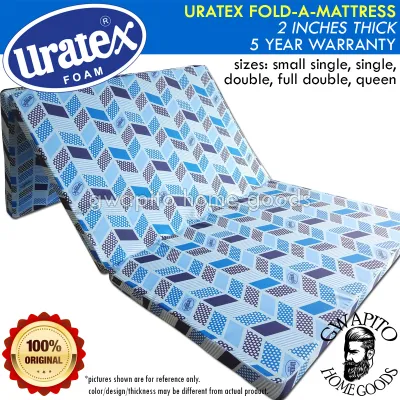
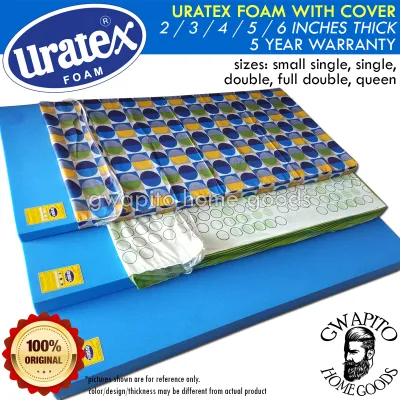
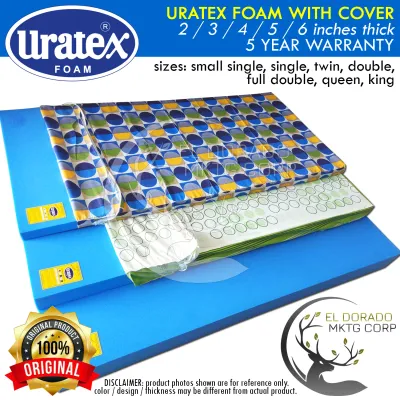

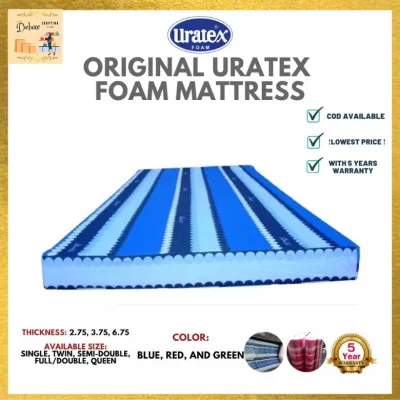
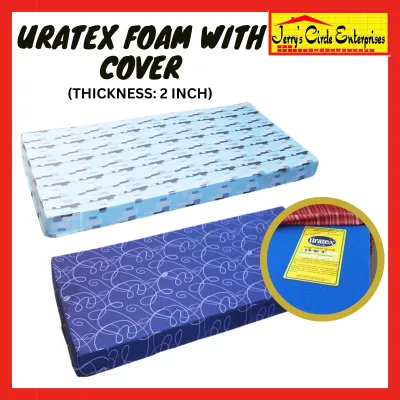
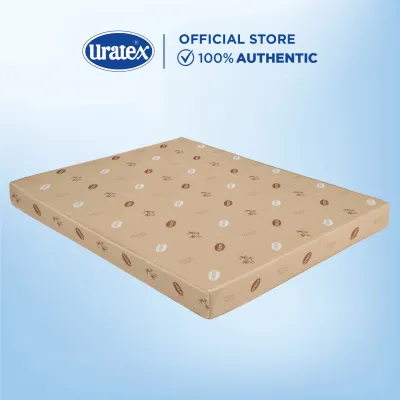

Prices are valid at publication and may change. Please refer to the product page for the latest price.
Traditional solid polyurethane foam is highly insulating. If you sleep in a room without air conditioning and rely solely on a wall fan, a basic, dense foam mattress will likely trap your body heat and feel uncomfortably warm. However, if your bedroom is air-conditioned, or if you select an Uratex model featuring open-cell structures, cooling gel infusions, or specialized breathable covers, the heat retention is significantly reduced. To get the best results, you must match the mattress type to your specific room ventilation and personal sleeping temperature.
How Tropical Heat and Humidity Affect Foam Mattresses
To understand why some mattresses feel like furnaces at night, it helps to look at the physics of foam. Polyurethane and memory foams are made of microscopic cells. When these cells are tightly packed, they act as excellent thermal insulators. When you lie down, the foam conforms to your body shape, creating a deep cradle. While this contouring provides excellent pressure relief, it also maximizes the contact area between your skin and the mattress, trapping your body’s natural heat and preventing it from dissipating.

In the Philippines, this heat-trapping effect is compounded by high ambient temperatures. Standard memory foam is temperature-sensitive, meaning it softens as it absorbs body heat. In a hot room, this causes you to sink even deeper into the bed, wrapping more insulating material around your body and further restricting natural airflow. This cycle can quickly lead to restless tossing and turning as your core temperature rises.
Moisture absorption is another critical challenge in humid tropical environments. The relative humidity in the Philippines regularly exceeds 80%, especially during the monsoon season. When you sleep, your body naturally releases moisture through sweat and respiration. In a highly humid room, this moisture cannot easily evaporate into the air. Instead, it penetrates the porous layers of your foam mattress.
When moisture becomes trapped inside dense foam, it creates a damp microclimate. This not only makes the mattress feel clammy and cold to the touch but also invites structural and hygienic issues. Over time, persistent dampness leads to musty odors and provides an ideal breeding ground for mold, mildew, and dust mites. To avoid these risks, you must look past generic marketing labels like “cooling foam” and focus on verifiable material specifications.
When shopping, prioritize these structural features:
- Open-Cell Architecture: Look for foams designed with interconnected cells that allow air to flow freely through the material rather than trapping it in closed pockets.
- Aerated Channels: Some models feature physically drilled pinholes or cut channels that create active pathways for heat and vapor to escape.
- Phase-Change Materials (PCM): These are microscopic capsules embedded in the cover fabric or top foam layer that absorb, store, and release heat to maintain a stable surface temperature.
- High-Porosity Knit Fabrics: A breathable, open-weave cover fabric is essential to allow air to reach the foam layers beneath.
Evaluating Uratex Foam Options for Cooling and Breathability
Uratex offers a diverse catalog, and navigating their options requires comparing how different foam types handle heat and airflow. Understanding these distinctions will help you choose a model that aligns with your budget and your bedroom’s climate control.
Traditional Polyurethane Foam: Often recognized by its classic blue color in entry-level Uratex models, standard polyfoam is highly durable and affordable, with prices often starting under ₱5,000 for standard sizes. However, its dense, closed-cell structure offers very limited airflow. If you plan to use this type of mattress in a non-airconditioned room, it is best to opt for a firmer model to minimize sinkage, and to use lightweight, 100% cotton bedding to help heat escape.
Memory Foam: Known for its deep, body-conforming support, memory foam is highly comfortable but is naturally prone to heat retention. If you prefer the contouring feel of memory foam, look for Uratex models that incorporate gel-infused layers, such as their Senso Memory line. The gel beads embedded in the foam help absorb and distribute initial body heat, though they perform best when the room itself is kept cool with an air conditioner.
Latex and Latex-Feel Foams: Natural latex and high-resiliency latex-alternative foams are excellent choices for tropical climates. They are naturally springier and more resilient than memory foam, meaning you sleep “on” the mattress rather than “in” it. This keeps your body elevated, allowing room air to circulate freely around you. Many of Uratex’s orthopedic or premium hybrid lines utilize these firmer, highly breathable comfort layers.
The cover material of the mattress is just as important as the foam core. Even the most breathable foam will sleep hot if it is wrapped in a thick, non-breathable synthetic cover. When evaluating an uratex foam mattress, check the product label or specification sheet for moisture-wicking and breathable fabrics. Look for covers blended with natural fibers like bamboo-derived rayon or Tencel, which naturally absorb moisture and feel cool to the touch. Avoid cheap, tightly woven polyester covers that trap heat and sweat.
Firmness plays a direct role in temperature regulation. Softer mattresses allow your body to sink deeply into the comfort layers. While this feels cozy initially, it wraps the foam around your sides, trapping heat. For tropical climates, a medium-firm to firm mattress is generally recommended. A firmer surface keeps your spine aligned while keeping your body elevated, maximizing the surface area of your skin that remains exposed to ambient airflow.
Before making your final purchase, use this pre-purchase checklist:
- Verify the Foam Type: Confirm whether the mattress uses standard polyfoam, gel-infused memory foam, or open-cell latex-alternative foam.
- Check the Cover Specifications: Look for breathable knit fabrics, bamboo blends, or cooling yarn technologies.
- Assess the Firmness Level: Choose a firmness that prevents excessive sinking based on your body weight and sleeping position.
- Look for Ventilation Features: Check if the mattress design includes 3D spacer mesh borders or aerated foam layers to facilitate lateral airflow.
Moisture Management and Mold Prevention Strategies
In the humid Philippine climate, managing moisture is just as important as managing heat. Without proper care, the combination of high humidity and body sweat can quickly compromise the hygiene of your foam mattress. Implementing a few structural and environmental strategies will protect your investment and ensure a healthy sleep environment.
Your choice of bed frame is your first line of defense against mold. Never place an Uratex foam mattress directly on the floor or on a solid plywood platform. When you sleep, your body heat warms the top of the mattress, while the floor or solid base remains cool. This temperature differential causes condensation to form at the bottom of the mattress. Without airflow, this trapped moisture has nowhere to go, rapidly leading to mold growth. Instead, use a sturdy, slatted bed frame. Ensure the slats are spaced between 2 to 3 inches apart to provide optimal support while allowing air to circulate freely beneath the mattress. Before purchasing, verify the finished dimensions of the frame to ensure a perfect fit with your mattress, and check that your doorways and hallways have sufficient clearance for delivery and assembly.
A high-quality mattress protector is essential, but you must choose the right material. Avoid cheap, plastic-backed waterproof protectors, as they act like a greenhouse, trapping heat and making you sweat profusely. Instead, invest in a breathable, waterproof protector that features a specialized polyurethane membrane. This membrane blocks sweat, spills, and dead skin cells from entering the foam while still allowing air and vapor to escape. Look for protectors with top layers made of bamboo terry or cotton to enhance moisture-wicking.
Optimizing your bedroom’s microclimate will also prevent moisture from settling into your bed. If you use an air conditioner, running it on the “dry” mode can help extract excess humidity from the air. If you rely on electric fans, position a stand fan or ceiling fan to maintain constant air circulation across the bed. During the rainy season, when indoor humidity can spike dramatically, running a small dehumidifier in your bedroom can keep ambient moisture levels within a safe range (ideally between 40% and 60%).
Keep an eye out for these observable warning signs of moisture retention:
- A persistent musty, earthy, or damp odor that lingers even after changing the sheets.
- A cold, clammy feel to the mattress surface when you first lie down.
- Dark gray, green, or black speckles appearing on the underside of the mattress or along the seams of the cover.
- Sudden, unexplained morning allergies, coughing, or skin irritation.
- Action: If you detect deep mold growth within the foam core, stop using the mattress immediately. Surface cleaning cannot eradicate mold spores that have penetrated deep into the foam, and continued use poses a significant health risk. In this scenario, replacing the mattress is the only safe option.
Maintenance Routines to Extend Mattress Life in Humid Conditions
Proper maintenance is key to keeping your Uratex mattress dry, hygienic, and structurally sound for years. Because tropical conditions accelerate wear and moisture accumulation, establishing a regular care routine is highly recommended.
Make it a habit to rotate your mattress 180 degrees every 3 to 6 months. This simple step ensures that body weight is distributed evenly over time, preventing deep body impressions from forming. Deep depressions not only compromise spinal support but also trap more heat by creating permanent “wells” that wrap around your body. If you own a double-sided Uratex model, alternate between rotating and flipping the mattress to maximize its lifespan.
Regularly airing out your mattress is highly effective at combatting humidity. Every few months, strip off all bedding and protectors, and let the mattress sit bare in a well-ventilated room with the windows open and a fan running for several hours. However, you must avoid exposing the foam to direct, harsh sunlight. While it might seem tempting to put the mattress outside to dry, intense ultraviolet (UV) rays and high outdoor heat will break down the chemical bonds of polyurethane and memory foam. This causes the foam to become brittle, crumble, lose its supportive properties, and will ultimately void your manufacturer’s warranty.
When cleaning spills or sweat stains, always stay within safe surface cleaning boundaries. If a spill occurs, immediately blot the area with a clean, dry microfiber cloth to absorb as much liquid as possible. If a mild cleaning solution is needed, use a damp cloth with highly diluted gentle detergent and gently dab the stain. Never soak or saturate the foam, as deep moisture is incredibly difficult to dry out in the Philippines’ humid air. Always ensure the mattress is completely dry—using a fan or a dehumidifier to speed up the process—before putting the protector and sheets back on.
Finally, always review and comply with the manufacturer’s warranty terms. Uratex provides generous warranties on their mattress cores, but these agreements almost always exclude damage caused by improper support, liquid spills, or mold growth. Keeping your mattress on an approved slatted frame and using a breathable waterproof protector are not just good maintenance habits—they are often strict requirements to keep your warranty valid.
Frequently Asked Questions (FAQ)
Is memory foam worse than spring mattresses for hot weather in the Philippines?
Traditional spring mattresses naturally sleep cooler than memory foam because their open coil systems allow air to circulate freely throughout the interior of the bed. Memory foam is a dense, heat-retaining material that conforms closely to your body, blocking airflow. However, modern gel-infused memory foams and advanced breathable covers help narrow this gap. If you sleep in an air-conditioned room, a high-quality foam mattress can still provide a cool and comfortable sleep surface.
Can I use an Uratex foam mattress directly on the floor?
Placing an Uratex foam mattress directly on the floor is highly discouraged in the Philippines. The lack of underside ventilation traps condensation caused by the temperature difference between your warm body and the cool floor. This damp environment rapidly leads to mold, mildew, and dust mite infestations. Furthermore, floor placement exposes the mattress to floor-level pests and typically voids the manufacturer’s warranty. Always use a raised, slatted bed frame.
How do I know if my Uratex mattress has mold inside?
You can identify internal mold by a persistent, musty or earthy odor that remains even after airing the mattress out. Other indicators include dark, circular spots or discoloration spreading on the cover fabric or the foam core, and experiencing sudden, unexplained allergy symptoms like sneezing or skin irritation when using the bed. If mold has penetrated the foam, surface cleaning will not resolve the issue, and you should replace the mattress to protect your health.

Community discussion
Share your experience or ask a question. Comments are reviewed before publication.